Email remains one of the few channels a brand truly owns. Social reach shifts, paid media costs rise, and platform rules change fast. A strong email marketing agency helps turn that owned channel into steady revenue.
The gap between average email performance and great performance is wide. Many brands send campaigns, yet few build flows that recover carts, lift repeat orders, and raise customer value over time. The right email marketing agency brings strategy, testing, design, and data review into one focused system.
That matters most when growth starts to strain internal teams. Copy slips, segments grow stale, and reporting turns into guesswork. An experienced email marketing agency sees those issues early and connects each send to a clear business goal.
For online stores, the stakes are even higher. An ecommerce email marketing agency often works across welcome series, browse abandonment, post-purchase flows, and win-back campaigns at the same time. Those programs do more than fill the calendar. They create repeatable income from traffic that a brand has already paid to acquire.
Not all email marketing companies work at the same level. Some focus on basic campaign production. Others offer full-service email marketing that includes audience strategy, creative, automation, deliverability, and revenue reporting. That difference shapes how fast a brand can move and how much value email can produce.
Key insight: The best agency relationship turns email from a batch-and-send task into a measurable growth channel.
Choosing an email marketing agency is rarely about outsourcing one task. It is about finding a partner that can protect margins, support retention, and keep the customer journey coherent as the business grows. When that fit is right, email stops acting like a support channel and starts driving a meaningful share of total sales.
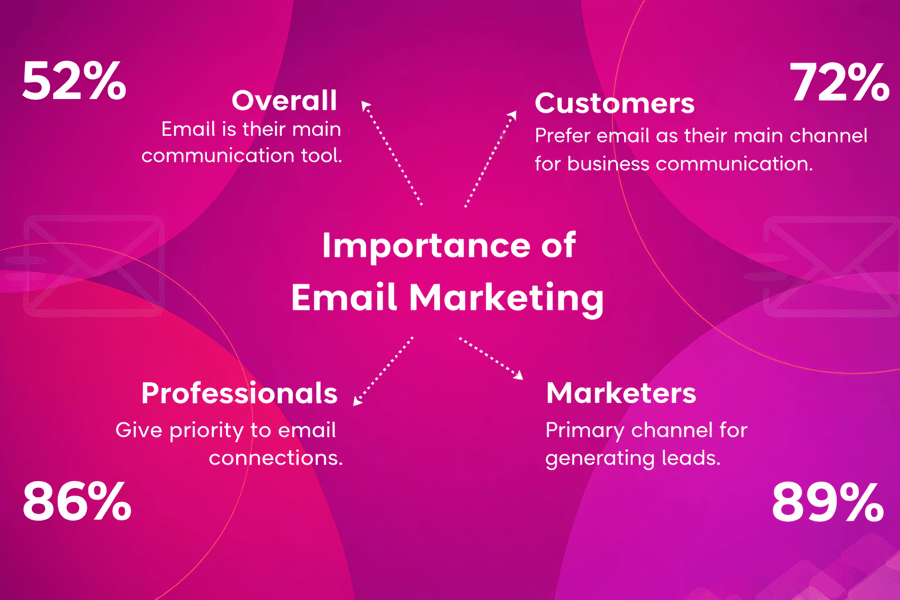
What an Email Marketing Agency Does
An email marketing agency plans, builds, and manages email programs that drive sales. It handles strategy, campaign calendars, audience segments, copy, design, testing, and reporting. A strong email marketing agency also connects email work to revenue, repeat orders, and customer lifetime value.
That work matters because email reaches people who already know the brand. Paid ads often rise in cost and fall in return over time. Email gives brands a channel they own, which supports steadier growth and stronger margins.
How agencies support the customer journey
A skilled email marketing agency does more than send promotions. It maps the customer journey and creates flows that match key moments. Welcome emails, cart recovery, post-purchase follow-ups, win-back campaigns, and VIP messages all serve different goals.
For online stores, an ecommerce email marketing agency often focuses on automation and retention. Those programs can recover lost carts, lift repeat purchase rates, and raise average order value. Small gains across these areas can produce meaningful revenue each month.
Many brands also need help with the technical side. An email marketing agency reviews list health, deliverability, domain setup, and platform data. That work helps more emails reach the inbox and gives teams cleaner reporting.
Why creative quality shapes results
Creative quality also shapes results. Strong subject lines earn opens, while clear offers drive clicks. Good design keeps messages easy to scan on mobile, where many customers read first.
- Strategy turns email from a batch task into a revenue channel.
- Automation keeps key messages running without daily manual work.
- Testing shows which offers, timing, and layouts lift response.
- Reporting ties campaign performance to orders, not just opens.
Compared with some email marketing companies, the best partners connect execution to business goals. They look at retention, not just send volume. In a full-service email marketing model, one team can manage planning, production, platform work, and ongoing analysis.
The value becomes clear when email stops acting like a simple newsletter tool. A capable email marketing agency builds a system that sells, retains, and learns over time. That makes email one of the most dependable channels for growth.
When to Hire an Ecommerce Email Marketing Agency
Timing matters when email starts to drive serious revenue. A growing store often reaches a point where basic campaigns no longer keep pace with demand. At that stage, an email marketing agency can bring structure, speed, and sharper execution.
One clear sign appears when your team sends promotions but skips lifecycle flows. Welcome emails, cart recovery, post-purchase messages, and win-back series need steady attention. An ecommerce email marketing agency usually steps in when those missed automations start to cost sales.
Another signal shows up in the numbers. Revenue from email may stay flat even as traffic rises. A strong email marketing agency reviews list growth, click rates, conversion paths, and send timing to find where money leaks out.
Many brands also hire outside help when internal teams feel stretched. Designers, copywriters, and retention managers often juggle too many channels at once. An email marketing agency adds focused support without the cost and delay of building a full in-house team.
Common warning signs to watch for
- Email sends happen irregularly or too close to deadlines.
- Flows exist, but they have not been updated in months.
- Segmentation stays basic, so it reaches the wrong shoppers.
- Reporting shows opens and clicks, but not revenue by campaign.
Complexity tends to rise fast in online retail. Product launches, seasonal peaks, and larger catalogs create more segments and more testing needs. That is when brands often compare an email marketing agency with other email marketing companies that promise broader channel support.
Some businesses need more than campaign production alone. They want strategy, creative, testing, reporting, and platform management in one place. In that case, full-service email marketing becomes a better fit than hiring freelancers for separate tasks.
The best time to hire is usually before email performance slips too far. Early support helps a brand build stronger flows, cleaner data, and steadier revenue habits. That foundation matters most when the business wants predictable growth from ecommerce email marketing.
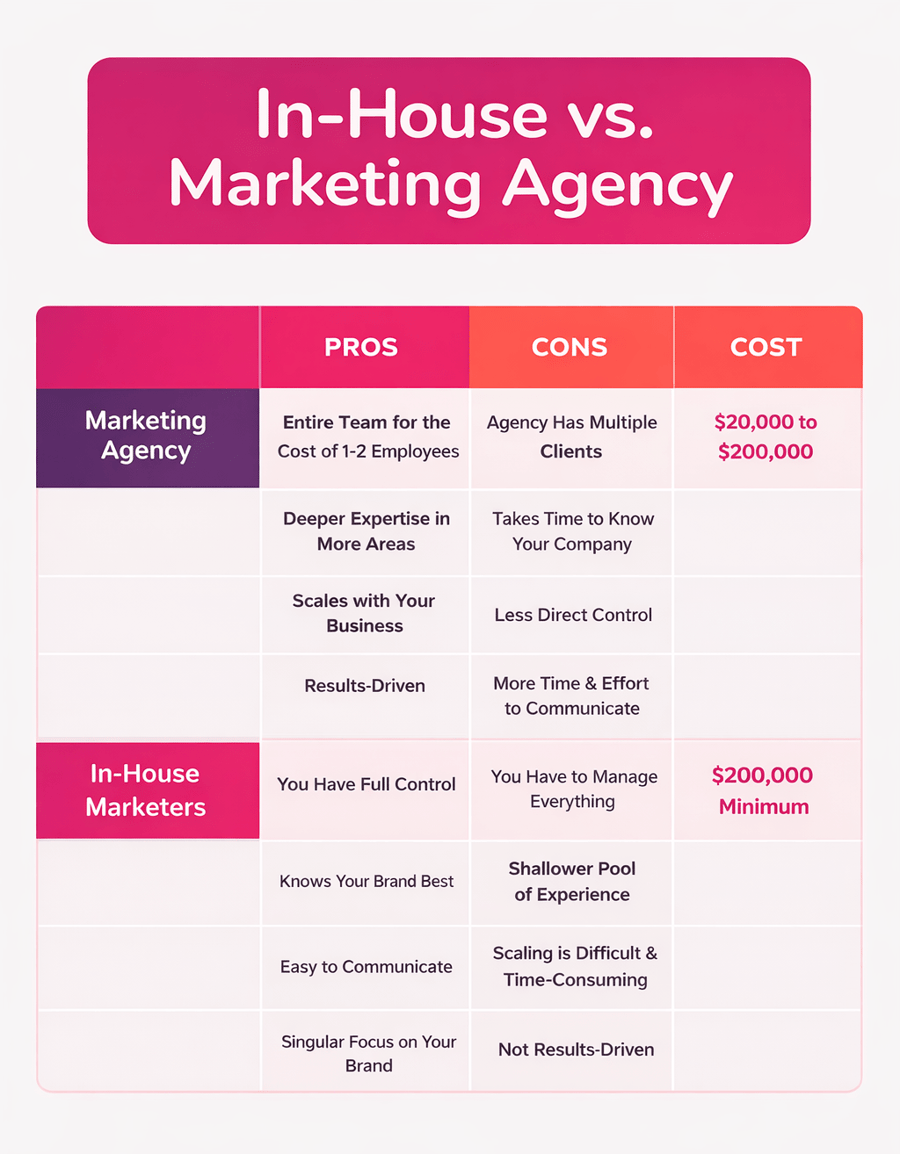
How E-Mail Marketing Companies Compare to In-House Teams
Email marketing companies and internal teams solve the same problem in different ways. An in-house group offers close brand knowledge and fast access to product, sales, and support teams. A strong email marketing agency brings wider channel experience, tested systems, and a sharper view of benchmark results.
How speed affects the decision
Speed often shapes the decision. Internal teams usually balance email with paid media, content, and site work. An email marketing agency focuses on campaign planning, testing, design, and reporting without those competing demands.
Specialist depth also changes the output. Many brands need strategy, copy, design, segmentation, deliverability support, and lifecycle planning at once. A seasoned email marketing agency can cover those skills with a full team, while one hire rarely spans every area well.
Cost looks different from what many leaders expect. Salaries, benefits, software, training, and turnover can make an internal build expensive. An email marketing agency often gives access to senior talent for less than the cost of several full-time hires.
Key differences in working style and scale
- In-house teams usually know the product and customer voice better.
- Email marketing companies often bring stronger testing discipline and channel expertise.
- An internal model gives direct control over priorities and approvals.
- A partner model can scale faster during launches, peaks, and promotions.
For ecommerce brands, execution volume matters. A growing store may need campaigns, flows, list hygiene, and weekly analysis at the same time. That is where an ecommerce email marketing agency can outperform a lean internal team.
The best choice depends on stage, budget, and complexity. Some brands keep strategy in-house and hire a partner for production and testing. Others choose full-service email marketing when email already drives a large share of revenue and retention.
A useful comparison starts with capacity, not preference. Teams that miss sends, delay tests, or skip analysis usually need more support. That support may come from hiring internally or from an email marketing agency with proven systems for campaigns, flows, and types of automated emails.
What to Expect From Full-Service Email Marketing
Full-service email marketing means more than writing campaigns and pressing send. A strong email marketing agency manages strategy, design, copy, testing, reporting, and list health as one connected system. That system matters because email results rarely come from one campaign alone.
A capable email marketing agency starts with revenue drivers, not templates. The team looks at customer behavior, average order value, repeat purchase rate, and product margins. From there, they shape flows and campaigns that match how people actually shop.
For many brands, the biggest gains come from automated programs. Welcome series, cart recovery, browse abandonment, post-purchase messages, win-back emails, and review requests often produce steady returns. An email marketing agency should build those journeys, test them often, and keep them aligned with seasonal demand.
Core areas, full-service teams usually manage
- Audience segmentation based on purchase history and engagement
- Campaign calendars tied to launches, promotions, and inventory needs
- Creative production for emails, landing pages, and sometimes SMS
- Testing plans that compare subject lines, offers, timing, and layouts
- Reporting that connects to orders, revenue, and retention
A strong ecommerce email marketing agency also handles the technical side well. That includes platform setup, data syncs, deliverability checks, and template QA. Clean data and stable tracking help a brand trust the numbers and make faster decisions.
Compared with some email marketing companies, a full-service partner usually works across the whole customer lifecycle. The work covers acquisition, conversion, and retention instead of isolated campaign support. That broader view often leads to better timing, stronger segmentation, and fewer missed sales opportunities.
Communication should feel clear and consistent. A reliable email marketing agency explains what changed, why it changed, and what the data suggests next. Brands looking for long-term growth often value that clarity as much as creative output when choosing the best email and sms marketing.
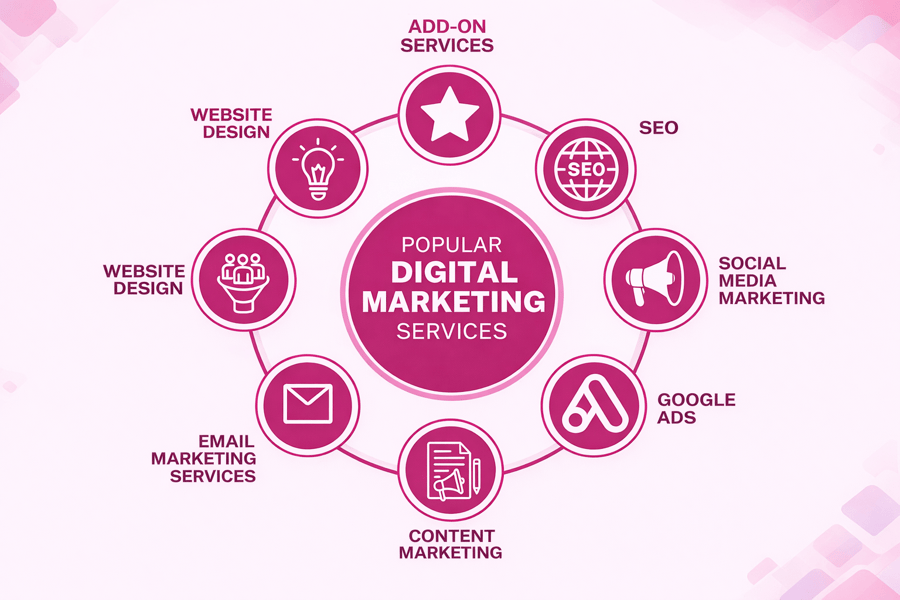
Core Services to Look for in an Email Marketing Agency
A strong email marketing agency should cover strategy, production, and reporting. That mix keeps campaigns aligned with revenue goals. It also prevents delays between planning, design, and launch.
Strategy matters first. A capable email marketing agency maps campaigns to the customer journey, not just the calendar. That includes welcome flows, cart recovery, post-purchase emails, win-back series, and seasonal sends. For many brands, an ecommerce email marketing agency also ties email plans to product launches and stock levels.
Creative execution is another core service. Good teams write clear copy, design mobile-friendly templates, and build messages that match the brand. They also test subject lines, offers, and layouts to find what drives more clicks and sales. Among email marketing companies, this creative depth often separates basic vendors from growth partners.
- Audience segmentation based on behavior, purchase history, and engagement
- Automated flows that run with little manual work after setup
- Campaign calendars tied to promotions, launches, and retention goals
- Testing and reporting that show revenue, click rate, and list health
Why technical skills deserve close attention
Technical skill deserves close attention. A reliable email marketing agency handles platform setup, data syncing, and deliverability checks. Those services help emails reach the inbox and keep reporting clean. Brands seeking full-service email marketing often need this support across email, SMS, and customer data tools.
Reporting should move past opens and clicks. The right email marketing agency tracks flow revenue, repeat purchase rate, unsubscribe trends, and list growth. Clear reporting shows which campaigns bring profit and which ones need work. That level of analysis helps leaders make faster budget decisions.
Retention support often creates the biggest long-term value. An experienced email marketing agency builds programs that keep buyers engaged after the first order. That work may include loyalty messaging, replenishment reminders, review requests, and VIP offers. The strongest teams connect all of these services through crm marketing automation.
Benefits of Working With an Email Marketing Agency for Revenue and Retention
An email marketing agency connects campaign work to sales goals. That link matters when revenue depends on repeat orders, timely offers, and strong list health. A skilled email marketing agency tracks what each message earns, not just opens and clicks.
Revenue grows faster when strategy and execution stay aligned. An agency can spot weak flows, slow send timing, and missed cross-sell moments. Those fixes often lift average order value and recover sales that would have slipped away.
Retention improves when customers receive messages that match their stage and behavior. The welcome series builds trust early. Post-purchase emails reduce drop-off after the first order. Win-back campaigns give inactive buyers a clear reason to return.
A strong ecommerce email marketing agency also protects margin. Better segmentation cuts discount waste. Smarter testing shows which offers drive profit instead of cheap one-time spikes. That helps brands grow without training customers to wait for constant promotions.
The main performance gains brands look for
- Lifecycle campaigns bring in repeat purchases with less paid media spend.
- Audience segments raise relevance and reduce unsubscribes.
- Automated flows keep revenue moving between major campaign dates.
- Reporting ties email performance to orders, revenue, and customer value.
Many email marketing companies send campaigns well enough. Fewer connect creative, data, and testing into one revenue system. That difference shows up in stronger conversion rates, healthier lists, and steadier monthly sales.
Brands also gain speed. A partner with full-service email marketing can move from idea to launch without long internal delays. That pace matters during product drops, seasonal pushes, and inventory shifts.
The best email marketing agency relationships create durable gains, not short bursts. Over time, better flows, sharper targeting, and cleaner reporting build a more predictable customer base. That same foundation supports broader retention work, including marketing automation for small businesses.
How to Evaluate Ecommerce Email Marketing Agency Experience and Results
Past work says more than a sales deck ever can. A strong email marketing agency should show results from brands with similar order values, product cycles, and list sizes. Industry fit matters because retention tactics for apparel differ from tactics for supplements or home goods.
Case studies deserve a close read. Look for revenue lift, repeat purchase gains, click rates, and list growth tied to a clear time frame. A credible email marketing agency also explains what changed, why it worked, and how long the gains lasted.
Why channel depth matters beyond headline results
Channel depth matters as much as headline numbers. An experienced ecommerce email marketing agency should show work across campaigns, flows, segmentation, testing, and deliverability. Teams that only send promotions often miss the larger profit from welcome, cart, browse, post-purchase, and win-back programs.
How platform skill affects execution quality
Platform skill can shape both speed and output quality. Ask which ESPs the agency knows well and how it handles data sync, event tracking, and reporting. If the team suggests a better-fit stack, a practical next step may be to review the platform and see why many brands Try Customer.io.
How stronger agencies define success
Results also depend on how the agency measures success. Some email marketing companies focus on opens and clicks, while stronger teams tie reporting to placed orders, average order value, and customer lifetime value. That difference reveals whether the agency thinks like a channel manager or a growth partner.
Why retention performance should show up in the data
Retention work should appear in the numbers. A reliable email marketing agency can explain how flows reduce time to second purchase, recover carts, and lift subscriber value over six to twelve months. Those patterns matter more than one strong holiday campaign.
Why team structure is another useful signal
Team structure offers another useful signal. Ask who writes, designs, builds, and reviews each send, and how often senior staff stay involved. The best full-service email marketing partners pair strong creative work with clean execution and fast reporting.
Key insight: Strong agencies connect strategy, execution, and revenue in one clear story.
References help confirm whether that story holds up in daily work. Former clients can often share how the email marketing agency handled deadlines, testing, list health, and changing goals after launch. For a deeper view of execution quality, it also helps to understand how to set up marketing automation.
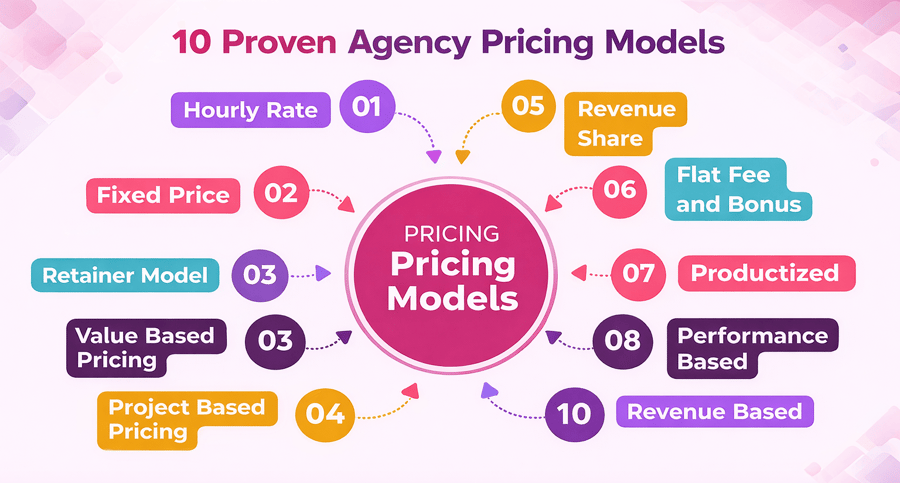
Pricing Models, Contracts, and ROI Across Email Marketing Companies
Pricing often shapes the agency’s decision as much as service quality. Most email marketing companies use one of three models: monthly retainers, project fees, or performance-based pricing. Each model fits a different growth stage, budget range, and level of channel maturity.
A retainer gives steady access to strategy, design, copy, and reporting. Project pricing works better for a migration, audit, or one-time campaign build. Performance deals can look attractive, but they need clear rules on attribution, revenue windows, and channel overlap.
The real cost difference often appears later in missed testing, slow execution, and weak segmentation. A strong Email Marketing Agency usually prices around the depth of work, not just the number of sends.
Contract terms matter as much as the monthly fee. Some agencies ask for three-month agreements, while others require six or twelve months. A longer term can make sense when the work includes platform setup, flow creation, and list cleanup before revenue starts to rise.
Scope also changes the price. A basic package may cover campaign calendars and standard reporting. Full-service email marketing usually includes strategy, copy, design, testing, segmentation, deliverability support, and lifecycle automation.
Common pricing structures by use case
- Retainers suit brands that need ongoing campaign and flow management.
- Project fees fit short-term work with a clear start and end.
- Performance pricing needs careful tracking and shared revenue definitions.
ROI should connect agency cost to profit, not just top-line sales. Revenue per recipient, repeat purchase rate, and flow revenue give a clearer view than open rates alone. An ecommerce email marketing agency should explain how email affects retention, average order value, and customer lifetime value.
Strong ROI often appears after the first round of cleanup and testing. Better list health can lower spam complaints and raise inbox placement. Well-built flows can keep earning for months, especially when teams review examples of marketing automation.
How to Choose the Best Full-Service Email Marketing Partner for Your Business
The right partner should match your goals, margins, and growth stage. A strong email marketing agency does more than send campaigns. It connects strategy, creative, data, and testing into one steady revenue system.
Why business fit matters before service lists
Start with business fit before service lists. Some brands need retention support and lifecycle planning. Others need a full-service email marketing team that can own design, copy, segmentation, and reporting. The best partner understands your sales cycle and the pressure points inside it.
Why channel depth matters more than broad claims
Channel depth matters more than broad claims. Many email marketing companies can build flows and newsletters. Fewer can explain why one welcome series lifts first-order conversion while another stalls. That difference often shows up in list growth, repeat purchase rate, and average order value.
How to assess the agency’s testing approach
Look closely at how the agency thinks about testing. A capable email marketing agency forms clear hypotheses and ties each test to revenue. It should explain what it measures, how long tests run, and what level of lift justifies a change.
What to review before making a final decision
- Case studies should show results over time, not one strong month.
- Reporting should connect campaign data to orders, profit, and retention.
- Team structure should show who owns strategy, execution, and review.
- Communication should feel clear, steady, and easy to trust.
Industry context also shapes the choice. An ecommerce email marketing agency usually understands promotions, product launches, and seasonal swings better than a general firm. That experience helps teams avoid discount habits that train customers to wait for sales.
Full service email marketing works best when ownership stays clear. Your team should know who approves calendars, who writes briefs, and who reviews results. A dependable email marketing agency brings structure without slowing decisions.
Price alone rarely points to the best option. Lower retainers can hide a weak strategy or thin account support. A stronger email marketing agency often earns its fee through better segmentation, smarter automations, and tighter campaign planning.
Ask final-stage questions that reveal day-to-day reality. Request sample reports, meeting cadence, and examples of feedback loops. The best choice is usually the partner that combines commercial judgment, channel skill, and platform fluency with ecommerce marketing automation software.
Conclusion
The right email marketing agency does more than send campaigns. It brings strategy, testing, reporting, and channel knowledge that support steady growth. Strong partners connect email work to revenue, repeat orders, and customer lifetime value.
Fit matters as much as skill. A capable email marketing agency understands your margins, buying cycle, and brand voice. That mix helps teams choose better offers, build stronger flows, and keep lists healthy over time.
Results often depend on scope and depth. Some brands need a focused ecommerce email marketing agency with deep platform experience. Others need full-service email marketing that covers strategy, design, copy, segmentation, and ongoing analysis in one relationship.
The best choice usually becomes clear when you compare a few core points:
- Relevant experience in your category and growth stage
- Clear reporting tied to sales, retention, and campaign impact
- A practical process for testing, approvals, and launch timing
- Pricing that matches scope, not vague promises
Many email marketing companies can produce emails. Fewer can explain why a program wins, where revenue comes from, and what should change next. A reliable email marketing agency gives you that clarity and helps your team make faster, better decisions.
If your current email program feels inconsistent, slow, or hard to measure, the next step is simple. Shortlist a few partners, review recent results, and ask how each email marketing agency would approach your goals. For brands that want email to connect with broader retention workflows, this ecommerce automation system offers a useful next read.
Frequently Asked Questions
What does an email marketing agency do?
An email marketing agency plans, creates, sends, and improves email campaigns for businesses. Services often include strategy, list segmentation, copywriting, design, automation, testing, and reporting. Many agencies also manage welcome flows, promotions, and retention campaigns as part of a full-service email marketing program.
How to start an email marketing agency?
To start an email marketing agency, choose a niche, define your services, and build a clear process for strategy, campaign setup, and reporting. Learn key platforms, create sample work, and develop case studies. Start with a few clients, focus on measurable results, and refine your offer based on performance.
How much do email marketing agencies charge?
Pricing varies based on scope, industry, and campaign complexity. Many email marketing companies charge monthly retainers, project fees, or performance-based pricing. Smaller businesses may pay a few hundred to a few thousand dollars per month, while larger brands often invest more for automation, testing, and advanced segmentation.
How can the best email marketing agency drive ecommerce sales?
The best agency increases ecommerce revenue by improving customer journeys and sending timely, relevant messages. An ecommerce email marketing agency may build abandoned cart flows, welcome series, product recommendations, and win-back campaigns. Strong testing, segmentation, and lifecycle automation help raise conversions, repeat purchases, and average order value.
How do email marketing agency case studies show ROI?
Case studies show return on investment by linking campaign activity to business results. A strong email marketing agency case study usually includes goals, strategy, metrics, and outcomes such as revenue growth, open rates, click-through rates, and customer retention. This helps businesses understand what worked and what value the agency delivered.
How much do agencies charge for email marketing?
Agencies charge for email marketing based on deliverables, list size, and service level. Basic campaign management costs less than a full-service email marketing package with automation, design, copy, and analytics. Some agencies charge per campaign, while others offer monthly retainers for ongoing strategy, testing, and optimization.