
Ecommerce marketing automation software: features and how to choose
 Emily Carter
·
· 18 min read
Emily Carter
·
· 18 min read
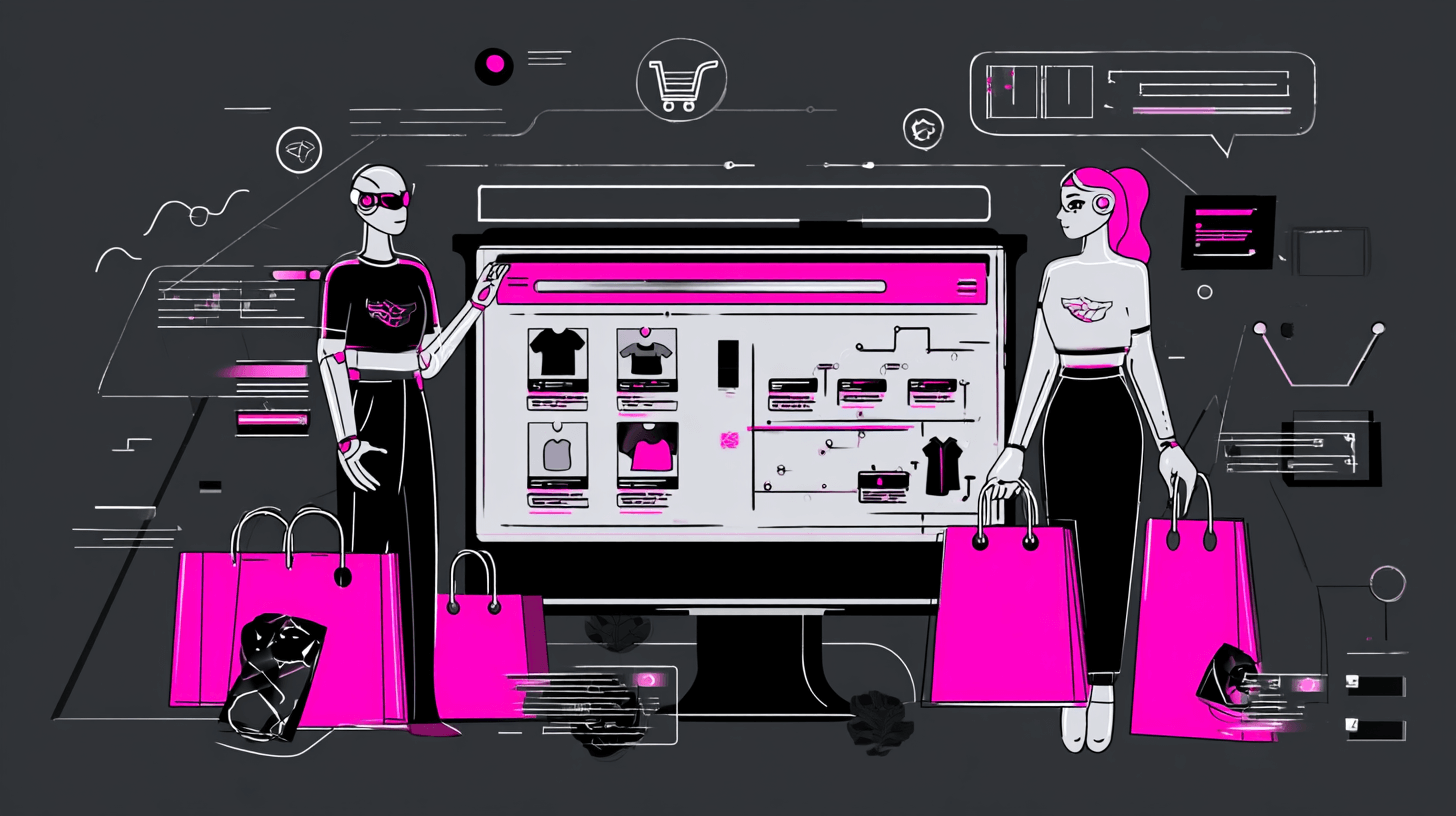
Ecommerce moves fast. New products launch every day, ads shift by the hour, and shoppers want quick answers. When you run your store by hand, you waste time and miss sales. That is where ecommerce marketing automation software helps. You set up key tasks once, and then the system runs them for you. As a result, you scale smarter and sell more without adding stress to your team.
Automation helps you reach people at the right moment. For example, you can welcome new subscribers, remind shoppers about items left in a cart, and follow up after a purchase. You can also tag and group customers based on what they view, buy, or click. Then you can tailor email, SMS, and on-site messages to match their needs. Because the messages feel more personal, shoppers stay engaged and often buy sooner.
The best setups connect your store data with an ecommerce marketing platform. That way, your campaigns pull in real actions, not guesses. You can trigger messages from events like “first purchase,” “high spend,” “viewed product three times,” or “no order in 60 days.” In addition, you can run A/B tests on subject lines, offers, and send times. Over time, these small improvements add up to steady gains.
Many brands start with a few ecommerce marketing tools, but they struggle when they add more channels. With ecommerce marketing automation software, you keep your timing, rules, and reporting in one place. You can also plan posts and guides with content marketing automation for ecommerce so your promos and content support each other.
In this guide, you will learn what examples of marketing automation is, how it works, and what to look for in a tool. You will also see practical ways to use marketing automation to grow revenue, improve retention, and save hours each week. Whether you are a solo founder or a growing brand, the goal stays the same: build systems that sell while you focus on strategy.
What is ecommerce marketing automation software?
Ecommerce marketing automation software helps you run key marketing tasks with less manual work. In simple terms, it sends the right message to the right shopper at the right time, based on what they do in your store. Instead of building every email, text, or ad step by step, you set rules and workflows once. Then the system keeps working in the background, even when your team is offline.
Most tools focus on a few core functions. First, they collect and organize customer data, such as purchases, browsing, search history, and email clicks. Next, they use that data to trigger actions, like a welcome email after signup, a price-drop alert, or a reminder when someone leaves items in the cart. Many systems also support customer groups, product recommendations, and clear reports, so you can see what drives sales and what needs a change.
Think of it as an always-on ecommerce marketing platform that connects your store data to your campaigns. Because it reacts to real behavior, it helps you send fewer “one-size-fits-all” blasts. Instead, you can guide shoppers through a simple journey: discover, consider, buy, and buy again.
Automation supports online store growth because it helps you scale without hiring a bigger team right away. For example, you can nurture new subscribers, bring back past buyers, and win back cart abandoners every day. As a result, you increase revenue while keeping your marketing consistent. You also cut down on mistakes, since the same process runs each time.
Finally, the best ecommerce marketing tools also cover content marketing automation for ecommerce. For instance, you can schedule product education emails, send how-to tips after a purchase, and share review requests at the right moment. This way, you build trust while you sell more.
To extend these workflows across the full customer lifecycle, explore our guide to b2c marketing automation for scaling engagement at every touchpoint.
Key features of an ecommerce marketing platform
Email and SMS automation
Email and SMS automation help you reach shoppers at the right time with less manual work. In a strong ecommerce marketing platform, you can set up messages once and let them run every day. For example, send a welcome message right after someone signs up. Then follow up when a shopper views a product, adds it to the cart, or buys for the first time. As a result, you stay top of mind and drive more repeat sales.
To keep results strong, write short, clear, and helpful messages. Also, set send limits so you do not text too often. When you use ecommerce marketing automation software well, you build trust while you boost revenue.
Customer segmentation and personalization
Segmentation groups customers by what they do and what they buy. Then you can match each message to the right group. For instance, create a group for first-time buyers, VIP customers, or shoppers who only buy during sales. You can also segment by product type, location, or average order value. This makes your ecommerce marketing tools more effective because you stop sending the same message to everyone.
Personalization goes beyond using a first name. Recommend items based on past orders, highlight products from a category they browse often, and send offers that fit their typical spend. Because the content fits the shopper, your marketing feels useful, not pushy.
Behavioral triggers and workflows
Behavioral triggers start messages when a shopper takes an action. Workflows connect those messages into a simple series. For example, an abandoned cart workflow can send a reminder, then share key benefits, and then offer help or a small incentive. Likewise, a post-purchase workflow can share care tips, ask for a review, and suggest add-ons.
These flows also support content marketing automation for ecommerce. You can send a how-to guide after a purchase, a sizing video after a product view, or a seasonal gift list to past buyers. This way, you sell more while you keep the customer experience smooth.
Analytics and reporting
Analytics and reporting show what works so you can improve fast. Track opens, clicks, revenue, and orders tied to each campaign. Also review list growth, unsubscribe rate, and deliverability so you protect your sender reputation. Most importantly, watch which segments and workflows drive the most profit.
Next, test one change at a time, such as subject lines, send times, or offers. Then use the data to scale what wins. When your ecommerce marketing automation software connects reporting to each workflow, you can spot quick wins and fix weak steps before they cost sales.
If you’re ready to turn those insights into action, follow our step-by-step guide on how to set up marketing automation across your key workflows.
Connect Shopify, draw your floor, pick an order - free plan, 7-day full trial, no credit card, no sales call.
Essential ecommerce marketing tools for growth
To grow an online store, you need business automation tools and help you sell more. The right stack helps you reach shoppers at the right moment, follow up fast, and learn what works. Start small, measure results, and then expand as your store and team grow. Many brands choose ecommerce marketing automation software because it keeps campaigns running even when you are busy.
Campaign Ecommerce Automation Tools help you send the right message without repeating the same work every day. For example, you can set up welcome emails, browse reminders, cart recovery, and post-purchase follow-ups. You can also trigger messages when someone views a product, buys again, or goes quiet for a set number of days. As a result, you stay helpful and consistent while keeping your workload low. If you publish guides and product education, our how to set up marketing automation guide can also help you schedule content and send it to the right segment.
Retargeting and ad integrations help you bring shoppers back after they leave. When your ads connect to your product feed and customer data, you can show items people viewed, promote best sellers, or highlight new arrivals. In addition, you can cap ad frequency and exclude recent buyers, so you avoid wasted spend. This approach works even better when your ecommerce marketing platform shares audiences across email, SMS, and paid ads.
CRM and data sync keep your customer info clean and usable. When your store, email tool, and CRM share the same data, you can segment by purchase history, average order value, location, and product interest. Then you can tailor offers, product picks, and support messages. Therefore, your team sees the full customer story and can act faster.
A/B testing and performance tracking help you make smart decisions. Test one change at a time, like subject lines, offer types, landing pages, or checkout steps. Then track key metrics such as revenue per email, conversion rate, and repeat purchase rate. Over time, these small wins add up. To keep testing simple, pick a short list of ecommerce marketing tools that report results in one place and connect to your store data.
Content marketing automation for ecommerce
Content marketing automation for ecommerce helps you publish, promote, and sell with less manual work. Instead of repeating the same tasks every day, you set simple rules once. Then your system sends the right message at the right time. As a result, you stay consistent, even with a small team. When you pair this with ecommerce marketing automation software, you can track what works and scale it fast across email, site, and social.
A strong ecommerce marketing platform also keeps your data in one place. That way, your content and offers match each shopper’s actions. You spend less time guessing and more time improving what you already publish. In addition, many ecommerce marketing tools let you test subject lines, product blocks, and send times, so you keep learning while campaigns run.
Automated email sequences
Use automated email sequences to guide shoppers from first visit to first order. For example, send a welcome series, a browse follow-up, and a post-purchase series. Keep each email focused on one goal, such as “view the product,” “finish checkout,” or “buy again.” Also, add clear subject lines and one main call to action. This approach lifts clicks and cuts unsubscribes.
To improve results, match each step to intent. First, teach new visitors what makes your store different. Next, answer common questions that block checkout, like shipping times or returns. Finally, reward repeat buyers with tips, bundles, or early access.
Product recommendation engines
Product recommendation engines show items that match each shopper’s interests. They can suggest “best sellers,” “often bought together,” or “new arrivals” based on real behavior. Because the shopper sees relevant products, they spend less time searching and more time buying. In addition, you can place recommendations in emails, on product pages, and in the cart.
For best impact, keep recommendations simple and focused. Show 3–6 items, use clear labels, and refresh suggestions as behavior changes.
Blog and content distribution workflows
Blog and content distribution workflows help you reuse one piece of content many ways. After you publish a post, automation can share it on social, add it to a newsletter, and schedule follow-up posts. You can also tag content by topic, so you promote the right article to the right audience.
Also, turn one post into a short email, a product page snippet, and a FAQ update. This saves time and keeps your message consistent across channels.
Personalization based on browsing and purchase behavior
Personalization based on browsing and purchase behavior makes every message feel timely. If someone views a category, show guides and products from that category. If they buy once, send care tips, refill reminders, and related items. Over time, this builds trust and raises repeat sales.
Set clear triggers, like “viewed twice,” “added to cart,” or “bought in the last 30 days.” Then use ecommerce marketing automation software to send helpful content, not noise. When you stay relevant, shoppers return more often and spend more per order.
To choose the right platform, review the features of marketing automation software that support smart triggers, segmentation, and ecommerce-specific integrations.
Benefits of using ecommerce marketing automation software
When you use ecommerce marketing automation software, you can scale revenue without adding busywork. You set up key messages once, and the system sends them at the best moment. As a result, shoppers get helpful content that matches what they want, and they buy more often. This also creates a smoother experience across email, SMS, and on-site messages, so your brand stays consistent.
Many teams pair automation with an ecommerce marketing platform to manage campaigns, audiences, and reporting in one place. That makes it easier to move fast, stay organized, and keep every channel aligned.
Higher conversion rates
Automation lifts your conversion rate by reacting to shopper actions in real time. For example, you can send a welcome series after signup, a browse reminder after a product view, or a cart recovery message when someone leaves items behind. Because these messages match intent, they turn more visits into sales. You can also add product suggestions based on past views, which helps shoppers find the right item sooner.
Improved customer retention
It also improves customer retention by keeping customers engaged after the first order. You can set up post-purchase tips, replenishment reminders, and win-back flows. In addition, you can reward repeat buyers with loyalty offers and early access. This steady contact builds trust and increases lifetime value. Better yet, content marketing automation for ecommerce lets you share guides, care tips, and how-to content based on what each customer bought.
Time savings and reduced manual work
ecommerce automation saves time by handling repeat tasks for you. Instead of building every email by hand, you create a flow once and let it run. You can also auto-tag contacts, update segments, and route leads based on behavior. That means your team spends more time on strategy and creative work. With the right ecommerce marketing tools, you can reuse templates, standardize approvals, and keep brand voice consistent.
Better ROI tracking
Finally, ROI tracking becomes easier. Most tools connect sales, campaigns, and customer actions in one view. Therefore, you can see which messages drive revenue, which channels waste budget, and where to improve. You can track key metrics like revenue per recipient, repeat purchase rate, and time to second order. With clearer data, you can test faster, cut what fails, and scale what works.
To turn these insights into higher conversions, explore proven ecommerce email marketing strategies that boost engagement and drive repeat purchases.
How to choose the right ecommerce marketing automation software
Choosing the right ecommerce marketing automation software starts with clear goals. First, decide what you want to improve. Do you want more repeat orders, a higher average order value, faster lead follow-up, or fewer abandoned carts? Next, list the customer actions you want to automate. Common wins include welcome emails, post-purchase follow-ups, win-back campaigns, and product suggestions. When you set goals first, you can track results and avoid paying for features you will not use.
Then, check integrations and growth fit. Your ecommerce marketing platform should connect with your store, email service, SMS provider, ad accounts, and analytics. Also, confirm it supports your stack of ecommerce marketing tools without extra work. For example, you should be able to sync products, tags, and customer data in real time. As a result, you can trigger messages based on browsing, cart value, or order history. If you plan to sell on more channels later, choose software that can support that plan now.
After that, focus on ease of use and support. A simple dashboard, a clear workflow builder, and easy reports help your team move faster. In addition, look for templates for key flows like cart recovery and post-purchase. If you want content marketing automation for ecommerce, make sure you can reuse content blocks, test subject lines, and schedule campaigns without a long setup.
Finally, evaluate pricing and long-term value. Compare monthly costs, contact limits, sending limits, and add-on fees. Also, estimate your cost as your list grows and your order volume rises. Choose a plan that fits today, but still lets you scale without painful upgrades. If possible, run a short trial and measure lift in revenue per recipient, recovery rate, and repeat purchase rate.
To extend those gains across email, SMS, and ads, see how an omnichannel marketing platform unifies campaigns and customer data.
Best practices for implementation
Start with high-impact workflows. First, choose 2–3 automations that either drive sales or save your team time. For most stores, that means a welcome series, abandoned cart reminders, and post-purchase follow-ups. These flows reach shoppers at key moments, so you can see results fast. Next, set one clear goal per workflow, such as more first orders, higher repeat buys, or fewer support tickets. When you use ecommerce marketing automation software with clear goals, you can measure wins and fix gaps quickly.
Clean and segment your data. Strong automation needs clean inputs. Remove duplicate contacts, fix missing fields, and create a simple naming system for tags and lists. Then build segments that match real shopping behavior. For example, group customers by first-time vs. repeat, product interest, average order value, and last purchase date. Also, track key events like product views, add to cart, checkout start, and purchase. If your store uses an ecommerce marketing platform, connect it to your store data so segments update in real time. As a result, your messages feel personal instead of random.
Build a repeatable content plan. Automation works best when you reuse strong copy and offers across flows. Create a small library of product benefits, FAQs, reviews, and brand lines. Then map each piece to a step in the customer journey. This approach supports content marketing automation for ecommerce because you can publish and reuse content without starting from zero every time.
Test and optimize regularly. Run A/B tests to improve one item at a time, such as subject lines, send times, offers, or product blocks. Keep tests focused and let them run long enough to collect solid data. Then choose a winner, apply it, and test the next idea. Also, protect deliverability. If open rates drop, clean your list and reduce sends to inactive contacts. Many ecommerce marketing tools can flag risky segments, so you can act before problems grow.
Align automation with your overall ecommerce strategy. Make sure each workflow matches your pricing, promos, and brand voice. Coordinate with your ad calendar, inventory levels, and support policies. Finally, review results every month so you can scale what works, pause what doesn’t, and keep improving.
To tighten coordination across teams, our guide to crm marketing automation shows how aligning sales and marketing accelerates growth and follow-through.
Conclusion
Ecommerce marketing automation software helps you grow without adding more manual work. It sends the right message at the right time, so you can sell more and stay consistent. As a result, you spend less time on repeat tasks and more time on planning, testing, and creative work.
To get the best results, start with clear goals. For example, you may want more first-time sales, higher repeat orders, or fewer abandoned carts. Then choose a few high-impact flows and build those first. Welcome emails, cart recovery, post-purchase follow-ups, and win-back campaigns often bring quick wins. After that, improve each flow with simple tests. Change one thing at a time, such as the subject line, offer, call to action, or send time. Then track the result and keep what works.
Next, keep your data clean and easy to use. Strong tags, accurate product info, and clear customer segments make your messages feel personal. This is where a solid ecommerce marketing platform can help, because it keeps profiles, purchase history, and behavior in one place. Also, connect your automation to your store, email, SMS, and ads so every channel supports the same goal. When your ecommerce marketing tools share data, you avoid mixed messages and wasted spend.
Also, plan your content. With content marketing automation for ecommerce, you can reuse guides, product tips, and UGC in email and SMS. For instance, you can trigger helpful content after a purchase, or send a how-to series based on what a shopper viewed.
Finally, review performance on a set schedule. Look at revenue, conversion rate, unsubscribe rate, and customer lifetime value. If a flow slows down, refresh the copy, update the offer, or adjust the timing. With steady improvements, ecommerce marketing automation software becomes a reliable growth engine that scales with your store. With the right ecommerce automation system in place, you can connect marketing, sales, and operations into one streamlined workflow that supports sustainable, long-term growth.
 Google AI
  OpenAI ChatGPT
 Frequently Asked Questions
What is ecommerce marketing automation software?
Ecommerce marketing automation software is a tool that helps online stores automate emails, SMS, ads, and customer journeys. It sends personalized messages based on user behavior, purchase history, and preferences. As a result, businesses can increase sales while reducing manual marketing work.
How does ecommerce marketing automation software increase sales?
It improves timing and relevance. For example, it can send abandoned cart reminders, personalized product recommendations, and post-purchase follow-ups automatically. When customers receive the right message at the right moment, conversion rates and repeat purchases increase.
What features should I look for in an ecommerce marketing platform?
Look for features such as customer segmentation, automated workflows, email and SMS campaigns, A/B testing, analytics, and integrations with your ecommerce store. Strong ecommerce marketing tools should also provide real-time reporting and easy-to-use automation builders.
How is ecommerce marketing automation different from regular email marketing?
Traditional email marketing often relies on manual campaigns and broad lists. In contrast, ecommerce marketing automation software triggers messages automatically based on behavior, such as browsing, cart activity, or past purchases. This makes campaigns more personalized and scalable.
Can small ecommerce businesses use marketing automation?
Yes. Many ecommerce marketing platforms offer scalable pricing and beginner-friendly templates. Even small stores can automate welcome emails, cart recovery, and win-back campaigns to save time and grow revenue.
How does content marketing automation for ecommerce work?
Content marketing automation for ecommerce uses triggers to deliver helpful guides, product tips, reviews, or tutorials at specific points in the customer journey. For example, after a purchase, customers might receive a how-to guide or product care instructions automatically. This builds trust and encourages repeat sales.
I am an eCommerce expert with a strong focus on marketplaces like Amazon, eBay, and Etsy. Over the past decade, I have helped both startups and $1M+ revenue brands scale their sales through listing optimization, marketplace SEO, and AI-driven strategies. I also share articles and insights about eCommerce growth, marketplace operations, and multichannel selling.
You may also like
How to choose an ecommerce marketplace service provider for scalable growth
Learn how an ecommerce marketplace service provider helps businesses launch, manage, and scale a profitable ecommerce marketplace. Platform choices, vendor operations, software tools, management services, costs, and practical selection tips.
Ecommerce software solutions: features, costs and how to choose
Learn how to evaluate ecommerce software solutions for online stores, marketplaces, and retail teams. Essential features, vendor comparisons, implementation tips, and practical ways to choose software that supports growth, operations, and customer experience.
Multi-carrier shipping software: features and how to compare options
How multi carrier shipping software compares rates, prints labels, tracks orders and handles returns, and which features to check before you choose one for your store.