Not long ago, a robot in a warehouse was a story. A single machine picking cartons made the news. Today, that same machine is just another piece of equipment. The shift happened faster than most people expected, and it is not slowing down. Robotics warehouse news today covers more than product launches and funding rounds. It tracks a real change in how warehouses run. Pick rates are rising. Labor schedules are getting steadier. Storage density is improving. These results are showing up in daily operations, not just trade show demos.
For warehouse leaders, the challenge is knowing what to pay attention to. Not every headline signals a real shift. Some announcements reflect marketing more than operating results. But the trends that matter, better fleet software, stronger picking accuracy, faster deployment cycles, are real, and they are changing what buyers expect.
Warehouse robotics updates today also show where the hard problems still live. Integration takes longer than expected. Legacy buildings create constraints. Labor adoption moves at its own pace. Knowing both sides of the story helps leaders make better timing decisions and avoid expensive mistakes.
The strongest signal in robotics warehouse news today is not about single machines. It is about connected systems that raise output, steady labor coverage, and support growth without adding equal labor cost.
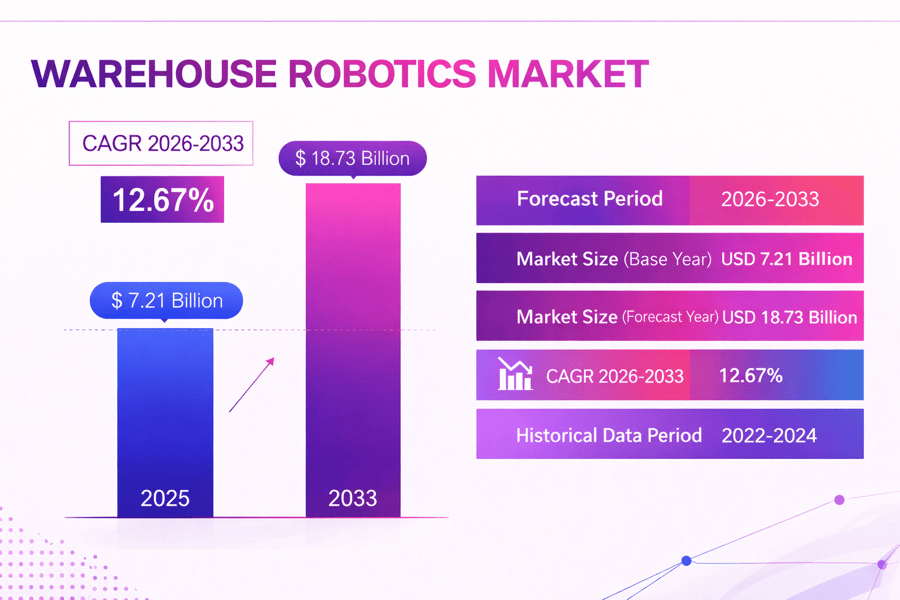
Top Robotics Warehouse News Today: Shaping the Industry
Robotics warehouse news today points to one clear shift: automation has moved from pilot projects into core operations. Large retailers, third-party logistics firms, and mid-size distributors now place robots closer to receiving, storage, picking, and packing. Leaders judge these systems by throughput, uptime, and labor stability. Novelty stopped being the point a few years ago.
Scale is the real story
The strongest stories in recent robotics warehouse news today center on scale. Companies are expanding fleets of autonomous mobile robots, goods-to-person systems, and robotic picking arms across multiple sites at once. Multi-site rollouts signal a mature market. Buyers expect repeatable results and faster payback, not one-off success stories.
Warehouse robotics updates today also show better system coordination. Robots now connect more tightly with warehouse management systems and order software. That link helps teams route work in real time, reduce idle travel, and keep inventory moves visible across every shift.
Key themes in current coverage
- Autonomous mobile robots continue to lead new deployments because they fit existing buildings without major construction.
- Robotic picking has gained ground as vision systems handle a wider range of item types and packaging formats.
- Automated storage and retrieval systems remain strong where space costs run high and throughput demands are consistent.
- Software orchestration has become a bigger buying factor than hardware specs alone.
Labor pressure and cost discipline
Labor pressure remains a major theme in robotics news warehouse coverage. Many operators face high turnover, seasonal spikes, and training gaps that slow output. Robotics absorbs repetitive travel and lifting, which lets staff focus on exception handling and higher-skill work instead.
Cost discipline shapes much of the conversation as well. Buyers want proof that systems cut pick time, raise storage density, or reduce damage claims. Vendors now respond with clearer performance data, subscription pricing, and phased deployment models that lower the upfront risk of getting started.
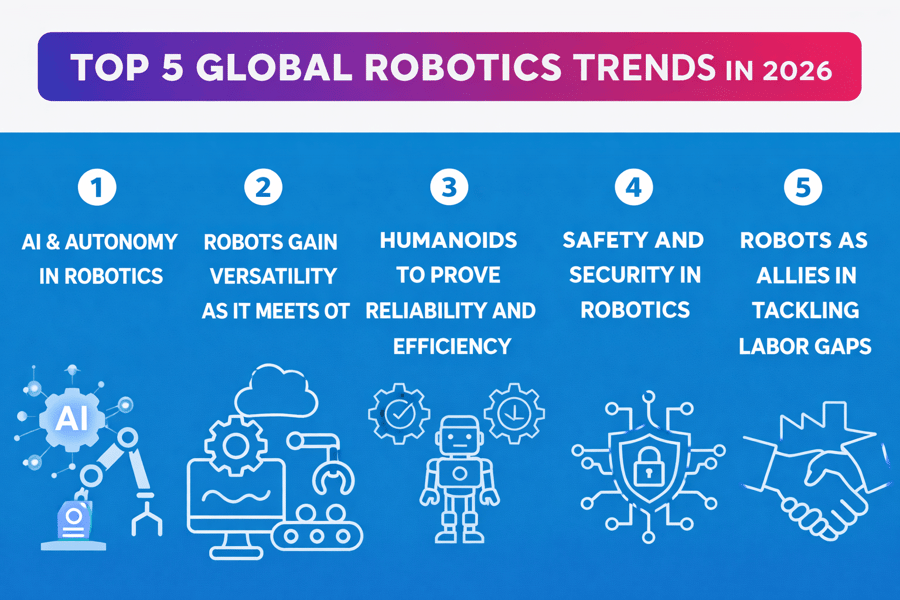
Robotics News Warehouse Trends Driving Automation Investment
Capital now flows toward warehouse robotics with clearer return models. Boards want proof that robots can support growth during peak demand. That shift favors systems tied to measurable output rather than broad promises about future capability.
Phased adoption is replacing big bang rollouts
One of the strongest trends in robotics news warehouse coverage is phased adoption. Companies no longer treat automation as one large capital event. They start with mobile robots or goods-to-person stations and then expand after results appear. This lowers risk and gives finance teams better control over spending across the year.
Subscription pricing makes entry costs easier to manage. Faster deployment shortens the time between purchase and measurable results. Better software links connect robots with WMS and order systems from day one rather than months into the project.
Technology maturity is accelerating
Vision systems now handle mixed inventory with fewer errors than they did two years ago. Fleet software routes traffic with more precision across busy aisles. Battery life and charging logic have both improved, which keeps robots productive for more of each shift rather than sitting idle at charging stations.
A key signal in robotics warehouse news today is the move from pilot projects to network rollouts. Multi-site operators want common standards, shared data, and repeatable deployment plans. They invest when one site proves gains in picks per hour, order accuracy, or dock speed. That pattern turns isolated wins into a broader case for automated fulfillment across the full network.
Warehouse Robotics Updates Today: New Technologies and Capabilities
Warehouse robotics updates today show faster, smarter machines entering daily operations. Vision systems now read damaged labels, mixed packaging, and irregular case shapes with better accuracy. That shift matters because many warehouses still handle goods that do not arrive in clean, uniform formats.
Smarter sensing and decision making
More systems now combine cameras, sensors, and AI-based decision models. Robots can adjust grip strength, route paths, and pick angles in real time based on what they see. In robotics warehouse news today, these gains often separate pilot projects from tools that can support live throughput at scale.
Robotics news warehouse coverage also highlights progress in mobile robot coordination. New fleet software reduces traffic jams at busy intersections and charging zones. Some platforms now predict congestion before it starts, which helps keep travel time stable during peak shifts without manual rerouting.
Piece picking is finally catching up
Piece-picking has moved forward significantly. Robotic arms now handle polybags, small cartons, and soft goods with fewer misses. Better end-of-arm tools and faster image processing help raise pick rates without adding fixed conveyor space. For sites that handle high-mix, low-volume orders, this is one of the most important developments in recent warehouse robotics updates today.
Other notable capability gains across the category include:
- Goods-to-person systems now store more SKUs in the same footprint through tighter vertical use of space.
- Autonomous mobile robots carry heavier loads across longer distances with more reliable navigation.
- Robotic sortation handles parcel mix changes with less manual rework between batches.
Robotics warehouse news today: Flexibility and safety improvements
A major theme in robotics warehouse news today is system flexibility. Vendors are building modular cells that scale by zone, task, or season. That approach gives operators room to add capacity without redesigning the full building every time demand grows.
Safety technology has improved alongside everything else. Robots detect people, pallets, and loose items with finer spatial awareness. Many platforms also log near-miss events, which gives managers better data for layout changes and team training. Tighter software connections mean robots now share status data with warehouse management, labor planning, and order release tools. For many firms, the next advantage comes from linking each machine to an automated warehouse control system.
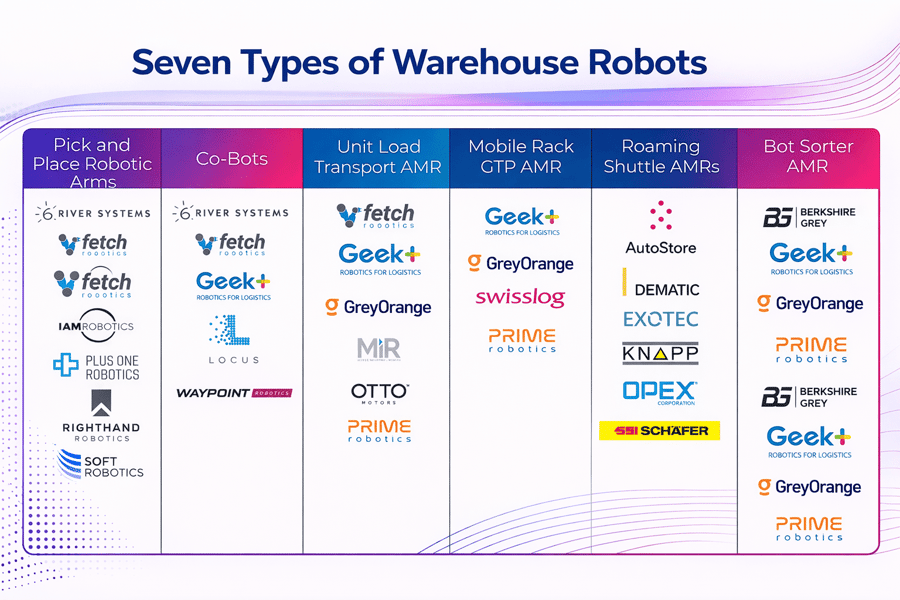
How Robotics Warehouse News Today Affects Fulfillment, Labor, and Costs
Robotics warehouse news today often points to one clear shift in operations: faster order flow. Mobile robots cut travel time between picks. Goods-to-person systems bring items to workers in seconds. That change helps warehouses ship more orders within the same labor window without adding headcount at the same rate.
Speed during demand spikes
Speed matters most when order volume jumps. Robotic systems hold a steadier pace than manual teams alone under surge conditions. Many reports in robotics news warehouse coverage show shorter cycle times and fewer missed carrier cutoffs. For retailers, that can mean better same-day and next-day performance precisely when customer expectations are highest.
How labor roles change
Labor planning changes as automation spreads. Robots do not remove the need for people, but they change where people add value. Teams spend less time walking, searching, and moving carts. More time goes to exception handling, quality checks, and outbound control. That shift can improve job satisfaction in roles that previously involved mostly repetitive physical work.
Warehouse robotics updates today also raise new staffing questions. Companies need technicians, system supervisors, and trainers alongside pickers and packers. Hiring shifts toward mixed teams that combine floor knowledge with basic technical skill. That can lift wages in some roles while reducing turnover in others at the same time.
Robotics warehouse news today: Where costs actually improve
Cost impact tends to show up in three areas first:
- Order processing costs fall when each worker handles more lines per hour with robotic support.
- Error costs drop when robots support scanning, routing, and slotting accuracy throughout the shift.
- Space costs improve when dense storage systems fit more inventory onsite without expanding the building footprint.
Savings rarely arrive all at once. Upfront spending can be high, especially for software integration and site changes. Returns improve when throughput rises, labor waste falls, and peak season overtime declines. The strongest results come from stable, repeatable workflows rather than one-time gains. Many firms now tie automation decisions to a broader ecommerce fulfillment automation strategy to capture gains across every channel.
Comparing Autonomous Mobile Robots, ASRS, and Picking Systems in Robotics News Warehouse Coverage
How the three categories compare on key dimensions:
- AMRs support flexible routes, seasonal changes, and mixed workflows with lower upfront cost.
- ASRS supports high-volume storage, space limits, and repeatable task flow with strong long-term density gains.
- Picking systems support order accuracy, labor consistency, and faster pack-out for high-mix operations.
The best fit comes from order profiles, building limits, and service targets rather than category preferences. Software control matters just as much as system type. Strong results usually come from matching robotics with labor design, slotting logic, and inventory software for a warehouse that keeps data clean and consistent.
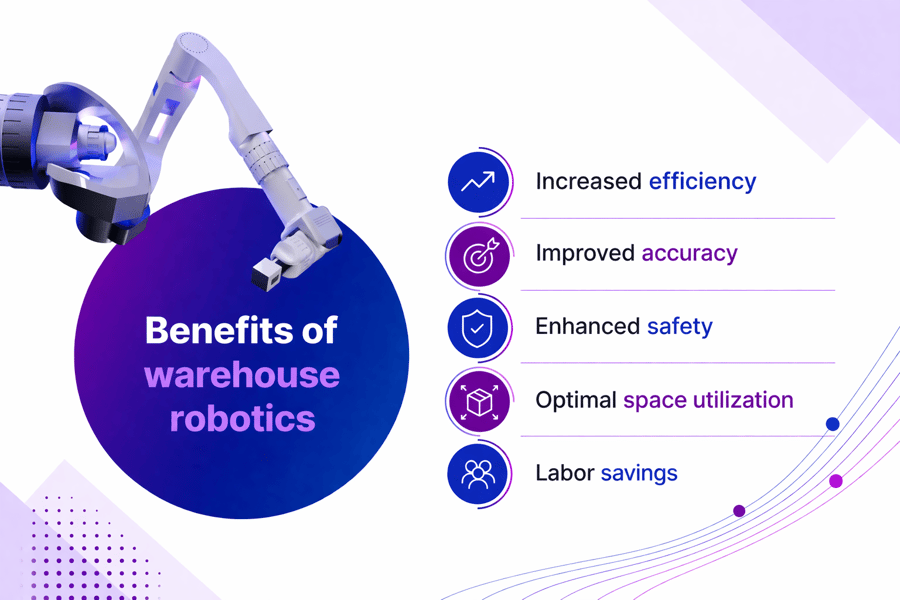
Benefits Businesses Can Expect from Warehouse Robotics Updates Today
Robotics warehouse news today often focuses on speed. Modern systems move goods with fewer stops between receiving, storage, picking, and shipping. This helps teams handle more orders during busy periods without adding as many workers. Speed is important, but it is not the only factor.
Accuracy and inventory control
Robotics warehouse news today also shows better inventory accuracy. Robots and goods to person systems create regular scan points during the day. This leads to cleaner and more reliable data. Planners can make faster decisions about product placement. Customer service teams can check stock and order status without manual work.
Labor stability
Labor stability is just as important as speed and cost. Robots take over long walks, heavy lifting, and repetitive tasks. These tasks often cause fatigue and staff turnover. Teams get better results when people focus on problem-solving, quality checks, and system control. These roles are safer and more satisfying.
Planning confidence
Warehouse robotics updates today also highlight better planning. Leaders can compare real data across sites, shifts, and products. This makes decisions clearer and more reliable. Reports are easier to trust because they come from real performance, not estimates.
A summary of the main benefits operations teams report most often:
- Order cycle times often fall because goods travel shorter distances with directed robotic support.
- Picking accuracy rises when systems guide each task step and reduce human decision points.
- Training time drops since workflows become more structured and repeatable for new staff.
- Safety incidents can decline when robots handle the riskiest types of movement and lifting.
- Planning accuracy improves when real performance data replaces estimates and shift reports.
The broader value in robotics warehouse news today is the ability to build a warehouse that scales with demand, protects margins, and supports better daily decisions. For teams reviewing next moves, that context pairs well with practical warehouse optimization tips that do not require large capital investment to implement.
Common Challenges Behind Robotics Warehouse News Today and How to Respond
Robotics warehouse news today often talks about speed and scale. It also highlights less manual work. The harder story sits behind these gains. Many projects slow down due to poor data, unclear workflows, or limited space. Robots cannot move well in a bad layout. Knowing these issues helps as much as tracking success.
Integration is a key risk
Integration is one of the main risks in any robotics project. Robots need clean order data, a strong network, and clear task rules. Weak basics cause longer routes and more errors. Downtime can spread across shifts. Many teams do not prepare their data well enough before launch.
Labor fit shapes results
Labor fit also affects real results. Teams may support automation in theory, but struggle in daily work. Poor training and unclear roles cause friction. Unrealistic targets make it worse. The first three months are critical for success.
Costs go beyond hardware
Costs do not stop at robots. Many robotics warehouse news reports show this clearly. Software, site updates, spare parts, and support add to the total cost. Payback can take longer than expected without proper planning.
Steps that help teams respond better
- Start with one stable process. Choose a workflow with steady demand and simple rules.
- Measure before launch. Track travel time, accuracy, and errors before robots go live.
- Map each step. Check how people, robots, and systems work together.
Scaling too fast is risky
Scaling too fast is a common problem. A pilot may work in one area but fail across the full site. Traffic, charging, and error handling often cause issues. Slow rollout with clear checks protects results.
Strong results depend on the right fit. The best programs connect robots with inventory, labor planning, and warehouse systems. This keeps the whole operation aligned.
Practical Advice for Evaluating Vendors and Solutions in Robotics News Warehouse Markets
Vendor claims often sound similar, but operating models differ in ways that matter. The best reading of robotics warehouse news today starts with fit, not features. A strong solution matches order profiles, aisle widths, labor mix, and peak volume before it matches a vendor’s preferred use case.
Look past headline specs
Many teams focus on robot speed first. Throughput under real constraints tells a better story. Battery charging, traffic rules, exception handling, and software response times shape daily output more than headline specs do. A robot that peaks in a demo but slows in a real mixed environment is not the right tool.
What to check in every vendor review
- Commercial terms should show clear costs for software, service, and upgrades over the full contract period.
- Integration scope needs detail across WMS, ERP, controls, and reporting tools before signing.
- Performance promises carry more weight when tied to site data rather than generic benchmarks.
- Reference visits reveal how the system actually performs during peak demand at a real facility.
Compare labor assumptions carefully
It also helps to compare labor assumptions between vendors. Some models have ideal staffing and clean inventory data. Real buildings have congestion, damaged cartons, and rushed replenishment cycles. That gap explains why robotics news warehouse reports can look stronger than actual site results once a system goes live.
A practical three-step review process
- Define the current process with accurate volume, travel time, and error data before talking to any vendor.
- Test each vendor against the same operating scenarios and real constraints from your facility.
- Review payback, service risk, and expansion options together before making a final decision.
The strongest buying decisions connect market headlines to site reality. Long-term results depend on software fit, service depth, and warehouse layout planning that gives robots the physical conditions they need to perform reliably every shift.
Robotics Warehouse News Today: What to Watch Next
The next wave of warehouse robotics updates today points to tighter system coordination. Robots no longer work as isolated tools on the floor. Vendors now focus on software that links picking, storage, packing, and transport in one operating view rather than managing each function separately.
Faster robot learning
Robotics warehouse news today also shows a shift toward faster robot training. New systems learn routes, item shapes, and task changes with less setup time than earlier generations required. That matters for sites with seasonal peaks, changing product mixes, and frequent layout changes. A system that takes weeks to retrain loses value quickly in a dynamic environment.
Mixed-fleet control
Another strong signal is the growing demand for mixed-fleet control platforms. Many facilities already run more than one robot type. The market now rewards platforms that coordinate mobile robots, arms, and conveyor logic without heavy custom code or dedicated engineering resources for every configuration change.
Safety will stay central
Safety will remain central in robotics news warehouse coverage. More suppliers are adding better vision systems and live obstacle detection. Those updates help robots move faster near people while keeping incident risk low. As robot density increases across large sites, the ability to manage shared space safely will become a bigger differentiator between platforms.
Other trends worth tracking in the next twelve months:
- Battery performance will draw more attention as run times grow and multi-shift operations become standard.
- Charging strategy will matter more in round-the-clock operations where downtime for charging has a real throughput cost.
- Service models will shape buying decisions as fleets grow larger and support complexity increases.
- Robot economics will shift as buyers compare lease models, robotics-as-a-service, and direct purchase terms more carefully.
Expect more scrutiny of pilot projects with weak reporting. Buyers want clear data on pick rates, downtime, and labor shifts. Programs that cannot show those numbers will face harder questions than they did a year ago.
The strongest signals often come from how well robots fit daily operations rather than how well they perform in controlled tests. Future winners will combine reliable hardware, strong software, and clear support terms. That is why many leaders connect robotics warehouse news today with better warehouse inventory tracking that makes robot performance visible across every shift.
Robotics Warehouse News Today: Conclusion
Robotics warehouse news today points to a market that has moved past the pilot stage. Businesses now see clearer gains in throughput, picking speed, and labor stability across real operations. The strongest results come from systems that fit the building, order mix, and software stack rather than systems chosen for their headline features.
Recent warehouse robotics updates today show a wider range of tools and better system control than even two years ago. Mobile robots, ASRS, and robotic picking each solve different limitations inside the warehouse. Success across all of them depends on integration quality, change management, and clean process data from the start.
Robotics warehouse news today also matters because costs and risks are easier to compare than before. Buyers can review uptime claims, deployment timelines, and service terms with more confidence. That makes it easier to separate real operating value from marketing noise and focus on what actually matters for the specific operation at hand.
The next step is practical and focused:
- Review where delays, travel time, and labor gaps hurt output most in the current operation.
- Compare those pain points with the latest warehouse robotics updates today and what they address.
- Ask vendors for proof tied to sites with similar profiles, not best-case reference accounts.
- Start with a business case that connects cost, speed, and service in concrete terms.
For a broader view of performance gains beyond automation, these warehouse efficiency tips offer useful next steps that work at any level of automation maturity.
Frequently Asked Questions
What does robotics warehouse news today usually cover?
Robotics warehouse news today typically covers automation launches, new robot deployments, software upgrades, funding activity, labor impact, and major partnerships. Business readers use these updates to track how warehouses are improving picking, packing, sorting, and inventory movement. It also helps companies compare technologies and understand where the market is heading.
Why are warehouse robotics updates important for supply chain leaders?
Warehouse robotics updates today help supply chain leaders evaluate efficiency gains, cost control, and operational risk. These reports often highlight faster fulfillment, better space use, and reduced manual strain. By following current developments, decision-makers can identify practical automation trends and make better investment choices for distribution and warehouse operations.
How can businesses use robotics warehouse news today to make decisions?
Companies can use robotics warehouse news today to benchmark competitors, assess vendor reliability, and spot technologies that match their workflow needs. News coverage often reveals real-world performance, deployment timelines, and integration challenges. This gives operations teams useful context before planning pilots, upgrades, or broader warehouse automation strategies.
What trends are shaping robotics news warehouse coverage right now?
Robotics news warehouse coverage is increasingly focused on AI-enabled vision systems, autonomous mobile robots, goods-to-person solutions, and robotic arms for mixed-item picking. Another key trend is software orchestration that connects robots with warehouse management systems. Coverage also tracks labor shortages, safety improvements, and the growing demand for faster order fulfillment.
Which industries benefit most from warehouse robotics updates today?
Retail, e-commerce, third-party logistics, grocery, manufacturing, and healthcare distribution benefit most from warehouse robotics updates today. These sectors often manage high order volumes, labor pressure, and strict delivery targets. Following current news helps leaders understand which automation tools are proving effective in environments with speed, accuracy, and scalability demands.
Where can readers find reliable robotics warehouse news today?
Readers can find reliable robotics warehouse news today through established logistics publications, automation vendor announcements, earnings reports, trade associations, and industry event coverage. The best sources provide case studies, deployment data, and expert commentary rather than product claims alone. Comparing multiple sources gives a more balanced view of warehouse automation progress.