Shipping delays cost money. Inventory errors cost money, too. Customers track every package and get upset when deliveries run late. Your partner’s provision of warehousing and shipping services matters as much as the products you sell.
Most brands start small. They ship from a garage or a back room. Growth changes everything. You manage hundreds of products. Orders come in around the clock. Returns pile up. Carrier rules keep changing. That’s when teams look for help from warehousing and fulfillment companies instead of building their own logistics team.
Providers work differently. Some focus on fast eCommerce delivery. Others handle wholesale orders with pallets and strict retailer rules. You need a clear way to compare warehouse and shipping services before you sign up.
What Warehousing and Shipping Services Cover
These services handle everything from the moment the stock arrives until customers get their orders. They store your products safely, pull the right items for each order, and pack boxes correctly. They get packages to carriers on time.
Storage: receiving and tracking
Your provider receives shipments. They count items, note any damage, and put products in the right spots so workers can find them fast. Good inventory tracking stops a common problem. Your website shows items in stock, but the shelf is empty.
Picking and packing: getting orders ready
New orders start the picking process. Workers pull the correct items. They check quantities and pack everything safely. Good systems prevent wrong shipments. That means fewer refunds and fewer angry customers. Many warehousing and fulfillment companies also handle kitting, add promotional inserts, and use your branded boxes.
Delivery: carriers and tracking
This phase includes comparing shipping rates, printing labels, and handing packages to carriers. Speed matters. But smart providers also think about cost and reliability based on where your customers live.
Common services include receiving with quality checks, safe storage with regular counts, picking and packing with verification, shipping options with tracking, and returns with restocking.
Should You Outsource or Run Your Own Warehouse?
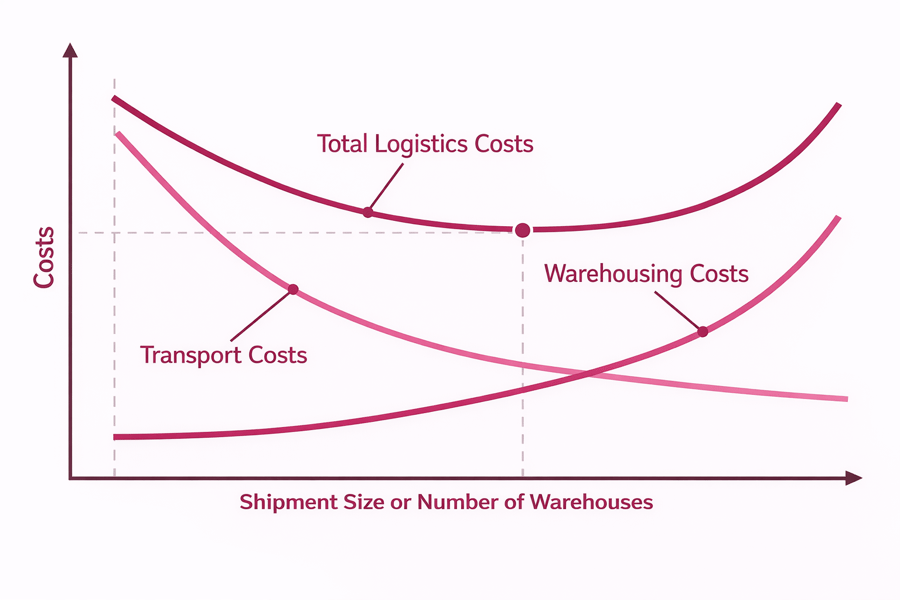
Running your own warehouse gives you control. You decide where products go, choose who packs them, and set when boxes leave. But volume changes things. Your team spends whole days taping boxes instead of growing the business. Delays build up. Counts get messy. Labor costs rise.
Outsourcing moves daily work to experts. Many warehousing and fulfillment companies have trained staff, solid processes, and carrier discounts. You focus on marketing, products, and customers while they handle the physical work.
Keep it in-house when
Internal work makes sense when things stay simple, and you need tight control.
Your orders stay steady week to week. No big seasonal jumps. Your products are fragile, regulated, or need custom assembly. You already own space and equipment with a good team. Customers want same-day pickup from your location.
Outsource when
External help works when growth creates bottlenecks. You keep delivery standards during busy times without scrambling to hire people.
Volume jumps seasonally, and staffing gets hard. You want faster zones but can’t afford new buildings. Returns eat up time that should go to new sales. You need better accuracy and reliable cutoffs.
Figure out your real cost per order. Add up rent, power, labor, boxes, and losses from missed shipments. Compare that to what warehouse and shipping services cost at your volume. If steady capacity and simpler work matter more than direct control, partnering with warehouse fulfillment services usually wins.
Warehousing and Shipping Services for eCommerce
Speed wins in eCommerce. Customers want fast delivery with correct items and tracking that they can constantly check. The right warehousing and shipping services help you deliver without burning out your team.
Fast shipping through smart placement
Speed starts with location. Put stock closer to customers. Transit time drops. Shipping costs fall. A partner with multiple warehouses lets you offer two-day delivery without premium rates.
Late cutoffs matter. So does weekend work. These details decide if 4 PM orders ship today or wait until tomorrow. Better cutoffs mean fewer “where’s my order” tickets and happier customers.
Returns that protect profit and loyalty
Bad returns handling kills margins. You need quick intake, honest grading, and fast restocking. Then the inventory goes back on sale instead of sitting around. Pick warehouse and shipping services that scan returns right away and update your store instantly.
Good returns help exchanges, too. Your partner pulls and ships the replacement fast? You keep the customer and save the sale. A bad moment becomes a loyalty win.
Experience built in the warehousing and shipping services
Every detail shapes how customers see your brand. That includes what’s in the box. Branded inserts, notes, and smart bundling can boost order value and cut churn. Many warehousing and fulfillment companies use batch picking and barcode scans to stop wrong shipments.
Look for real-time inventory across all channels, scan checks at picking and packing, carrier choices that balance speed and cost, and quick fixes for shipping problems.
Ask partners about peak season, backorders, and carrier issues. Make sure they connect with your cart, marketplaces, and support desk. Data needs to sync. Want repeat customers? Pick a provider that treats shipping as part of your brand and supports third-party warehouse management.
B2B and Wholesale Warehousing and Shipping Services
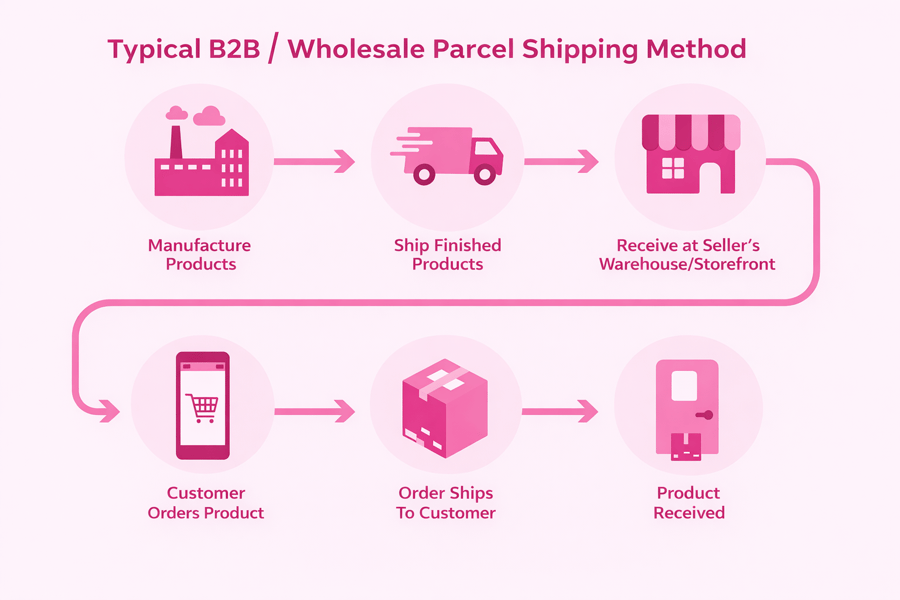
B2B orders look easy until you treat them like regular packages and everything breaks. You ship full pallets, hit strict delivery times, and follow detailed retailer rules. Your warehousing and shipping services partner needs B2B know-how from day one.
Pallets and freight
Wholesale moves as pallets, not single boxes. Good providers build stable pallets, wrap and label them right, and load trucks correctly. They should quote and book freight fast. That avoids delays and surprise fees.
Key skills include accurate pallet counts for billing, proper stacking with corner guards, and appointment scheduling with dock timing.
EDI and retailer rules
Big retailers want EDI documents. Purchase orders, ship notices, that kind of thing. If your partner handles EDI well, you cut manual typing and catch errors before boxes leave. Products arrive faster. You avoid fees for missing or wrong paperwork.
Compliance beyond labels
Retailer rules go deeper than basic labels. You might need special GS1-128 labels with specific data. Carton details, lot tracking, and serial numbers for recalls. These aren’t optional for many retailers. Pick warehousing and fulfillment companies that enforce rules during picking, packing, and shipping.
Ask about pallet standards, EDI testing, and retailer scores. Can they scale during promotions without cutting corners? Check that their warehouse and shipping services support freight timing, appointments, and full paperwork in one flow. When these pieces fit, you get fewer fees and a smoother fulfillment business process.
Comparing Different Warehousing and Fulfillment Companies
Not every warehousing and fulfillment company fits your operation. What can they handle today? What about when you grow? How well do they support customers through solid warehousing and shipping services? These questions matter.
Match warehousing and shipping services to your orders
Start with the basics. Receiving, storage, picking and packing, and outbound shipping. Then check the details that affect speed and accuracy. Lot tracking, kitting, quality checks. Don’t skip returns. Reverse logistics drains resources fast.
Check product handling for fragile items, hazmat, temperature needs, and big boxes. Look at order types like B2C, B2B, subscriptions, and marketplaces. Ask about extra services like labeling, bundling, inserts, and custom packaging. Verify hours and cutoffs for same-day work.
Cut shipping time and cost
Where are their warehouses? Where do your customers live? Which carrier routes serve those areas? Map these together. The right network cuts days in transit and lowers rates. You can promise faster delivery without killing margins.
How do they pick carriers? Handle peak season? Manage regional problems? Make sure they support both domestic and international shipping in their warehouse and shipping services.
Connect data and performance
Check the actual tools running daily work. Accurate counts, solid tracking, clear reports. These aren’t optional. Get a demo. Test real scenarios. Split shipments, backorders, and address fixes.
Pick partners that connect well with your store, ERP, and carriers. They need working APIs and useful alerts. Strong warehousing and shipping services need accurate data flowing through good order management software.
Warehouse Location Strategy: Where to Store Inventory for Fast Delivery
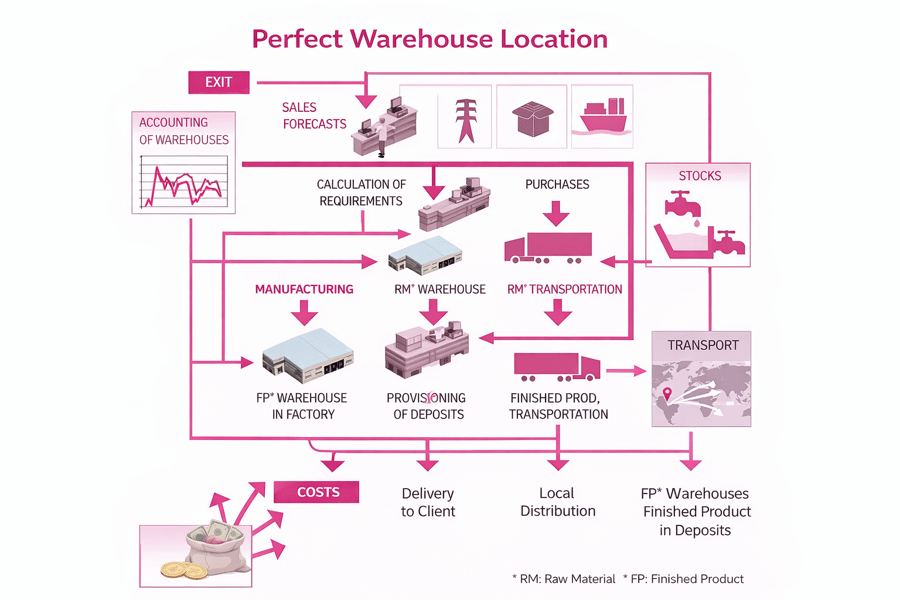
Where you store products affects delivery speed more than carrier choice. The right warehouse locations cut transit time from three days to one. They lower shipping costs without premium rates. They help you compete with bigger brands on delivery promises.
Map your customer concentration first
Start with your sales data. Where do most orders ship? Pull reports by state, region, or zip code cluster. Look for patterns over six months minimum. Seasonal businesses need twelve months to catch regional shifts.
Most eCommerce brands find that 60 to 70 percent of orders ship to just three or four regions. Putting a warehouse in each of those zones cuts average transit time significantly. You can offer two-day ground shipping instead of paying for express.
Single warehouse vs distributed network
One warehouse works when customers cluster in a single region or when shipping costs matter less than simplicity. Distributed networks make sense when you serve the whole country and compete on delivery speed.
Single location benefits include simpler inventory management, lower minimum storage fees, easier quality control, and one team to manage. But you face higher shipping costs to distant zones, longer transit times for most customers, and limited growth flexibility.
Multiple locations bring faster delivery across all regions, lower average shipping costs per order, better peak season capacity, and competitive delivery promises. The tradeoffs? Split inventory between sites, higher minimum fees across locations, more complex stock allocation, and coordination challenges.
Regional warehouse placement considerations
East Coast warehouses serve dense population centers. Pennsylvania, New Jersey, and Georgia offer good coverage for the Northeast, Mid-Atlantic, and Southeast. West Coast warehouses in California or Nevada reach the Pacific states and parts of the Mountain region quickly.
Midwest placement in Ohio, Illinois, or Texas provides central coverage and reasonable reach to both coasts. But transit times to the furthest zones still run two to three days via ground.
When to add a second or third warehousing and shipping service
Add warehouses when shipping costs eat too much margin on distant orders. Or when competitors offer faster delivery in regions you serve slowly. Or when you have enough volume to meet provider minimums at multiple sites.
Check your current shipping spend by zone. If Zone 7 and Zone 8 shipments cost 40 percent more than nearby zones and represent 30 percent of orders, a second warehouse probably pays for itself. Run the numbers on storage fees versus shipping savings before committing.
Working with warehousing and shipping services across locations
Multi-location fulfillment requires smart inventory allocation. Your warehouse management system should route orders to the closest facility with stock. It should prevent stockouts at one site while another has excess.
Ask providers how they handle inventory splits, transfer orders between facilities, and manage allocation rules. Some warehousing and fulfillment companies charge transfer fees when moving stock between their own warehouses. Others include transfers in base pricing.
Test the routing logic during onboarding. Send orders to different zones. Confirm each shipment from the optimal warehouse. Check that inventory visibility works across all locations in real time.
Costs and Pricing for Warehouse and Shipping Services
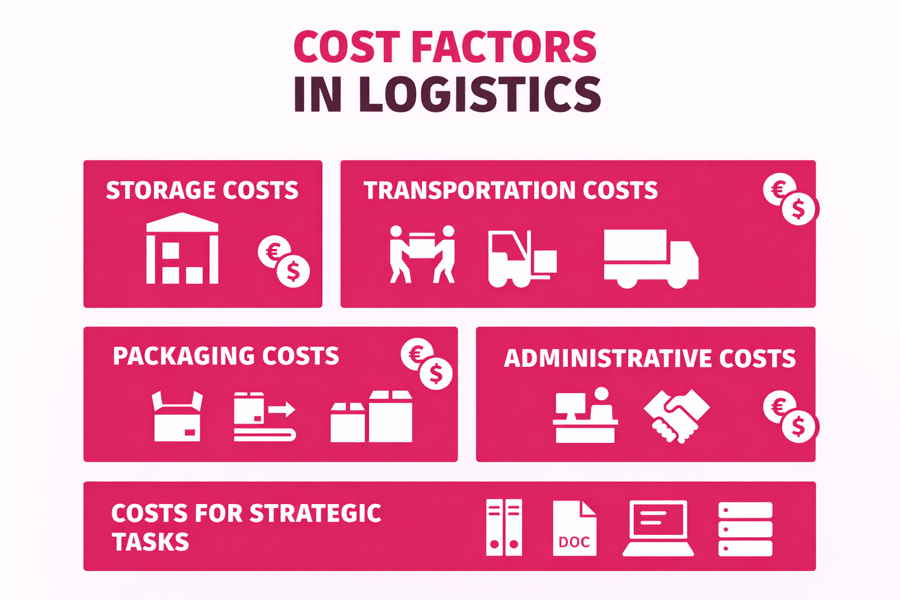
Pricing makes or breaks your choice of warehousing and shipping services. Most quotes mix fixed fees with usage charges. Read the details carefully. Compare providers using the same volumes, SKU counts, and zones.
Common fees
Warehousing and fulfillment companies often price in layers. That low per-order rate? It can still give you a high bill when other fees stack up. Some bundle services. Others charge for each step.
Receiving gets charged per pallet, per box, or per hour for unloading and checking. Storage gets billed per bin, per shelf, per pallet spot, or per cubic foot. Picking and packing includes per order plus per item, with extra fees for inserts or special boxes. Shipping adds carrier cost plus a handling fee. Returns include per return fees plus inspection, restocking, or disposal charges.
Pricing models
Steady volume? A flat monthly minimum makes budgeting easy. Seasonal business? Pure pay-as-you-go pricing flexes with demand. Ask how they handle peak fees and if they promise staff during busy times.
Hidden charges
Hidden fees show up after you grow. Extra charges for kitting, lot tracking, hazmat, or oversized items. These add up. Check costs for account help, system links, and inventory checks. These vary a lot across warehouse and shipping services.
Get a sample bill based on your real orders. Check every line for extras. Set clear definitions for “standard packaging,” “standard pick,” and cutoffs. This stops fees from creeping up later. Track your real cost per order and per SKU. Connect those reports to your order fulfillment software.
Service Levels and Metrics for Warehousing and Shipping Services
Service agreements turn promises into real numbers. Comparing warehousing and shipping services? Get specific KPIs, report schedules, and consequences when performance drops. Otherwise, you pay for speed while customers still get late or wrong orders.
Order accuracy protects your brand
Accuracy starts with receiving, storage spots, and barcode scans. Track picking accuracy, packing accuracy, and defects separately. Don’t lump everything into “errors.” How do they check problem items like similar SKUs and bundles?
Picking accuracy means pulling the correct items and amounts. Packing accuracy means putting the items, inserts, and labels in each box. Damage rate tracks products hurt during handling or packing.
Cutoffs: where speed wins or loses
Cutoff time sets how late orders can arrive and still ship today. Check specific cutoffs by carrier, service level, and sales channel. How do those times change during peaks and promotions?
On-time delivery: measure the full trip
Delivery depends on both warehouse work and carrier execution. Split “ships on time” from “delivers on time.” This finds the real problem. The best warehouse and shipping services share carrier data and suggest other routes when some consistently run late.
Compare SLAs across providers
Warehousing and fulfillment companies are great targets. But you need written definitions. Does “same-day shipping” mean the label was printed or the carrier scanned the box? Get weekly KPI reports with reasons for problems. This matters especially when adding multi-channel inventory management.
Implementation: Onboarding with Warehousing and Fulfillment Companies
Smooth starts matter as much as good prices and fast delivery. Switching warehousing and shipping services needs detailed planning so orders keep moving. This approach cuts delays, prevents stock errors, and sets clear goals.
Prepare inventory and shipments
Check your SKU list, barcodes, case packs, and sizes. Label products to match warehouse rules and channel standards. Decide on lot numbers, serial tracking, and expiration dates before the first shipment arrives.
Send a clean SKU file with names, UPCs, and bundle info. Set receiving rules for damaged goods, extras, and shortages. Share schedules with carrier details and delivery times.
Connect systems and map data
Link your store, ERP, and shipping tools to their warehouse system. Many warehousing and fulfillment companies offer ready connectors. But you still need field mapping for addresses, taxes, and shipping codes. Using multiple warehouses or programs like Amazon Warehousing and Distribution? Set routing rules so each order goes to the right place.
Check real-time stock updates, order status events, and webhooks. Match carrier services across channels to prevent label mix-ups. Set user access, alerts, and change logs.
Test before going live
Systems working? Run test orders for common cases. Split shipments, backorders, address fixes, returns. Test everything. You can fix packing steps and cutoffs before customers see problems.
Test picking and packing for single items, kits, and fragile products. Check slips, brand inserts, and box labels. Match test bills to expected rates for warehouse and shipping services.
Set a launch date, emergency contacts, and daily reports for the first two weeks. Track receiving accuracy, order accuracy, and on-time shipping. Adjust flows fast based on what you learn. Finish by setting cycle count schedules and inventory tracking steps.
Warehousing and Shipping Services: Making Your Decision
Picking warehousing and shipping services comes down to speed, predictable costs, and steady operations. When storage, order prep, and shipping work as one system, you ship faster while spending less. Customers get what they ordered on time. Your team can focus on growth instead of daily logistics.
- Match your order style to provider strengths. ECommerce needs late cutoffs and smooth returns. B2B needs pallet skills, compliance knowledge, and accurate paperwork. The best warehouse and shipping services grow with your business without forcing constant changes.
- Focus on clear pricing with storage, labor, and extra fees included. No surprise charges. Track real service levels. Order accuracy, delivery performance, and inventory precision. Pick technology that connects smoothly with your store or ERP while giving real-time visibility.
- Don’t trust sales talk alone. Get recent performance reports. Tour actual warehouse operations. Check coverage in your key shipping zones. This cuts risk and avoids expensive switches later.
Build a short list. Make a comparison scorecard. Ask for pilot programs. Pick the team that communicates clearly and meets deadlines. Execution beats features every time. Keep improving after launch by checking your processes and tools regularly with eCommerce warehouse management systems.
Frequently Asked Questions
What do warehousing and fulfillment companies provide?
These services handle receiving, storage, order prep, and delivery. Providers check shipments for accuracy and damage. They store inventory in organized spots. They pick and pack orders correctly. They work with carriers for timely delivery. Many also handle returns, kitting, branded packaging, and quality checks. You get tracking, rate optimization, and inventory management through connected platforms.
When should I outsource instead of running my own warehouse?
Outsource when seasonal swings make staffing hard, or when you need speed across regions without opening new buildings. Or when returns create bottlenecks. Warehousing and fulfillment companies bring trained teams, solid processes, and negotiated rates. Keep it internal when shipping steady low volumes, handling specialized products needing custom work or compliance, or when customers expect same-day pickup.
How do I evaluate warehousing and fulfillment companies?
Compare operations, geography, and technology. Match services to your order patterns. Product handling needs, order types, and extra work like kitting. Map warehouse locations to customer areas to cut transit time and costs. Test how well they connect with your store, ERP, and carriers. Ask for demos of common flows and recent performance data.
What does pricing typically include?
Providers charge separately for receiving, storage, picking and packing, shipping, and returns. Receiving fees apply per pallet, box, or hour. Storage costs run per bin, shelf, pallet spot, or cubic foot. Picking and packing includes per-order and per-item rates with extra fees for inserts or special packaging. Shipping adds carrier costs plus handling. Returns include intake plus inspection, restocking, or disposal fees.
Which metrics matter most?
Track order accuracy, cutoff timing, and on-time delivery as core numbers. Measure picking accuracy, packing accuracy, and damage rates separately to find specific problems. Check cutoffs by carrier, service level, and channel. Split warehouse shipping from the carrier delivery to find real bottlenecks. Get weekly reports with reasons when numbers drop.
How do eCommerce services differ from standard fulfillment?
ECommerce providers focus on speed, easy returns, and customer experience. They put inventory near customers for two-day delivery without premium rates. Late cutoffs and weekend work boost same-day shipping. Returns get scanned right away with instant inventory updates. Many offer branded inserts, gift messages, and kitting to raise order value and cut churn.
What makes B2B warehousing different?
B2B handles pallets, EDI needs, and retailer rules. Wholesale orders move as full pallets needing proper building, wrapping, and labeling before freight booking. Big retailers require EDI documents like purchase orders and shipping notices. Compliance includes special labels, carton details, and lot tracking for recalls. Performance gets measured on retailer scorecards with money penalties for errors.
How long does setup take?
Onboarding typically takes two to six weeks based on SKU complexity, system needs, and testing scope. Start by preparing inventory data. SKU lists, barcodes, case packs, sizes. Connect your store, ERP, and shipping tools to their warehouse system with proper field mapping. Run test orders for common cases before launch. Watch receiving accuracy, order accuracy, and shipping performance closely during the first two weeks.
What technology should I expect?
Look for real-time inventory tracking, full order visibility, and clear reporting. Providers should connect with your store, ERP, and carriers through ready connectors or clean APIs. You need order webhooks, inventory alerts, and problem notices. Test flows for split shipments, backorders, and address changes during demos. Strong warehousing and shipping services need accurate data flowing through good order management software.
Can they handle returns well?
Most providers manage returns, exchanges, and reships as standard work. They scan returned items upon arrival, check their condition, and update the store inventory right away. Quick intake and fast restocking let you resell products sooner. Good returns flow support exchanges by processing replacements fast. Ask about per-return fees, inspection charges, restocking costs, and disposal fees when reviewing prices.