
Warehouse stock location systems: how they improve inventory control
 Daniel Brooks
·
· 17 min read
Daniel Brooks
·
· 17 min read
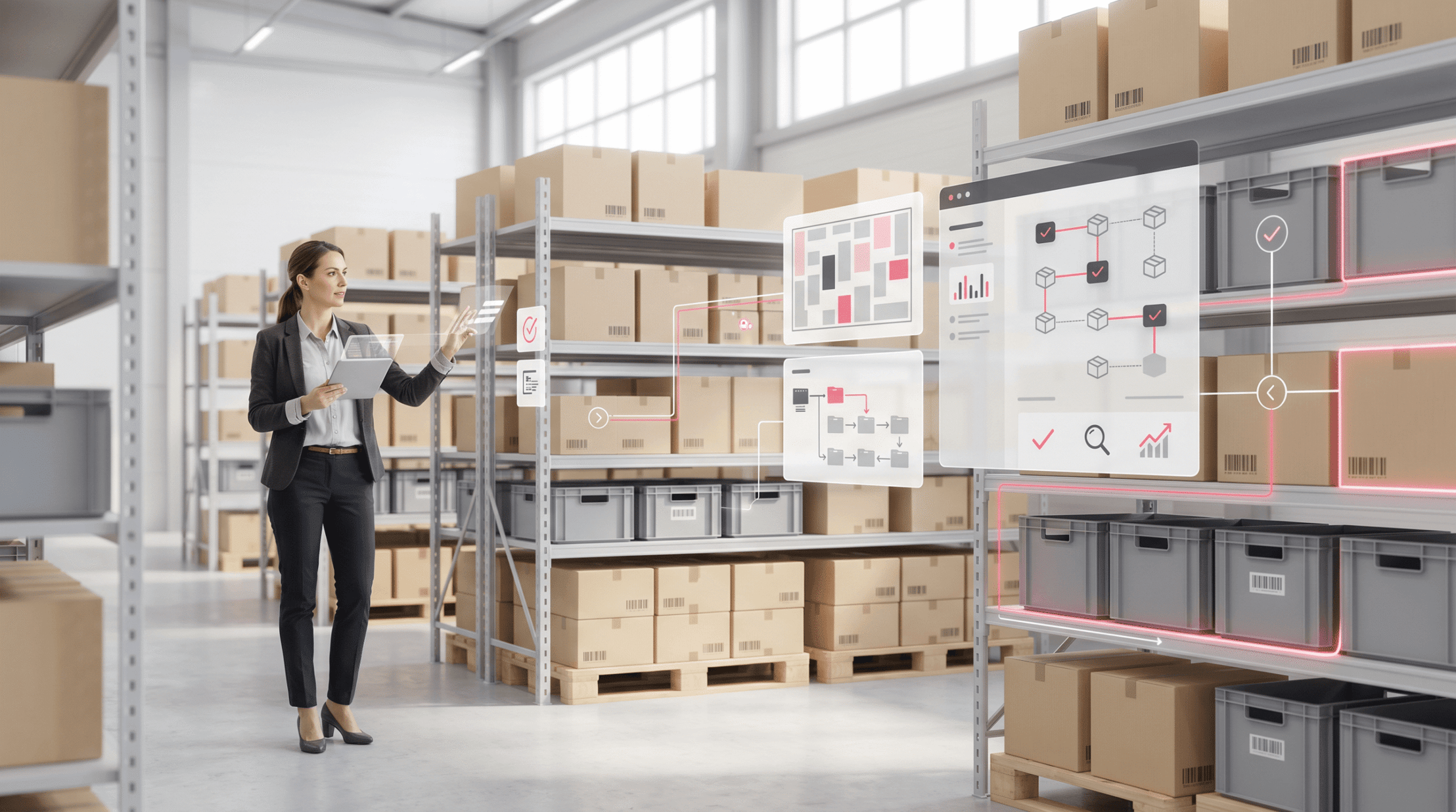
Inventory errors rarely start at the packing bench. They begin when stock sits in the wrong bin or carries the wrong label. Sometimes, stock goes unrecorded between receipt and pick. By the time a picker notices the problem, the order is already late. Warehouse stock location systems address that problem at the source.
In fact, the core idea is simple: every item has one home. When that home is defined, labeled, and tied to a live record, teams stop guessing. They start confirming instead. As a result, that shift changes what is possible downstream. Picking speed, count accuracy, and restock control all improve.
What are warehouse stock location systems and why do they matter?
Warehouse stock location systems are the rules, labels, and digital records that show where each item belongs. They connect every pallet, bin, shelf, and rack position to a clear code. That structure helps teams find stock fast and record each move without guesswork.
How warehouse stock location systems work in practice
A strong warehouse location system assigns a unique code to each storage spot. Those codes typically reflect aisle, bay, level, and bin. Staff scan the code, confirm the item, and update the record in seconds. There is no paper list to check. No one needs to remember which rack holds which product. Instead, the scan does the work.
Many sites pair slot codes with warehouse inventory tracking software. The software links stock records to physical positions and shows where inventory sits right now. That view reduces manual checks. It helps leads spot empty slots, misplaced goods, and slow movers before they cause a bigger issue.
Location systems also support flexible storage. Fast-moving items can stay near packing stations, while reserve stock goes to higher racks. As demand shifts, teams can move products. They do not lose control of the move log. For a closer look at the tracking side, read our guide on tracking accuracy techniques.
Why accuracy and speed improve
Clear locations remove one of the biggest warehouse problems: human memory. Workers no longer rely on habit or verbal directions to find stock. A defined location and a solid warehouse location tracking process give teams a set way to handle stock. They receive, store, pick, and count with less guesswork.
The gains show up quickly. Overall, picking routes becomes shorter. Cycle counts become more reliable, and receipt teams put stock away faster. When every move ties back to warehouse stock location systems, errors become easier to trace. Teams can fix them fast before they reach the buyer.
How a warehouse location system supports better inventory control
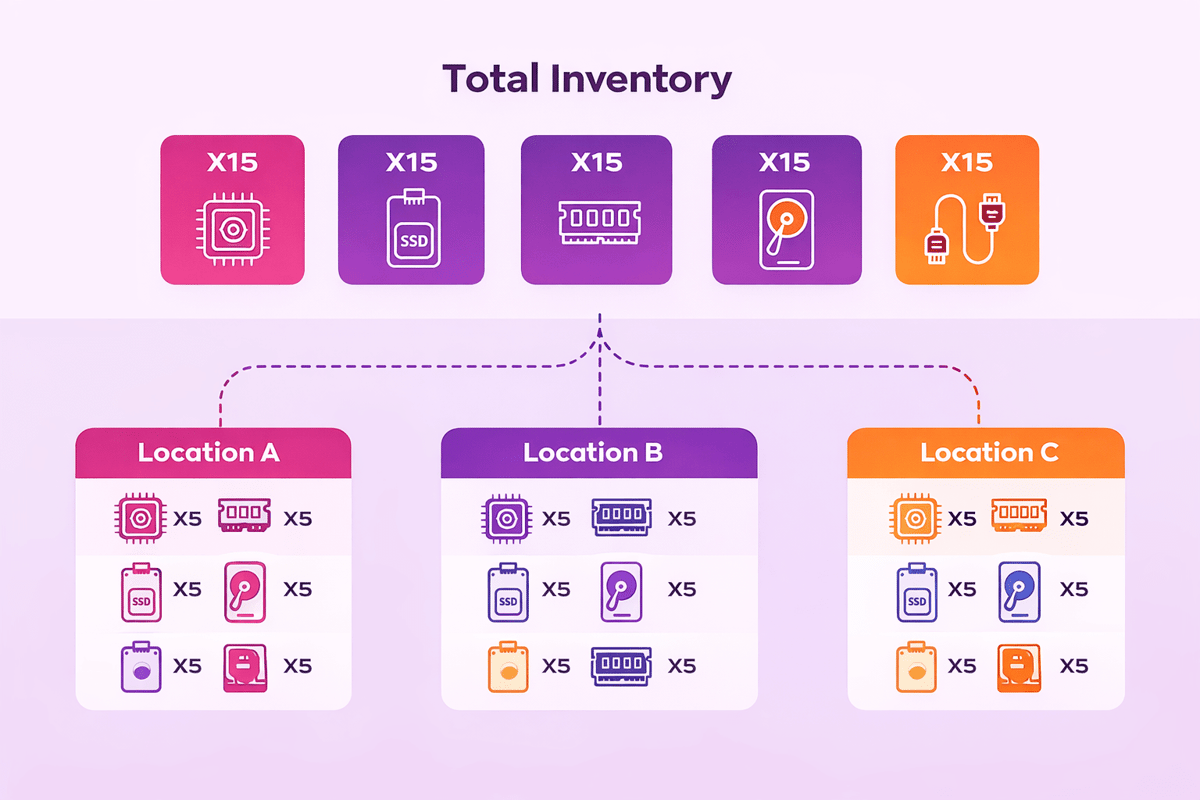
A strong warehouse location system gives every item a clear, fixed place. Staff can see where stock belongs, where it moved, and what remains on hand. That structure cuts guesswork and keeps inventory records closer to reality throughout the day.
Real-time visibility with warehouse location tracking
A solid warehouse location tracking process shows the exact path of each item. Teams know whether stock sits in reserve storage, active picking, staging, or returns. That view cuts the time spent searching for missing pallets or misplaced cases. That is often where shift time quietly goes.
Real-time data also improves receipt. As goods enter the building, the system links each unit to a specific slot and status. Furthermore, this prevents double entries. Stock cannot sit unrecorded on the floor after the truck leaves.
With the right warehouse inventory tracking software, slot updates happen during normal work. Scans at each handoff create a current record without extra paperwork. That steady flow of data supports cleaner counts. It also means fewer surprises during audits or spot checks.
Stronger control over replenishment and picking
Also, picking accuracy depends on clean slot data. When staff follow the system to the correct slot, they are less likely to grab the wrong item. That also reduces a lot of errors. Over time, those small wins protect order quality. Fewer errors mean fewer order fixes, returns, and buyer complaints.
As a result, restock also becomes more predictable. The system shows when forward pick areas run low and where reserve stock sits. Supervisors can refill key locations before shortages slow the packing line. That beats reacting after a picker comes back empty-handed. In practice, proactive refills keep lines moving.
Over time, a well-managed warehouse stock location system setup creates a more disciplined operation. Stock moves follow defined rules, count errors drop, and space use becomes easier to manage. Those gains form the foundation for dependable stock monitoring across locations.
Connect Shopify, draw your floor, pick an order - free plan, 7-day full trial, no credit card, no sales call.
The role of warehouse inventory tracking in daily operations
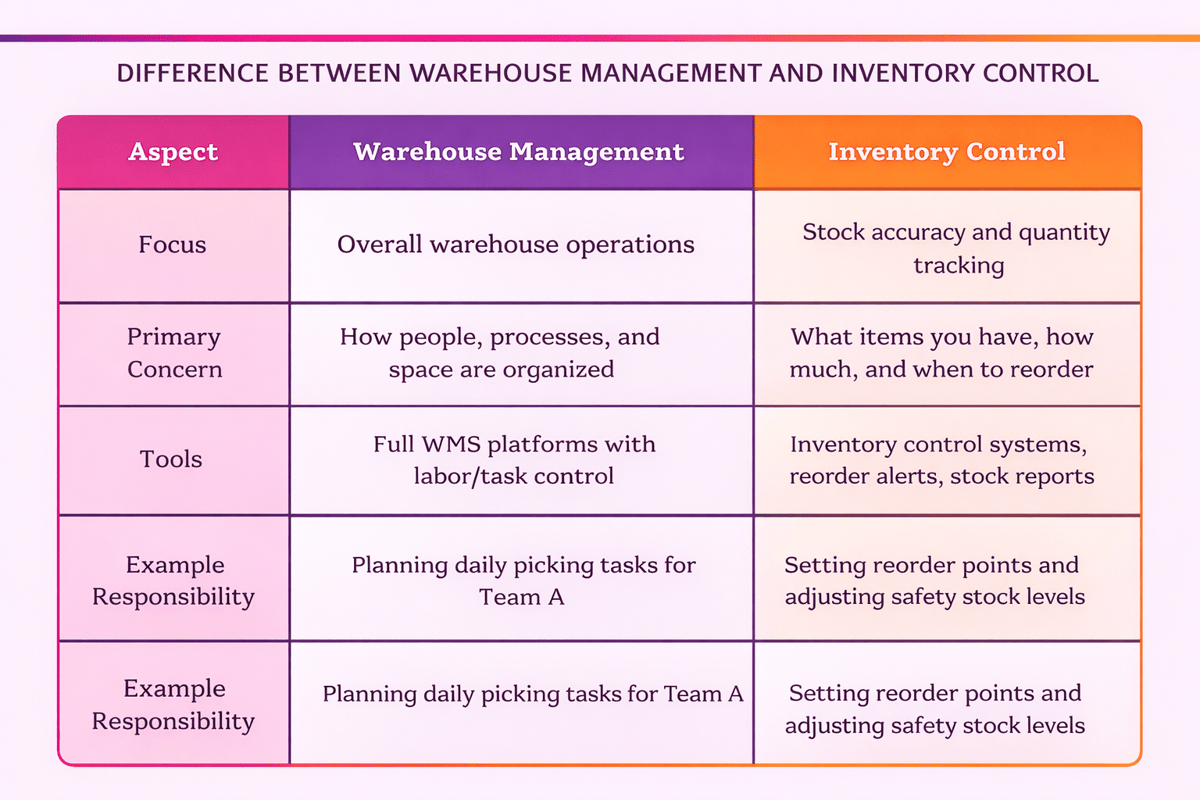
Daily warehouse performance depends on clear, current slot data. Warehouse inventory tracking shows where each item sits, when it was moved, and who handled it. That view helps teams avoid wasted travel and delayed picks. Stock records also stay closer to reality. That helps purchasing and planning stay aligned.
Strong warehouse stock location systems support this work at every shift. They connect item IDs, bin locations, and move log in one record. When receipts, putaway, picking, and restock all follow the same data trail, it leads to spotting issues faster. As a result, work keeps moving.
Real-time visibility in warehouse inventory tracking
Receipt teams need fast confirmation that inbound stock reached the right place. A solid warehouse location system records each scan as goods move from the dock to storage. That creates a live view of open stock. There is no waiting for an update at day’s end. Instead, the data is live.
Putaway also becomes more consistent with clear slot rules. Staff can match products to the correct aisle, rack, and bin without guesswork. Picking accuracy improves when workers trust the slot data. They spend less time searching and more time completing orders. Strong warehouse location tracking also helps supervisors rebalance labor when certain zones become congested.
Better control with warehouse stock location systems
Daily operations rarely run without exceptions. Damaged goods, short picks, and misplaced pallets create gaps between real stock and system records. Warehouse inventory tracking software helps teams trace those gaps back to a specific move, user, or time stamp. That makes root cause analysis much faster. In short, problems get fixed before they spread.
Cycle counts become easier when locations stay current throughout the day. Teams can count by zone, compare results quickly, and correct errors before they spread. That discipline keeps warehouse stock location systems useful for planning, purchasing, and order service.
Clean tracking also supports better restock decisions. Fast-moving items can be refilled before pick faces run empty. Over time, businesses gain more value from warehouse stock location systems when they pair slot accuracy with dependable warehouse management software.
Key features to look for in warehouse inventory tracking software
The best warehouse inventory tracking software gives teams a clear view of stock at all times. It should show exact bin, aisle, and shelf data without delay.
Core features of warehouse inventory tracking software
Real-time updates sit at the center of reliable warehouse inventory tracking. A delay of even a few minutes can create double picks or missing stock. Good software records each scan as it happens. It updates the full warehouse location system at once, so pickers and leads see the same numbers.
Barcode and mobile scanning support also makes a major difference. Staff can confirm item, quantity, and location in a single step. That simple process strengthens warehouse location tracking and cuts data entry mistakes significantly.
Flexible location mapping helps software match the actual layout. Some sites need forward pick zones, bulk storage, and overflow areas. Good warehouse stock location systems should support each of those spaces without forcing workarounds that staff eventually stop using.
Reporting, alerts, and system fit
Clear reporting turns raw move data into useful action. The leads need to see stock by location, aging inventory, empty bins, and recurring variances. Those reports help teams spot weak points before they slow down the floor.
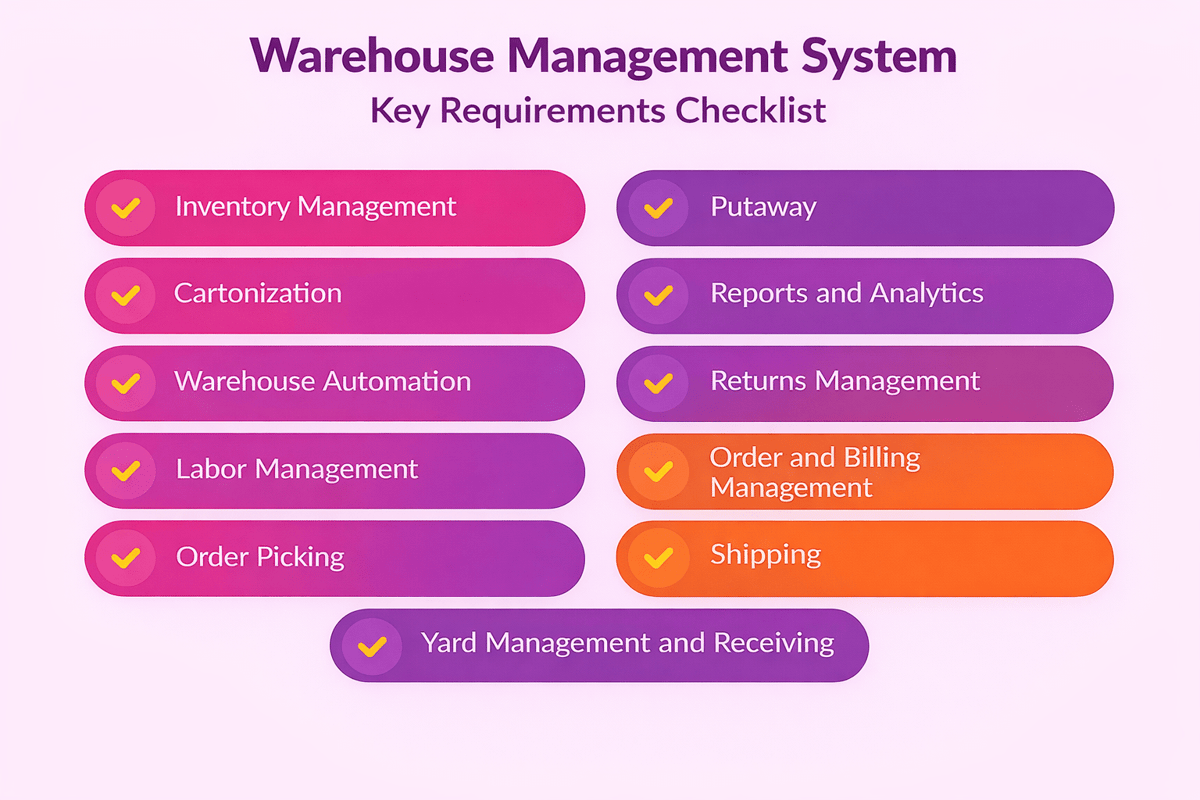
Alerts add another layer of control. The system can flag stock in the wrong bin, low inventory in pick faces, or skipped scan events. With that feedback, warehouse stock location systems support faster correction and fewer shipping errors. Clean connections reduce manual rekeying and keep records aligned across the business while fitting broader warehouse management needs.
How warehouse location tracking reduces errors and speeds up picking
Warehouse location tracking gives pickers a clear path to each item. They spend less time searching aisles, bins, and overflow areas. That speed matters most when orders have many lines. Fast-moving SKUs in similar-looking bins are easy to mix up.
Errors often start with poor visibility. A misplaced carton, an old bin code, or a double location creates delays and wrong picks. Warehouse stock location systems reduce that risk by tying each SKU to a confirmed place in the building, updated in real time rather than at the end of the day.
How warehouse location tracking cuts picking mistakes
A strong warehouse location system removes guesswork from daily work. Pickers follow the exact shelf, rack, or bin listed in the system. They do not rely on memory or paper notes. Instead, the system guides each step. Verbal updates go stale too fast.
- Selecting the wrong SKU from a similar-looking slot
- Pulling stock from the reserve instead of the forward pick space
- Missing product stored in a secondary location
- Shipping short because the recorded count was wrong
Warehouse inventory tracking software also helps when stock moves during the day. If a restock team shifts pallets to another bay, the update appears right away. As a result, pickers work from current data, not outdated lists.
Faster routes improve throughput
Furthermore, travel time drives much of the labor cost in picking. Better slot data shortens that travel by guiding staff to the nearest valid slot. Over hundreds of orders, those small savings add up fast.
Warehouse stock location systems support smarter pick paths by grouping items by zone, aisle, or sequence. That structure reduces backtracking and aisle congestion. It also helps new staff reach full speed sooner, since they follow the system instead of learning the floor by trial and error. The strongest results often come when tracking data connects with solid warehouse layout planning.
Benefits of warehouse stock location systems for growing businesses
Growth puts pressure on storage space, labor, and order speed. Warehouse stock location systems help businesses handle that pressure with more control. Teams spend less time searching for stock and more time moving orders through the building, which is where the real cost savings show up.
As product lines expand, manual records often fall behind daily activity. A solid warehouse location system keeps each bin, shelf, and pallet tied to current data. That view supports faster calls when demand shifts or stock runs low without warning.
Better accuracy with warehouse stock location systems
More SKUs usually mean more chances for picking mistakes. Warehouse stock location systems reduce those errors by linking items to exact storage positions. Staff confirm the right product before it leaves the shelf, rather than after the wrong one arrives at the buyer.
When companies add new sites or wider catalogs, consistency matters more. Warehouse inventory tracking software creates one shared view of stock across teams. leads can review shortages, transfers, and open space without waiting for manual updates.
Faster workflows and lower operating costs
Travel time affects labor costs more than many growing firms expect. Warehouse stock location systems shorten that time by guiding workers to the correct slot quickly. Shorter routes support faster picking and smoother restocking throughout the shift.
Strong warehouse location tracking also helps businesses use space more carefully. Fast-moving items stay near packing areas, while slower stock moves to less valuable space. That layout reduces congestion and keeps aisles easier to manage.
- Less time spent searching for misplaced stock
- Fewer picking and shipping errors
- More reliable cycle counts and stock transfers
- Better use of labor during busy periods
These gains matter most when order volume rises faster than headcount. Warehouse stock location systems give growing businesses a stable base for scale. For a broader context, explore practical warehouse management strategies that support smarter operations.
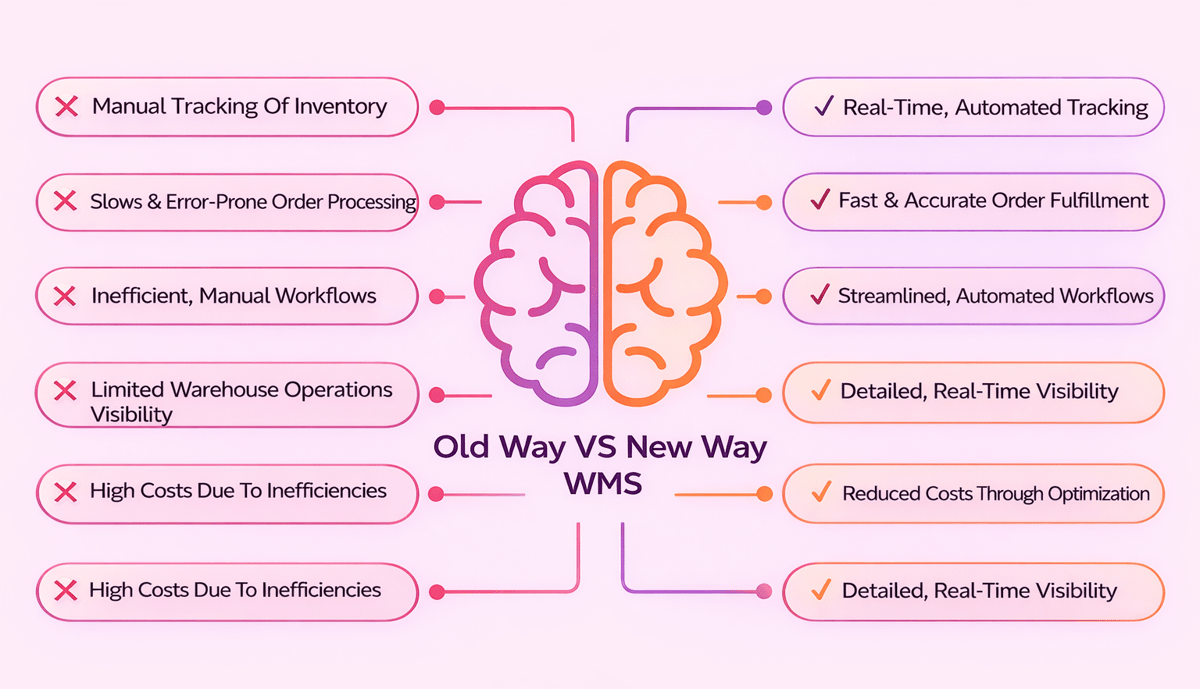
Warehouse stock location systems vs manual tracking
Manual logs and spreadsheet checks can work in a small, stable warehouse. Problems grow fast when order volume rises, stock moves often, or teams work across multiple shifts without a shared record.
Warehouse stock location systems give each item a defined place and a live record. That structure cuts guesswork, shortens search time, and supports cleaner warehouse inventory tracking. With manual methods, staff often rely on memory, paper notes, or delayed updates that no longer match the shelf.
Accuracy in warehouse inventory tracking, daily work
A digital warehouse location system records moves as they happen. Teams can see where stock sits now, not where it sat at the start of the shift. Manual warehouse location tracking depends on disciplined habits from every worker. One skipped update can affect restock, order accuracy, and the next count review.
Cost, control, and growth readiness
Manual tracking may seem cheaper at first. The hidden cost appears in overtime, recounts, delayed orders, and inventory write-offs. Warehouse stock location systems support tighter control as operations expand. They help lead review move patterns, spot slow zones, and assign space based on real demand. The gap becomes clearer in multi-location or high-SKU environments, where manual files rarely keep pace.
- Manual methods depend heavily on memory and paper accuracy
- Digital systems support faster picks and cleaner stock counts
- Live data helps teams react before small errors spread
For most growing operations, the choice comes down to control versus catch-up work. Teams comparing both approaches often review warehouse optimization tips alongside system options to understand the full picture.
Common use cases across industries
Warehouse stock location systems support very different operations, but the goal stays the same. Teams need to know what stock they have, where it sits, and how fast it moves. A strong warehouse location system gives visibility across bins, zones, shelves, and overflow space.
High-volume and fast-moving operations
For instance, ecommerce warehouses often manage thousands of small orders each day. In that setting, warehouse location tracking helps pickers move through the shortest path and avoid empty-bin checks. The result is fewer delays during peak periods and better order accuracy when volume spikes.
Third-party logistics providers face a different challenge. They store inventory for many clients in the same building, often with different handling rules. A clear location structure, paired with warehouse inventory tracking software, keeps client stock separate and supports accurate billing.
Many retail distributors also use slotting data to place fast sellers near packing areas. That makes travel time shorter and restocking easier to plan. A useful reference on this is 8 tips to improve warehouse efficiency, which covers the link between layout, movement, and daily output.
Regulated and complex inventory environments
For example, food and beverage operations need tight control over dates, batches, and rotation. A solid warehouse location system helps teams follow FIFO rules and trace goods quickly during audits or recalls. That level of control protects margins and reduces waste from expired stock.
Similarly, healthcare and pharmaceutical warehouses need even more precision. Staff must track serial numbers, storage conditions, and restricted access locations. Warehouse stock location systems support control by tying product data to exact storage points and a move log.
Manufacturers also benefit when raw materials, work-in-progress items, and finished goods share one site. Better warehouse inventory tracking helps production teams find parts faster and avoid line stoppages caused by missing stock. Over time, slot accuracy connects directly with warehouse KPIs that leaders track to measure performance.
Best practices for implementing warehouse inventory tracking software
Overall, strong results start with clean data and clear warehouse rules. A new system cannot fix bad bin names, double SKUs, or loose receipt habits. Teams that prepare these basics first see faster adoption and fewer stock errors after go-live.
Warehouse stock location systems work best when the floor layout matches the digital map. Each aisle, rack, shelf, and bin needs a clear slot code before scanning begins. That structure gives warehouse inventory tracking software a solid base for daily scans and stock moves. To see how two systems model locations, read our SKUSavvy alternative comparison.
Build a solid data foundation for warehouse inventory tracking
First, item records need the same discipline as physical storage. Product names, unit counts, barcodes, and pack sizes should stay consistent across systems.
For example, pilot testing reveals process gaps that teams often miss in planning. A small rollout in one zone shows where scans fail, labels peel, or pick paths create delays. Those early fixes reduce disruption when warehouse stock location systems expand across the whole site.
Support warehouse location system adoption with controls
Good reporting keeps the system honest after launch. leads can track missed scans, count variances, and items stored in the wrong bin. These signals show whether the warehouse location system reflects real activity on the floor or has started to drift.
Also, cycle counting should align with item value and movement speed. Fast-moving or high-value goods need more frequent checks than slow stock. That approach helps warehouse stock location systems stay accurate without slowing the whole site down.
- Map every storage location before full rollout
- Test scanning workflows in a limited area first
- Track exceptions weekly and correct root causes quickly
Warehouse stock location systems deliver the best results when data, training, and controls are developed together rather than one at a time.
How to choose the right warehouse stock location systems
Overall, the right system should match your warehouse layout, order volume, and stock mix. A small parts operation needs different controls than a pallet-based facility. The best warehouse stock location systems support current demand and leave room for growth without requiring a rebuild in two years.
Match warehouse stock location systems to daily work
Start with the tasks that create the most errors or delays. Many sites struggle with misplaced stock, slow picks, and weak restock signals.
Look closely at how the system handles slotting, bin accuracy, and the move log. Good warehouse location tracking shows where stock sits, where it moved, and who moved it. That audit trail helps solve issues quickly and reduce the repeated mistakes that cost the most over time.
Moreover, integration shapes long-term value. If sales, purchasing, and shipping data stay disconnected, slot accuracy drops. Strong warehouse inventory tracking software connects stock records with order activity, so teams work from the same numbers.
- Barcode and mobile scanning support
- Real-time slot updates across zones and bins
- Clear rules for putaway and restock
- Reporting that shows pick errors and stock variance
Evaluate scalability, ease of use, and vendor support
As you grow, the demands on warehouse stock location systems change. More SKUs, more users, and more storage zones can expose a weak system design. In practice, ease of use affects adoption more than feature count. If screens feel crowded or scan flows take too many steps, staff work around the system.
Finally, vendor support deserves close review before any purchase. Training quality, setup guidance, and response times often shape results more than software features. Dependable providers help teams configure warehouse stock location systems around real workflows, not generic templates.
Conclusion
Warehouse stock location systems create order where manual processes often break down. They give teams clear bin visibility, faster search times, and more reliable stock counts. That control supports better picking, fewer shipping mistakes, and stronger daily planning.
If your site still depends on spreadsheets or memory, the gap is likely growing. Modern warehouse stock location systems support accuracy at scale and reduce the friction that slows receipt, picking, and cycle counts. Review your current process, identify where slot errors happen most, and compare that risk against the value of better system support. For a clear next step, explore these warehouse efficiency tips.
 Google AI
  OpenAI ChatGPT
 Frequently Asked Questions
What are warehouse stock location systems?
Warehouse stock location systems are methods and tools used to assign, label, and track where inventory is stored inside a warehouse. They help teams find products faster, reduce picking errors, and improve space usage. A good warehouse location system supports clear bin, aisle, shelf, and zone identification for better daily operations.
Why are warehouse stock location systems important?
Warehouse stock location systems improve accuracy, speed, and visibility across warehouse operations. When every item has a defined location, staff can receive, store, pick, and replenish stock more efficiently. This also supports better warehouse inventory tracking, lowers search time, and helps businesses maintain more reliable stock records.
How do warehouse stock location systems work?
These systems organize inventory by assigning products to specific locations such as bins, racks, or zones. Each location is labeled with a code that can be scanned or entered into a system. Combined with warehouse location tracking and warehouse inventory tracking software, businesses can monitor stock movement and update inventory records in real time.
What are the main types of warehouse location systems?
The most common types are fixed and dynamic location systems. Fixed systems assign a permanent storage spot to each item, while dynamic systems place stock wherever space is available and record the exact location digitally. The right warehouse location system depends on product variety, order volume, and how often inventory changes.
Can warehouse inventory tracking software improve location accuracy?
Yes, warehouse inventory tracking software can significantly improve location accuracy by linking each item to a specific storage position. It reduces manual errors, supports barcode or RFID scanning, and gives teams real-time inventory visibility. This makes warehouse location tracking more reliable and helps managers make faster, data-based decisions.
How can a business choose the right warehouse stock location system?
Start by reviewing inventory size, turnover rate, warehouse layout, and picking processes. Businesses with fast-moving or varied stock often benefit from digital warehouse stock location systems that integrate with warehouse inventory tracking tools. The best option should be easy to use, scalable, and able to support accuracy as operations grow.
I specialize in building scalable eCommerce systems powered by AI and automation. My work focuses on growing sales across Amazon, eBay, and Etsy through technology integration, data-driven strategies, and performance optimization. I also publish articles and insights about eCommerce technology, warehouse operations, and multichannel growth.
You may also like

Enterprise parcel shipping software: what to check before you buy
Choosing the right enterprise parcel shipping software lowers logistics costs, boosts delivery performance, and simplifies complex carrier operations at scale. Explore the essential features, benefits, and selection criteria to optimize your multi-carrier strategy today.

Warehouse order fulfillment software: features and use cases
Warehouse order fulfillment software helps businesses streamline inventory, picking, packing, shipping, and returns from one connected platform. This brief outlines key benefits, features, use cases, and buying criteria for choosing fulfillment software that scales.

Inventory management cloud: how it works and when to switch
An inventory management cloud helps businesses track stock, automate workflows, reduce errors, and make faster decisions from anywhere. Benefits, use cases, selection criteria, and practical steps for adopting cloud-based inventory tools with confidence.