
Storeroom industrial robotics in Oakland: smarter warehouse automation for modern operations
 Daniel Brooks
·
· 16 min read
Daniel Brooks
·
· 16 min read
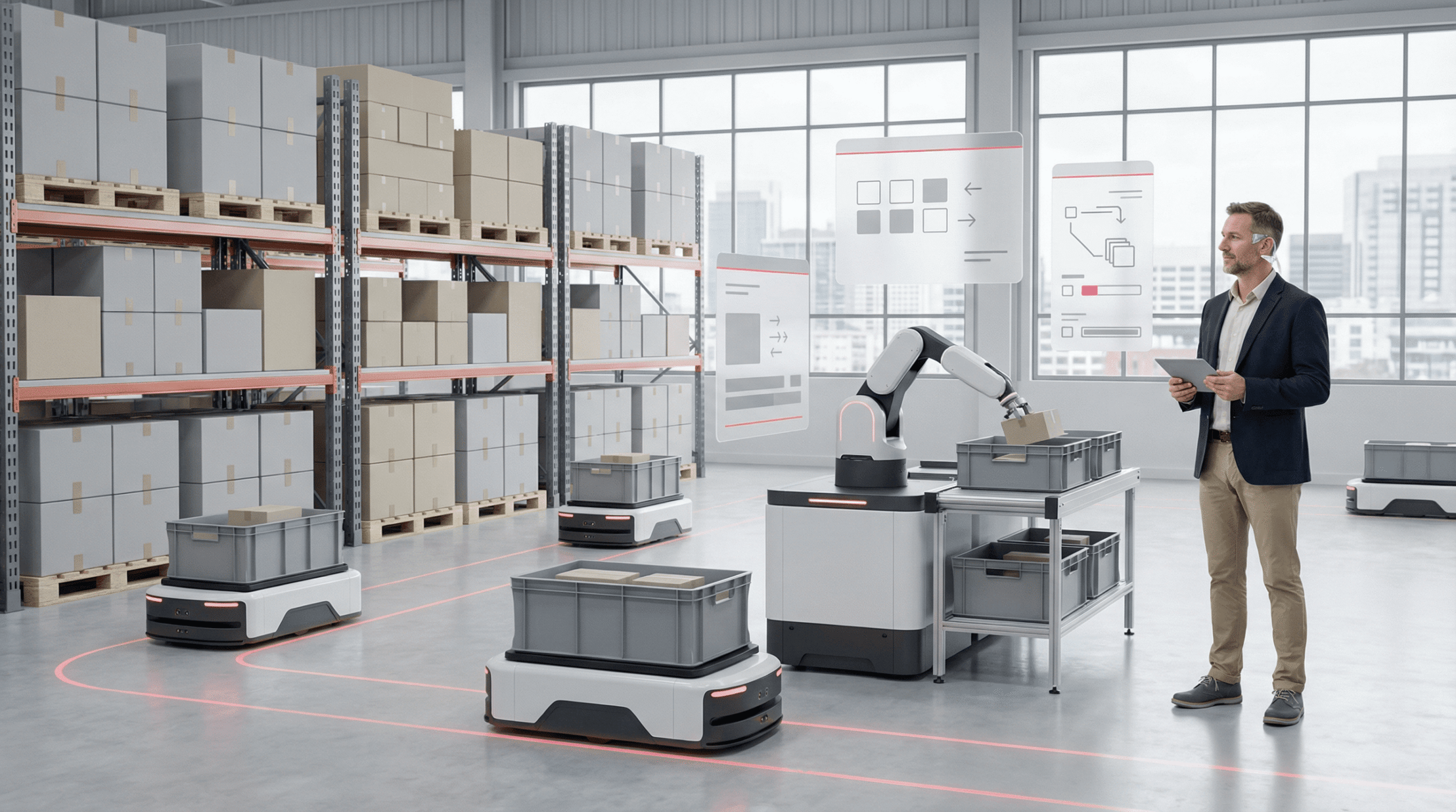
Orders are up. Labor is short. Customers want fast shipping. Storeroom industrial robotics in Oakland helps warehouses keep up with all three.
Warehouse robots take over the repetitive tasks that slow down whole shifts. Pallet moves, bin transport, and stock counts all work well with robot automation when the floor plan and software match. Good systems build steady output from dock to ship.
Oakland sites deal with port traffic, city routes, and tight floor space. That is why storeroom industrial robotics in Oakland is now a key topic for teams that compare warehouse automation companies and plan for growth.
Why storeroom industrial robotics in Oakland matters for warehouse automation companies
Local demand outpaces what manual teams can do
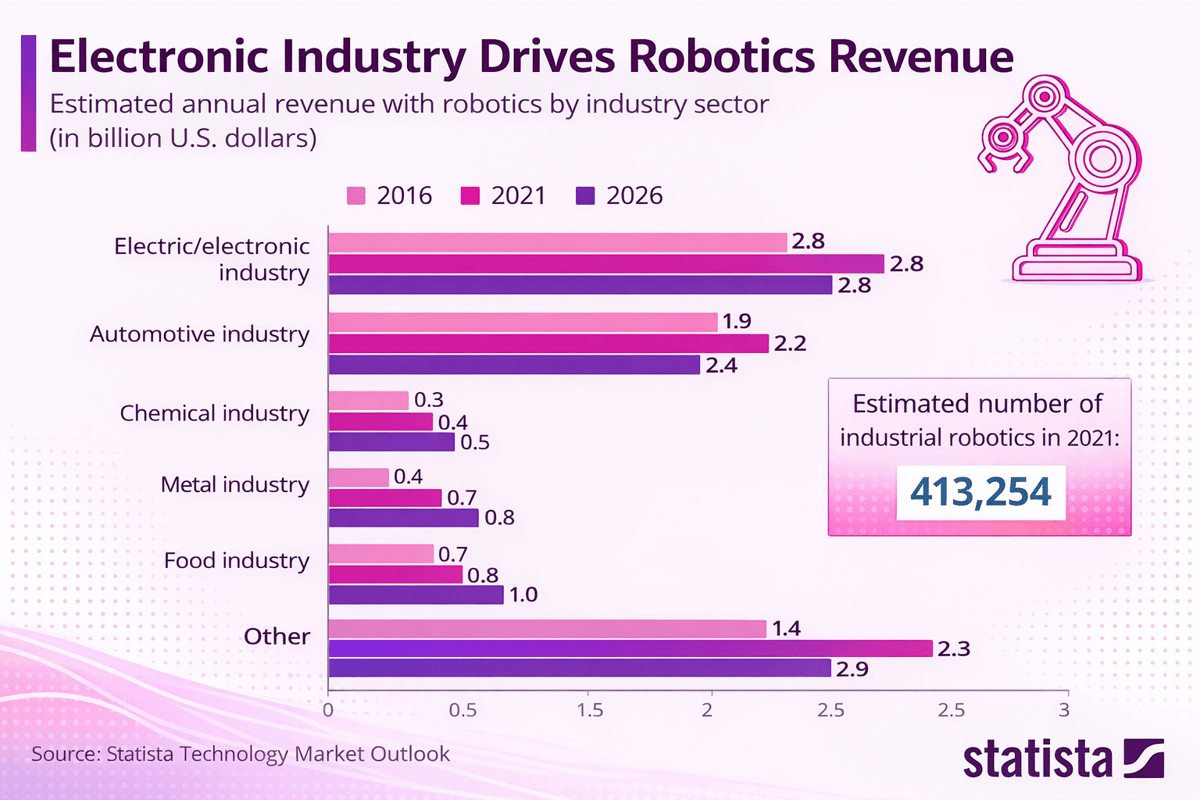
Storeroom industrial robotics in Oakland matters because demand moves fast. Manual teams have a hard time keeping up. Delivery windows are short. Labor costs are high. Accuracy targets are tight. Flexible automation is now a real need, not a plan for later.
Oakland is a top market for warehouse automation companies. Sites near ports and city hubs need tools that work fast and stay on. Storeroom industrial robotics in Oakland puts those tools on floors that run all week long.
Good robot automation does more than cut jobs. It holds steady output through peak days and staff gaps. Managers move goods with fewer steps and fewer mistakes.
The value shows up in daily ops. Orders ship on time. Stock counts are clean. Returns go down. That is a real win for any team under pressure.
Why mobile robots beat fixed systems in active storerooms
Autonomous warehouse robots adjust to new routes and new tasks. Fixed gear works well when the flow is stable. But many storerooms change from week to week. Storeroom industrial robotics in Oakland fits sites where SKU mix and order size shift often.
Warehouse robots give firms a clear path to gains. Travel time drops when bots run repeat moves from rack to pack. Pick rates go up when software drives each task and checks each step.
Some sites need full sorting and convey systems. Others do better with small groups of automated warehouse robots that scale up with no big build. That choice comes down to SKU count, aisle size, and growth plans.
- Storeroom industrial robotics in Oakland fits sites with high change and fast flow.
- Warehouse automation companies can fix labor, speed, and error issues with less risk.
- Automated warehouse systems work best when they fit real ops, not just specs.
Storeroom industrial robotics in Oakland is a clear step toward a more stable and faster warehouse.
A site that runs well today still needs a plan for next year. Order volume grows. Staff turnover stays high in many markets. Fuel and rent costs do not drop. Automation helps absorb that pressure before it becomes a problem.
The first win is often small. One zone. One robot type. One task. But that win builds trust in the team and data in the system. From there, the next step is easier to plan and easier to fund.
How robot automation is changing warehouse robots and daily operations
From slow reaction to fast floor control
Robotic automation now drives how warehouses move, count, and store goods. In the storeroom of industrial robotics Oakland projects, machines take the tasks that once slowed each shift. Travel time drops. Labor plans get easier. Order flow picks up.
Old warehouse robots did one job in one spot. New fleets share data and react to live demand. A picker starts sooner because an autonomous warehouse robot brings the next bin to the station.
Robotic warehouse systems change how floor leads manage each day. They see traffic build early and shift work before delays grow. In the storeroom industrial robotics Oakland sites, that view keeps receiving, putting, and picking in sync all day.
- Automated warehouse robots cut empty travel on long storage rows.
- Automated warehouse systems set work by stock spot and order rank.
- Warehouse robots keep output steady at peak times and shift turns.
Small daily wins that stack up fast
Workers spend less time looking for pallets or waiting for stock. Managers get clean data, which cuts short picks and stock gaps.
Many warehouse automation companies now build for mixed work. People deal with edge cases, fragile goods, and checks. Robots run routine moves, scan cycles, and repeat tasks that wear staff out over time.
Storeroom industrial robotics Oakland plans focus on timing, not just speed. Fast moves help. But the biggest wins come when robot runs, staff hours, and restock rules all link through an automated warehouse control system.
Connect Shopify, draw your floor, pick an order - free plan, 7-day full trial, no credit card, no sales call.
Key benefits of autonomous warehouse robots for speed, accuracy, and safety
Speed and steady output on every shift
Autonomous warehouse robots change how fast a warehouse runs. They move goods on set paths, line up tasks in order, and cut travel time from rack to pack. In storeroom industrial robotics Oakland projects, speed means more orders out the door with the same staff.
Fast moves matter most when demand shifts by the hour. Warehouse robots run through peak times with steady cycles and few slowdowns. That gives floor leads a clear view of output and helps them match staff to real demand. Many facilities combine robots with a warehouse management system WMS to improve visibility and coordinate work across the floor.
Accuracy and safety that protect the bottom line
Accuracy goes up because robots follow set paths and system rules. Sensors, spot data, and automated warehouse systems cut missed scans, bad moves, and double picks. In the storeroom industrial robotics Oakland ops, clean data means fewer problems at the end of the shift. Some facilities also use automated storage and retrieval systems AS RS to improve inventory accuracy and reduce manual handling.
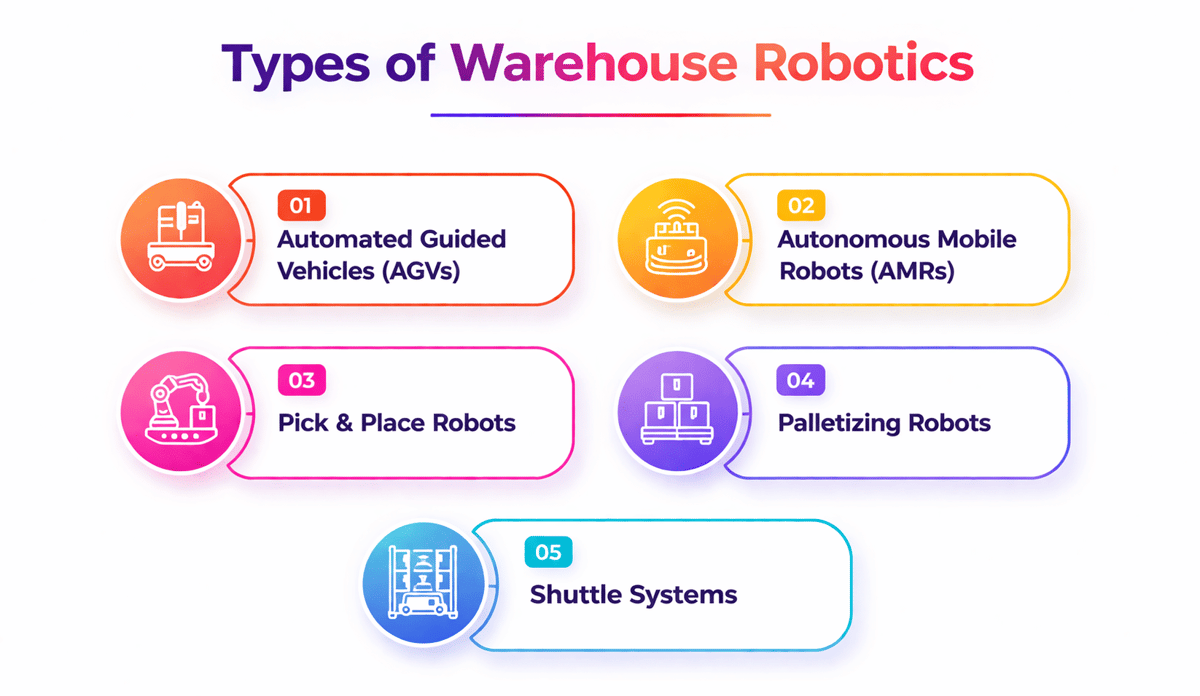
Robotic warehouse systems also help with slot and restock control. When moves are tracked live, staff find goods fast and pick items with less work. Small pick errors can hold up trucks, add returns, and cut margin. Many operations use autonomous mobile robots AMRs to transport inventory between storage locations and picking zones, while automated guided vehicles AGVs support repetitive material movement.
Safety wins are just as big as speed gains. Automated warehouse robots run the repetitive moves that cause strain, fatigue, and near misses with carts or forklifts. In most storeroom industrial robotics Oakland sites, the shift cuts manual travel and frees staff for checks and edge cases. Some facilities also use unmanned aerial vehicles for inventory inspections and stock verification.
Robots stop when aisles are blocked. They reroute and log data for review. Those logs help teams fix travel lanes and make better robot automation calls over time. When connected to a warehouse management system WMS, automated storage and retrieval systems AS RS, and autonomous mobile robots AMRs, warehouses can improve speed, safety, and the ability to pick items accurately during peak demand.
The best gains come from matching robot jobs to real site limits. Many warehouse automation companies push transport, pick support, and stock moves first. Those tasks pay off fast with less change to existing work. That fit is why storeroom industrial robotics in Oakland stays key to strong automated fulfillment.
Comparing robotic warehouse systems and automated warehouse systems
What sets these two types apart
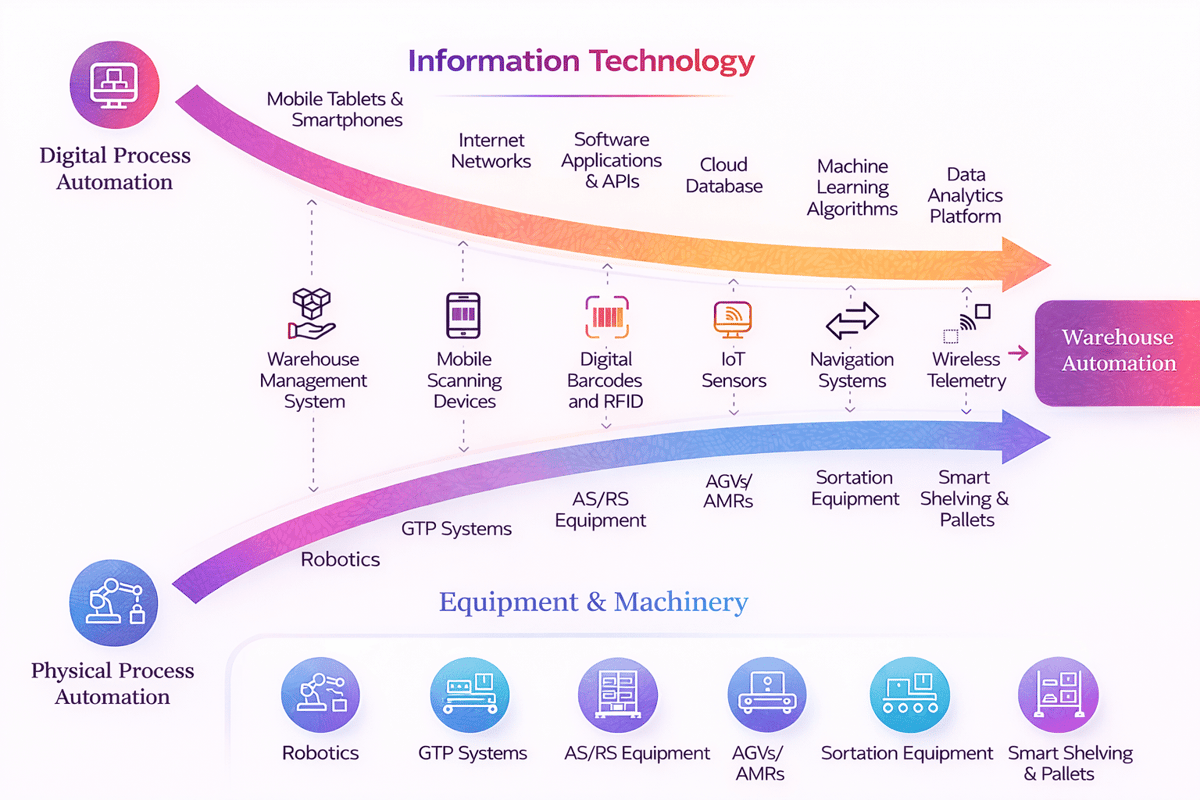
Robotic warehouse systems and automated warehouse systems look alike but are not the same. A robot system runs on movement, sensing, robotic arms, and machine tasks. A fully automated system adds software, belts, scanners, sort lines, and controls that tie the whole site together.
In many storeroom industrial robotics Oakland jobs across the San Francisco Bay Area, that gap shapes cost and scope. Warehouse robots may run picks, moves, or restock in one part of the site. Automated systems link those tasks to stock logic, order rules, labor plans, and improve material handling.
Autonomous warehouse robots bring flex to fast-changing sites. They reroute and adjust on the fly. Fixed automation works best when the flow is stable and paths stay the same. The result is enhanced efficiency, better throughput, and more reliable warehouse operations.
How to pick the right fit for your site
Automated warehouse robots work well when a site needs quick wins with no full rebuild. They fit in current aisles with less change. Fully automated systems need more setup but can handle more volume from the dock to the ship.
- Robotic warehouse systems run physical tasks such as move, pick, and put.
- Automated warehouse systems link machines, data, stock rules, and order flow.
- Robot automation scales fast when demand shifts in the week.
- Fixed automation gives strong output when SKUs, volume, and routes stay the same.
The right choice depends on SKU count, aisle length, labor cost, and growth plans. Most storeroom industrial robotics Oakland teams do best with mobile robots plus software controls and solid warehouse layout planning.
Top use cases for automated warehouse robots in storage, picking, and inventory
Storage and put-away
Automated warehouse robots add the most value on high-volume repeat tasks. Storage moves, order picks, and stock counts all fit that model well. In storeroom industrial robotics Oakland projects, these are often the first tasks to show big gains.
Put-away is a strong first step for warehouse robots. Robots move pallets, totes, and cases from receiving to storage at a set pace. That cuts travel time for lift drivers and keeps aisles clear on busy days.
Dense storage also gains from robotic warehouse systems. Robots run mapped paths and slot goods by size, weight, and turn rate. A team checking out 30 Warehouse Automation Companies often ranks storage automation high because it cuts waste and lowers errors.
Picking and stock control
Goods-to-person stations let autonomous warehouse robots bring items to staff instead of sending staff across the floor. That can cut pick paths by miles each day and push order speed up.
Piece picks work well in mixed-SKU sites. Batch picks go faster when robots sort orders by zone or rank. For many storeroom industrial robotics Oakland ops, this helps most in e-commerce, parts, and fast-turn wholesale lines.
Stock control is another strong fit for robot automation. Mobile robots scan codes, read shelf spots, and check counts against the WMS. Teams catch gaps fast and avoid rush restock.
Cycle counts get less painful with automated warehouse systems. Robots scan after hours or in slow windows. Daily ship work keeps moving while stock data stays clean.
The best storeroom industrial robotics Oakland plans match robot tasks to the work that repeats the most and slows people down the most. Then they grow from there using solid warehouse optimization tips.
Returns are another area where automated warehouse robots add value. Robots can sort return items by SKU, condition, and restock path. That speeds up the returns loop and keeps the WMS data clean.
Cross-docking also works well with robot support. When inbound goods do not need long-term storage, robots can route them straight to the outbound dock. That cuts, touches, and saves time on high-turn SKUs.
How to evaluate warehouse automation companies for storeroom industrial robotics Oakland projects
Go beyond the demo
Good vendor picks start with fit, not flash. A firm may sell top-tier robotic warehouse systems but miss your slot rules, aisle size, or order type. The best partner for storeroom industrial robotics, Oakland, shows how their design fits your real site.
Local know-how matters as much as broad track records. A vendor with storeroom industrial robotics Oakland work behind them knows local site limits, labor trends, and service needs. That cuts startup time and avoids costly layout fixes.
Technical depth should go past the robots. Strong warehouse automation companies link warehouse robots with scanners, belts, ERP data, and safety gear. Their team should explain how automated warehouse systems deal with edge cases, charging, and peak times.
- Case studies should show real gains, such as faster picks or fewer errors.
- Support plans should list response times, spare parts, and training scope.
- System design should allow growth without a full swap.
Check the numbers and the software
Flex often splits a strong partner from a weak one. Some automated warehouse robots struggle with mixed loads, returns, or rush jobs. A solid team will say where autonomous warehouse robots work best and where manual work still makes sense.
Robot automation jobs need clear money models. A solid bid ties labor savings, output gains, and upkeep costs to your real order counts. For storeroom industrial robotics Oakland plans, those details help leaders pick facts, not promises.
Software needs as much focus as hardware. Even great automated warehouse systems fail when reports are weak or data sync breaks. The best choice for storeroom industrial robotics Oakland jobs includes solid inventory software for the warehouse.
Ask each vendor to walk through a failure case. What happens when a robot stops mid-aisle? Who gets the alert? How fast is the fix? The answers reveal a lot about real support quality.
Reference checks with active Oakland-area users are worth the time. A site in a similar market with similar SKU counts will tell you more than any brochure. Real users share both the wins and the problems.
Costs, ROI, and planning considerations for robotic warehouse systems
What drives cost, and what drives return
Cost models for robotic warehouse systems vary by size, layout, and order volume. A small start may use mobile units and software only. A full-storeroom industrial robotics Oakland project often adds charge stations, sensors, network gear, and system links.
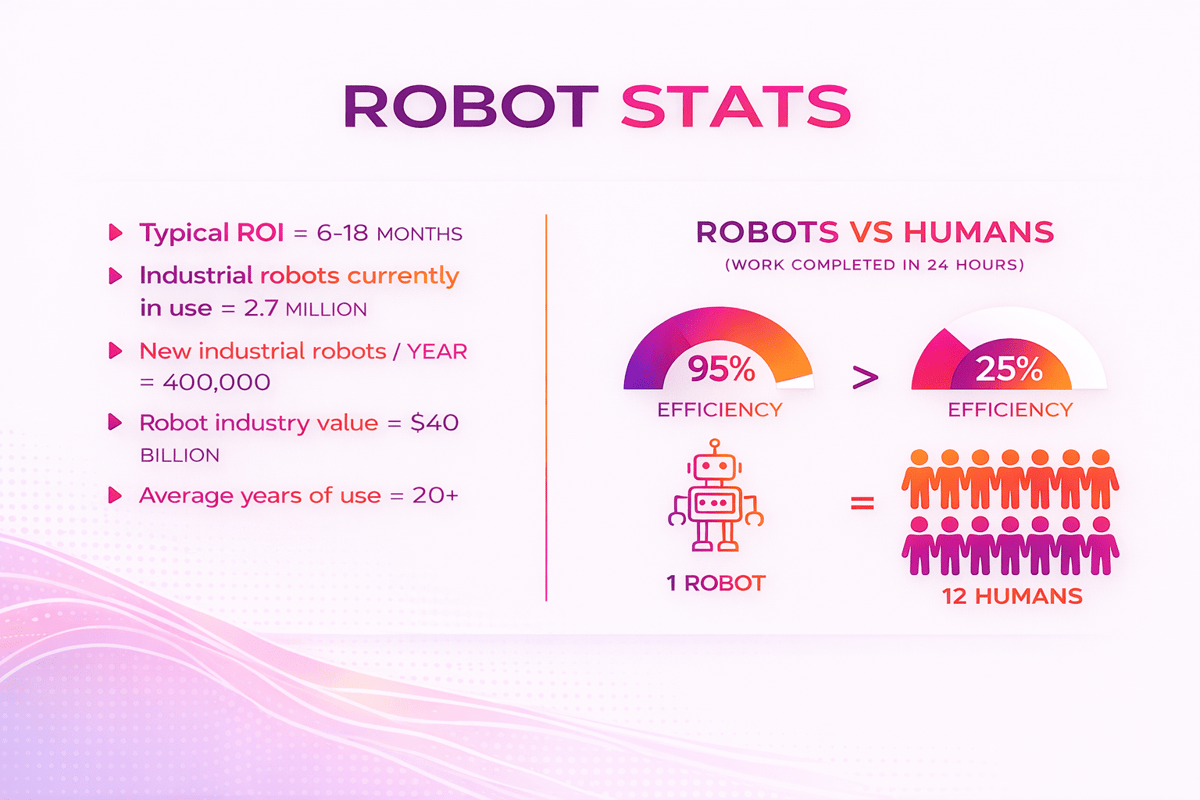
Labor saves drive the clearest return. When warehouse robots cut travel time on picks, the math is simple. Fewer errors also add up. Less rework, fewer returns, and lower credits all help the margin.
Most teams look at ROI in three areas:
- Direct labor change, including overtime, temp staff, and role shifts
- Output gains at peak times and late shifts
- Stock accuracy, damage rates, and order quality
Autonomous warehouse robots can speed up payback when demand swings by season. They add output without a long hiring cycle. The best business case often shows up at sites with high SKU counts and frequent restock moves.
Plan in phases to protect cash flow
Planning should start with your own data, not vendor claims. Travel time per pick, dock delays, and slot logic all shape the value of automated warehouse robots. A site with poor bin order may need a cleanup pass before automation pays off.
Software fit needs the same focus as hardware cost. Automated warehouse systems work best when they link directly to the WMS, ERP, and order tools. In a storeroom industrial robotics Oakland rollout, poor data flows can delay results more than the robot setup itself.
A phased launch cuts risk and saves cash. Teams test one zone, check pick rates, and confirm uptime before they grow. That gives storeroom industrial robotics Oakland teams a clear view of labor change, service levels, and warehouse inventory tracking.
Lease and as-a-service models can also lower the cost to start. Some warehouse automation companies offer robot fleets on a per-pick or monthly plan. That cuts upfront spend and lets teams scale up or down as demand changes.
A pilot should run for at least 60 to 90 days before a wider launch. That time frame covers peak days, shift changes, and slow periods. It gives the team real data to work from, not just demo numbers.
Best practices for implementing autonomous warehouse robots without disrupting operations
Start with one zone and learn fast
A slow rollout keeps output up while new tools come online. In storeroom industrial robotics Oakland projects, the best results come from step-by-step starts, clear process maps, and close floor checks. Service stays stable through the change.
Pick one workflow with repeat volume and clear rules to start. Good early targets are pallet moves, zone restock, and stock checks with autonomous warehouse robots. These tasks give fast data and expose layout problems before a wider launch.
Storeroom industrial robotics in Oakland plans work best when paths stay simple at first. Mixed traffic needs lane marks, stop zones, and clear right-of-way rules for staff and robots. Small floor changes often stop the delays that software cannot fix.
- Map each hand-off between staff, carts, lifts, and warehouse robots.
- Test charging, shift timing, and error steps before peak days.
- Track pick rates, travel time, and error counts from day one.
Link the robot work to the full site plan
Staff take to automated warehouse robots faster when they know the task limits, safety rules, and fix steps. Floor leads need live views of queue build, blocked paths, and idle units.
A strong site plan links robot work to upstream and downstream tasks. That link matters when robotic warehouse systems feed pack stations, restock teams, and dock plans. Many warehouse automation companies focus on machine stats, but the real risk is often poor process links.
Peak prep needs extra focus in the storeroom, industrial robotics, and Oakland rollouts. Stress tests should use holiday volumes, staff gaps, and late truck data, not just normal days. Early stress tests help leads fix jams before customers feel them.
Steady checks and fast fixes are what keep results strong. Good robot automation needs clean slot data, real travel rules, and labor plans that match robot output. Long-term control gets better when robot data feeds a warehouse labor management system.
Conclusion
Storeroom industrial robotics in Oakland is a real step toward better warehouse output. Strong automation plans link labor, software, and tools into one steady flow. Teams move goods faster, count stock with fewer errors, and keep aisles safer through busy periods.
The best results come from matching tools to real site needs. Autonomous warehouse robots fit repeat travel and transport well. Robotic warehouse systems also back-pick, restock, and perform stock counts as order volume grows.
Cost matters, but long-term value matters more. Well-planned automated warehouse systems cut waste, shorten train time, and reduce avoidable errors. For most teams, that makes storeroom industrial robotics in Oakland a smart business call and a practical guide, not a short-term test.
Vendor choice shapes results just as much as the machines do. Skilled warehouse automation companies help map workflows, test fit, and stage rollout with less risk. That gives warehouse robots and automated warehouse robots a better shot at strong gains from day one.
Smart robots automation works best when ops, data, and floor design all move as one.
If your site needs faster output and tighter stock control, start by finding your current process gaps. Then see where the storeroom industrial robotics in Oakland gives the best return. For more tips on daily ops, check out these warehouse efficiency tips.
 Google AI
  OpenAI ChatGPT
 Frequently Asked Questions
What is storeroom industrial robotics in Oakland?
Storeroom industrial robotics in Oakland refers to robotics solutions used to improve storage, picking, inventory handling, and internal transport in warehouse and storeroom environments. These systems often include warehouse robots, robotic warehouse systems, and software that helps businesses increase accuracy, reduce labor pressure, and streamline daily operations.
How can warehouse robots improve storeroom efficiency?
Warehouse robots improve efficiency by automating repetitive tasks such as moving inventory, locating products, and supporting order fulfillment. Businesses can reduce manual handling, speed up workflows, and improve inventory visibility. Many companies use autonomous warehouse robots and automated warehouse systems to create safer, more consistent operations.
Why are Oakland businesses investing in warehouse automation companies?
Oakland businesses are investing in warehouse automation companies to manage rising labor costs, faster delivery expectations, and growing inventory complexity. Automation helps improve throughput, reduce errors, and support scalable operations. For manufacturers, distributors, and logistics providers, robot automation can provide a practical path to long-term operational efficiency.
What types of robotic warehouse systems are commonly used in storerooms?
Common robotic warehouse systems include autonomous mobile robots, automated storage and retrieval systems, robotic picking tools, and conveyor-integrated solutions. These technologies help move goods, track stock, and support order accuracy. Depending on the operation, businesses may choose automated warehouse robots for transport or specialized systems for storage and retrieval.
Is storeroom industrial robotics in Oakland suitable for small and mid-sized businesses?
Yes, storeroom industrial robotics in Oakland can be a strong fit for small and mid-sized businesses, especially those looking to improve productivity without expanding labor-heavy processes. Many modern warehouse automation companies offer flexible systems that scale over time, making adoption more practical for growing operations with limited space or budget.
What should companies consider before adopting automated warehouse robots?
Before adopting automated warehouse robots, companies should review facility layout, inventory flow, integration needs, safety requirements, and expected return on investment. It is also important to evaluate how the new system will work with existing software and staffing. A clear implementation plan helps ensure robotic solutions deliver measurable business value.
I specialize in building scalable eCommerce systems powered by AI and automation. My work focuses on growing sales across Amazon, eBay, and Etsy through technology integration, data-driven strategies, and performance optimization. I also publish articles and insights about eCommerce technology, warehouse operations, and multichannel growth.
You may also like

Enterprise parcel shipping software: what to check before you buy
Choosing the right enterprise parcel shipping software lowers logistics costs, boosts delivery performance, and simplifies complex carrier operations at scale. Explore the essential features, benefits, and selection criteria to optimize your multi-carrier strategy today.

Warehouse order fulfillment software: features and use cases
Warehouse order fulfillment software helps businesses streamline inventory, picking, packing, shipping, and returns from one connected platform. This brief outlines key benefits, features, use cases, and buying criteria for choosing fulfillment software that scales.

Inventory management cloud: how it works and when to switch
An inventory management cloud helps businesses track stock, automate workflows, reduce errors, and make faster decisions from anywhere. Benefits, use cases, selection criteria, and practical steps for adopting cloud-based inventory tools with confidence.