
Warehouse management strategies for layout, picking and labor
 Daniel Brooks
·
· 15 min read
Daniel Brooks
·
· 15 min read

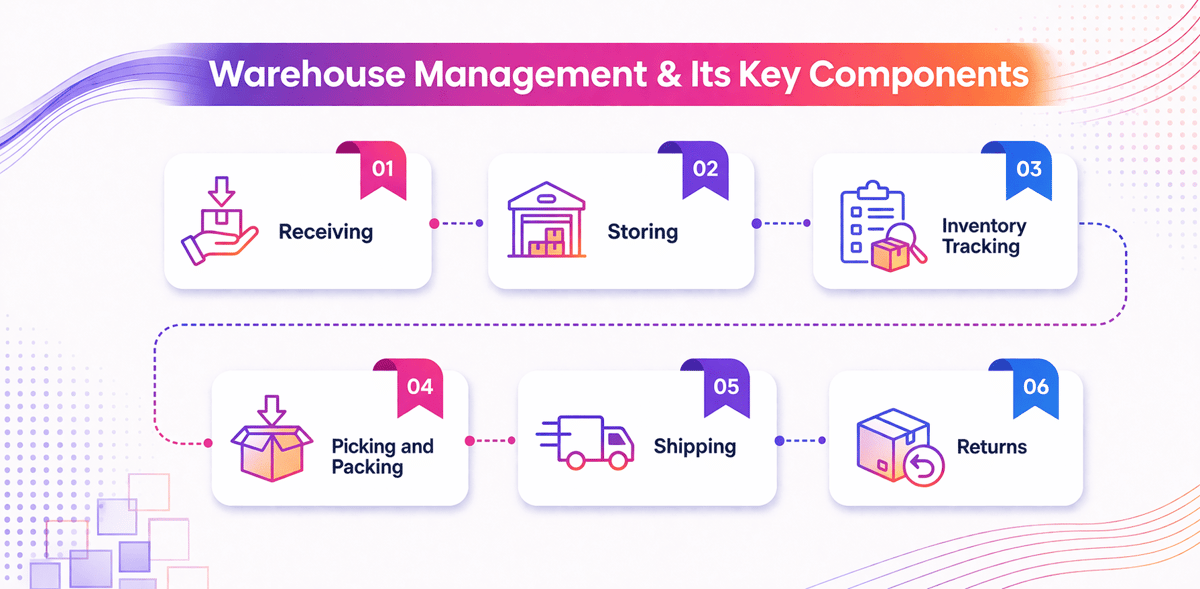
Warehouse management strategies shape cost, speed, and service. Stock movement and order flow depend on them. When systems drift, errors grow. As a result, margins drop fast.
A busy warehouse rarely fails for one reason. In most cases, small gaps build up over time. Gaps appear in receiving, storage, picking, and shipping. Strong warehouse management strategies help remove them early.
Effective warehouse management relies on clear rules and clean data. Layout also plays a key role. Shorter paths reduce travel time and repeat handling. Even small changes can lower errors and save labor hours.
Many teams focus only on speed. However, accuracy drives profit. A fast pick has little value if the item is wrong. For this reason, warehouse management best practices balance speed with control.
Technology supports daily work. Still, software alone cannot fix weak processes. Strong warehouse management system best practices start with clear steps. Systems then help track work and guide decisions.
Common results of strong warehouse practices:
- Shorter travel paths for pickers
- Fewer checks before packing
- Cleaner inventory data
- Faster response to demand changes
In short, strong warehouse management strategies create a steady flow and better control. Better service and lower cost follow from this approach.

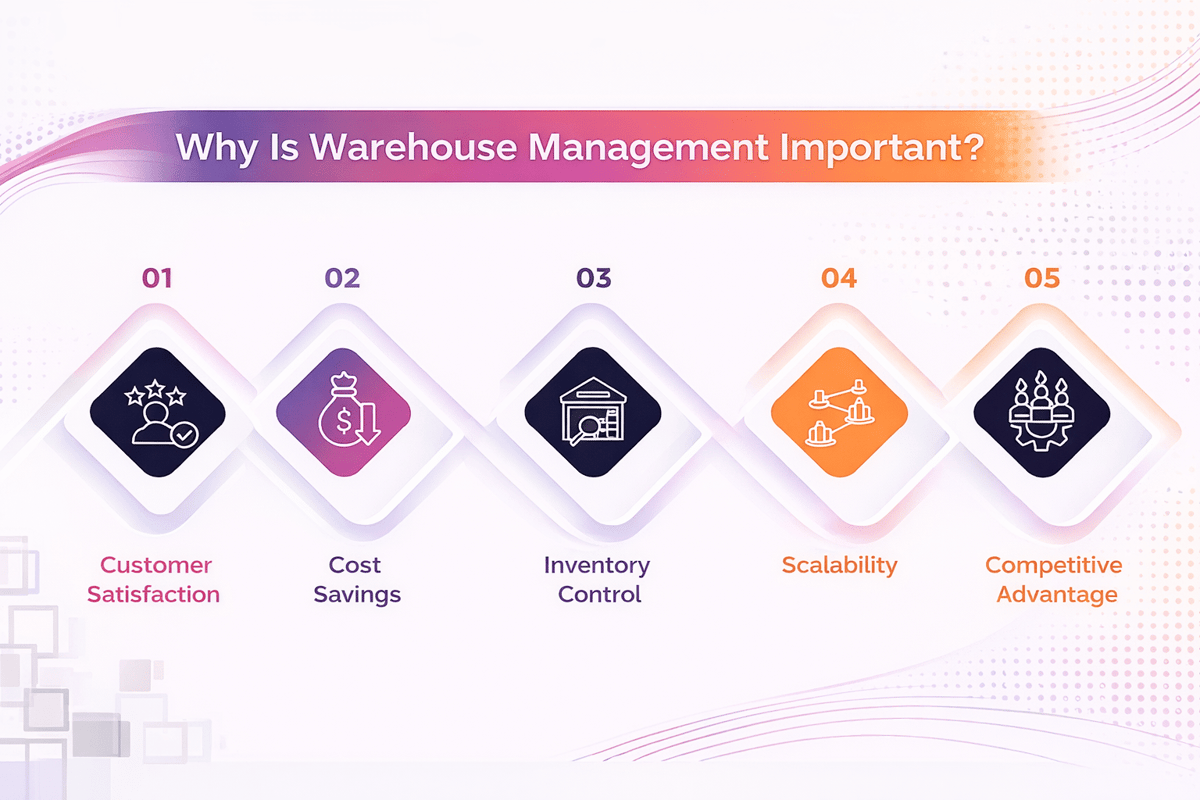
Why warehouse management strategies matter for modern operations
Best practices warehouse inventory management for accuracy and control
Inventory accuracy drives warehouse performance. Stock errors delay orders and raise labor costs. Planning also suffers when the data is wrong. Strong warehouse management strategies create control. Each step connects receiving, storage, picking, and counting.
Clean item data is the starting point. Each SKU needs a clear name and unit. A barcode and storage rule are also required. This base supports good warehouse inventory management.
As a result, teams find stock faster. Each move follows the same method. Many common errors disappear.
Location accuracy and cycle counting
Location accuracy also matters. Each product needs a fixed home. Overflow space and putaway rules should be clear. When locations stay correct, reorders run faster. Pick paths also stay stable.
Core inventory control practices:
- Cycle counting finds small errors early
- Barcode scanning reduces manual mistakes
- Lot and batch tracking support traceability
- Clear receiving checks to stop bad data at the dock
Cycle counting works best with the right frequency. Fast items need more checks than slow ones. Effort stays focused where errors cost more.
A strong system separates stock issues. Physical errors differ from system errors. Shelf counts may fail due to receiving or returns. Therefore, reviews should fix the root cause. Recounts alone do not solve the problem.
Real-time updates and shift consistency
Real-time updates keep records accurate. Scanning at each step keeps data fresh. Planners can trust the available stock.
Consistent work across shifts improves control. The same steps reduce errors and stock loss. Fewer rush orders appear during the day.
For teams refining accuracy and control, the next step often involves practical warehouse optimization tips.
Connect Shopify, draw your floor, pick an order - free plan, 7-day full trial, no credit card, no sales call.
Warehouse best practices for layout, picking, and putaway efficiency
Layout decisions shape travel time, accuracy, and output. Good warehouse management strategies place fast items near packing and shipping. Slow items stay in reserve areas. This keeps core zones clear.
Clear aisle design supports safe movement. Wide paths help forklifts move with ease. Foot traffic stays smooth. In addition, clear labels and signs reduce search time.
Putaway works best with simple rules. Location should match product demand. Heavy items need stable spots near receiving. Fragile or high-value items need more control and fewer moves.
Many warehouse best practices depend on flexible slotting. Product mix often changes. A fixed layout creates extra steps. Therefore, regular reviews keep space aligned with demand.
Choosing the right picking method
- Batch picking reduces repeat travel. It fits orders with shared items.
- Zone picking works well in large spaces. It lowers congestion.
- Wave picking aligns work with shipping times. Orders leave on schedule.
The best method depends on order size and SKU count. Service goals also matter. Strong warehouse management strategies link process design to output. As a result, walking time drops and errors stay low.
Clean data also supports faster putaway. Teams assign locations with less delay. Good data helps balance forward pick and reserve stock.
Cross-docking and layout reviews
Fewer touches improve warehouse flow. Cross-docking helps when inbound stock matches demand. Goods move faster, and storage needs drop.
Layout reviews work best with data and floor input.
Many companies support that effort with a warehouse labor management system.
Warehouse management best practices for labor, safety, and productivity
Strong labor planning is key in warehouse management. Staffing should match order volume, shifts, and tasks. When this aligns, teams work faster, and overtime stays low.
Cross-training adds flexibility during busy times or absences. For example, a picker who can also receive or restock keeps work moving. This reduces delays across the day.
Clear standard work improves results. Workers do better when steps stay the same. Travel paths, scans, and packing rules should be consistent. As a result, training is faster, and errors stay low.
A predictable workplace improves both safety and output. Marked paths, clean areas, and clear signs prevent incidents. Good lighting and easy access to tools reduce fatigue later in the shift.
Safety habits that also improve performance
- Daily equipment checks reduce downtime and risks.
- Short pre-shift meetings help spot hazards early.
- Smart item placement reduces strain and travel time.
- Simple boards show output, errors, and safety levels.
Labor data makes decisions clearer. Managers track picks per hour, idle time, and rework. Therefore, they see where to improve the layout or coaching.
Fair rewards help maintain pace without risk. The best scorecards track speed, accuracy, and safety together. This supports strong warehouse management without lowering quality.
Linking labor to system tools
Technology also plays a role when labor planning links with warehouse management system best practices. Task interleaving and real-time dashboards help managers respond before delays spread. The strongest results appear when labor, safety, and output decisions connect back to warehouse layout planning.
Effective warehouse management through data, KPIs, and continuous improvement
Data turns daily warehouse activity into clear signals. Strong warehouse management strategies depend on timely numbers. Teams that review trends each week spot delays, stock issues, and labor gaps before they grow.
Effective warehouse management starts with a small set of useful KPIs. Order accuracy, dock-to-stock time, pick rate, inventory variance, and on-time shipment rates all show where work slows down. However, when leaders track too many measures, focus spreads thin and action stalls.
A good KPI set links floor activity to business results. Faster putaway cuts search time. Fewer mispicks cut returns and rework. As a result, these links make warehouse management strategies easier to defend across finance and operations.
KPIs worth tracking every week
Most useful KPIs for warehouse operations:
- Order accuracy: shows how reliably teams pick and pack. It directly reflects customer experience.
- Inventory variance: reveals gaps between records and physical stock. These often point to process breakdowns.
- Labor cost per order: helps compare output across shifts. It identifies where gains are possible.
- Cycle count accuracy: supports best practices in warehouse inventory management by showing data quality over time.
Raw numbers matter less than context. For example, a pick rate may look strong while travel time keeps rising. That pattern often points to poor slotting, congestion, or weak restock timing.
Useful warehouse management best practices compare labor, space, and inventory data together. That view reveals patterns that single KPIs miss.
Building a review cycle that sticks
Warehouse best practices also depend on a steady review cycle. Short daily checks help managers catch exceptions early. In addition, weekly trend reviews create space for root cause work. Monthly reviews then test whether process changes delivered real gains.
Warehouse management strategies improve when teams treat problems as repeatable patterns. A late shipment is not just a service issue. It may trace back to receiving delays, missing scans, or poor reorder rules. Therefore, that mindset supports steady improvement.
The strongest gains come from small changes tested often. Teams may adjust slotting for fast movers or revise pick paths. Over time, those decisions build sharper warehouse management strategies and more dependable warehouse inventory tracking.
Warehouse management system best practices for automation and visibility
Good visibility depends on more than reports alone. The best systems integrate labor activity, inventory status, and order priority in a single view. That makes warehouse management strategies more practical. In other words, managers can match work to demand as conditions change.
Among the most reliable warehouse best practices is regular review of system exceptions. Short cycle counts, scan checks, and slotting reviews keep data close to reality. When those habits support the software, teams gain a stronger automated warehouse control system.
Comparing manual processes and digital tools in warehousing best practices
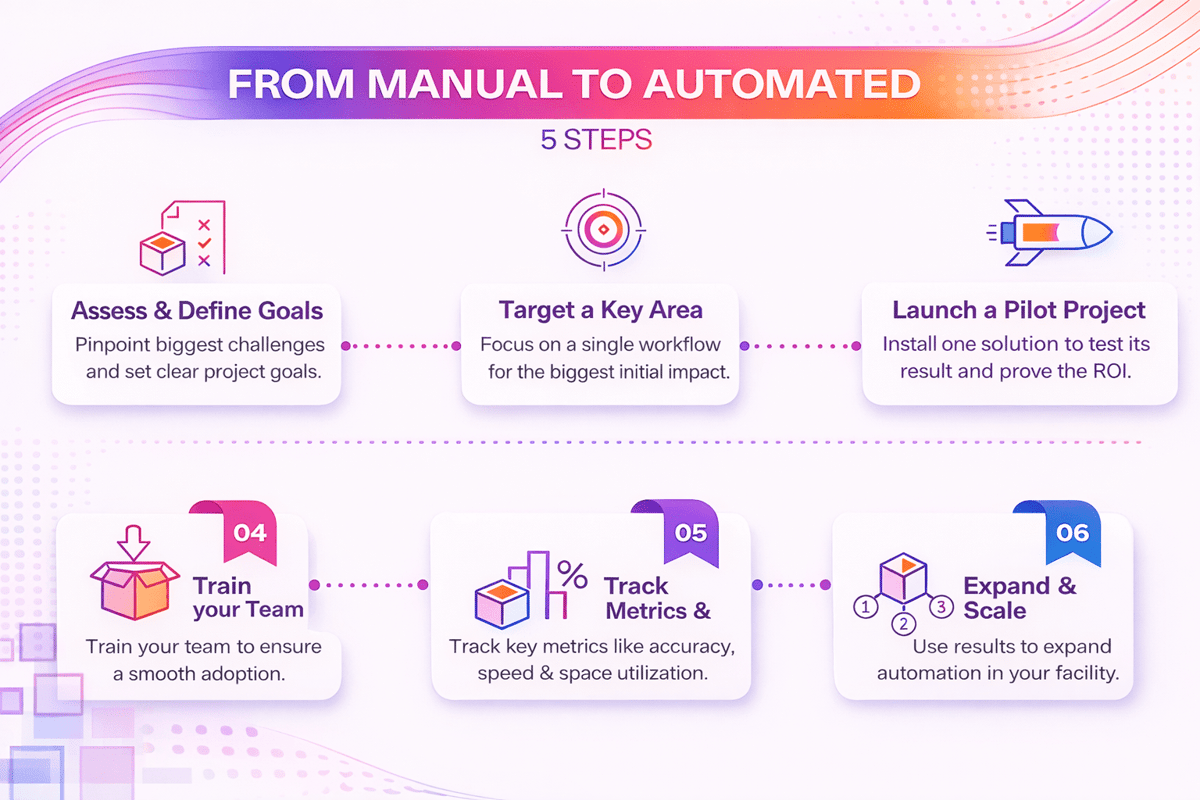
Manual workflows still fit some small warehouses. Paper pick lists and spreadsheets cost less at first. However, they can only work when order volume stays low and product lines stay simple.
Problems appear as volume rises. Teams spend more time checking counts, fixing entry errors, and searching for stock. Therefore, those delays weaken warehouse management strategies that depend on speed and accuracy.
Digital tools change the pace of daily work. Barcode scanning records each move at the point of action. In addition, dashboards show stock levels, open orders, and labor activity without waiting for end-of-day reports.
Where the gap shows up most
The gap between manual and digital methods often shows up in four key areas:
- Receiving: Manual receiving depends on handwritten notes. Digital receiving confirms items in real time.
- Picking: Paper-based picking slows route changes. Mobile tools adjust tasks as demand shifts.
- Cycle counts: Counts take longer in spreadsheets. System-guided counts narrow the search area.
- Reporting: Manual reporting lags by hours or days. Live data supports faster decisions.
Warehouse best practices usually favor digital control when operations grow more complex. A system creates one source of truth for inventory, locations, and task status. As a result, that structure supports effective warehouse management across multiple shifts, channels, and sites.
Manual methods still offer value in specific cases. For example, they help teams test a new process before buying software. They also suit low-SKU operations where staff know products well and daily demand stays stable.
Even then, limits remain clear. Manual tracking depends heavily on memory and consistent habits. In contrast, digital records support best practices in warehouse inventory management because they reduce guesswork and create a stronger audit trail.
Choosing the right tools for your business model
The strongest warehouse management strategies rarely treat technology as the whole answer. Good process design still matters. Clean data matters just as much. When both align, digital warehousing best practices create faster execution. They also improve decisions across the warehouse and order management software.
Applying best practices across different types of operations
Warehouse management strategies work best when they match order volume, product mix, and service goals. For example, a small distributor needs simple controls. In contrast, a national retailer needs tighter slotting rules, faster picking paths, and stronger system discipline across sites.
Ecommerce operations depend on speed, return handling, and clear order status. In that setting, warehouse management strategies often focus on batch picking, real-time updates, and packing accuracy.
Wholesale businesses care more about pallet moves, dock flow, and shipment timing. Therefore, effective warehouse management depends on clean staging and reliable restocking.
Manufacturers face a different set of pressures. Raw materials, work-in-process stock, and finished goods all need separate controls. As a result, strong warehouse management best practices in manufacturing connect storage rules with production schedules, lot tracking, and line-side availability.
Cold storage and food operations need strict date control and traceability. FIFO or FEFO rules shape putaway, picking, and cycle counts every day. These warehouse best practices reduce spoilage, support audits, and help teams respond faster during recalls.
Operation type quick guide
How different operation types approach warehousing:
- High-SKU businesses benefit from tighter slotting and frequent cycle counts.
- Bulk storage sites need clear aisle rules and stable restock timing.
- Seasonal operations need flexible labor plans and temporary overflow space.
Technology choices should also reflect the business type. Smaller teams may gain enough value from mobile scanning and basic dashboards. However, larger networks often need stronger warehouse management system best practices, including directed putaway, exception alerts, and labor tracking.
In summary, the strongest warehouse management strategies adapt without adding needless complexity. They fit the products, the people, and the pace of the business. That alignment creates a practical path to better accuracy, faster output, and long-term inventory optimization.
Common mistakes that slow down warehouse performance
Weak process discipline often causes more damage than limited space. Teams create workarounds, skip scans, and rely on memory when volume rises. As a result, accuracy breaks down and decisions slow across the whole operation.
Many firms also treat warehouse management strategies as a one-time setup. However, demand shifts, product mix changes, and staff turnover make that approach fragile. Strong warehouse management strategies stay current through regular review and small process changes.
Poor slotting creates waste that spreads through the whole operation. Fast movers end up far from packing stations. In addition, bulky items block travel paths. That layout weakens effective warehouse management because workers spend too much time walking.
Data quality and labor planning issues
Another common issue is weak data discipline inside the system. Item sizes, reorder points, and location codes drift out of date. Therefore, many warehouse management system best practices depend on clean master data and consistent scan behavior.
Labor planning often fails when managers chase daily output alone. Speed matters, but rushed training raises errors, damage, and rework. The Warehousing and Inventory Management Best Practices guide highlights how standard work supports both pace and accuracy.
Some warehouses measure too little, while others track the wrong numbers. A long KPI list can hide the few signals that matter most. In contrast, useful warehouse management best practices focus on pick accuracy, dock-to-stock time, order cycle time, and space use.
Why small errors compound over time
The most costly mistake is ignoring small errors until they become routine. Strong warehouse best practices catch issues early through audits, coaching, and clear ownership. Therefore, that discipline supports best practices in warehouse inventory management and builds trust in inventory tracking.
Conclusion: building better warehouse management strategies
Strong warehouse management strategies create control, speed, and consistency. They connect inventory accuracy, smart layout design, labor planning, safety, and system tracking into one working model.
When those parts align, teams spend less time fixing errors. As a result, they spend more time moving orders on schedule.
The most reliable results often come from steady discipline. Clear slotting rules, cycle counts, defined picking paths, and clean data support effective warehouse management over time. In addition, a good system helps managers spot delays early and keep service levels stable during demand swings.
Warehouse management best practices also depend on fit. A high-volume ecommerce site needs different controls than a parts distributor or cold storage facility. Therefore, strong warehouse management strategies usually combine standard processes with local adjustments.
Digital tools add value when they support real warehouse decisions. Strong warehouse management system best practices give teams real-time stock data, cleaner receiving records, and better task tracking. Paired with best practices in warehouse inventory management, those tools help reduce mispicks, shrink dead stock, and improve restock timing.
In summary, small wins often build momentum for broader warehouse best practices and stronger long-term results. For practical ideas that support smarter execution, explore these warehouse efficiency tips.
 Google AI
  OpenAI ChatGPT
 Frequently Asked Questions
What are the most effective warehouse management strategies?
The most effective warehouse management strategies focus on inventory accuracy, smart slotting, standardized workflows, and real-time performance tracking. Businesses should also improve receiving, picking, packing, and shipping processes to reduce delays and errors. Combining clear procedures with staff training and technology support helps create more efficient and scalable warehouse operations.
How can businesses improve warehouse inventory accuracy?
Businesses can improve inventory accuracy by using cycle counts, barcode scanning, and clear stock location rules. Strong best practices warehouse inventory management also include regular audits, accurate receiving procedures, and timely data updates. When inventory records match physical stock, companies can reduce stockouts, prevent overstocking, and support better order fulfillment.
Why is warehouse layout important for operational efficiency?
A well-planned warehouse layout reduces travel time, improves picking speed, and supports safer material movement. Placing fast-moving items in easy-to-reach locations and organizing zones by product type are common warehouse best practices. An efficient layout also helps teams handle higher order volumes while lowering labor costs and congestion.
How does technology support effective warehouse management?
Technology supports effective warehouse management by improving visibility, accuracy, and decision-making. Tools such as barcode systems, mobile scanners, and automation can streamline daily tasks. Following warehouse management system best practices, such as clean data setup, user training, and process integration, helps businesses get better results from their software investment.
What are common warehouse management best practices for reducing errors?
Common warehouse management best practices include standardized picking methods, clear labeling, employee training, and quality checks at key process points. Many warehouse management strategies also use scan verification and performance metrics to catch issues early. These steps help reduce shipping mistakes, improve customer satisfaction, and create more consistent warehouse performance.
How can companies make their warehouse operations more scalable?
Companies can scale warehouse operations by documenting processes, using flexible labor planning, and reviewing capacity regularly. Strong warehousing best practices also include demand forecasting, space optimization, and continuous improvement programs. As order volumes grow, scalable systems and disciplined workflows make it easier to maintain service levels without losing efficiency.
I specialize in building scalable eCommerce systems powered by AI and automation. My work focuses on growing sales across Amazon, eBay, and Etsy through technology integration, data-driven strategies, and performance optimization. I also publish articles and insights about eCommerce technology, warehouse operations, and multichannel growth.
You may also like

How to choose an ecommerce marketplace service provider for scalable growth
Learn how an ecommerce marketplace service provider helps businesses launch, manage, and scale a profitable ecommerce marketplace. Platform choices, vendor operations, software tools, management services, costs, and practical selection tips.

Ecommerce software solutions: features, costs and how to choose
Learn how to evaluate ecommerce software solutions for online stores, marketplaces, and retail teams. Essential features, vendor comparisons, implementation tips, and practical ways to choose software that supports growth, operations, and customer experience.

Multi-carrier shipping software: features and how to compare options
How multi carrier shipping software compares rates, prints labels, tracks orders and handles returns, and which features to check before you choose one for your store.