Growth breaks weak stock habits fast. Counts drift, restock calls are slow, and missed syncs spread across channels. Strong inventory management solutions give teams one clear view of stock, orders, and demand. The best inventory management solutions keep that view live.
That view counts when margins stay tight. A late stock sync can cause oversells, split shipments, or rush fees. The right inventory solutions help firms keep cash safe while service stays high.
If you also run warehouse ops, this ” How to Compare WMS Options “ guide adds useful context. The right inventory management solutions should match your everyday work and help you grow.
What Are Inventory Management Solutions and Why They Matter
Inventory management solutions track stock across buy, store, sell, and return steps. They give teams a clear view of what is on hand, what moves, and what needs action. That view drives better buy calls and steadier cash flow. Strong inventory management solutions create that view.
Most firms start with sheets. That works for a while, then faults grow as order volume rises. Missed stock syncs lead to back-orders, extra buys, and slow-moving goods that tie up cash.
Why growth changes inventory demands
A small op can run stock with sheets and each day checks. Growth breaks that fast. More goods, more sites, and more channels create gaps that simple tools miss.
Inventory management technology links buy, sell, and ship data in one place. That link cuts double entry and drops count faults. Teams spend less time fixing records and more time making buy calls.
The gains show up in real ways. Fewer stockouts. Lower carry costs. Faster cycle counts. When stock data is live and trusted, growth gets easier to run.
That is why most firms treat inventory management solutions as a core part of scale. See our guide to stock control software.
What the right system helps you see
The best inventory management solutions do more than count goods. They show which items sell fast, which tie up cash, and where delays start. Clear data helps spot trends before they turn into lost sales.
A strong inventory control management system also helps with planning. Buy orders align with demand, and cycle counts get easier. As order volume grows, those gains stop high-cost breaks.
Most buyers start with an inventory management software comparison or an inventory management software list. That helps narrow the field, but feature lists miss the full story. The best choice fits your everyday work and scales well.
How Inventory Management Technology Improves Accuracy
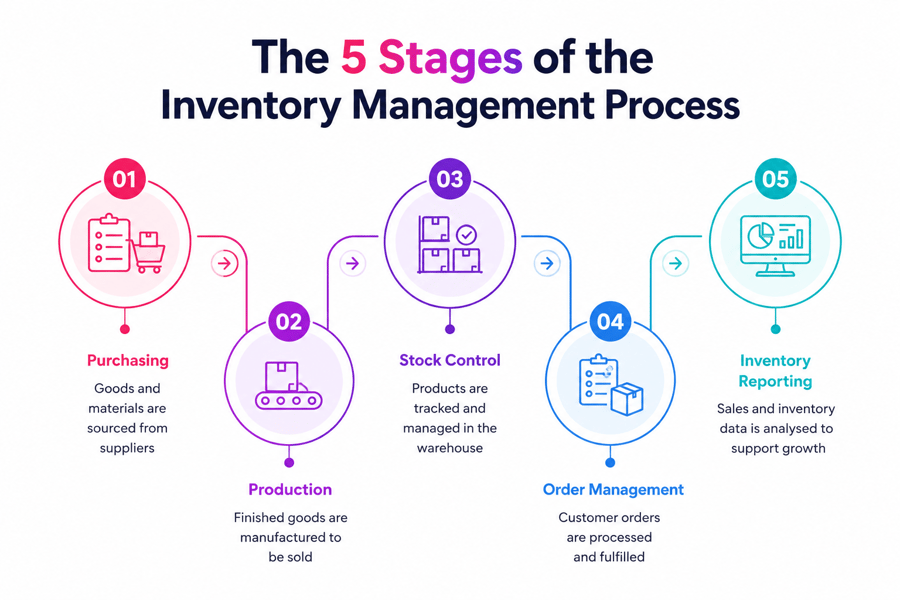
Inventory management solutions cut faults by swapping manual counts for live syncs. Teams see stock as sales, returns, and moves happen. That live view drops double orders, missed restock, and high-cost stockouts.
Inventory management technology also speeds each day’s work across buy, receipt, and ship. Staff spend less time fixing bad records. Leads can trust the numbers and act fast when demand shifts.
Real-time data reduces costly mistakes
A strong inventory control management system logs each move in one place. Barcode scans at the shelf, dock, or pack bench cut key faults and skipped syncs. That flow keeps stock data clean.
Clean data across channels counts. A store sale, online order, and move update count at once. This is key for teams that depend on live stock views.
For retail teams, a modern retail stock management system stops overselling. It flags odd gaps early. Better alerts help teams find issues before margins slip.
Automation speeds daily work
Auto rules cut slowly, repeat tasks from stock control. Restock points can trigger buy hints when stock drops below a set level. Receipt flows match items to open orders in seconds.
Those time savings add up each week. Buyers place fewer rush orders. Teams spend less time on lost items. Finance closes the month faster when stock data stays clean.
Speed should not be the only pick factor. The best inventory management solutions mix fast sync with good data, clear reports, and clean links. Strong inventory management solutions also make daily work more predictable. See this guide to ecommerce stock management.
Key Features to Look for in a Retail Stock Management System
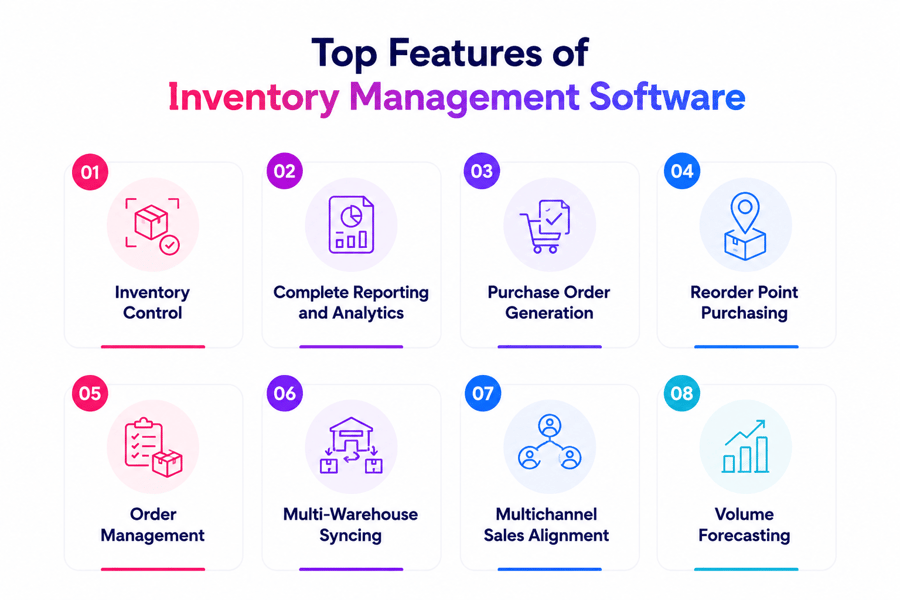
A strong retail stock management system gives teams clear stock data across each channel. That view helps buyers skip rush orders, lost sales, and high carrying costs. The best inventory management solutions also grow with you. For a detailed look at modern features, see our modern WMS features guide.
Retailers tend to outgrow sheets before they feel the full cost. Manual syncs make stock gaps, double entries, and late restock calls. Modern inventory management solutions fix those faults by keeping product, order, and vendor data in one place.
Core functions in inventory management solutions
Live stock syncs sit at the core of any good tool. When sales, returns, moves, and buy orders post fast, teams trust the numbers. That trust counts during promos, peaks, and site-to-site moves.
Barcode scans and SKU-level tracking also count. These tools speed up receipt, cycle counts, and picks. Data entry faults drop fast. Strong inventory management technology should handle product variants such as size, color, and pack type.
Restock rules matter when demand shifts week by week. A good tool flags low stock, suggests buy amounts, and tracks vendor lead times. Most growing brands look for these features first when they compare inventory management solutions.
Capabilities that support retail stock management as you grow
Multi-site control gets key when a firm adds stores, sites, or pop-up spots. A strong inventory control management system shows where stock sits and how fast it moves. That view helps teams shift stock before one site runs dry.
Reports should go past current stock counts. Good dashboards show sell rates, old stock, margin by SKU, and fill rates. These details make an inventory management software comparison more useful than a plain feature list.
Link depth sets good tools apart from basic inventory solutions. The tool should tie cleanly to ecommerce, POS, accounting, and shipping apps. Clean data flow saves more time than any single feature. The right choice also helps with good stock monitoring.
Benefits of an Inventory Control Management System for Growing Firms
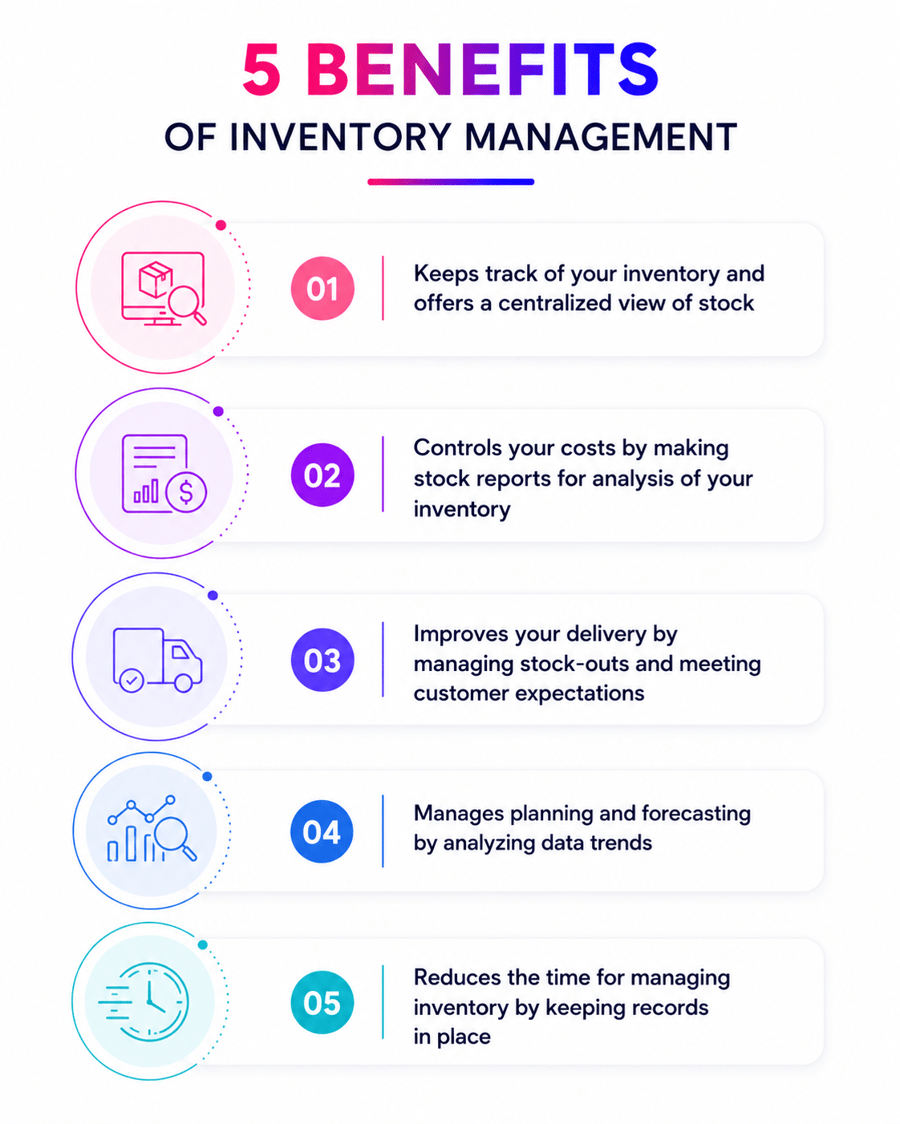
Growth puts weight on stock clean data, order speed, and cash. An inventory control management system helps teams keep pace with no added manual work. Strong inventory management solutions give leads a clear view of stock across stores, sites, and online channels.
That view drives better buy calls and fewer stock faults. Teams spot slow sellers early. They reorder fast-moving items sooner. As a result, inventory management solutions tend to cut extra stock and prevent missed sales.
Better control across daily ops
A growing firm handles more vendors, more SKUs, and more order points. Manual sheets break under that weight. Modern inventory management technology keeps counts current as sales, returns, and moves happen.
Live syncs help staff trust the screen numbers. That trust cuts double-checks and cuts time on cycle counts. A good retail stock management system also reduces the risk of selling out-of-stock items.
Stronger control improves buy calls. Leads check actual demand rather than rough estimates. Most inventory management solutions flag restock points, vendor delays, and odd stock swings before they grow. That is core to how inventory management solutions protect margin.
Stronger margins and smarter growth calls
Stock ties up working capital more than most teams know. Cash from slow goods cannot fund staff, ads, or growth. Well-built inventory management solutions help firms hold the right stock mix with less waste.
Margin gains come from small wins at scale. Fewer rush ships cut freight costs. Inventory management solutions support that discipline. Better stock clean data lowers returns, write-offs, and lost sales that hurt profit over time.
These tools also make software picks easier later. A firm with clean data and clearer needs can enter an inventory management software comparison with a stronger position. Over time, those gains build a stronger base for stock optimization.
Top Inventory Software Options and Common Inventory Solutions
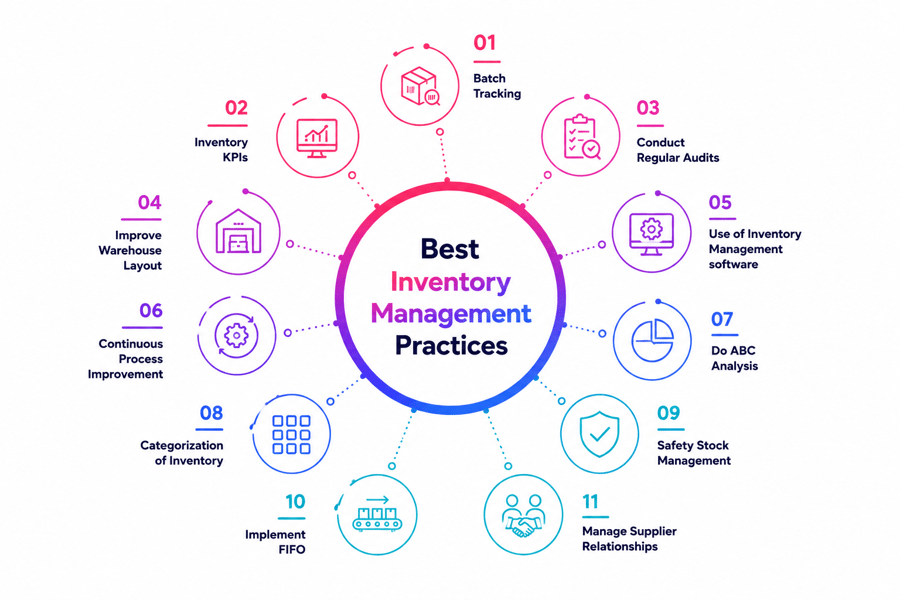
The market for inventory management solutions spans simple stock tools and broad platforms. Inventory management solutions range from lean entry tools to full enterprise platforms. Some focus on ordering clean data and barcode scans. Others link buy, store, account, and demand planning in one place.
That range counts because growth makes varied weights at each stage. A small retailer may need a good retail stock management system with fast cycle counts. A firm may need deeper reports and a stronger inventory control management system.
Common types of inventory solutions
Most firms start with basic inventory solutions that track stock and sales by SKU. These suit one-site stores or early ecommerce teams. They keep costs low but may struggle with bundles, kits, and multi-site rules.
Mid-market tools add stronger inventory management technology, including demand planning and buy order control. They help with serial numbers, batch tracking, and live channel syncs. That mix helps cut stockouts and lowers the risk of oversells.
Enterprise tools go further with auto rules, role-based access, and broad link options. For most teams, an inventory management software comparison at this level centers on workflow depth, report detail, and total operating depth.
What sets top inventory software apart
The top inventory software options stand out in three areas. They keep data live, help clean links, and stay easy under each day’s weight. A strong screen counts because warehouse and store teams need speed, not extra clicks.
Reports also split average tools from stronger inventory management solutions. Good tools show sell rates, old stock, margin by SKU, and restock timing with no heavy manual work. That view helps buyers act fast and avoid tying cash in slow items.
Pricing models vary, so a simple inventory software comparison rarely tells the full story. Some vendors charge by user, others by order volume or site count. Most buyers check an inventory management software list to compare help strength, setup time, and channel links. For peer views on real tools, see this community discussion, and for a broad, ranked check, check Forbes software rankings.
Cloud tools tend to cut IT setup and allow faster updates. For teams choosing a warehouse-focused tool, the best WMS for growth is a useful read. For most growing teams, cloud-based tools make the most sense when scale and access matter.
Inventory Management Software Comparison: What to Evaluate
An inventory management software comparison should start with fit, not feature volume. Most inventory management solutions look alike in a demo, yet perform very differently under real order volume. A growing firm needs clear stock views, good sync speed, and simple daily workflows.
Cost counts, but weak system design makes more losses over time. Good inventory management solutions reduce those risks. Delayed stock syncs can cause oversells, rushed moves, and avoidable write-offs. Strong inventory management solutions cut those risks by keeping stock data live across sites and channels.
Core criteria in an inventory management software comparison
The first area to check is the stock clean data. A good tool should track stock by SKU, site, status, and move log. That detail helps teams count faster. Faults are easier to trace.
Link depth also shapes long-term value. A tool may link with ecommerce, POS, and accounting tools, but the strength of those links counts more than the count. Good inventory management technology moves data cleanly and flags failed syncs before they hit sales.
Reports deserve a close look during any inventory software comparison. Standard dashboards should show sell rates, old stock, restock points, and margin by channel. Better inventory management solutions also let teams filter data with no wait for custom reports.
Operational fit and growth readiness
Daily ease of use tends to set apart average tools from the top inventory software options. Store staff, warehouse teams, and finance users all need screens that make sense fast. When basic tasks take too many clicks, use slows and faults rise.
Firms should also check how each inventory control management system handles growth. Some tools work well for one site but struggle with bundles, returns, or multi-site moves. Those limits tend to show after the firm grows.
Help strength can shape results as much as product features. Fast setup, clear help, and good service cut issues during rollout. A strong retail stock management system should also help future flow changes with no forced platform switch.
The best inventory management solutions help clean stock control today and a cleaner scale later. A final check should link stock data, fill needs, and channel depth with the wider role of order handling software.
Comparing Inventory Management Software by Business Type
Different teams need different strengths from inventory management solutions. A store-led firm tends to need fast POS sync, barcode help, and simple stock counts. An online seller tends to care more about order routing, market links, and live stock views.
That is why inventory management solutions vary by use case. That difference shapes every inventory management software comparison. The best fit depends on where orders start, how they tend to stock moves, and how most tools share the same data.
What retail and ecommerce teams need most
A strong retail stock management system helps staff find stock fast and cut shelf gaps. It should link sales, returns, moves, and cycle counts with no delay. Clear mobile access also counts when teams work on the shop floor.
Ecommerce teams need broader views from the same stock pool. Good inventory management technology can update counts after each sale, hold stock for open orders, and flag backorder risk early. That cuts oversells and cuts the help load tied to stock faults. For retail-specific tools, see the retail inventory software guide.
Report depth counts as much as each day’s workflows. Retail teams tend to track sales rates, dead stock, and store-level demand. Ecommerce teams tend to need channel margins, fill speed, and return patterns by SKU.
Where multichannel depth changes the call
Multichannel teams face a harder software choice because one error hits each channel. A weak inventory control management system may make double listings, late syncs, or split stock records. Those issues drive canceled orders and lost trust.
That is why comparing inventory management software needs a close look at the links. Native ties to ecommerce tools, marketplaces, shipping apps, and accounting tools cut manual work. Teams should also check how the tool handles bundles, kits, and shared stock across sites.
A good inventory software comparison looks past feature lists. The strongest tools help growth with role-based access, audit trails, and flexible site logic. Those details matter more than a long inventory management software list when the firm needs good multi-channel stock control.
Inventory Software Comparison Tips: Pricing, Links, and Scale
Price tends to shape the first shortlist, but sticker cost rarely tells the full story. Monthly fees can look small while setup, help, data moves, and user limits raise the real spend. A strong inventory software comparison looks at total cost over two or three years, not just the first term.
Most inventory management solutions are priced by order volume, site count, or feature tier. That works well for stable ops, yet fast growth can push a firm into a higher bracket within months. The best tools make those thresholds clear before a deal starts.
Pricing that matches reality
Hidden costs tend to appear in advanced reports, API access, and extra sales channels. A tool may seem low-cost until the team needs barcode help or demand planning. That is why an inventory management software comparison should map cost against needed workflows.
Help strength also affects value. Low-priced tools may rely on ticket queues and self-service help, which can slow issue fixes at peak times. Most firms that compare inventory management software find that faster help justifies a higher fee.
- Check setup fees, training costs, and contract minimums
- Check if pricing changes with order growth or added sites
- Check which reports, links, and user roles sit behind premium tiers
Links and scale for long-term fit
Software rarely works alone. Most inventory management solutions need clean ties with ecommerce tools, accounting, shipping apps, and a POS or retail stock management system. Weak links cause manual work, double records, and stock faults that spread fast.
Link depth counts more than a long app list. Some tools only pass basic order data, while stronger inventory solutions sync stock counts, returns, bundles, and buy orders near real time. That shapes how well inventory management technology helps multi-channel growth.
Scale depends on more than server power. A good inventory control management system should handle new sites, more SKUs, and complex vendor rules with no forced platform change. When checking a top inventory software option, test how it runs under future volume, not current demand. Strong inventory management solutions stay predictable in price, good in links, and stable through growth. See also the warehouse stock tracking guide.
Conclusion
Growth puts weight on stock clean data, order speed, and cash. The right inventory management solutions bring those parts into one clear tool.
Strong results come from a close match between each day’s needs and system design. A growing brand may need deep reports, while a store chain may need a good retail stock management system with fast syncs across sites.
Good buy calls also depend on real check, not feature volume. A careful inventory management software comparison helps teams assess fit, cost, support, and future scalability. The best inventory management solutions cut stockouts, lower extra stock, and cut manual work.
Good inventory management technology links sales, warehouse work, and vendor data live. That link helps teams spot issues early and act before margins slip.
A strong inventory control management system should help current workflows with no extra depth. Clear views, good alerts, and good links tend to matter more than long feature lists.
Start with a shortlist, book live demos, and test each tool against real data. If you run a small firm, see the top picks for small businesses. Choose inventory management solutions that give your team control, speed, and room to grow. The right inventory management solutions pay back quickly through fewer faults and better service.