
Retail inventory management software: features and top solutions
 Fiftify Team
·
· 16 min read
Fiftify Team
·
· 16 min read
What is retail inventory management software?
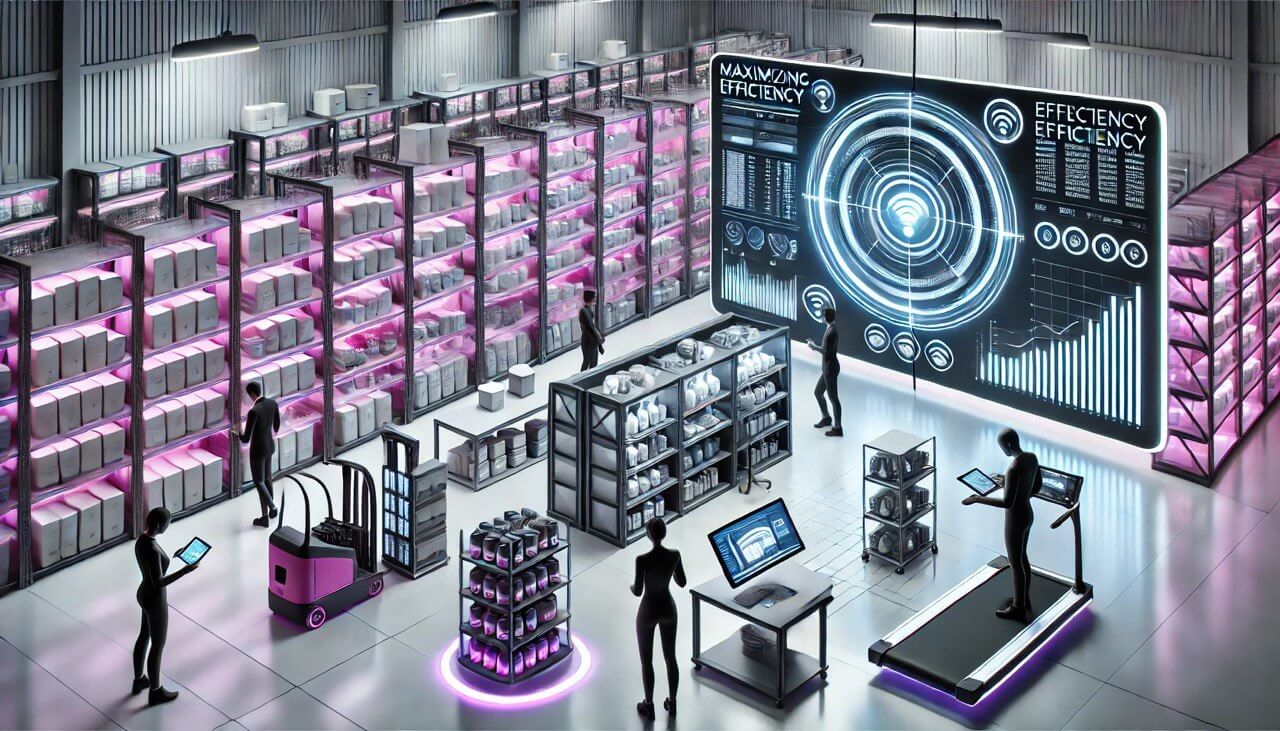
According to Forbes, retailers using automated inventory systems experience a 20–30% boost in efficiency. That makes retail inventory software a smart investment for businesses of any size.
Key features of retail inventory management software
-
Real-time stock tracking
-
Automated reordering
-
Analytics and performance reporting
-
Multi-channel and multi-location integration
A reliable setup also improves audits and forecasting. You can run cycle counts, track shrink, and review clear reports without digging through messy files. You can also set user roles, so staff receive stock or create transfers while managers approve key changes.
For businesses with multiple retail locations, the software keeps every outlet synced. It adds consistency, visibility, and control—no matter how many stores you run.
In short, retail best inventory management software helps you run a cleaner, faster operation. It cuts errors, supports smarter buying, and gives you the insight you need to grow.
Retail inventory management solutions provide the tools needed to streamline stock control efficiently.
Key features of inventory software for retail
Inventory software for retail gives you simple tools to keep stock accurate and easy to manage. A strong inventory management system starts with real-time tracking. It shows what you have now, what is coming in, and what you sold. Because you see changes right away, you can restock faster and avoid surprises.
Next, look for automated reordering. Good stock management software lets you set reorder points, safety stock, and suppliers. Then it creates purchase orders when items drop too low. This keeps shelves full and helps you avoid tying up cash in items that do not move.
Point-of-sale (POS) integration also matters. When your retail inventory system connects to your POS, each sale updates inventory at once. So you get fewer mistakes, faster counts, and better forecasts. You can also track returns and exchanges with clear records.
Most platforms add advanced reporting and analytics. These reports show best sellers, slow movers, and trends. With that data, you can plan promos, adjust pricing, and buy with confidence.
Core features of retail inventory management software
-
Real-time inventory tracking
-
Automated reordering to maintain stock balance
-
POS system integration for live updates
-
Sales analytics and reporting tools
-
Multi-channel inventory synchronization
Multi-channel support is vital when you sell in-store, online, and on marketplaces. In that setup, inventory control software keeps counts aligned so you do not oversell. It also supports transfers between locations, which helps you move items to where they will sell faster. For even better accuracy, add barcode scanning and cycle counts to cut manual entry.
With these features, retail inventory management software helps you work faster, reduce errors, and scale with less effort.
Implementing the right retail inventory management solutions can streamline operations and boost profitability.
Connect Shopify, draw your floor, pick an order - free plan, 7-day full trial, no credit card, no sales call.
Benefits of using retail inventory management software
Implementing retail inventory management software brings clear, day-to-day gains for your store. It automates counting, receiving, and stock updates. As a result, your team spends less time on manual work and makes fewer errors. You also keep cleaner records, so you can trust what the system shows.
One of the biggest wins is real-time visibility. With an inventory management system, you can see what you have, what runs low, and what sells fast across locations. Because you spot issues early, you reorder on time, avoid stockouts, and prevent overbuying. You can also set low-stock alerts, so you act before shelves go empty.
The right stock management software helps you match supply to demand. You can track trends, plan for seasons, and move slow items with timely promos. This improves turnover and cuts storage costs, which protects cash for growth.
Customer experience improves too. When products stay in stock and orders ship faster, shoppers trust your store. A strong retail inventory system also speeds up returns and exchanges because staff can confirm availability right away.
Key benefits of retail inventory management software
-
Fewer manual errors through automation
-
Real-time tracking for accurate inventory decisions
-
Optimized stock turnover to reduce storage costs
-
Improved customer satisfaction with faster fulfillment
-
Better cash flow through efficient inventory spending
Integration features matter as well. When retail inventory management software connects with POS, accounting, and e-commerce tools, you avoid double entry and keep data consistent. This also makes reporting easier, since you can review sales, margins, and stock movement in one place.
Finally, teams use settings like roles, approvals, and audit trails to reduce shrink and keep everyone aligned. With clear data and tighter control, you run leaner today and scale with confidence tomorrow.
How retail inventory software streamlines operations
Retail inventory management software helps you handle daily work with less effort and fewer errors. When the system updates stock the second you make a sale, you stop relying on manual counts or messy spreadsheets. As a result, your team saves time and avoids pricing, receiving, and counting mistakes.
One big win is POS syncing. When a cashier completes a sale, stock levels change right away across every store, warehouse, and online channel. This keeps your data consistent and gives you a single source of truth in your inventory management system. It also helps you catch problems fast, such as wrong scans, missing items, or duplicate entries.
Real-time data visibility improves decisions throughout the day. Managers can see what is on hand, what is low, and what sells fast without waiting for reports. Then they can set reorder points, track shrink, and move items between locations before shelves go empty.
In addition, good stock management software supports smarter buying. You can review order history, lead times, and sales trends, so you order the right amount at the right time. Over time, inventory control software helps you cut stockouts, avoid overbuying, and keep cash available for growth.
Finally, retail stock software makes work easier for staff. Clear steps for receiving, transfers, and cycle counts reduce confusion. So employees spend less time fixing issues and more time helping customers and improving e-commerce strategies.
Key ways retail inventory management software streamlines operations
-
Automates inventory updates to reduce manual work
-
Integrates with POS systems for accurate, real-time tracking
-
Provides live visibility into stock levels and trends
-
Improves supplier coordination with data-driven forecasting
-
Boosts staff productivity by freeing up time to focus on e-commerce strategies
Together, these features create a cleaner workflow and more reliable numbers. Because you manage stock with less effort, you serve customers faster, reduce waste, and protect profit across every channel.
Online store inventory management: meeting omnichannel demands
Managing inventory for an online store adds pressure, especially when you sell on more than one channel. You may run a retail shop, an ecommerce site, and a marketplace at the same time. So, you need one clear source of truth for every item. When stock data falls behind, customers see the wrong availability, orders get delayed, and trust drops.
retail inventory management software helps you keep every channel aligned with quick, simple updates. It works like an inventory management system that keeps counts accurate across stores, warehouses, and online listings. It also supports daily selling by tracking sales, returns, and incoming stock. With real-time synchronization, you cut over-selling and avoid under-stocking, so shoppers see the right stock level before they buy.
Next, strong omnichannel results come from clear workflows. A connected retail inventory system can route each order to the best location, such as the closest store or the fastest warehouse. It can also support click-and-collect and ship-from-store to speed up delivery. In addition, inventory control software lets you set reorder points, flag low stock, and manage variants like size and color. Because the team spends less time fixing counts, they can focus on service.
Today’s shoppers expect one experience, whether they browse online or walk into your store. With automated inventory management, you can meet those expectations while keeping work predictable.
Key benefits of online store inventory management
-
Real-time stock updates across all sales platforms
-
Streamlined order processing for faster fulfillment
-
Efficient returns management to boost customer satisfaction
-
Unified customer experience online and offline
-
Reduced inventory errors across every channel
By implementing advanced retail inventory management software, you keep every channel in sync, protect margins, and deliver a reliable shopping experience as you scale.
To turn synced inventory into faster fulfillment and fewer cancellations, pair it with an order management system built for e-commerce success.
Inventory management software list: top solutions for retailers
Choosing the right retail inventory management software can speed up daily work and support steady growth. Because every store works in its own way, choose a tool that fits how you buy, sell, and restock. As a result, you keep shelves full, cut waste, and help customers faster.
The tools below stand out because they reduce manual tasks and sync with sales channels. When you compare options, start with your store count, team size, and product range. Then look for barcode scanning, purchase orders, bundles, and multi-location tracking. Also check if the software connects to your POS, accounting, and shipping tools, since clean data saves time.
Top inventory software for retail businesses
-
Shopify Plus – Ideal for e-commerce stores, offering powerful integrations and easy scalability.
-
TradeGecko (now QuickBooks Commerce) – A robust system for inventory tracking and order management across multiple channels.
-
Cin7 – Supports complex retail operations with strong multi-channel retailing capabilities.
-
Square for Retail – Combines point-of-sale features with inventory control, perfect for small to mid-sized stores.
-
Vend – User-friendly and cloud-based, great for retailers seeking a simple yet effective stock management solution.
These options can act as an inventory management system that keeps counts accurate across channels. Many also work as stock management software with low-stock alerts, reorder points, and vendor lead times. If you run more than one location, pick a retail inventory system that supports transfers and store-level reports. For tighter accuracy, use inventory control software with cycle counts and audit trails.
Platforms like Capterra and G2 offer verified user reviews to guide your decision. They provide valuable insights into usability, support, and performance.
Before you commit, list must-have features, book demos, and test a real workflow. For example, receive stock, make a sale, and run a reorder report. When you choose the right retail inventory management software, you reduce errors, lower carrying costs, and keep shoppers happy because the right items stay in stock.
To explore features, pricing, and best practices beyond retail, see our complete guide to inventory management software for modern businesses.
Choosing the right inventory software for your retail business
Choosing the right inventory software for retail is a key step for steady growth. Since every store works a little differently, choose a tool that fits how you buy, sell, and restock each day.
First, check compatibility with what you already use. The best retail inventory management software connects to your POS, accounting tools, and ecommerce platform. As a result, your team enters data once, and you can trust the numbers.
Next, look at scalability. If you plan to add products, locations, or sales channels, your software must keep up. Choose clear pricing, simple upgrades, and role-based access so new staff can start fast. Also, make sure the system stays quick during peak seasons.
Must-have features in inventory software for retail
-
Real-time inventory tracking for accurate stock visibility
-
Multi-channel synchronization to manage in-store and online sales
-
User-friendly interface for quick team adoption
-
Advanced reporting and analytics tools for data-driven decisions
-
Inventory forecasting to prevent stockouts or overstock
-
Mobile access to manage inventory from anywhere
Then, confirm the software supports your daily workflows. A strong inventory control software setup should handle barcode scanning, purchase orders, and clear reorder points. In addition, a reliable stock management software tool should track returns, damaged goods, and transfers between stores.
You should also think about reporting. A modern retail inventory system should show best sellers, slow movers, and margin by item. That way, you can plan promotions, set prices, and order with confidence.
Don’t overlook customer support and training resources. Look for guided onboarding, short tutorials, and fast help when issues come up. This support cuts downtime and helps your team use key features from day one.
Finally, weigh cost against value. While budget matters, don’t drop core features just to save a little. A quality inventory management system pays you back by reducing errors, saving labor time, and keeping shelves stocked.
If you want easier scaling and real-time access across locations, explore how cloud based inventory software can streamline retail inventory management.
Implementation tips and best practices
Implementing retail inventory management software takes planning, but you can keep the rollout smooth with a clear plan. First, set simple goals. For example, decide if you want to cut stockouts, reduce overstock, speed up receiving, or improve counts. Then compare those goals to your current workflow so you can spot gaps and fix them.
Next, involve key team members early. Include store staff, managers, and anyone who buys, receives, or counts products. When people help shape the setup, they adopt the retail inventory system faster. Also, assign one owner to answer questions, track progress, and keep the project moving.
Data migration often decides if the launch succeeds. Before you import anything, clean your SKUs, barcodes, variants, and suppliers. Remove duplicates, fix names, and confirm units. This step helps your inventory control software set reorder points you can trust.
After that, connect the tools you already use. When your POS, accounting, or e-commerce platform syncs with your stock management software, you cut manual work and reduce count errors. Then set clear rules for data entry, receiving, and returns so everyone follows the same steps.
Best practices for a smooth inventory software rollout
-
Train your team thoroughly – Ensure all users know how to navigate and use the system.
-
Run a pilot program – Test the software with a small team or location before full rollout.
-
Define data entry standards – Maintain consistency by setting clear input rules.
-
Monitor performance – Track key metrics to spot issues and opportunities early.
-
Gather user feedback – Encourage input and use it to improve adoption and workflows.
-
Set realistic goals and timelines – Avoid rushing; give your team time to adapt.
You can also explore inventory best practices from the Small Business Administration (SBA) to strengthen your implementation strategy.
Finally, treat launch as the start. Review cycle count results, receiving errors, and reorder accuracy each week. Then update rules and refresh training so your numbers stay clean as you add products, locations, and sales channels.
As you expand into new marketplaces, our guide to multi channel inventory management helps keep stock synchronized and prevent overselling.
Conclusion: achieving efficiency and growth with the right tools
In today’s fast-moving retail world, retail inventory management software is not just a bonus. It helps you stay in control, keep shelves full, and reduce last-minute rush orders. When you automate routine work, you cut mistakes, save time, and help customers faster. As a result, you protect sales and build trust.
A strong inventory management system shows what you have, what you sold, and what you should order next. With inventory control software, you can set reorder points, track shrink, and act on slow movers before they drain cash. In addition, you can keep counts simple because your numbers stay accurate across channels.
The best tools also act as stock management software for daily tasks. For example, staff can scan items at receiving, update shelf stock, and sync online orders in one flow. If you run more than one store, a connected retail inventory system keeps every location aligned, so teams can find items fast and support pickup or ship-from-store.
To keep growing, choose tools with clear alerts and easy reports. Then you can plan promos, order with confidence, and avoid overstock.
 Google AI
  OpenAI ChatGPT
 Frequently Asked Questions
What is the main purpose of retail inventory management software?
The main goal of retail inventory management software is to accurately track and manage stock across all sales channels. It automates routine tasks like inventory counting and reordering, reducing errors and saving time. With real-time visibility, businesses can make faster and more informed inventory decisions.
How does inventory software integrate with e-commerce platforms?
Most inventory software for retail connects easily with platforms like Shopify, WooCommerce, and BigCommerce using APIs or built-in integrations. When a product is sold online, the system updates inventory levels automatically. This prevents overselling and keeps inventory data consistent across all channels. Setup is usually simple and user-friendly.
What size business benefits most from this software?
Retail inventory management software benefits businesses of all sizes. Small retailers gain better accuracy and efficiency. As your business scales, the software supports complex operations across multiple sales channels and locations. Even single-store retailers benefit from automation and real-time tracking.
How much does retail inventory software typically cost?
Prices vary depending on features and business size. Basic plans often start at $50–$100 per month. Larger or enterprise-level software can cost several hundred to a few thousand dollars monthly. Most providers offer scalable pricing based on your needs. Consider long-term ROI through reduced errors and improved efficiency.
Can I try the software before committing to purchase?
Yes. Most providers offer a free trial (usually 14 to 30 days) and may include live demos. This lets you test the platform’s features, ease of use, and compatibility with your business setup before making a final decision.
How long does implementation typically take?
Implementation times vary. Simple setups can go live in a few days. For larger or multi-location businesses, it may take 2 to 6 weeks. Cloud-based inventory control software tends to deploy faster than on-premise systems. A clear rollout plan and staff training help speed up the process.
Does the software work offline or require an internet connection?
Most modern systems are cloud-based and need internet access. However, some solutions offer limited offline functionality. Changes made offline usually sync automatically once you're back online. On-premise systems work without internet but lack the benefits of real-time updates across multiple channels.
What kind of training is needed for staff?
Training needs depend on the system’s complexity and your team’s tech experience. Many inventory management systems are user-friendly and require only a few hours of onboarding. Vendors typically offer tutorials, guides, and live support to help your staff learn the software and its features over time.
Sync inventory in real time, manage orders, and run warehouse operations across Amazon, eBay, Etsy, Shopify, and other sales channels. From barcode scanning to organized storage and faster fulfillment, Fiftify helps reduce errors, prevent overselling, and support business growth. Explore our articles for insights on warehouse management, inventory control, and multichannel operations.
You may also like

Enterprise parcel shipping software: what to check before you buy
Choosing the right enterprise parcel shipping software lowers logistics costs, boosts delivery performance, and simplifies complex carrier operations at scale. Explore the essential features, benefits, and selection criteria to optimize your multi-carrier strategy today.

Warehouse order fulfillment software: features and use cases
Warehouse order fulfillment software helps businesses streamline inventory, picking, packing, shipping, and returns from one connected platform. This brief outlines key benefits, features, use cases, and buying criteria for choosing fulfillment software that scales.

Inventory management cloud: how it works and when to switch
An inventory management cloud helps businesses track stock, automate workflows, reduce errors, and make faster decisions from anywhere. Benefits, use cases, selection criteria, and practical steps for adopting cloud-based inventory tools with confidence.