
Top Warehouse Management: How to Compare the Best WMS for Your Business
 Fiftify Team
·
· 16 min read
Fiftify Team
·
· 16 min read 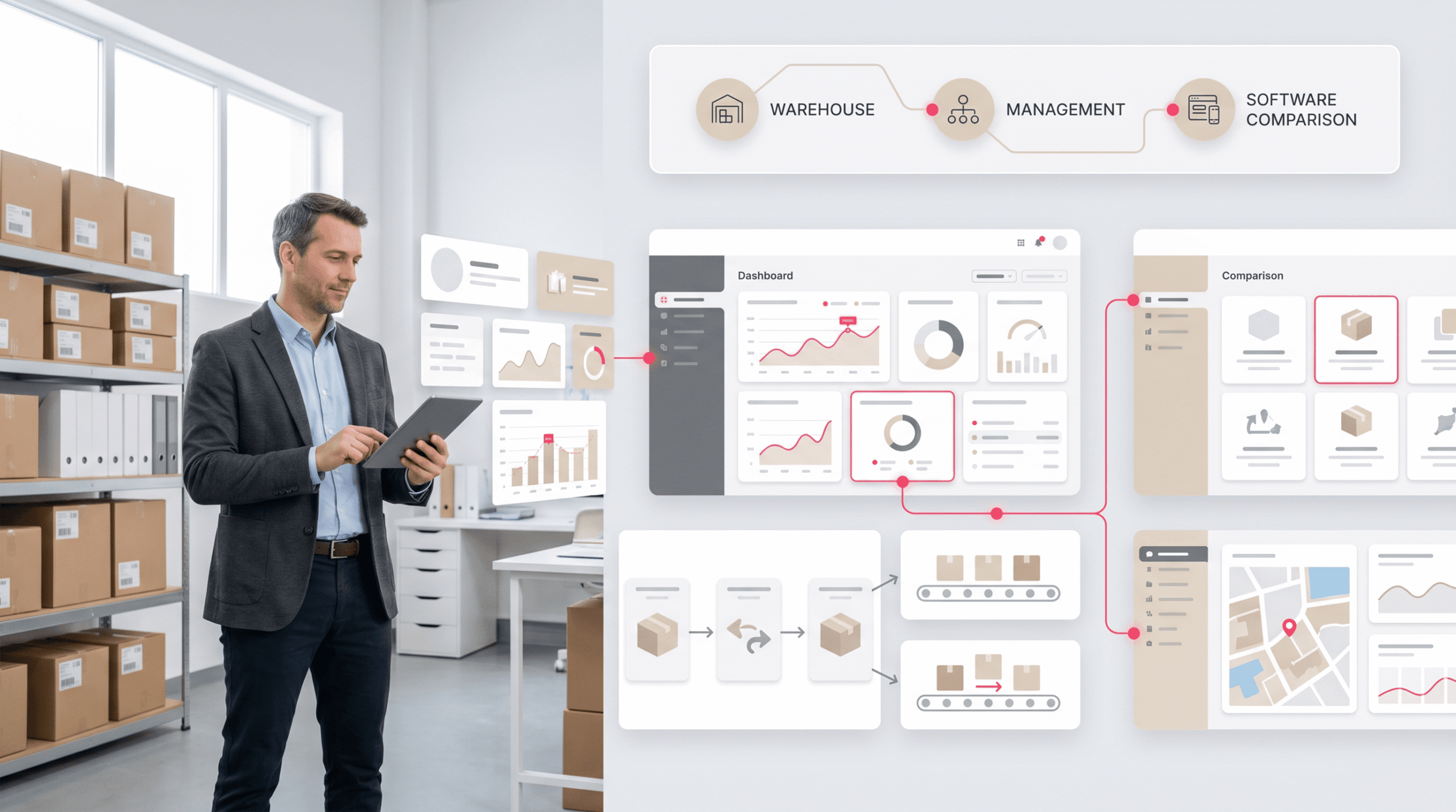
The wrong WMS costs you time and margin each day. The right one keeps your team fast, clean, and on track. That is why a real WMS software comparison beats a quick demo or a top-ten list.
Not every best WMS list fits your site. Some tools suit high-volume ecommerce. Others fit B2B, wholesale, or multi-site ops. The search for top warehouse management software works best when your needs drive the shortlist.
What Makes Top Warehouse Management Solutions Stand Out
Top warehouse management tools stand out through speed, clean data, and clear control. They give teams one live view of stock, labor, and orders. That cuts search time, drops pick errors, and helps leads act before small issues spread.
Also, the best WMS fits daily floor work with no extra friction. Staff learn fast. Leads track issues live. Strong tools scale across sites and channels with no big rebuild each quarter.
Real-time control across inventory and labor
Top warehouse management tools keep stock data live at each step. Receipts, puts, picks, and counts update as work happens. That cuts manual work and gives planners better numbers for restocking and shipping.
Labor tools matter just as much as stock data. The best warehouse management tools show task status, worker output, and backlog by zone. Leads can shift work during the shift, not after the damage is done.
Also, a strong tool links floor work to the wider business. During a WMS software comparison, link depth often splits strong tools from weak ones. Clean ties to ERP, ecommerce, shipping, and returns tools cut double entry and slow data.
Scalability, support, and vendor strength
Growth changes what a site needs fast. Spikes, new channels, and added sites test whether a tool can keep pace. Top warehouse management software handles more orders, more users, and new flows with no slowdown.
Also, vendor strength shapes long-term results as much as product design. The strongest warehouse management system vendors offer clear setup plans, fast support, and steady updates. When teams compare warehouse management software, service strength often decides success after launch.
Market rep matters less than fit. Some warehouse management system companies serve complex multi-site networks, while others suit lean sites. The right choice comes from matching process, growth plans, and support needs to solid stock control basics.
Best WMS Features to Look for in Modern Operations
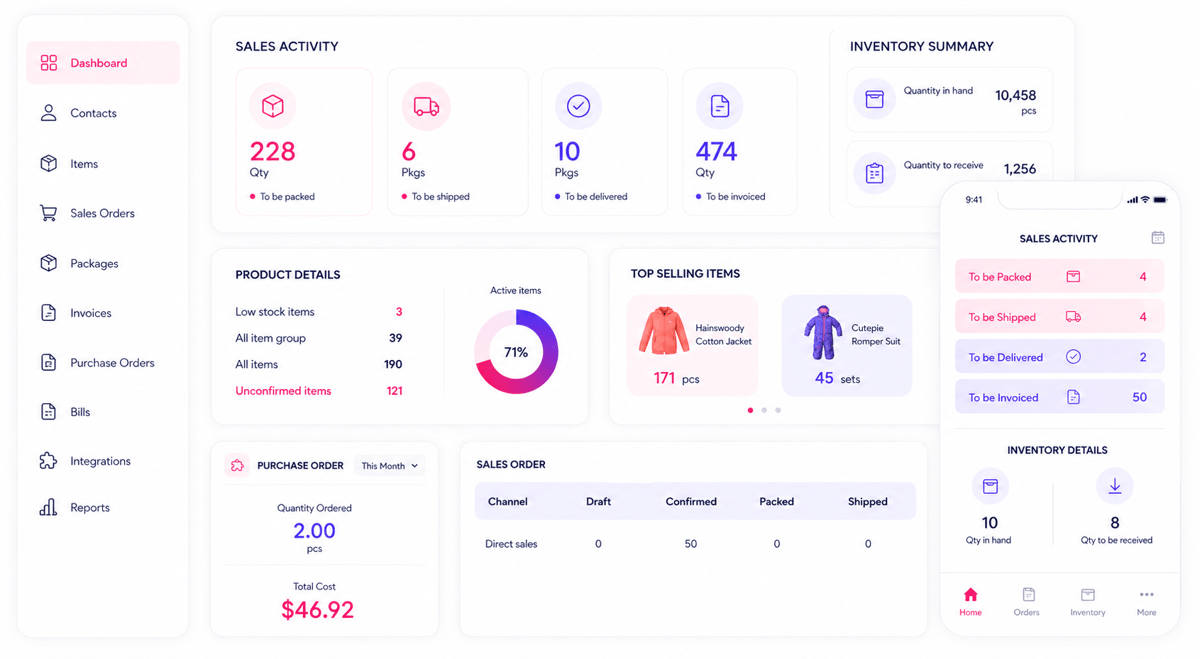
The best WMS drives fast calls across stock, labor, and orders. Strong tools give teams a live view of stock, tasks, and flags. That is a core sign of top warehouse management because it cuts delays before they spread.
In addition, accuracy matters as much as speed. Barcode scans, mobile flows, and lot or serial tracking help teams pick the right item the first time. When firms review the best warehouse management tools, these features often separate solid ones from costly ones.
Core best WMS features that drive daily performance
Livestock tracking sits at the core. It shows exact counts by bin, zone, and status. That level of control cuts stockouts, shrinkage, and rushed cycle counts.
Also, order tools shape daily results. Good tools support wave picks, batch picks, and smart pack rules. In any WMS software comparison, these functions matter because they cut walk time and ship errors.
Also, labor and task tools deserve close attention. The strongest tools assign work by priority, spot, and skill. That helps leads balance loads with no added headcount.
- Dashboards that show open tasks, delays, and order status
- Cycle count tools that protect accuracy with no full shutdown
- Returns flows that move goods back into stock quickly
- Restock rules based on demand and slot patterns
Integration, flexibility, and growth support
Modern ops depend on clean data across tools. A WMS should link well with ERP, TMS, ecommerce, and carrier tools. Teams that compare warehouse management software closely often find that weak links create the most hidden costs.
Also, flex matters when product lines or volumes change. Configurable flows help firms adjust receipt, pick, and ship rules with no major rebuild. That is a second marker of top warehouse management in growing ops.
In addition, support from warehouse management system vendors shapes long-term value. Many buyers also review warehouse management system companies and warehouse management service providers based on how well they support multi-site growth.
The right feature set should fit current needs and future scale. See also our guide to modern WMS features.
Connect Shopify, draw your floor, pick an order - free plan, 7-day full trial, no credit card, no sales call.
How to Compare Warehouse Management Software Effectively
In practice, a good review starts with fit, not feature volume. The top warehouse management tools solve the daily issues that slow receipt, pick, pack, and ship. A long feature list means little if the tool adds clicks or forces workarounds.
But teams often compare tools on demos alone. That hides how a tool handles real peaks, mixed stock rules, and labor pressure. A strong WMS software comparison looks at flow speed, stock clean data, and how fast leads can spot flags.
Match the best WMS to operational reality
The best WMS for one site may fail in another. A high-volume ecommerce site needs fast wave picks and carrier links. A maker may care more about lot control, staging, and restock rules.
Good buyers compare warehouse management software against real data: order profiles, SKU counts, return rates, and peak volume. Those facts show whether a tool supports current demand and near-term growth.
Also, top warehouse management decisions depend on site complexity. Multi-site ops need strong views across locations. Regulated sectors need audit trails, user controls, and a clean trace from receipt to ship.
Compare cost, support, and vendor strength
Price matters less than total cost. License fees form only one part. Training time, setup work, custom reports, links, and support hours often shape the real spend.
A sound warehouse management system comparison also reviews service strength. Some warehouse management system vendors offer deep setup and process help. Others rely on partners, which can work well if roles stay clear.
Also, market rep helps narrow the field. The strongest warehouse management system companies and WMS companies show stable roadmaps, solid client retention, and good use studies. Buyers should also ask how warehouse management service providers support change after launch.
When teams assess fit, cost, and support together, top warehouse management choices get easier to defend. That builds a stronger base for warehouse best practices.
WMS Software Comparison: Cloud, On-Premise, and Hybrid
A strong top warehouse management plan starts with a deployment choice. Cloud, on-site, and hybrid tools shape cost, speed, control, and IT load in different ways. That is why any serious WMS software comparison must look past feature lists.
How each WMS software comparison model fits ops
For example, cloud tools appeal to teams that want lower upfront spend. The vendor hosts the tool, runs updates, and scales as demand grows. Many teams start here because the setup tends to move fast.
But, on-site tools suit sites with complex rules and deep custom needs. Internal teams control servers, security, and upgrade timing. This works well for firms with stable flows and strong IT staff.
Hybrid options sit between those two. A firm may keep core data on-site while using cloud tools for mobile access or partner links. For many buyers, this is a real middle ground in a broader warehouse management systems comparison.
Cost, risk, and long-term flexibility
Also, cloud pricing often follows a subscription model. That lowers capital spend, but monthly fees rise with users, sites, and volume. A careful review helps find the best WMS based on total cost over three to five years.
But, on-site software usually needs a larger early investment. Hardware, upkeep, upgrades, and support stay closer to the business. Some firms view that as part of the best warehouse management when they need tighter control.
Also, hybrid tools can cut the move risk. They let teams modernize in stages with no full rebuild. That approach often matters when reviewing offers from warehouse management system vendors and larger WMS companies.
The strongest top warehouse management plan matches deployment to real ops. It should also support clean data flow through an ERP and WMS integration.
Best Warehouse Management Tools for Different Business Use Cases
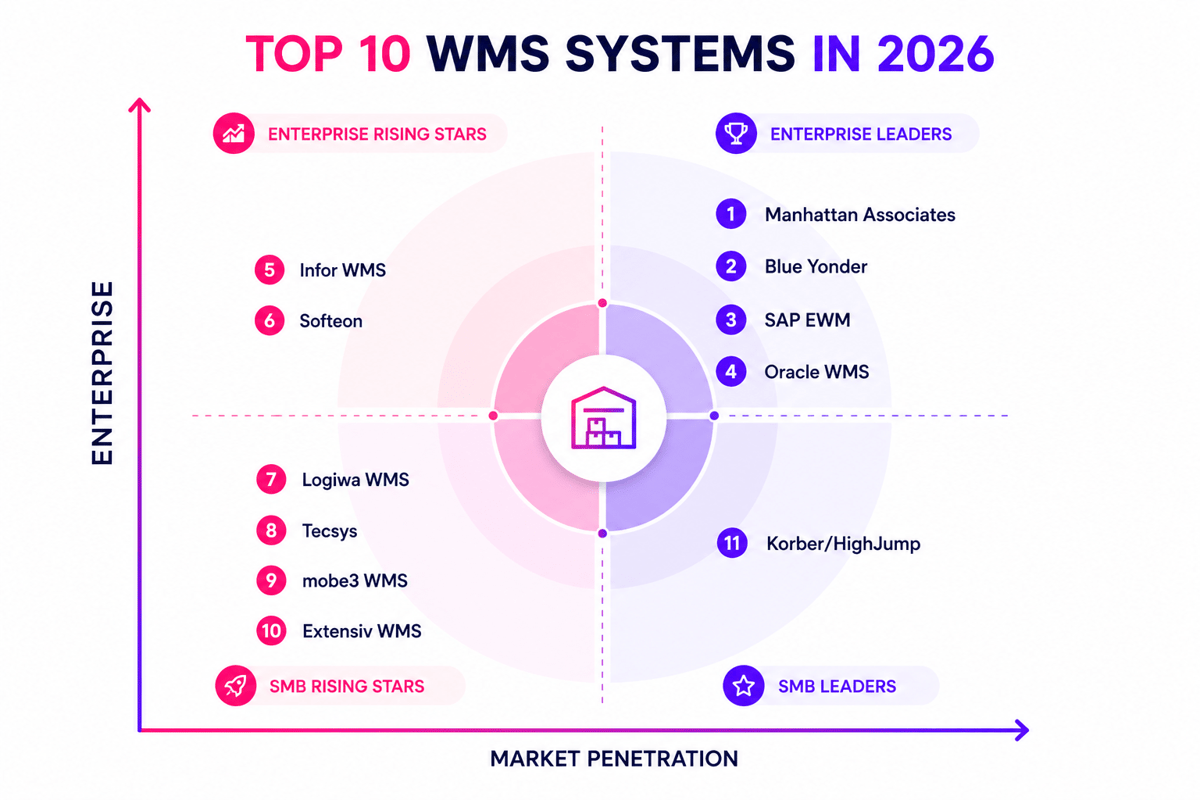
The right WMS depends on order volume, product mix, and labor model. A small firm needs speed and control. A large network needs deeper rules, automation links, and broad views. Therefore, top warehouse management tools rarely look the same across every site.
Top warehouse management tools for high-volume ops
For example, retail, wholesale, and 3PL groups often need advanced direction. In those settings, top warehouse management tools run slot control, task links, and labor tracking. They also tie well with automation, parcel tools, and transport tools.
Complex sites need more than basic stock control. They benefit from rules that direct restock, split orders, and handle flags. When teams compare warehouse management software, these functions often separate the best WMS from entry-level products.
Multi-site firms need clean data across locations. Leading tools help planners see stock, labor, and order status in one view. That matters when leads review warehouse management systems comparison results across several sites.
Tools for growing, regulated, and niche environments
For instance, smaller ops often value ease of setup and simple training. In those cases, software should cut clicks, shorten setup, and support steady growth. Clear mobile flows cut pick errors with no added process load.
Food, pharma, and medical supply firms face different pressures. They need expiry tracking, lot trace, and audit-ready records. Many warehouse management system vendors serve broad markets, but only some fit regulated sites well.
Makers and niche firms may need close ties to ERP and production tools. The strongest fits often come from warehouse management system companies and WMS companies with proven track records in that vertical.
A good review weighs flow fit, service depth, and long-term support from warehouse management service providers. For many teams, the best start is a tool that grows into broader inventory software for the warehouse.
Warehouse Management System Companies and WMS Companies to Evaluate
The strongest providers stand out through fit, not size alone. A smart review of warehouse management system companies starts with the firm model, order mix, and site volume.
In fact, brand visibility can distort a buying decision. Well-known WMS companies may offer broad feature sets, yet smaller firms often deliver tighter support and faster updates. The goal is the vendor whose roadmap fits daily floor needs.
How to assess warehouse management system vendors
A good shortlist compares industry depth, product maturity, and service strength. The best WMS for one op may create extra work in another.
Strong warehouse management system vendors show clear proof of results. Case studies should mention order clean data, pick rates, training time, or labor savings. Those details make a WMS software comparison more grounded than a generic feature list.
Also, link strength separates average tools from top warehouse management options. A tool should connect cleanly with ERP, ecommerce, shipping, and carrier tools. If data still needs manual reentry, the software may slow growth instead of supporting it.
Signals of long-term value
Also, long-term value comes from product direction and support structure. Some warehouse management service providers focus heavily on setup, while others invest more in custom builds. That difference affects cost, speed, and load after launch.
The best vendors explain limits as clearly as strengths. Honest talks about report gaps, API depth, and config effort often signal a healthier partnership. That helps teams compare warehouse management software with fewer surprises later.
A solid warehouse management systems comparison should also include client retention and release frequency. For many teams, stable account support matters just as much, especially when ops expand into a warehouse labor management system.
How WMS Vendors and Service Providers Support Growth
Overall, growth depends on more than software features. Strong WMS solutions help firms adapt processes, train teams, and keep ops stable during change.
Also, the difference often shows up after go-live. Warehouse management service providers that stay involved can shorten ramp-up time, cut pick errors, and help new sites hit target throughput faster.
That support matters when order volume rises or channel mix shifts. Firms looking for top warehouse management tools often find that service depth matters as much as system design.
Support that goes beyond WMS setup
Reliable partners start with process fit, not just product demos. The best teams map receipt, putaway, pick, pack, and returns to real floor limits.
Also, a strong partner reviews data quality early. Clean item records, bin rules, and order logic prevent costly fixes later. Many WMS companies offer setup, test, and role-based training. Those services help spot issues fast.
Good support improves decision speed. When leads can reach experts who know the tool, they solve flags faster and avoid long periods of manual work.
How vendors help businesses scale
Also, as ops grow, system demands become more complex. Multi-site stock, labor plans, automation links, and compliance all need steady support. This is where top warehouse management providers stand out. They offer upgrade plans, link help, and real advice.
Firms that compare warehouse management system companies should look at service models closely. In fact, a lower software price can lose value if support is slow or thin.
Also, a useful WMS software comparison includes account management, training depth, and post-launch service, not only features.
Results come from software and support working together. Long-term growth gets easier when vendors help teams track labor, stock, clean data, and warehouse KPIs.
Warehouse Management Systems Comparison: Pricing, Integration, and Scale
A strong warehouse management systems comparison starts with total cost, not license price alone. Many firms focus on fees and miss setup, training, data cleanup, and support costs. The best WMS often costs more upfront but cuts labor hours, shipping errors, and manual rework.
Pricing models and integration costs
Also, cloud tools often cut hardware costs and shorten setup time. On-site tools suit firms with strict control needs, but bring server, upgrade, and IT labor costs. A solid review weighs both direct fees and ongoing admin work.
Also, link costs often separate average tools from top warehouse management options. A WMS must connect with ERP, ecommerce, shipping, EDI, and automation tools with no fragile custom code.
The strongest tools offer tested connectors, open APIs, and clear data mapping rules. That lowers project risk and speeds issue fixes after launch. Many buyers also review how warehouse management system vendors price new links, since those fees can change the cost case.
- Subscription or license fees
- Setup, migration, and test costs
- Link build and upkeep costs
- Support, training, and upgrade charges
Scalability and long-term fit
Also, scale shapes whether a tool stays useful after the first rollout. The best warehouse management tools support more users, sites, channels, and automation with no full rebuild. That matters when order profiles shift or new sites open.
Also, top warehouse management tools handle process complexity as the firm grows. Rules for wave plans, slot control, kit builds, and returns should expand with no heavy custom work. Buyers often compare how WMS companies support multi-site control and local flow variation.
Support depth matters as much as software design. Some warehouse management system companies and warehouse management service providers offer a strong setup but weak post-launch help. A good review looks at response times, release quality, and client retention.
When leads compare features, cost, and scale together, the shortlist gets clearer. That view separates a simple software buy from a durable top warehouse management decision, when paired with practical warehouse optimization tips.
Common Mistakes When Choosing the Best Warehouse Management Platform
For example, many teams buy software based on demos that look polished. A strong demo does not always reflect daily floor work. The gap often shows up after launch, when receipt, pick, and cycle counts slow down.
Another mistake is treating each tool as the same. The best WMS for a high-volume firm may fail in a cold storage site. These decisions work best when they match order profiles, labor models, and site rules.
Also, price distorts many buying decisions. A low fee can hide setup costs, custom reports, and support limits. During a WMS software comparison, total cost matters more than the first quote.
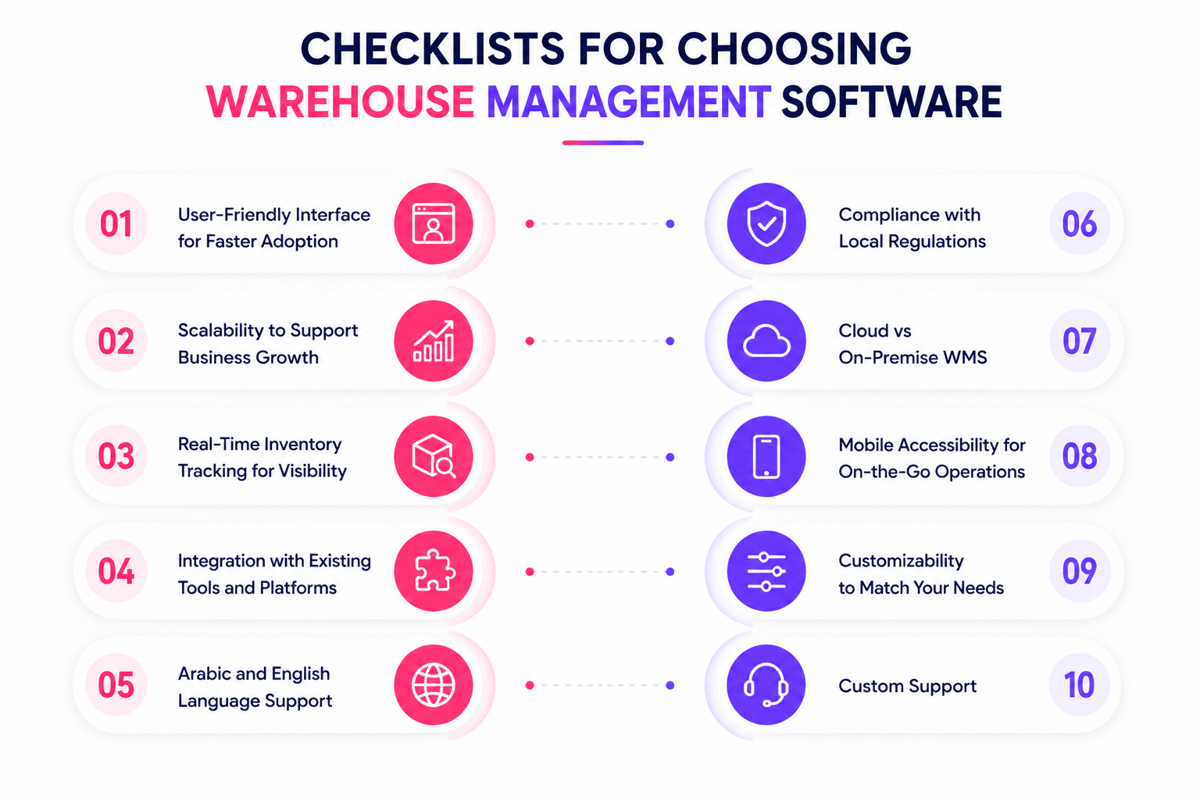
Choosing the best WMS based on features alone
In practice, feature lists often create false confidence. Two tools may both offer wave picks, slot control, and labor tracking. Real differences show up in speed, screen flow, and how much manual work remains.
Therefore, teams should compare warehouse management software in real scenarios. A tool may handle standard orders well but struggle with returns, kit builds, or lot control. Edge cases often reveal the real fit.
Also, some buyers ignore the people who will use the tool daily. If training takes too long, adoption suffers. The best warehouse management tool feels clear to supervisors, pickers, and stock staff within days, not months.
Ignoring vendor fit and long-term support
But software choice is only part of the decision. Support quality often shapes results more than the feature set. Strong warehouse management system vendors help teams handle testing, data cleanup, and process changes with no delays.
Many firms focus on product rankings and skip vendor review. That creates risk when upgrades, links, or site expansions begin. Reliable warehouse management service providers bring industry knowledge, clear response times, and real rollout support.
In fact, a weak partner can turn a good product into a costly project. This shows up often when buyers shortlist large WMS companies without checking service depth. The strongest choice combines product fit, support strength, and room to grow.
Conclusion
Choosing top warehouse management software comes down to fit, not hype. The right tool supports your order volume, floor layout, labor model, and growth plans. A strong review process helps teams avoid costly gaps that only show up after launch.
The best results come from a balanced review of features, cost, support, and scale. That is why a careful WMS software comparison matters more than a long feature list. When firms take that approach, they make faster and safer buying decisions.
Strong top warehouse management tools improve clean data, speed, and control across daily ops. They link stock, picks, ships, returns, and reports in one clear view. That helps teams cut stock errors and respond faster to demand shifts.
For teams selling online, this guide to ecommerce WMS software adds good detail to the search.
 Google AI
  OpenAI ChatGPT
 Frequently Asked Questions
How do you choose the right warehouse management system?
Start by defining your warehouse size, order volume, inventory complexity, and integration needs. The best WMS should support real-time tracking, automation, reporting, and easy ERP or ecommerce connections. When you compare warehouse management software, focus on usability, scalability, support, and total cost rather than features alone.
What features should top warehouse management software include?
Top warehouse management software should include inventory visibility, barcode or RFID support, order picking tools, labor tracking, replenishment, and reporting dashboards. Many businesses also look for mobile access, automation support, and strong integrations. The best warehouse management platforms help reduce errors, improve fulfillment speed, and support growth.
How can a warehouse be managed more efficiently?
Efficient warehouse operations depend on clear processes, organized layouts, trained staff, and accurate inventory data. Using a warehouse management system helps improve receiving, putaway, picking, packing, and shipping. Businesses evaluating warehouse management service providers should also consider workflow design, system support, and operational expertise.
How do you manage warehouse inventory effectively?
Effective inventory management requires accurate stock counts, real-time updates, cycle counting, and clear location control. Top warehouse management tools help teams reduce stock discrepancies, avoid overstocking, and improve order accuracy. A good WMS software comparison should also review forecasting, replenishment rules, and reporting capabilities.
How do you compare warehouse management software vendors?
To compare warehouse management software vendors, review product features, industry fit, implementation timeline, customer support, and pricing model. Many buyers create a warehouse management systems comparison based on integration options, ease of use, and reporting strength. It also helps to evaluate warehouse management system companies by client reviews and long-term reliability.
Who are the main providers in the warehouse management market?
The market includes global warehouse management system vendors, niche WMS companies, and specialized warehouse management service providers. Some focus on enterprise operations, while others serve mid-sized or fast-growing businesses. When reviewing warehouse management system companies, look at deployment options, industry experience, support quality, and how well the solution matches your workflows.
Sync inventory in real time, manage orders, and run warehouse operations across Amazon, eBay, Etsy, Shopify, and other sales channels. From barcode scanning to organized storage and faster fulfillment, Fiftify helps reduce errors, prevent overselling, and support business growth. Explore our articles for insights on warehouse management, inventory control, and multichannel operations.
You may also like

Multi-Carrier Shipping Software: The Complete Guide to Smarter Ecommerce Shipping
Learn how multi carrier shipping software improves ecommerce fulfillment by comparing rates, automating labels, tracking orders, and simplifying returns. This brief outlines the key benefits, features, use cases, and buying criteria for growing online stores.

Top Ecommerce Fulfillment Companies: How to Choose the Right Partner for Growth
Choosing among top ecommerce fulfillment companies can improve delivery speed, inventory accuracy, and customer satisfaction. This brief outlines what business readers should look for, how to compare providers, and when to use U.S.-based fulfillment support.

Ecommerce Integration: A Practical Guide for Growing Businesses
This article brief outlines a practical guide to ecommerce integration for business readers. It covers platforms, software, ecommerce website integration, webshop integration, key benefits, use cases, selection criteria, implementation tips, and ways to measure long-term value.