
Free bookstore inventory software: is it enough for your shop?
 Daniel Brooks
·
· 16 min read
Daniel Brooks
·
· 16 min read
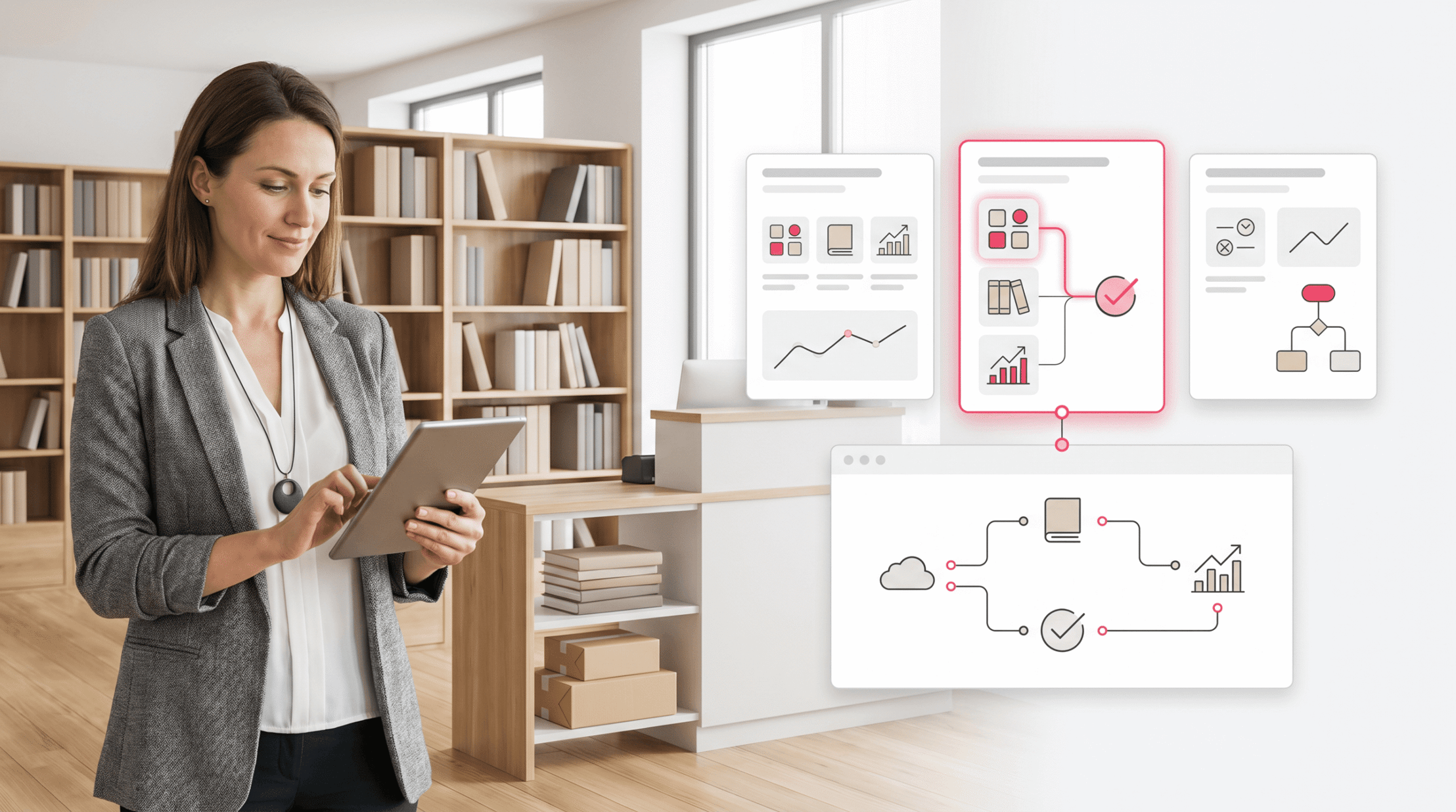
Bookstores run on small, fast calls every day. A late reorder, missed return, or wrong stock count can tie up cash and lose sales. The search for free bookstore inventory software often starts with a plain need: store owners want clearer stock data without adding software costs too soon.
A strong free book inventory management software tool gives structure to daily work. It helps track titles, ISBNs, counts, vendors, and basic sales moves. For a small shop, that structure matters more than extra features. Clean records show which books sell, which sit, and which need review.
Why free book inventory management software matters
Bookstore inventory software free can also cut the guesswork behind buying. Owners can spot slow stock before it fills shelves and drains cash. Also, the right tool protects three core areas: shelf clean data, purchase planning, and sales view.
- Clean counts cut missed sales and double orders.
- ISBN tracking stops similar editions from blending together.
- Sales reports show which sections need more shelf space.
Book inventory management software does not need to feel hard. The best free tools keep routine tasks clear and easy to repeat. For many stores, free bookstore inventory software offers a real first step. It brings order to stock work before paid systems make sense.
What the right book inventory program protects
A bookstore holds many low-cost items with narrow margins. Small errors can build into large stock problems over time. The right book inventory program shields staff from guesswork during buying, selling, and returns.
In practice, free tools work best when the store has clear habits. Clean records, steady ISBN data, and regular stock checks give better results than complex features alone. For ISBN data and book records, Open Library is a free public resource. For a broader view of tracking tools, see the best inventory tracking software.
Checklists, a scoring matrix and a 90-day plan for choosing free or low-cost inventory software for your bookstore.
What free bookstore inventory software can do for a small bookstore
A small bookstore runs on tight margins and limited staff time. A bookstore inventory software free plan can bring order to daily stock work without adding a new monthly cost.
The right tool shows which books sit on the shelf, which sell fast, and which need reordering soon. That view helps owners avoid double orders, missed sales, and slow-moving stock.
Core stock control for daily work with a book inventory program
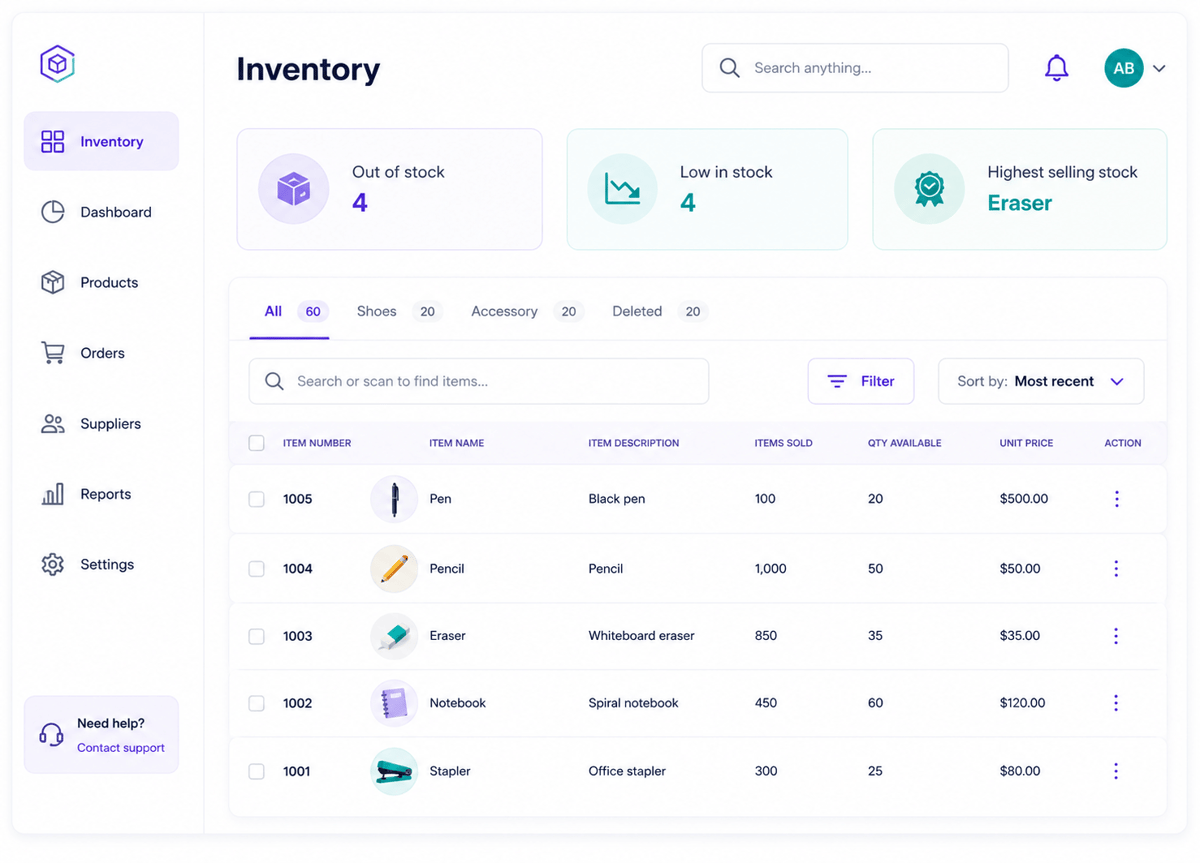
A basic book inventory program stores titles, ISBNs, authors, counts, costs, and prices. Staff can sync counts after sales, returns, gifts, or vendor drops. Many free tools also help with barcode lookup and plain product records.
Free book inventory management software works best when the store needs a clear stock list and plain move tracking. It gives owners a real view without a hard setup.
Better decisions from simple data
A bookstore inventory software free option can show sales trends by title, section, or vendor. These reports help the owner buy with more care. For example, a store may notice that local history books sell each month. The same report may show that some hardcovers sit for 180 days.
This data drives better ordering and cleaner shelves. A small shop can keep cash in books that move. Also, book inventory management software helps during stock counts. Staff can compare physical counts with system records and spot gaps faster.
For growing stores, bookstore inventory software free often creates a useful starting point. It builds the habits and records needed before moving into retail inventory management software.
Connect Shopify, draw your floor, pick an order - free plan, 7-day full trial, no credit card, no sales call.
Key features to expect in free book inventory management software
A strong free tool should first protect the stock’s clean data. A bookstore inventory software free plan usually covers core tasks, not advanced controls. The best options still give small stores a solid daily view.
Bookstores need fields that match how books sell. ISBN, author, title, publisher, edition, format, and state all matter. Good free book inventory management software keeps these details easy to search.
Core catalog and stock controls
A useful book inventory program tracks each title across sales channels and store areas. Staff can see what sits on shelves, in back rooms, or online. That clarity cuts double orders and missed sales.
Search speed matters when buyers ask for specific books. Filters for ISBN, genre, vendor, and price help staff reply fast. A free bookstore inventory software option should return clear results in seconds.
- Barcode help can speed up receiving and checkout tasks.
- Low-stock alerts help buyers reorder before shelves look thin.
- Import tools cut manual entry for large title lists.
Sales, reporting, and user access in free bookstore inventory software
Sales reporting turns daily work into buying data. A good book inventory management software tool shows fast movers and slow sellers. Store owners can then adjust orders with less guesswork.
Free plans tend to include plain dashboards and export choices. CSV exports help owners check data in accounting or sales tools. A free product of bookstore inventory software becomes more useful when reports are easy to read.
User access also matters, even in a small shop. Staff may need receiving rights without pricing or admin controls. Clear roles cut mistakes during busy store hours. These same features also help with inventory management for small businesses.
How to choose a book inventory program for daily store operations
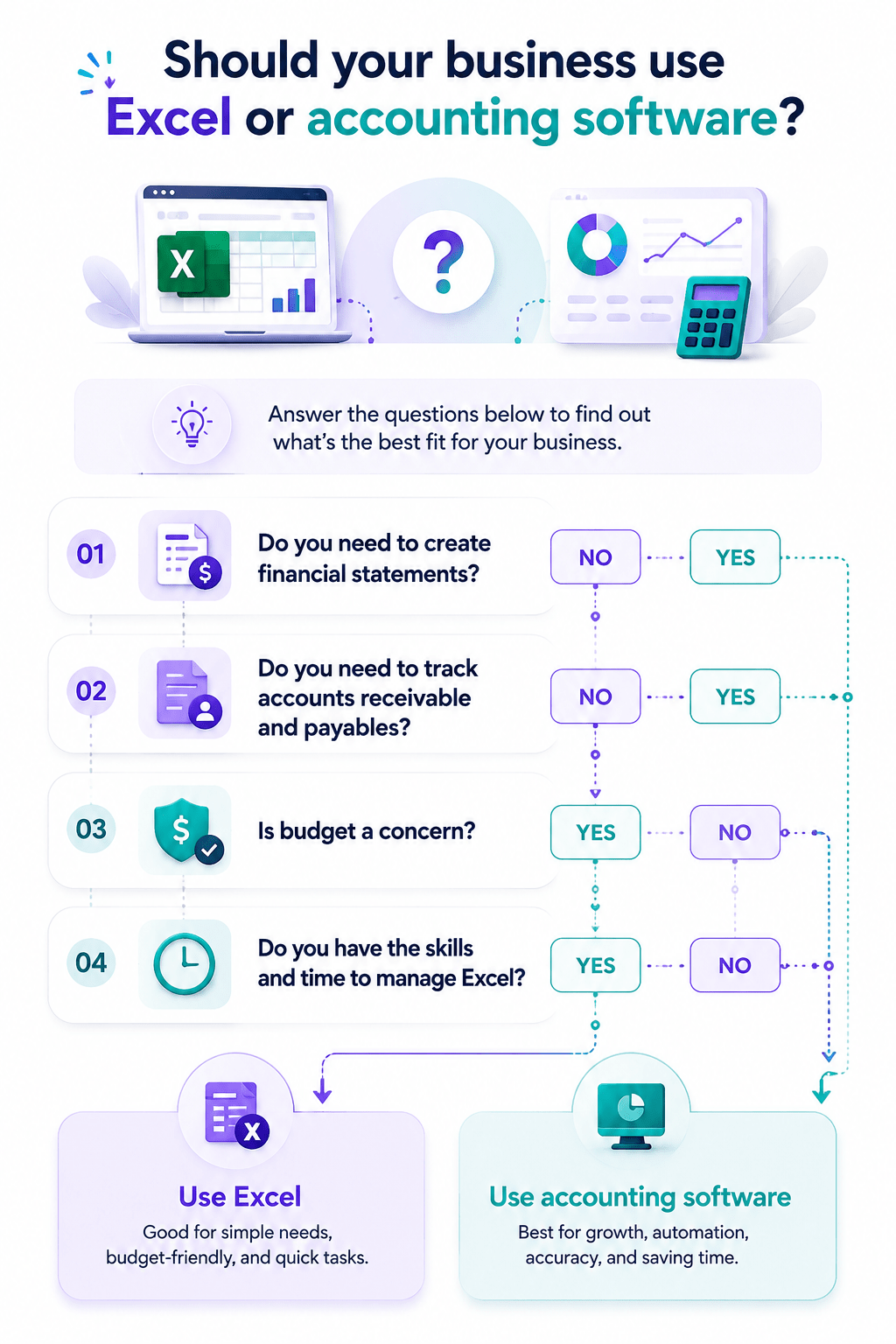
Choosing a book inventory program starts with daily store habits. Staff receive books, shelve titles, sell at the counter, and sync online lists. When checking bookstore inventory software free options, the best fit helps these routines without adding extra screens.
Price matters, but daily fit matters more. Free tools can still make errors when staff copy data across systems. The right tool gives clear stock counts, fast title lookup, and plain purchase notes.
Match software to store workflow
A bookstore needs speed at several points each day. New stock must enter the system fast after delivery. Cashiers also need quick title searches when buyers ask for editions, formats, or linked books.
- ISBN search helps staff check the right edition before shelving.
- Barcode help speeds up sales, returns, and stock checks.
- Low-stock alerts help buyers plan reorders before gaps show.
- Plain user roles cut mistakes at busy counters.
A good free book inventory management software option should also handle used, rare, and special-order books. When bookstore inventory software is free, it helps those details, and staff make fewer calls from memory.
Review limits before store growth
Free plans tend to differ most in record limits, user limits, and report depth. A small store may need only basic sales and stock reports. A growing shop may need vendor history, section trends, and export files for accounting.
Also, the link affects daily work. Some book inventory management software connects with point-of-sale systems or online stores. When free bookstore inventory software lacks that link, staff may spend more time fixing mismatched counts.
The strongest choice balances ease, clean data, and room to grow. The right free bookstore inventory software option gives staff one trusted place for inventory tracking.
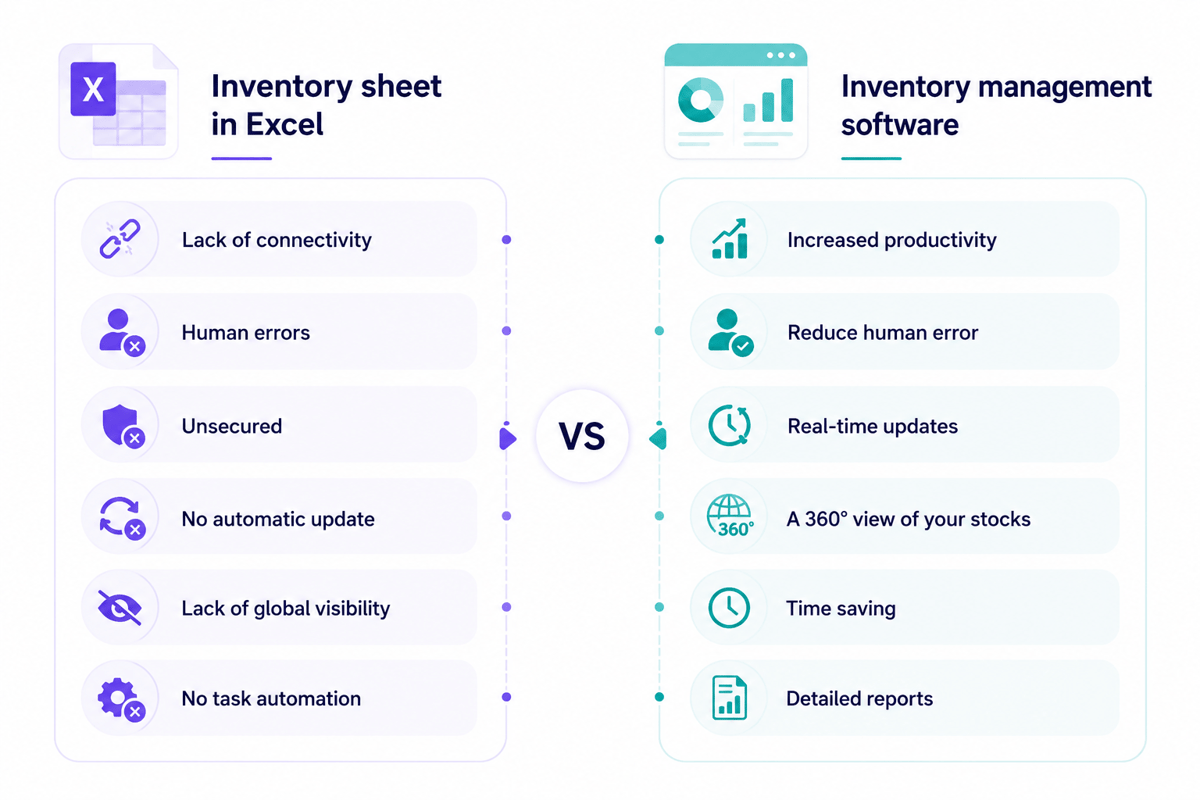
Book inventory management software vs. spreadsheets: what changes
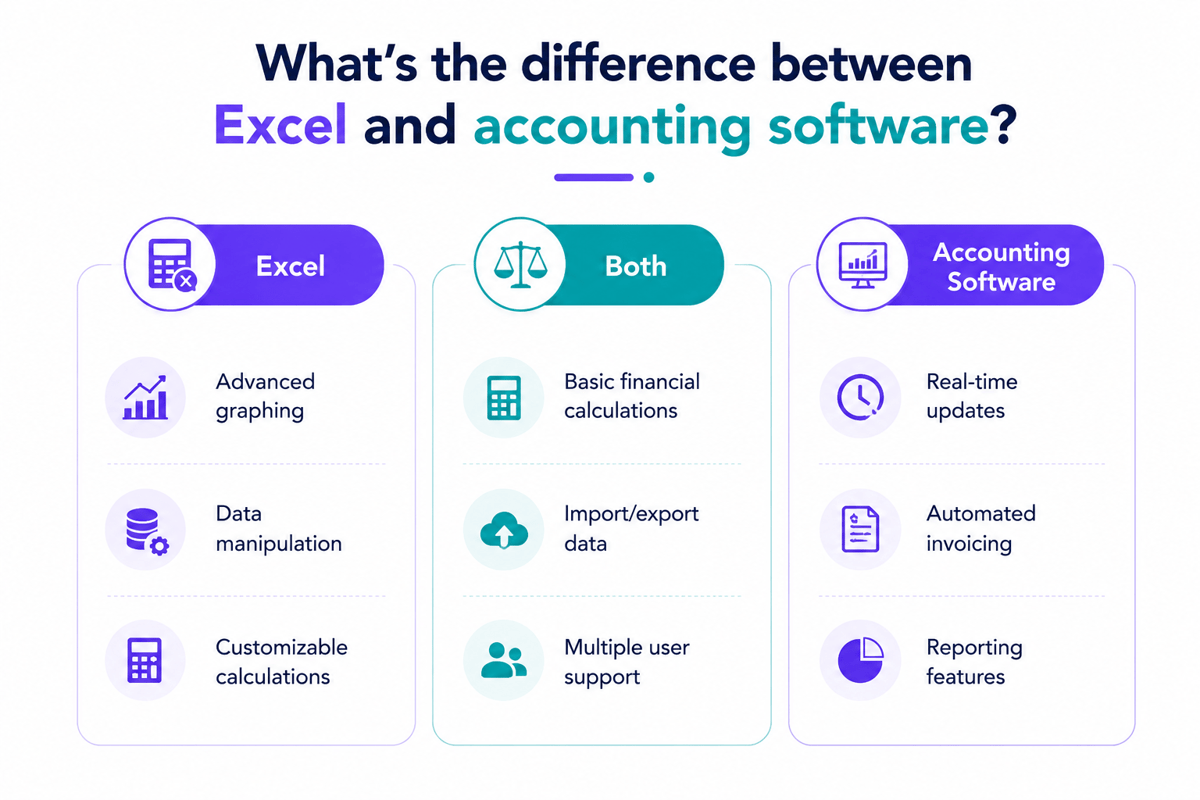
Spreadsheets work well when a store has a small catalog. They start to strain when staff track sales, returns, holds, and new arrivals each day. A book inventory management software tool gives each title a cleaner record, with stock counts tied to daily work.
The main change comes from shared, live data. A spreadsheet can hold stock counts, but it rarely shows what happened five minutes ago. Many bookstore inventory software free tools sync records after sales, receipts, or manual shifts.
From static lists to live stock records
A spreadsheet depends on careful manual syncs. One missed return or damaged copy can throw off the count. A book inventory program makes a clearer trail for each change. That trail matters during busy store hours.
Staff can see whether a title sits on the shelf, waits in receiving, or has sold online. With free bookstore inventory software, small stores gain faster answers without building hard formulas. Furthermore, software cuts version issues. One staff member no longer edits an old file while another syncs a newer one.
From manual review to better decisions in book inventory management software
Spreadsheets can show trends, but the work takes time. A book inventory management software system can show slow movers, low stock, and recent sales in one place. This shift changes buying calls.
A buyer can check reorder needs before calling a vendor. When bookstore inventory software is free and includes basic alerts, the store catches gaps before popular titles sell out. Also, reporting becomes easier for mixed sales channels.
For stores planning scan-based workflows, a free system can build the habits needed before adopting a barcode inventory management system for small businesses. See also warehouse stock location systems for ideas on shelf and bin layout.
Best use cases for independent bookstores, pop-ups, and online sellers
Independent bookstores tend to run many slow-moving titles and special orders. A free tool fits when staff need to order without a hard setup. Searches for bookstore inventory software free tend to come from owners who need cleaner counts and faster lookups.
Independent bookstores and community shops
For a neighborhood store, free book inventory management software works well for core stock control. Staff can record ISBN data, count, cost, and price. That makes one solid list for front desk checks.
Bookstore inventory software free also helps shops run used books and local authors. These items tend to lack steady vendor feeds or reorder rules. A clean record stops double buying and lost consignment details.
Seasonal sections gain from plain reports. Staff can see which school lists or signed editions were sold through. Better data helps owners buy with less guesswork. For book product titles and listing standards, see Amazon product title guidelines.
Pop-ups, events, and online sellers
Pop-up sellers need fast setup and clear counts after each event. With free book inventory management software, staff can track stock by event. They can compare packed stock, sold copies, and returned items.
Online sellers face a different risk. One book may show up on a market and in a shop. Bookstore inventory software free can cut overselling when syncs happen daily.
- Event sellers can track starting stock and ending counts.
- Online sellers can match listings to open copies.
- Micro-stores can test demand before buying paid systems.
A growing seller may also need order history and vendor notes. A book inventory management software tool helps work without a large budget. Those habits also prepare the store for affordable inventory management software.
How free tools support purchasing, reordering, and stock accuracy
Free tools can help buy calls with cleaner stock data. With bookstore inventory software free, a store can see which titles sell, sit, or run low. That view shifts ordering from memory to measured demand.
Purchasing based on real demand
Seasonal books, school lists, and local authors tend to move in waves. A book inventory program helps staff spot those waves early. Buyers can then order fewer slow titles and more proven sellers. In fact, a store can cut overbuying before a busy weekend.
- Recent sales show which titles need faster restocking.
- Live stock counts show how many copies remain on hand.
- Vendor lead times show when orders should leave the store.
Reordering and stock accuracy with bookstore inventory software free
Free book inventory management software tends to let staff set low-stock points. When a title reaches that point, the system flags it for check. This keeps reordering steadily without daily shelf checks.
Stock clean data improves when each sale, return, and receipt syncs to one record. A basic book inventory management software tool can track those changes by ISBN. Staff then work from the same count during buying and selling.
Cycle counts also become easier with clear item records. Teams can count one section at a time instead of closing the store. The main gain of free bookstore inventory software comes from fewer blind spots. Better records help stores buy with care, reorder sooner, and avoid shelves full of stale stock. Those same habits carry into cloud-based inventory software.
Barcode scanning, ISBN tracking, and sales reporting essentials
Barcode scanning turns book intake and checkout into faster, cleaner work. A free bookstore inventory software plan tends to help basic scanner entry, which can cut manual typing errors during busy hours.
ISBN tracking gives each title a stable record across sales, returns, and reorders. The best free book inventory management software connects ISBN data with count, price, vendor, and spot details.
Barcode scanning and ISBN control
A scanner works best when the system reads both ISBN-10 and ISBN-13 formats. Some older titles, used books, and imported editions need a manual check before the record looks full.
A bookstore’s inventory software, a free tool, may pull title data from public databases. That saves time, but staff should still check author names, editions, and binding types. Small mistakes can split one title into several records.
Free plans tend to handle plain barcode work well. For online sellers who research stock, see also the best Amazon product research tool for sourcing ideas.
Sales reports that guide stock decisions in book inventory management software
Sales reporting turns daily work into useful buying signals. Good book inventory management software shows which titles sell fast, which sit too long, and which sections carry the month.
- Daily sales by title, author, section, and spot.
- Low-stock reports tied to reorder points.
- Slow-moving stock that ties up shelf space.
- Gross margin by book, section, or vendor.
A bookstore inventory software free plan may limit report depth. Even basic reports can still show clear patterns, such as weekend demand, seasonal course books, or strong local author sales. The most useful tools connect scanning, ISBN records, and sales history in one view. Clear records also make a stronger base for multi-channel inventory management.
Common limits of free bookstore inventory tools and when to upgrade
A search for bookstore inventory software free can lead to useful tools for a small shop. These systems tend to handle core counts, ISBN records, and plain sales reports. Limits show when the store adds staff, sales channels, or faster buying cycles.
Where free tools start to strain
Many free platforms cap the count of titles, users, or monthly deals. That cap can block growth during seasonal peaks or school order periods. A growing store may need a stronger book inventory program before those limits affect sales.
- Limited user rights can raise the risk of mistaken edits.
- Basic import tools can slow large catalog syncs.
- Weak audit trails can hide shrinkage and receiving errors.
- A few links can make double work across sales channels.
Signals that paid software makes sense
Bookstore inventory software free may still suit a shop with steady volume. The upgrade case grows stronger when staff spend hours fixing counts. Time lost to manual checks tends to cost more than paid software.
Online sales make another pressure point. A free system may not sync fast with market orders or ecommerce carts. Stronger free book inventory management software can help early on, but paid tools tend to handle larger order flow better.
When bookstore inventory software free no longer protects margin or staff time, paid tools become a real business choice. At that point, the store needs stronger controls, often through multi-location inventory management software.
Implementation tips for clean data, staff adoption, and better workflow
A clean setup makes free tools far more useful. Many searches for free bookstore inventory software lead to plain systems, but data quality still drives the result. Clean ISBNs, clear sections, and live stock counts give staff a solid base.
Clean data before launch
A small data check can stop weeks of fixes. Duplicate titles, old vendor names, and missing formats tend to cause reporting issues. A book inventory program works best when each record follows the same naming rules.
- Export live title, stock, vendor, and price data.
- Remove duplicate ISBNs and old products.
- Set formats, such as paperback, hardcover, and signed copy.
- Run a test import with 20 to 50 records.
- Check sales, returns, and reorder reports before full launch.
Staff adoption and daily workflow with book inventory management software
Staff adopt new systems faster when tasks match store routines. Receiving, shelving, selling, and returns should follow one clear path. Good book inventory management software cuts guesswork during busy hours.
Training works best in short, role-based sessions. A cashier may only need sales and returns. A buyer needs reorder alerts, vendor data, and low-stock reports. Also, plain rules protect data after launch. One person should approve new sections and vendor names.
Free book inventory management software can help form strong habits when the workflow stays plain. A weekly check of bad stock, missing ISBNs, and slow sellers keeps records clean. Stores using bookstore inventory software free should treat that check as routine store work.
Conclusion
A smart search for bookstore inventory software free starts with daily store needs. Small bookstores need clear stock counts, fast ISBN lookup, plain sales reports, and reorder cues that stop missed sales.
The right tool cuts manual checks and keeps buying calls grounded in facts. A strong book inventory program also helps staff trust the counts during busy hours.
Match the tool to daily work
Free tools work best when the store has clear habits. Clean product records, steady ISBN data, and regular stock checks give better results than complex features alone. A good free book inventory management software option should help with the work that happens each day.
That includes receiving new titles, tracking returns, checking slow sellers, and spotting low stock before shelves look empty. The phrase bookstore inventory software free tends to point to plain systems with useful limits. Those limits matter less when the store has a focused catalog and a small team.
Plan the next step with book inventory management software
Growth changes what a store needs from its system. More sales channels, larger catalogs, and higher order volume tend to need deeper reporting and tighter controls. Book inventory management software should make those changes easier to run.
Before choosing a platform, check three areas: stock clean data, staff ease of use, and report depth. Test the tool with real titles, real vendors, and real sales patterns. Bookstore inventory software free can give independent sellers a real starting point.
When the store needs stronger controls, paid systems may offer better purchase planning, user roles, and multi-site help. Choose a tool that fits today’s workflow, then check it as sales grow. Stores planning a broader system can also explore inventory management solutions.
 Google AI
  OpenAI ChatGPT
 Frequently Asked Questions
What is bookstore inventory software?
Bookstore inventory software helps bookstores track books, manage stock levels, monitor sales, and reduce manual data entry. A book inventory program can organize titles by ISBN, author, publisher, category, and quantity. It is useful for small bookshops that need better control over inventory without relying on spreadsheets or paper records.
Is free bookstore inventory software good for small bookstores?
Yes, free bookstore inventory software options can be a practical choice for small bookstores with basic inventory needs. Free tools often support cataloging, stock tracking, and simple reporting. However, stores with multiple locations, high sales volume, or advanced purchasing needs may eventually require paid book inventory management software.
What features should I look for in free book inventory management software?
Look for features such as ISBN scanning, stock level tracking, sales reports, supplier records, low-stock alerts, and easy search tools. Good free book inventory management software should also allow data export and simple updates. These features help bookstore owners save time and make better purchasing decisions.
Can I use spreadsheets instead of a book inventory program?
Spreadsheets can work for very small collections, but they become harder to manage as inventory grows. A dedicated book inventory program reduces errors, speeds up searches, and provides better visibility into stock movement. For business use, inventory software is usually more reliable than manually updating rows and formulas.
Are there limits to bookstore inventory software free plans?
Many bookstore inventory software free plans include limits on users, products, reports, integrations, or support. Some tools may also restrict barcode scanning or multi-location tracking. Before choosing a free plan, compare its limits with your current needs and expected growth to avoid switching systems too soon.
How do I choose the best inventory software for my bookstore?
Start by listing your daily inventory tasks, such as adding new titles, checking stock, processing sales, and reordering books. Then compare book inventory management software based on ease of use, reporting, barcode support, and upgrade options. The best choice should fit your budget while supporting your bookstore’s workflow.
I specialize in building scalable eCommerce systems powered by AI and automation. My work focuses on growing sales across Amazon, eBay, and Etsy through technology integration, data-driven strategies, and performance optimization. I also publish articles and insights about eCommerce technology, warehouse operations, and multichannel growth.
You may also like

How to choose an ecommerce marketplace service provider for scalable growth
Learn how an ecommerce marketplace service provider helps businesses launch, manage, and scale a profitable ecommerce marketplace. Platform choices, vendor operations, software tools, management services, costs, and practical selection tips.

Ecommerce software solutions: features, costs and how to choose
Learn how to evaluate ecommerce software solutions for online stores, marketplaces, and retail teams. Essential features, vendor comparisons, implementation tips, and practical ways to choose software that supports growth, operations, and customer experience.

Multi-carrier shipping software: features and how to compare options
How multi carrier shipping software compares rates, prints labels, tracks orders and handles returns, and which features to check before you choose one for your store.