
Ecommerce WMS Software: How to Choose the Right Solution for Growth
 Fiftify Team
·
· 18 min read
Fiftify Team
·
· 18 min read

Fast growth can strain a warehouse before leaders see the warning signs. Orders rise, stock moves faster, and small errors start to spread across every channel. Ecommerce wms software helps bring order to that pressure by connecting inventory, picking, packing, and shipping in one system.
Spreadsheets and basic tools often work for a while. Then late shipments, stockouts, and duplicate work begin to cut into margins. The right ecommerce wms software gives teams live visibility and tighter control as order volume climbs.
Why Growth Exposes Warehouse Gaps
Growth rarely breaks one process at a time. It usually exposes weak links across receiving, storage, fulfillment, and returns. A missed scan can lead to a backorder, a split shipment, or an unhappy customer.
Manual workflows also slow good teams down. Staff spend time checking stock counts, fixing order errors, and answering status questions. Ecommerce wms software reduces that friction by keeping inventory data current and warehouse tasks clear.
What Strong Software Changes
The best ecommerce wms supports speed without sacrificing accuracy. It helps warehouses route work better, track each item movement, and shorten the time from order to shipment. Those gains often show up in lower labor costs and fewer support tickets.
Strong ecommerce wms software also gives managers better decision support. Real-time data shows where orders stall, which products move fastest, and when replenishment needs attention. That view helps businesses grow with fewer surprises.
Choosing ecommerce wms software is not only a technology decision. It shapes how a business handles demand, protects margins, and serves customers at scale. The best ecommerce WMS fits current needs while leaving room for the next stage of growth.
Connect Shopify, draw your floor, pick an order - free plan, 7-day full trial, no credit card, no sales call.
What Is Ecommerce WMS Software and Why It Matters
Ecommerce wms software manages warehouse work for online orders. It tracks stock, guides picking, updates order status, and supports packing and shipping. Unlike a basic inventory tool, it connects warehouse activity to the speed and accuracy ecommerce teams need every day.
As order volume grows, manual processes start to break. Teams spend more time fixing stock errors, searching for items, and checking order status. Ecommerce wms software brings those tasks into one system, which helps warehouses move faster with fewer mistakes.
How Ecommerce WMS Software Works
A warehouse management system records inventory as it moves. It tracks receiving, storage locations, picks, packing steps, and outbound shipments. That real-time view gives teams a clear picture of what is in stock and where it sits.
Most ecommerce wms software also connects with shopping carts, marketplaces, and shipping tools. When an order comes in, the system can route it to the right workflow. That link reduces delays between sale, pick, pack, and dispatch.
The best ecommerce wms also supports barcode scanning and location control. Scanning confirms the right item, bin, and order at each step. Those checks cut mis-picks and help staff work with more confidence during busy periods.
Why It Matters for Growing Brands
Growth puts pressure on inventory accuracy and fulfillment speed. A small error rate can create a large number of support tickets. ecommerce wms software helps control that risk by keeping stock counts current and workflows consistent.
Multi-channel selling makes the challenge harder. A brand may sell through its site, marketplaces, and wholesale accounts at once. The best ecommerce wms helps sync stock across those channels, which lowers the chance of overselling.
Better warehouse control also supports stronger margins. Teams waste less time on rework, split shipments, and rush replacements. For many growing businesses, that makes ecommerce wms software a core system, not just another inventory software for warehouse.
Core Features to Look for in the Best Ecommerce WMS
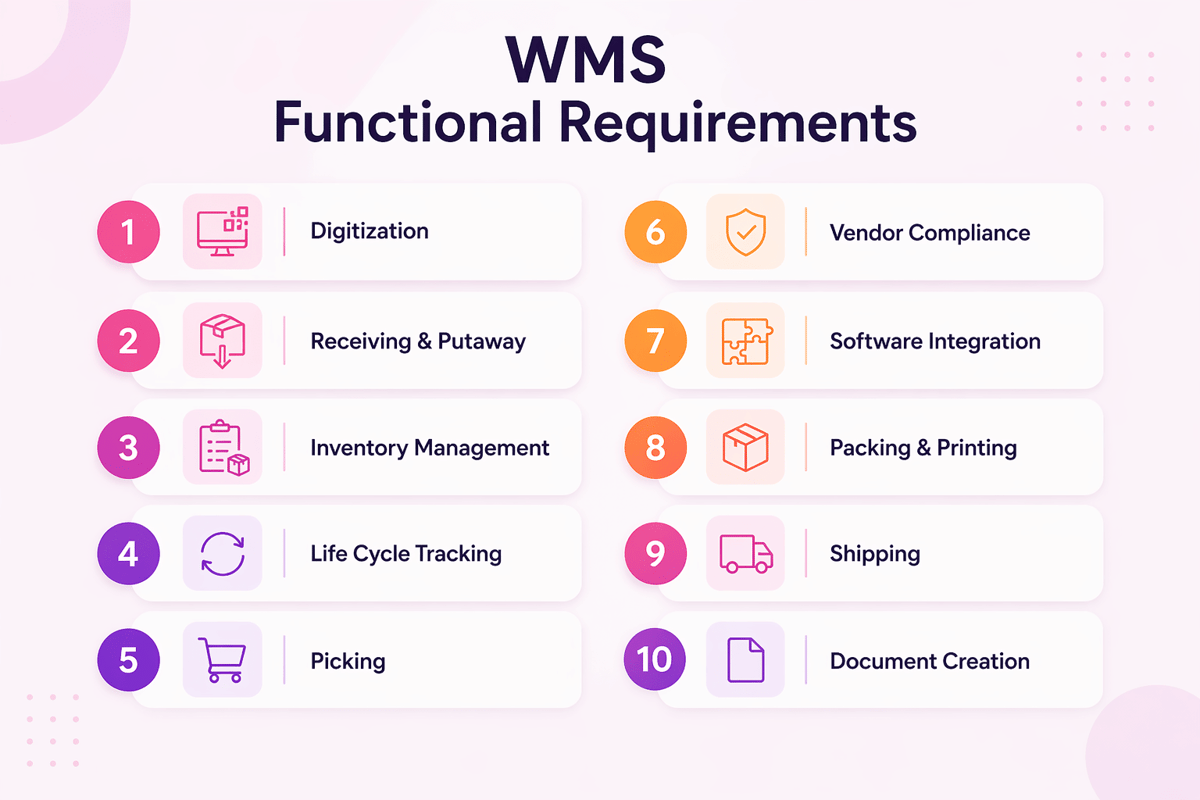
The right ecommerce wms software gives growing brands control over stock, orders, and warehouse flow. Strong systems connect inventory data with picking, packing, and shipping in real time. That visibility matters when order volume rises and mistakes become more costly.
The best ecommerce wms supports daily work without adding extra steps. Teams need clear dashboards, fast updates, and simple rules that keep orders moving. A good fit also scales well when new channels, products, or locations come online.
Inventory and Order Control
Real-time inventory tracking sits at the center of effective ecommerce wms software. It shows available stock by SKU, bin, warehouse, and channel. That level of detail helps prevent overselling and reduces manual stock checks.
Order management features should route work based on clear logic. The system may assign orders by carrier, shipping speed, warehouse zone, or order value. Those rules shorten decision time and keep fulfillment more consistent.
Barcode scanning is another core feature in the best ecommerce wms. Scan-based receiving, putaway, picking, and packing reduce keying errors. Accuracy improves because staff confirm each move at the point of work.
Integration, Reporting, and Scalability
Strong integrations make ecommerce wms software more useful across the business. The platform should connect with ecommerce stores, marketplaces, ERPs, shipping tools, and returns systems. Clean data flow limits duplicate entry and gives teams one version of the truth.
Reporting should move beyond basic order counts. Managers need fill rate, pick accuracy, inventory aging, labor output, and order cycle time. Those numbers reveal where delays start and where costs rise.
Scalability often separates short-term fixes from lasting systems. The best ecommerce wms handles higher order volume, more users, and added warehouse locations without slowing down. Flexible workflows also help brands support kitting, bundles, subscriptions, and B2B orders as operations grow.
Mobile access and role-based permissions add practical value as teams expand. Supervisors can review work faster, while staff see only the tasks tied to their role. When these features work together, ecommerce wms software becomes a stronger foundation for ecommerce fulfillment automation.
Key Benefits of Ecommerce WMS Software for Inventory and Fulfillment
Ecommerce wms software gives fast-growing brands tighter control over stock, picking, and shipping. Teams see what is on hand, what is reserved, and what needs to move next. That visibility cuts guesswork and helps prevent stockouts, overselling, and slow order handling.
Accurate warehouse data also supports better buying decisions. When counts stay current, planners can reorder at the right time and avoid tying up cash in excess stock. For many brands, that balance matters as much as shipping speed.
Real-Time Inventory Accuracy
A strong ecommerce wms software platform updates inventory as work happens. Receipts, picks, returns, and transfers change stock levels right away. Staff spend less time checking spreadsheets and more time moving orders forward.
Cycle counts become easier because the system tracks item locations and movement history. Managers can spot recurring errors, missed scans, or damaged stock before they grow into larger problems. This level of control is one reason buyers compare features carefully when choosing the best ecommerce wms.
Better accuracy also lowers the cost of fulfillment mistakes. Fewer wrong picks mean fewer reships, refunds, and support tickets. That saves labor and protects margin on every order.
Faster Fulfillment and Lower Operating Costs
Warehouse speed improves when tasks follow clear rules. ecommerce wms software can direct picks by zone, batch similar orders, and reduce unnecessary walking. Small time savings across hundreds of orders quickly add up.
Shipping performance becomes more consistent as volume grows. Teams can prioritize rush orders, group work by carrier cutoff, and keep packing stations supplied. The result is a smoother daily flow with fewer late shipments.
Returns processing benefits as well, since items can be inspected, restocked, or flagged quickly. When inventory and fulfillment work from one source of truth, the warehouse supports broader coordination with order management software.
How the Best Ecommerce WMS Supports Multi-Channel Operations
Multi-channel selling creates pressure across inventory, orders, and shipping. A late stock update on one channel can trigger overselling on another. ecommerce wms software keeps those moving parts connected through one operating view.
When brands sell through Shopify, Amazon, Walmart, and wholesale portals, each channel adds new rules. Order priorities shift, packing needs change, and carrier choices vary by source. The best ecommerce wms keeps those workflows aligned without forcing teams to manage each channel by hand.
Shared Inventory Across Every Sales Channel
Accurate stock data matters most when demand moves fast. ecommerce wms software updates inventory counts as orders arrive, items are picked, and returns go back into stock. That reduces the gap between what customers see and what the warehouse can ship.
A single inventory record also supports smarter allocation. Teams can reserve fast-moving units for priority channels or route stock by warehouse location. The best ecommerce wms helps prevent stockouts in one channel while excess units sit elsewhere.
Channel sync also improves catalog control. Product bundles, kits, and shared SKUs stay linked to the same automation inventory logic. That matters when one item appears in several storefronts under different offers or pricing rules.
Order Routing That Matches Channel Demands
Each sales channel has its own service expectations. Marketplaces often require strict ship-by windows, while direct-to-consumer orders may need branded inserts or custom packing. ecommerce wms software applies those rules at the order level, which cuts manual review time.
Routing logic can send orders to the best warehouse based on stock, region, or carrier cost. That shortens transit time and lowers split shipments. It also gives growing brands a cleaner path to add new fulfillment nodes.
As channel count grows, consistency becomes more valuable than speed alone. The strongest platforms support consistency with clear rules, live inventory visibility, and reliable order flow across multi-channel inventory management.
Ecommerce WMS Software vs Traditional Warehouse Management Tools
Traditional warehouse tools were built for stable, predictable operations. Many focused on pallet moves, bulk storage, and fixed shipping patterns. Modern ecommerce wms software supports a very different environment. Online brands deal with fast order swings, small picks, and constant channel updates.
That difference shapes how each system handles daily work. Older tools often depend on manual updates, delayed syncs, and custom workarounds. Ecommerce wms software connects inventory, orders, and fulfillment in near real time. Teams can react faster when demand shifts or stock runs low.
Where Traditional Tools Fall Short
Traditional systems usually work best in single-channel warehouse settings. They may track stock well, but they often struggle with marketplace orders and direct-to-consumer fulfillment. That gap becomes clear when order volume rises across several sales channels.
Returns also expose the limits of older platforms. Many were not built for high return rates, item inspections, and quick restocking. Ecommerce wms software often includes workflows that move returned goods back into available stock faster. That speed helps protect margins and reduces overselling risk.
Reporting can create another divide. Legacy tools may show what happened yesterday or last week. The best ecommerce wms gives teams live views of picking speed, order backlogs, and stock accuracy. Better visibility supports faster decisions during peak periods.
What Ecommerce-Focused Systems Do Better
Ecommerce wms software is designed around order complexity. It supports batch picking, wave picking, kitting, and split shipments without heavy manual effort. Those functions matter when a warehouse ships hundreds of small orders each day.
Integration is another major advantage. Traditional tools often need extra middleware to connect with carts, marketplaces, and shipping platforms. Ecommerce wms software usually offers direct connections that reduce delays and data errors. That creates a cleaner flow from checkout to delivery.
- Inventory updates reach sales channels faster.
- Pick paths become easier to manage during busy periods.
- Order status stays clearer for both staff and customers.
The best ecommerce wms also supports growth without forcing a full system change too early. A business can add channels, warehouses, or fulfillment rules as demand expands. That flexibility makes it a stronger long-term fit than software built only for basic warehouse management.
Use Cases for Ecommerce WMS Software in Growing Online Businesses
Growth creates pressure in areas that once felt manageable. Order volume rises, stock moves faster, and manual tracking starts to break. ecommerce wms software helps teams keep pace when spreadsheets and basic tools no longer support daily warehouse work.
Many brands reach this point during channel expansion. A business may sell through Shopify, Amazon, and wholesale accounts at once. ecommerce wms software gives staff one system for inventory, picking, packing, and shipping across those sales streams.
Inventory Control During Rapid Growth
Fast-growing sellers often struggle with stock accuracy. One late update can trigger overselling, backorders, and avoidable support tickets. Ecommerce wms software keeps inventory data current as orders, returns, and receipts move through the warehouse.
Seasonal spikes create another common use case. Holiday demand can double daily order counts in a short window. The best ecommerce wms helps teams assign pick paths, group orders, and reduce packing errors when speed matters most.
Brands with large SKU counts also benefit from tighter location control. Similar items often get mixed during receiving or replenishment. With ecommerce wms software, bin locations, barcode scans, and movement history make errors easier to catch before they affect shipments.
Multi-Channel Fulfillment and Returns
Multi-channel operations create more rules inside the same warehouse. Marketplaces may require one packing method, while direct orders need branded inserts. ecommerce wms software helps teams follow channel-specific workflows without slowing the floor.
Returns processing becomes more important as order volume grows. A delayed return can hide good stock and distort reorder decisions. The best ecommerce wms supports faster inspection, restocking, and status updates so inventory stays sellable and visible.
For growing online businesses, these use cases show where system choice affects daily performance, margin, and customer trust. The strongest results come from matching software capabilities to real warehouse management strategies.
How to Evaluate the Best Ecommerce WMS for Your Business Size and Needs
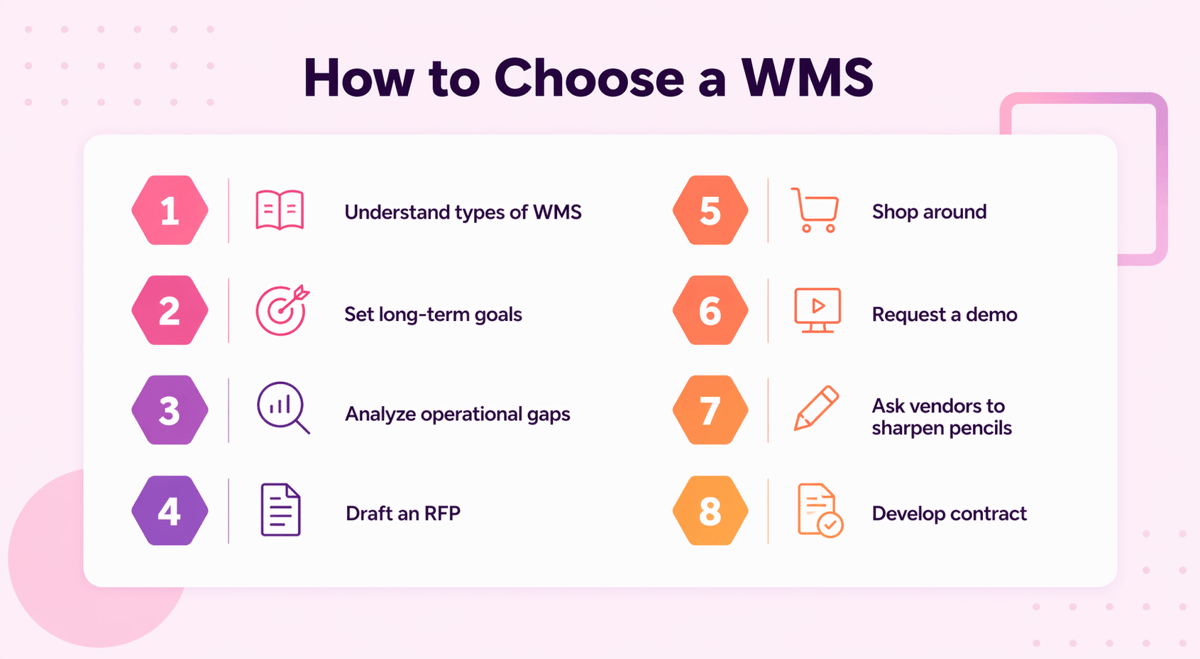
The right ecommerce WMS software should match current order volume and near-term growth. A system built for 500 orders a week may strain at 5,000. That gap often shows up first in picking speed, stock accuracy, and labor costs.
Business size also shapes feature needs. A small brand may need clean inventory sync and simple shipping rules. A larger seller often needs wave picking, returns handling, lot tracking, and role-based permissions in its ecommerce wms software.
Channel mix matters just as much. Selling through one storefront creates fewer rules than selling on marketplaces, retail portals, and wholesale accounts. The best ecommerce wms supports those workflows without heavy manual work between systems.
Match the System to Operational Complexity
Evaluation starts with daily warehouse reality. Review SKU count, order peaks, storage layout, and the number of people touching each order. Strong ecommerce wms software should reduce handoffs, not add new ones.
Integration depth deserves close attention. Some tools connect to carts and carriers but stop short of real-time data flow. Reliable ecommerce wms software keeps inventory, orders, and shipment status aligned across channels.
Reporting quality often separates average tools from the best ecommerce wms. Fast access to fill rate, pick accuracy, backorders, and labor output helps managers spot issues early. Clear dashboards also make it easier to plan staffing during demand spikes.
Assess Cost, Support, and Room to Grow
Price should be judged against total operating impact. A lower monthly fee can hide costs in setup time, custom work, and manual fixes. Better ecommerce wms software often saves money by cutting errors and reducing rework.
Vendor support affects long-term value. Response times, onboarding help, and training quality shape how quickly teams gain confidence. The best ecommerce wms vendors usually offer clear service levels and practical guidance, not just software access.
Growth fit remains the final test. A platform should support more users, more locations, and more order rules without forcing a full replacement in a year. That kind of flexibility matters even more for brands that may later expand into warehouse fulfillment services.
Implementation Tips for Ecommerce WMS Software Success
A strong rollout plan shapes the value of ecommerce wms software. Teams often struggle when they rush setup, skip testing, or move bad data into the new system.
Success usually starts with a narrow scope and clear ownership. One team should own system rules, item data, user access, and issue tracking from day one.
Clean data matters more than most buyers expect. Product dimensions, bin locations, reorder points, and barcode formats need review before ecommerce wms software goes live.
Prepare Data and Workflows First
Warehouse processes should match the system before launch. If receiving, putaway, picking, and returns vary by shift, the software will expose those gaps fast.
A short process map helps teams spot weak points early. It also shows where the best ecommerce wms can remove manual checks and reduce order delays.
Training works best when it follows real tasks, not generic demos. Pickers need scan flows, supervisors need exception handling, and managers need reporting views.
Pilot testing lowers risk before full deployment. A controlled launch with one channel, one warehouse zone, or one product group gives ecommerce wms software time to prove accuracy.
Control the Go-Live and Measure Results
Go-live plans need clear rules for support and escalation. Staff should know who fixes sync errors, inventory mismatches, and carrier label failures during the first weeks.
Daily reviews keep small issues from becoming expensive problems. Most teams track pick accuracy, order cycle time, receiving speed, and stock adjustments after launch.
Integration checks deserve close attention during the first month. Orders, inventory counts, tracking updates, and returns data should move cleanly between channels and ecommerce wms software.
The strongest results come from steady refinement after launch. Businesses that review workflows each week often get more value from the best ecommerce wms and build a smoother path into third-party warehouse management.
Common Mistakes to Avoid When Choosing the Best Ecommerce WMS
Many teams buy too much system too soon. Others choose a tool that fits today but breaks under higher order volume. The right ecommerce wms software should match current needs and leave room for steady growth.
Price also skews decisions in the wrong direction. A low monthly fee can hide weak support, limited integrations, or costly custom work later. The best ecommerce wms often proves its value through faster receiving, fewer picking errors, and cleaner inventory data.
Choosing Based on Features Alone
Long feature lists can distract from daily warehouse reality. A platform may offer advanced tools, yet still slow down picking or confuse new staff. Strong ecommerce wms software supports the workflows your team actually uses.
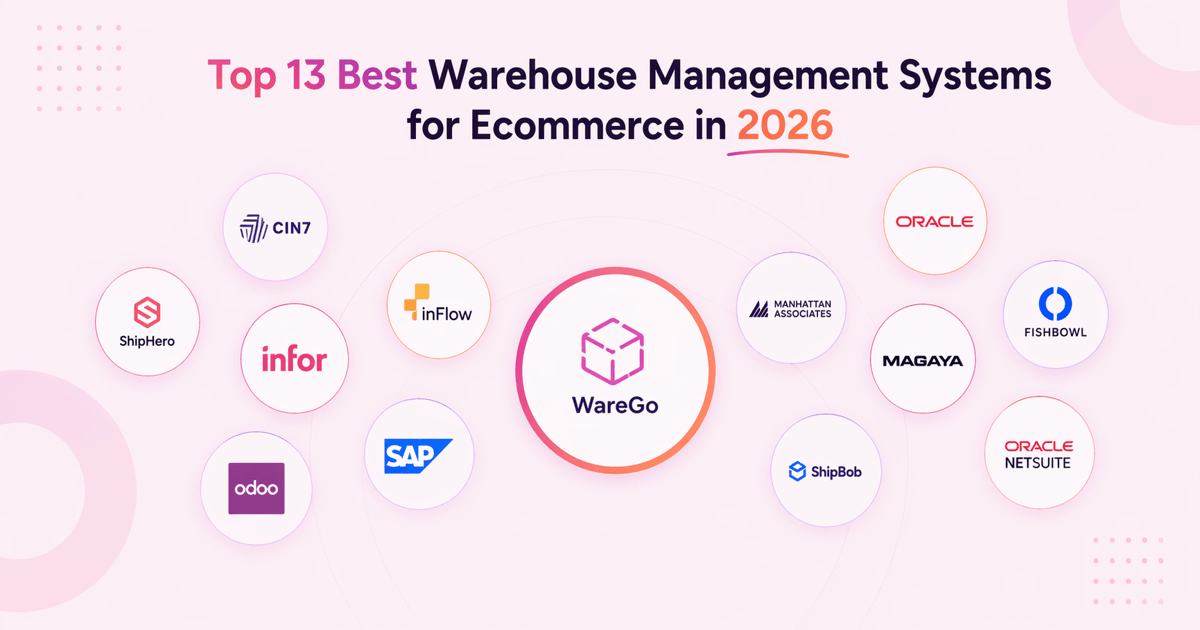
Integration gaps create another common problem. If the system does not connect well with ecommerce platforms, shipping tools, and ERP data, teams end up fixing errors by hand. Many buyers compare vendor claims with independent reviews such as Best Warehouse Management Software 2026 before they narrow the shortlist.
Some companies also ignore usability during selection. A cluttered interface raises training time and increases mistakes on the floor. Good ecommerce WMS software makes common tasks easy to complete under pressure.
Overlooking Service, Scale, and Fit
Vendor support matters more than many buyers expect. When orders spike or data fails to sync, delayed help can stop fulfillment for hours. The best ecommerce wms comes with responsive support and a clear service model.
Another mistake is skipping a close review of scaling limits. Some systems work well for one warehouse but struggle with multiple locations, channels, or complex returns. Reliable ecommerce wms software should handle those changes without forcing a full replacement.
Decision teams sometimes leave warehouse staff out of the process. That choice often leads to poor fit, low adoption, and workarounds that weaken inventory accuracy. A better selection process includes supervisors, pickers, and operations leaders before the contract is signed.
Careful evaluation reduces expensive surprises later. Focus on fit, support, integration depth, and real operating needs. That approach helps buyers choose ecommerce wms software that supports growth without adding friction.
Conclusion
Growth puts pressure on inventory accuracy, order speed, and channel control. ecommerce wms software helps manage that pressure with real-time stock data, cleaner workflows, and better fulfillment visibility. The right system supports current volume and leaves room for higher order counts, new sales channels, and more complex warehouse activity.
Strong results usually come from fit, not feature count alone. A platform should match your order flow, team size, channel mix, and reporting needs. The best ecommerce wms gives staff clear tasks, reduces picking errors, and helps leaders spot issues before they affect customers.
What the Right Choice Delivers
Ecommerce wms software creates value when it connects daily warehouse work to business goals. It can reduce manual updates, prevent overselling, and keep orders moving during demand spikes. That matters most for brands that sell across marketplaces, web stores, and retail partners.
The buying decision also shapes long-term cost control. Reliable integrations, simple onboarding, and accurate data often matter more than a long list of advanced tools. When teams choose ecommerce wms software with a clear view of future needs, they avoid painful system changes later.
Next Step for Evaluation
Ask for a live demo built around your real order and inventory scenarios. Review support quality, integration depth, and reporting clarity before you decide. If growth is a priority, start vendor shortlisting now and choose ecommerce wms software that can support the next stage of your business.
 Google AI
  OpenAI ChatGPT
 Frequently Asked Questions
What is ecommerce WMS software?
Ecommerce wms software is a warehouse management system built for online retail operations. It helps businesses track inventory, manage picking and packing, process orders faster, and improve shipping accuracy. It is especially useful for brands selling across multiple channels that need better visibility and control inside the warehouse.
Why do online retailers need ecommerce WMS software?
Online retailers use ecommerce wms software to reduce manual work, prevent stock errors, and speed up fulfillment. As order volume grows, spreadsheets and basic tools often create delays and mistakes. A WMS supports real-time inventory updates, better labor efficiency, and a smoother customer experience through faster, more accurate deliveries.
What features should businesses look for in the best ecommerce WMS?
The best ecommerce WMS should include real-time inventory tracking, barcode scanning, order routing, returns management, and reporting tools. It should also integrate with ecommerce platforms, marketplaces, shipping carriers, and ERP systems. Easy onboarding, automation options, and scalability are also important for businesses planning to grow.
How does ecommerce WMS software improve inventory accuracy?
Ecommerce wms software improves inventory accuracy by updating stock levels in real time as products are received, moved, picked, and shipped. Many systems use barcode scanning to reduce human error and provide clear warehouse visibility. This helps businesses avoid overselling, stockouts, and costly fulfillment mistakes.
Can ecommerce WMS software integrate with other business systems?
Yes, most modern ecommerce wms software connects with shopping carts, marketplaces, shipping platforms, accounting tools, and ERP systems. These integrations help keep order, inventory, and shipping data consistent across the business. Strong connectivity also reduces duplicate data entry and supports faster decision-making.
How do you choose the best ecommerce WMS for your business?
To choose the best ecommerce WMS, start by reviewing your order volume, warehouse complexity, sales channels, and integration needs. Compare systems based on usability, automation features, reporting, support, and total cost. A good solution should fit your current workflow while giving you room to scale without major disruption.
Sync inventory in real time, manage orders, and run warehouse operations across Amazon, eBay, Etsy, Shopify, and other sales channels. From barcode scanning to organized storage and faster fulfillment, Fiftify helps reduce errors, prevent overselling, and support business growth. Explore our articles for insights on warehouse management, inventory control, and multichannel operations.
You may also like

Ecommerce Shipping Logistics: How to Build Faster, Smarter Delivery Operations
In fact, fast shipping now shapes how buyers rate online brands. Late orders cut trust fast. Strong ecommerce shipping logistics links checkout, stock, fill,…

Inventory Management Solutions: How to Choose the Right System for Growth
Growth breaks weak stock habits fast. Counts drift, restock calls are slow, and missed syncs spread across channels. Strong inventory management solutions give teams…

Warehouse Efficiency Tips: Practical Ways to Improve Warehouse Productivity
Small delays in a warehouse quickly turn into late shipments. Warehouse efficiency tips help cut extra touches that raise labor costs and slow the…