
Inventory tracking solution for heavy equipment: key features
 Daniel Brooks
·
· 15 min read
Daniel Brooks
·
· 15 min read

Heavy gear moves fast across yards, trucks, and job sites. With no clear logs, teams lose time finding assets, checking status, and proving who has what. A strong inventory tracking solution for heavy equipment gives each machine a clear record. It links spot, condition, service needs, and usage in one place. As a result, managers can plan work with fewer calls and fewer delays.
Per Caterpillar, most job site asset losses come from poor tracking habits, not theft. A solid equipment inventory software setup can cut those losses fast. Also, a tool inventory management system helps crews stay on top of both large gear and small tools in one flow.
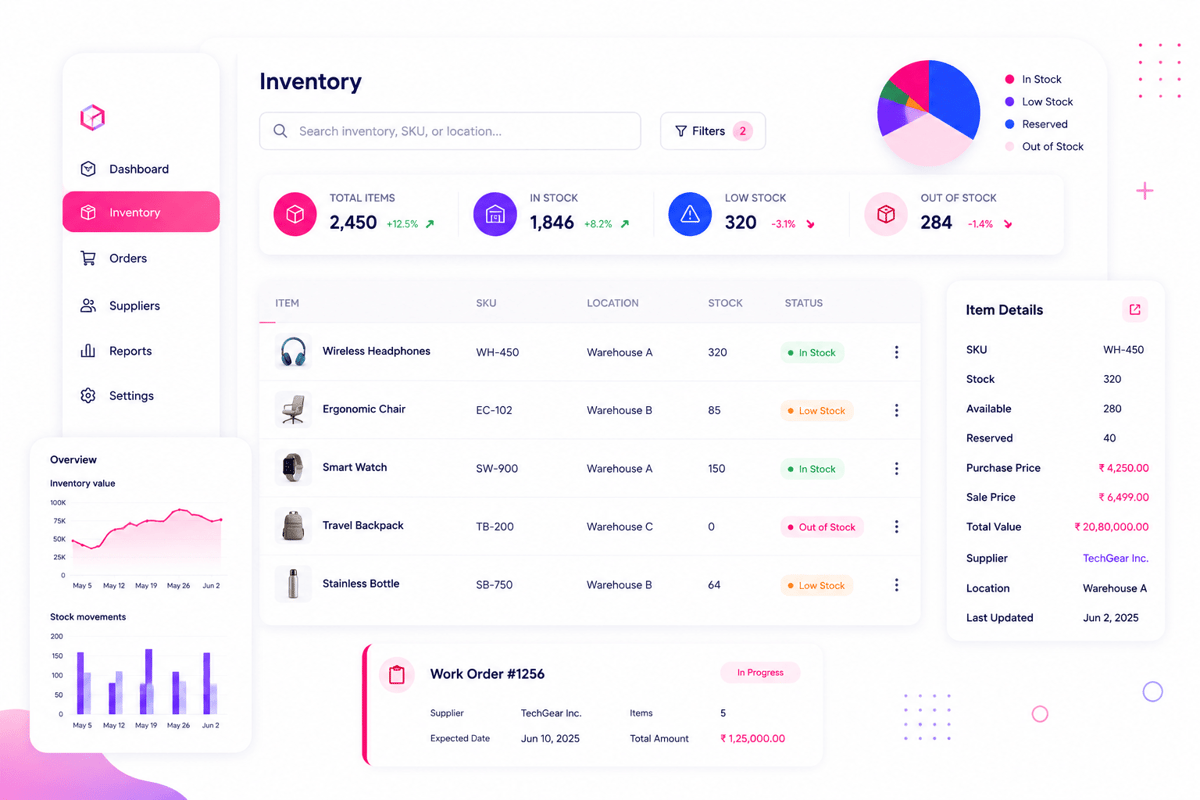
Why equipment inventory tracking gets complicated
Heavy gear rarely stays in one place. Machines move between projects and repair bays. They also shift across rental yards and storage areas. Paper logs and sheets tend to miss those shifts. A delayed sync can make an open machine appear missing. It may also show as rented or down for repair.
The same issue affects attachments, tools, and support gear. Many firms pair equipment inventory software with tool inventory software to track both high-value assets and smaller items. So the right inventory tracking solution for heavy equipment must handle that mix with no extra steps.
What the right inventory tracking solution for heavy equipment should clarify
An inventory tracking solution for heavy equipment shows where assets are, who has them, and what state they are in. That view helps managers plan work with fewer calls. Modern tools tend to include mobile scanning, GPS data, service logs, and user rights. These tools support stronger tool inventory management and more reliable field syncs. For a wider view of top tools, see the complete guide to inventory management software.
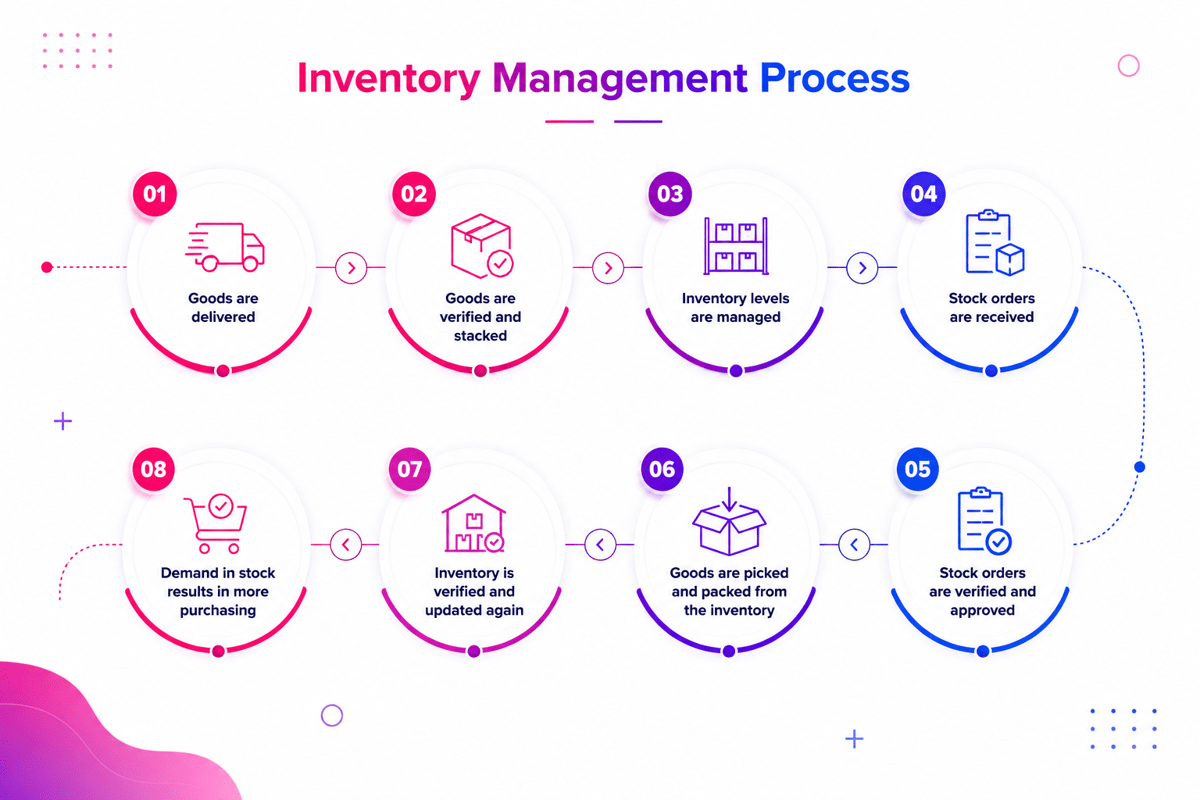
Why an inventory tracking solution for heavy equipment matters
Heavy gear ties up major capital on every job site. A strong inventory tracking solution for heavy equipment gives teams a clear view of where assets sit, who has them, and when they come back. With no control, crews lose time chasing machines, attachments, and tools.
Planners may rent gear already owned by the firm, while idle assets sit unused at another site. In fact, those double rentals tend to be one of the top hidden costs in field ops.
Control over high-value assets with an inventory tracking solution for heavy equipment
A solid inventory tracking solution for heavy equipment links asset logs with daily field work. Managers can see assignments, service status, use patterns, and spot data in one system. This matters as heavy gear costs go past the buy price. Fuel, transport, and downtime all affect margins.
Good equipment inventory software helps teams make calls before costs grow. Also, the same system can help with tool inventory management across trucks, yards, and job sites. When paired with tool inventory software, crews can track saws, lasers, and compactors next to larger assets. Furthermore, an automated tool inventory control tracking system cuts manual syncs and gives teams faster status data.
Better planning across job sites with heavy equipment tracking
A modern inventory tracking solution for heavy equipment lifts, planning before work starts. Teams can check the asset’s open status before crews arrive, which cuts delays and double rentals. Field teams also get faster answers for active jobs. A tool inventory app can show who checked out an item, when it was moved, and where it should go back.
For firms with many sites, a tool inventory management system makes one source of truth. It helps with small tool tracking and larger asset control in the same daily flow. An inventory tracking tool for heavy equipment also protects service plans. Teams can plan care around actual use rather than rough estimates or handwritten logs. That link cuts both idle time and surprise repair bills.
A solid inventory tracking solution for heavy equipment turns asset data into real calls. That shift gives managers a stronger base for job planning, cost control, and stock tracking. To see how an inventory tracking solution for heavy equipment fits with your wider IT asset needs, read our guide to IT inventory tracking software.
Connect Shopify, draw your floor, pick an order - free plan, 7-day full trial, no credit card, no sales call.
Common problems solved by equipment inventory software
Heavy gear results in high costs when teams lack clear logs. An inventory tracking solution for heavy equipment gives managers one source of truth for machines, attachments, tools, and service history. Sheets tend to fail when assets move across yards and job sites.
Equipment inventory software logs each move, so teams can see what was left, where it went, and who took it.
Lost assets and poor view without equipment inventory tracking
Missing gear tends to start with small gaps in handoff logs. A tool inventory management system links each asset to a person, site, truck, or storage area. That view helps teams cut rental waste and double buys. When crews can find open gear, they spend less on rush rentals.
- Tool inventory tracking shows which crew has each item
- Small tool tracking cuts shrink on high-volume gear
- An inventory tracking tool for heavy gear helps move it across sites
A strong inventory tracking solution for heavy equipment also builds ownership. Each scan or checkout creates a log that helps with fast gap fixes. Also, clear logs cut the time spent on disputes about who last had a machine.
Downtime, care gaps, and cost control in equipment tracking
Gear downtime tends to grow from missed checks or late service. Equipment inventory software can link the use, location, and service status in one log. Service teams get better context before a breakdown stops work. They can see hours, condition notes, and open items before sending a mechanic.
Also, an inventory tracking solution for heavy equipment lifts job planning. Planners can match open assets to upcoming work without calling every lead. Manual logs slow down the flow and make errors. An automated tool inventory control tracking system cuts repeat entry and gives teams faster status data.
Some firms pair tool inventory software with a tool inventory app for field syncs. An inventory tracking solution for heavy equipment works best when crews can log changes from the job site. For more on how to track assets on the go, see mobile inventory management.
Tool inventory software vs. a tool inventory app: what firms need
A tool inventory app gives field teams a quick way to scan items, assign tools, and log returns. It works best when crews need fast syncs from trucks, yards, or job sites. Tool inventory software has a wider role. It links field work with buying, service logs, user rights, and gear history.
For most firms, an inventory tracking solution for heavy equipment needs both parts to work as one.
Where mobile apps fit in heavy equipment tracking
A mobile app helps with the daily work of checkouts and transfers. Crews can scan codes, take photos, and check who holds each asset. That speed helps cut missing tools before gaps start.
Mobile access matters most when teams tend to move. A lead may need to check attachments or compactors before leaving a site. The right tool inventory tracking setup keeps those logs live with no extra office work.
- Small tool tracking gets easier when workers scan at pickup and return
- A tool inventory app can log condition notes before gear leaves the yard
- Offline access helps crews keep working when the signal drops
Why software handles the bigger picture
A full tool inventory management system gives managers deeper control. It tracks ownership, spot history, repair status, and swap needs. An inventory tracking solution for heavy equipment also shows patterns across crews and sites.
Equipment inventory software helps with calls that a mobile app cannot handle alone. It can show idle assets, repeat losses, and tools due for service. Those details help teams buy less, rent less, and plan work with cleaner data. Furthermore, an automated tool inventory control tracking system cuts manual syncing. Scans, user assignments, and status changes feed one shared log.
The best pick rarely comes down to software vs. an app. Field teams need mobile speed, while managers need full reports. A strong inventory tracking solution for heavy equipment links both needs across yards, job sites, and service teams. For more on choosing the right system, see the top 5 inventory management software options.
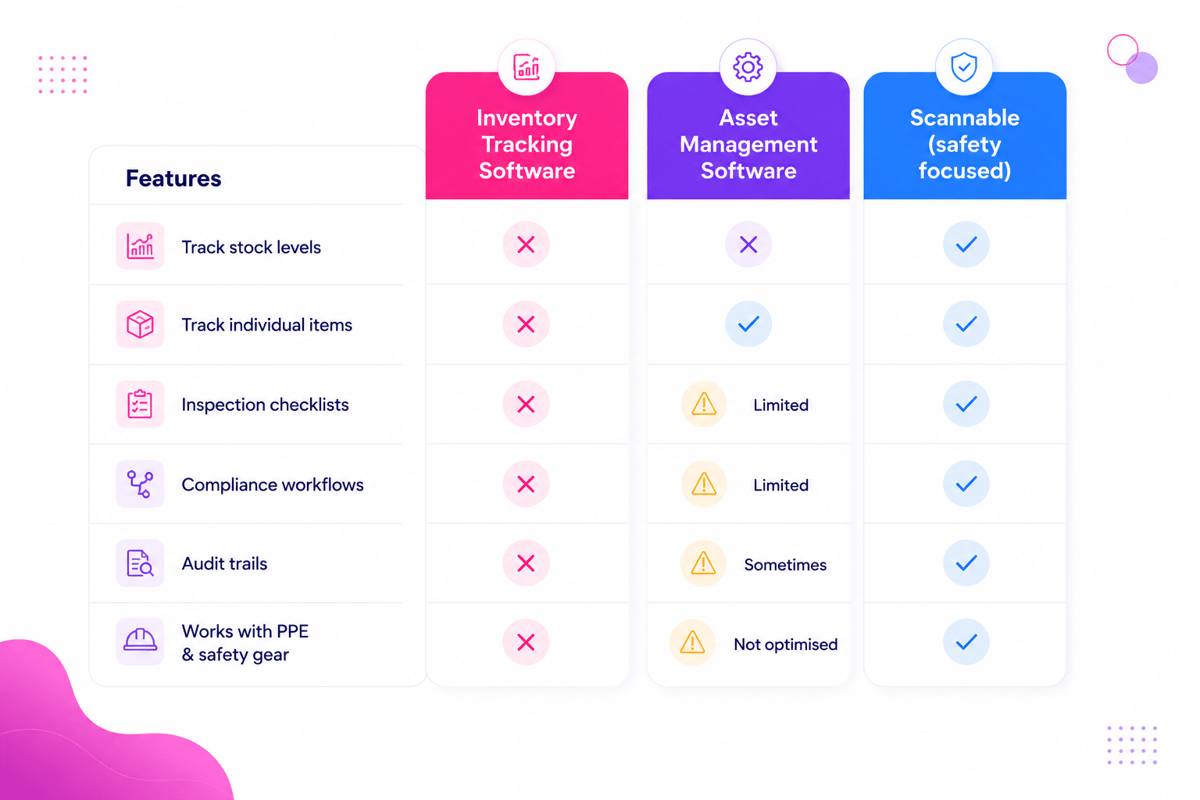
Key features of a tool inventory management system for heavy equipment
A strong system links heavy assets, small tools, attachments, and job sites in one log. It gives teams live status with no phone calls or sheet checks. For firms with mixed fleets, an inventory tracking solution for heavy equipment must track both value and moves. The best systems also reflect field conditions. Crews need fast checkouts, clear ownership, and plain syncs from phones.
Asset logs and field checkouts
Each asset log should hold serial counts, buy dates, service history, photos, and live spot. Good equipment inventory software also links assets to projects, yards, trucks, and staff. That setup cuts searches when gear changes hands.
A practical tool inventory management system helps with check-in and check-out from the field. Code scans, mobile forms, and signs make a clear chain of custody. An inventory tracking solution for heavy equipment should log who had the asset, where it went, and when it came back.
- Mobile access helps crews sync logs before they leave the job site
- Photo capture logs the condition at pickup and return
- Role-based rights keep buying, dispatch, and field data steady
Alerts, reports, and system fit for inventory tracking
Alerts matter when asset data drives daily calls. A system can flag late returns, idle machines, and upcoming service. For small tool tracking, alerts show patterns before swap costs grow.
Reports should answer real questions fast. Managers can see high-loss items, idle assets, and tools on closed jobs. A solid inventory tracking solution for heavy equipment turns those signals into better rental, repair, and buy calls. Also, links to accounting, care, and dispatch systems cut double entry.
A capable inventory tracking solution for heavy equipment balances speed, control, and solid field data. Its core value comes from clean move logs, not complex screens. Strong setups tend to start with good asset logs and a well-planned computer inventory tracking system.
How an inventory tracking tool for heavy equipment lifts job site view
Job site view depends on live, trusted asset data. An inventory tracking solution for heavy equipment shows where assets are, who has them, and when crews last logged activity.
That clarity helps managers plan work with fewer calls. It also cuts the guesswork that tends to slow dispatch, service, and field handoffs.
Real-time location and status data
An inventory tracking tool for heavy equipment links field work with office planning. Crews can log checkouts, returns, moves, checks, and service needs from one shared system.
Modern equipment inventory software gives teams a live view of machines across job sites. A manager can see whether a loader sits idle, needs repair, or helps with active work. Also, an inventory tracking solution for heavy equipment cuts double rentals. When teams know what they own, they can move assets before buying or renting more.
Better flow across crews
Heavy gear rarely works alone on a job site. Attachments, trailers, and small tools tend to move with each machine. Strong tool inventory tracking links those items to crews and spots. This gives a fuller view before work starts each day.
A tool inventory management system can show which tools belong to each unit. That helps faster staging and fewer missing-item delays. Mobile access matters when teams work across wide or remote sites. A tool inventory app lets field staff sync logs near the asset, not hours later from memory.
An inventory tracking solution for heavy equipment also builds ownership without slowing crews. Each scan makes a clear log tied to a person, place, and time. Clear logs help with better tool inventory management across active projects. They also help teams spot repeat gaps in small tool tracking before losses feel normal.
Using small tool tracking to reduce asset loss
Loss rarely starts with one big theft. It tends to grow through missed returns, vague handoffs, and rushed job site moves. A strong inventory tracking solution for heavy equipment ties tools and assets to people, sites, and work orders. Heavy gear may draw more focus, but small tools tend to leak cash faster.
Crews replace drills, lasers, and attachments with no clear loss logs. Over months, those small purchases can drain the budget and delay work.
Why small tools drive hidden costs
Small tool tracking gives teams a clear view of high-turnover items. These assets tend to move between trucks, shops, and job sites. With no shared log, teams rely on memory and paper notes.
Tool inventory tracking makes a plain chain of custody. Workers scan items out before use and back in after return. Leads can see which tools stay on a site after work ends. Also, missing tools show up faster when crews check daily or weekly logs. Repeat loss patterns point to weak handoff spots.
Controls that cut repeat loss in tool inventory tracking
Tool inventory software and a tool inventory app make checks easier in the field. Crews can scan codes from a phone or tablet. That speed matters when teams load trucks before dawn. A clear tool inventory management flow splits normal wear from loss that could have been stopped.
Equipment inventory software can also link attachments and support tools to larger assets. A breaker or grade laser stays linked to the machine or crew using it. An automated tool inventory control tracking system can flag missed returns before the next shift starts.
How to compare inventory tracking solutions for heavy equipment
A strong pick goes past feature lists. The right inventory tracking solution for heavy equipment must fit field crews, yard teams, and office staff. Heavy gear has varied tracking needs compared to stockroom parts.
Match features to field work
Good equipment inventory software reflects how crews move assets each day. It should show spot, status, use, and ownership with no extra admin work. Mobile access matters when teams work away from a desk. A tool inventory app helps crews scan items, check returns, and flag missing tools in real time.
- Tool inventory tracking should help with codes, QR tags, or RFID labels
- A tool inventory management system should track checkouts by person and job
- Tool inventory software should split owned, rented, and leased gear
- An inventory tracking tool for heavy gear should include service and check history
Check data, costs, and growth for inventory tracking solutions
Price checks work best when they show the full run cost. Setup, tags, training, mobile devices, help, and data transfers all change the real cost. Also, a vendor should show how their system handles growth. A useful inventory tracking solution for heavy equipment can help more users, yards, job sites, and asset types over time.
Help quality tends to split similar systems. Fast help cuts downtime when crews cannot find gear or close transfers. Data access also deserves close review. Strong equipment inventory software makes reports easy to share with finance, ops, and care teams.
The best pick should link daily work with clear reports. A solid inventory tracking solution for heavy equipment gives managers live data without slowing down crews. The strongest vendors prove their fit through demos with real cases.
Conclusion
A strong asset plan links machines, tools, people, and job sites. It gives teams a clear log of what they own, where it sits, and who last had it. The right inventory tracking solution for heavy equipment cuts guesswork when dispatching, planning service, and closing jobs.
What a strong inventory tracking solution for heavy equipment delivers
Good equipment inventory software helps with both large assets and smaller items. One missing attachment or tool can delay a full crew. A strong setup brings tool inventory software, small tool tracking, and heavy asset logs into one shared view. Field teams get faster answers, while managers get cleaner data for buying and care.
An inventory tracking solution for heavy equipment works best when it matches real field conditions. Mobile access, code scans, service logs, and user rights all help with daily use. The strongest results come from steady habits. A clear check-in flow, clean asset labels, and trusted spot data help the system stay useful over time.
Next steps for choosing your inventory tracking solution for heavy equipment
Before picking a platform, map your live gaps. Lost tools, slow transfers, double rentals, and missed service dates tend to point to the right set of tools. A plain tool inventory app may fit a small crew. Larger fleets tend to need a full tool inventory management system with reports, alerts, and role-based rights.
An automated tool inventory control tracking system can cut manual entry and speed up checks. For heavy fleets, an inventory tracking solution for heavy equipment should also link asset use with service history. Start with your highest-cost losses. Also, list your slowest flows and most-used assets. Then compare each vendor against those needs, not a broad feature list. Also, teams comparing related systems may find value in these inventory management solutions.
 Google AI
  OpenAI ChatGPT
 Frequently Asked Questions
What is an inventory tracking solution for heavy equipment?
An inventory tracking solution for heavy equipment is software that helps businesses monitor the location, status, usage, maintenance history, and availability of machinery and related assets. It gives teams a central system to manage equipment records, reduce loss, plan service, and improve jobsite visibility across multiple locations.
How does heavy equipment inventory tracking improve operations?
Heavy equipment inventory tracking improves operations by showing where assets are, who is using them, and when they need maintenance. With equipment inventory software, managers can reduce downtime, avoid duplicate purchases, and assign machines more efficiently. This helps construction, rental, and field service teams make faster, data-driven decisions.
What features should I look for in equipment inventory software?
Look for features such as asset check-in and check-out, GPS or barcode tracking, maintenance scheduling, usage logs, reporting, and mobile access. A strong tool inventory management system should also support small tool tracking, user permissions, alerts, and integrations with accounting or project management systems.
Can tool inventory software track both heavy equipment and small tools?
Yes, many tool inventory software platforms can track large machines, attachments, parts, and small tools in one system. This makes tool inventory management easier because teams can see all assets in one place. A tool inventory app also helps field crews update records from jobsites in real time.
Why is an automated tracking system better than spreadsheets?
An automated tool inventory control tracking system reduces manual errors, missing updates, and outdated records. Unlike spreadsheets, it can send alerts, record asset movement, track maintenance, and provide real-time visibility. This makes tool inventory tracking more reliable and helps businesses protect expensive equipment and tools.
Who needs an inventory tracking tool for heavy equipment?
Construction companies, equipment rental firms, contractors, utilities, and field service businesses can benefit from an inventory tracking tool for heavy equipment. An inventory tracking solution for heavy equipment is especially useful for teams managing assets across jobsites, warehouses, service trucks, or rental yards where visibility and accountability are critical.
I specialize in building scalable eCommerce systems powered by AI and automation. My work focuses on growing sales across Amazon, eBay, and Etsy through technology integration, data-driven strategies, and performance optimization. I also publish articles and insights about eCommerce technology, warehouse operations, and multichannel growth.
You may also like

How to choose an ecommerce marketplace service provider for scalable growth
Learn how an ecommerce marketplace service provider helps businesses launch, manage, and scale a profitable ecommerce marketplace. Platform choices, vendor operations, software tools, management services, costs, and practical selection tips.

Ecommerce software solutions: features, costs and how to choose
Learn how to evaluate ecommerce software solutions for online stores, marketplaces, and retail teams. Essential features, vendor comparisons, implementation tips, and practical ways to choose software that supports growth, operations, and customer experience.

Multi-carrier shipping software: features and how to compare options
How multi carrier shipping software compares rates, prints labels, tracks orders and handles returns, and which features to check before you choose one for your store.