
Barcode Warehouse Management System: Benefits, Setup, and Best Practices
 Daniel Brooks
·
· 14 min read
Daniel Brooks
·
· 14 min read 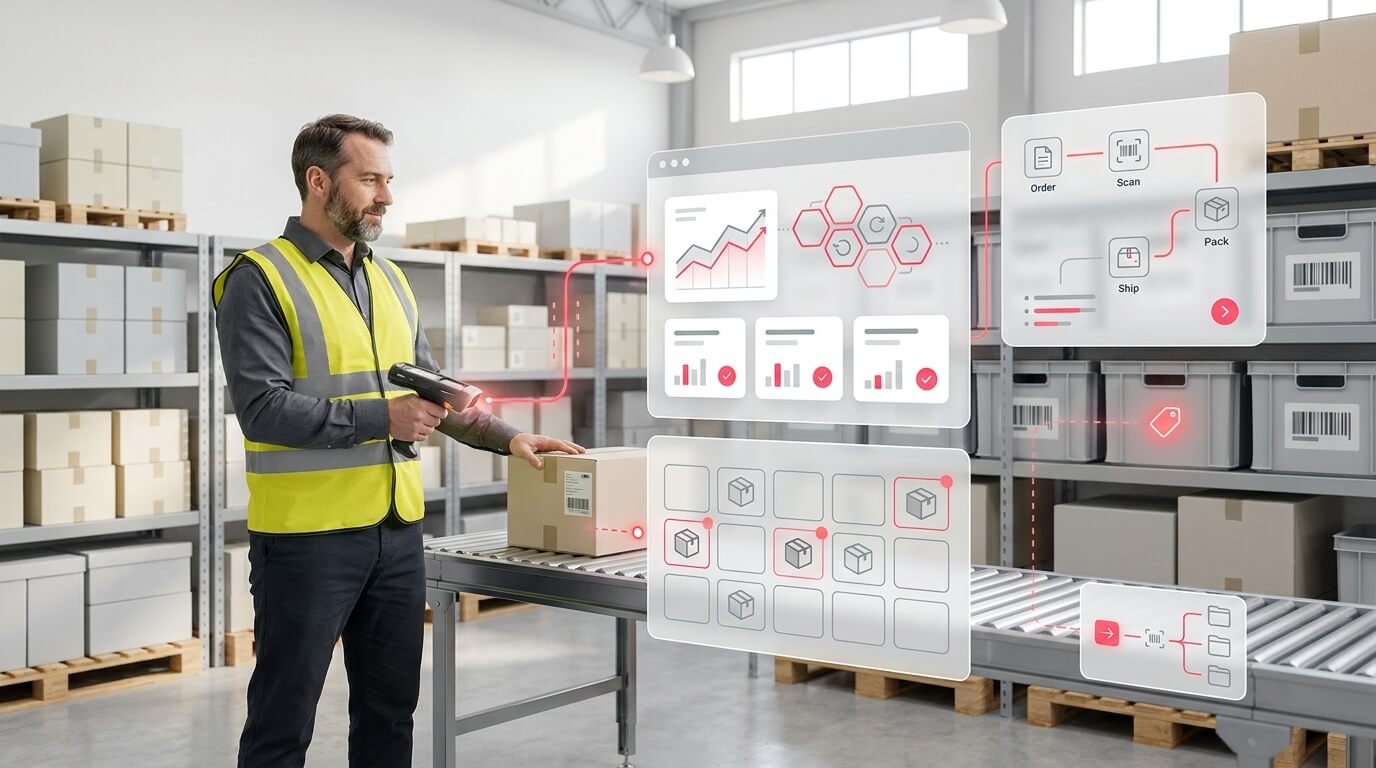
Warehouse mistakes start with small gaps. A missed scan, a wrong bin, or a stale count can slow ship and cut margin. A barcode warehouse management system closes those gaps with fast, clean data at each step.
Teams no longer need paper sheets or late syncs. A warehouse barcode scanning system logs each move as it happens. No step gets missed, and that view helps spot stock issues fast.
Why Barcode Tracking Matters for Warehouse Accuracy
Speed counts, but clean data counts more. A robust barcode-based warehouse management system reduces manual data entry and lowers the risk of key errors. Clear scan data also makes stock counts less disruptive and far better.
In that setting, barcode warehouse management gives staff a simple way to check each task at the point of work. The result is cleaner stock data and fewer faults to fix later.
For growing ops, the value goes past the warehouse floor. Warehouse inventory runment software with barcode scanning links stock work to buy, restock, and order status. That link helps planning and cuts the risk of overselling or stockouts.
What Businesses Gain from a Barcode Warehouse Management System
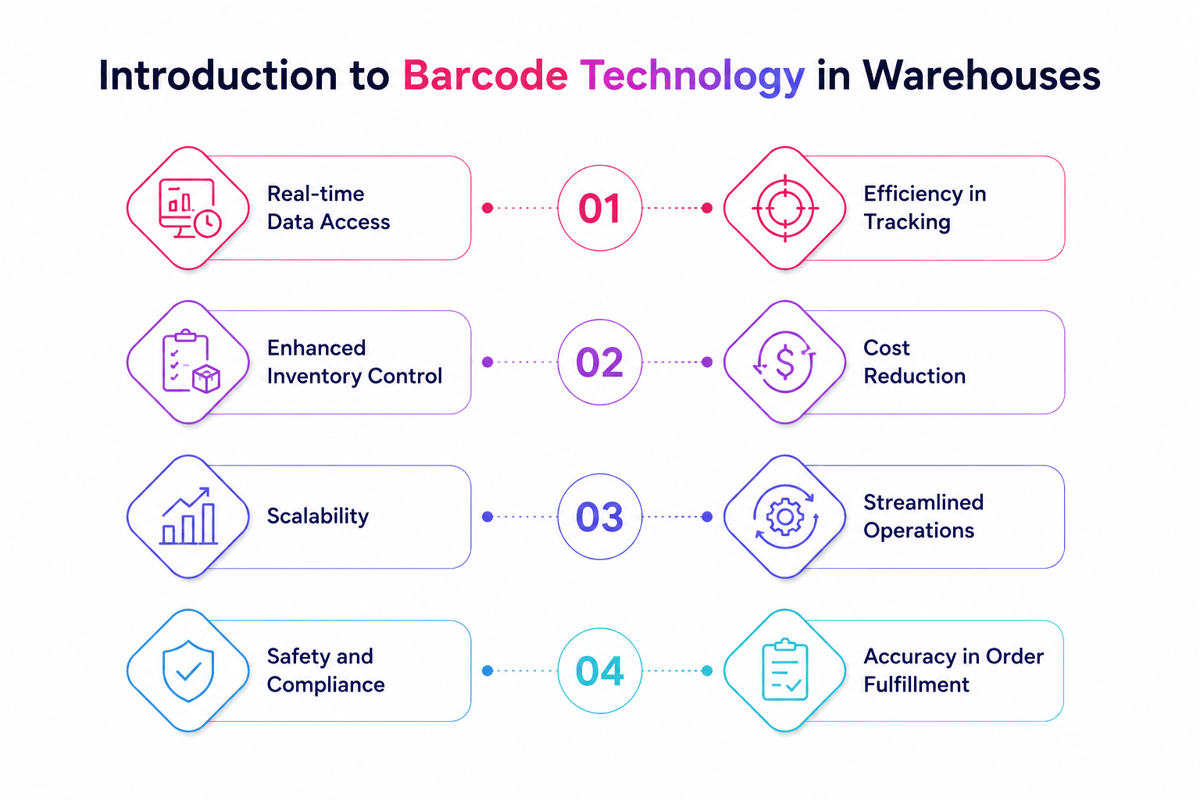
Better scan data drives the best calls each day. Leads can see where goods sit, what orders stall, and which tasks need care. A good barcode warehouse management system also makes a clear log of each move for audits and staff checks.
Also, good warehouse scanner software links hand tools, labels, and stock logs in one flow. That base makes it easier to learn how to implement an inventory barcode system with no extra work for staff.
When the tool fits the op, warehouses gain more than fast scans. They gain control, trace, and have a steady flow of work. That is why a barcode warehouse runment system has become a core tool for sites that need clean data at scale.
Connect Shopify, draw your floor, pick an order - free plan, 7-day full trial, no credit card, no sales call.
What Is a Barcode Warehouse Management System and How Does It Work?
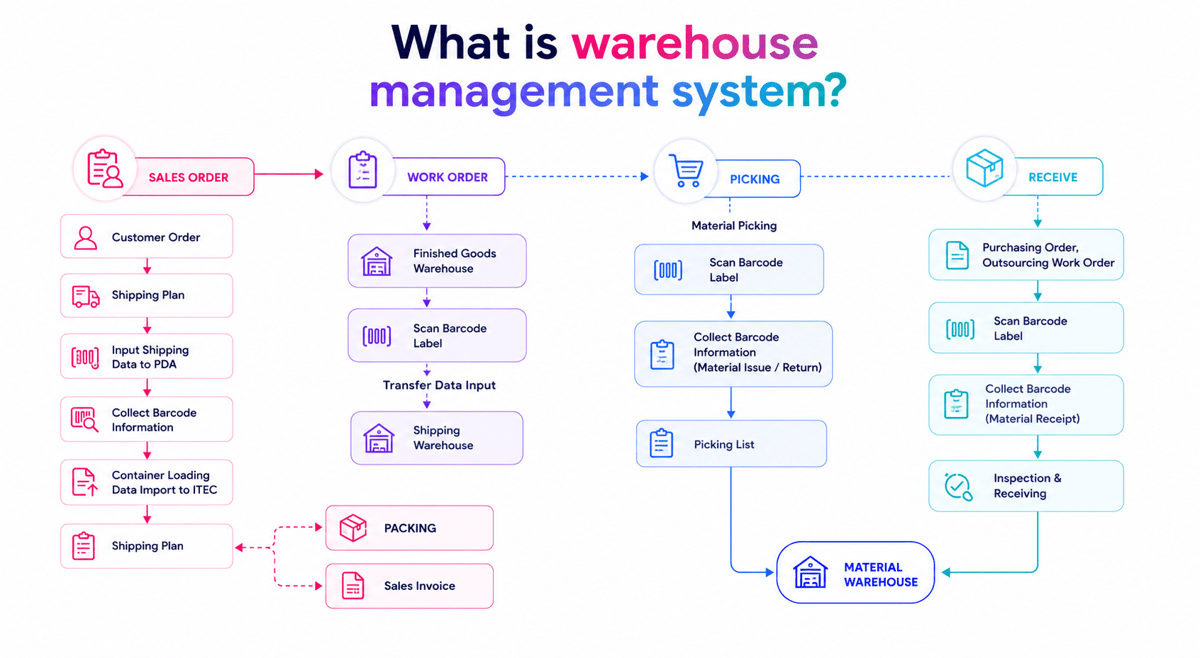
A barcode warehouse runment system links barcode labels, scanners, and warehouse software. It logs stock moves as workers receive, move, pick, pack, and ship items. Each scan syncs stock logs when the task runs.
That live log replaces hand notes and late sheet syncs. Teams see what came in, where it sits, and what is left. A strong barcode warehouse runment flow also makes a clear audit trail for each task.
How the system works on the warehouse floor
Each item, bin, pallet, or shelf has a barcode. Workers scan it with mobile tools or fixed stations. The scan links the item to a task, spot, or order in the tool.
The software checks the data against what was expected. If a picker scans the wrong item, the system flags it at once. That control is why many firms pair a warehouse barcode scanning system with each day floor tasks.
Most setups also link to buy, sales, and ship tools. In many cases, warehouse inventory management software with barcode scanning keeps stock counts in line with orders and receipts.
What makes it different from basic barcode tools
Plain barcode tracking logs a scan and stores it. A barcode warehouse runment system does more. It uses rules, assigns tasks, and checks that each move fits the plan.
For example, warehouse scanner software can guide a worker to the right bin on putaway. It can also check lot counts, serial counts, and dates on picks. Those checks cut ship faults and help warehouses keep clean logs.
This counts when firms look at how to implement a barcode system for inventory in a growing op. For small teams, the same model tends to start with a barcode inventory management system for small businesses.
Key Benefits of Barcode Warehouse Management for Modern Warehouses
Barcode warehouse runment gives teams fast, cleaner control of each day’s work. Scans replace handwritten notes and manual entry, which cuts key data faults. A barcode warehouse runment system also makes a shared log that syncs as work happens.
Higher accuracy and faster daily operations
Manual flows tend to make small mistakes that spread across sites. One wrong count can hit restock, pick, and ship. A warehouse barcode-scanning system reduces those faults by capturing data at the point of work.
Receipt also moves fast when staff scans items as they arrive. The tool can match buy orders, flag lost units, and check bin spots. That speed helps teams flow more shipments with no added labor.
Picking gets better when workers follow scan prompts. A scan checks the right item before it leaves the shelf. When paired with warehouse scanner software, the flow cuts mis-picks and short shipments.
Better labor control and smarter decisions
A barcode warehouse management system gives leads a clearer view of teamwork. They can see which tasks run long and where delays start. That data helps staff make the best calls at peak times.
Costs tend to fall as teams spend less time fixing avoidable mistakes. Warehouse inventory runment software with barcode scanning helps cut that waste by keeping logs live.
The long-term value tends to start with the best warehouse inventory tracking. For a broader view of tracking tools, see the best inventory tracking software.
Why Businesses Need Warehouse Inventory Management Software with Barcode Scanning
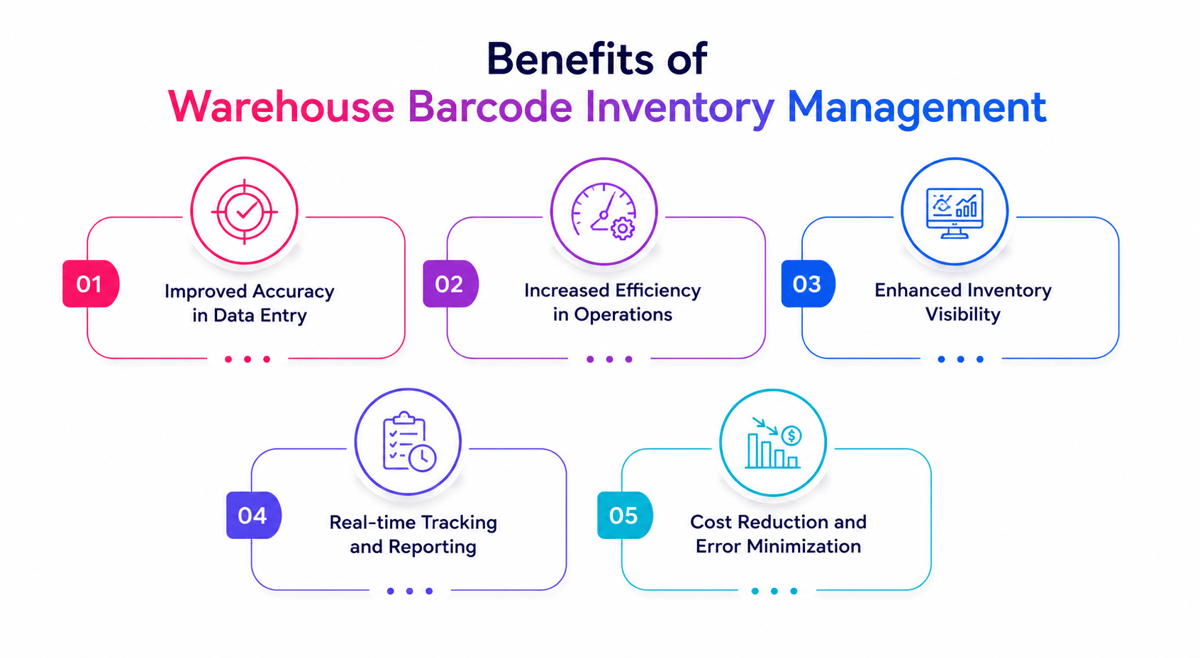
Growth puts weight on each warehouse task. More SKUs, more orders, and tighter ship times leave little room for delay. Warehouse inventory runment software with barcode scanning gives teams a fast way to log each move and trust the screen counts.
A strong barcode warehouse management system links physical stock to digital logs in real time. Each scan syncs receipts, picks, moves, and shipments with no extra typing.
Manual logs tend to hide small faults until they become high-cost problems. A missed pallet move can cause a stockout, a rush buy, or a late order. Barcode warehouse runment cuts those gaps as the tool captures work as it happens.
Accuracy that supports daily decisions
Leads need clean stock data to plan labor and buying well. A barcode warehouse runment system helps keep that clean data across bins, zones, and restock tasks. Teams spend less time on counts and more time moving goods.
Also, clean data shapes the service. When stock levels stay live, sales teams can promise dates with more trust. Returns and backorders tend to fall. A warehouse barcode scanning system tracks each item from receipt to dispatch.
Warehouse scanner software also makes a clear audit trail. Leads can see who scanned an item, when it moved, and where it went. That log helps fix disputes fast.
Speed, control, and room to scale
Fast warehouses do not rely on memory or paper. A barcode warehouse runment system guides work with clear prompts and live syncs. New staff reach steady work sooner as the flow lives in the tool.
As volume rises, delays in one area spread fast. Warehouse inventory run management software with barcode scanning helps spot jams soon and shift labor before service drops.
Standard scan rules also matter when firms check how to implement a barcode system for inventory across sites. That consistency helps with restocking, demand planning, and best-in-class warehouse stock location systems.
Core Features to Look for in Warehouse Scanner Software
Strong warehouse scanner software keeps scans fast, clean, and easy to run. The best tools help each move in a barcode warehouse management system, from receipt to stock counts.
A good tool should work on hand tools, tablets, and fixed stations. It should link each scan to item logs, bin spots, and order status live.
Scanning accuracy and workflow control
Good scanning starts with wide barcode help. A good warehouse barcode scanning system reads 1D and 2D codes, damaged labels, and small pack markings.
Live checks are a core feature. The tool should catch the wrong item, lot, or spot before the task moves on. In a barcode warehouse runment system, those checks cut ship faults and stop stock from landing in the wrong bin.
Role-based workflows also shape each day’s work. Clear prompts matter most for teams learning how to implement a barcode system for inventory with no slowdown.
Integration, visibility, and reporting
Scan data improves when it links to buy, order, and stock logs. That is why many firms pick warehouse inventory management software with barcode scanning that ties to ERP and WMS tools. A linked barcode warehouse runment system gives leads one source of truth.
Offline scan help deserves close check. Strong warehouse scanner software stores scans locally and syncs them when the link returns.
The best fit blends fast scans, clear flows, and good system links. It also helps mobile inventory management via a mobile inventory management system.
Barcode Warehouse Management System vs Manual Inventory Tracking
Manual tracking rests on paper counts, sheets, and staff memory. That mix tends to make delays, double entries, and missed stock moves. A barcode warehouse runment system logs each scan at the point of work. Teams see stock changes fast and spend less time on bad counts.
Speed and accuracy in daily operations
Receipt moves fast when workers scan cartons as they arrive. With a warehouse barcode scanning system, stock shows in the tool as soon as the scan is done. That saves labor hours and cuts lag across the dock and open stock.
Picking shows the same gap. Manual lists can send workers to the wrong aisle or shelf. A barcode warehouse runment system checks the item and spot before the order moves on. Fewer faults at pick usually mean fewer returns and fewer reships.
Stock counts also get more real. Staff can count small zones at normal shifts instead of shutting down. That is one reason many firms move from sheets to warehouse inventory management software with barcode scanning.
Cost control and better decision-making
Manual logs tend to hide the real cost of stock mistakes. One missed sync can cause a stockout, a rush order, or extra safety stock. A barcode warehouse runment system gives leads live data, so buy and restock calls rest on facts.
Labor costs also shift over time. Those savings fade when teams spend hours fixing faults and hunting lost stock. Paired with good warehouse scanner software, barcode warehouse automation cuts repeat tasks and helps staff handle more volume with the same headcount.
A barcode warehouse runment system makes a good base for fast calls, cleaner counts, and stronger inventory tracking.
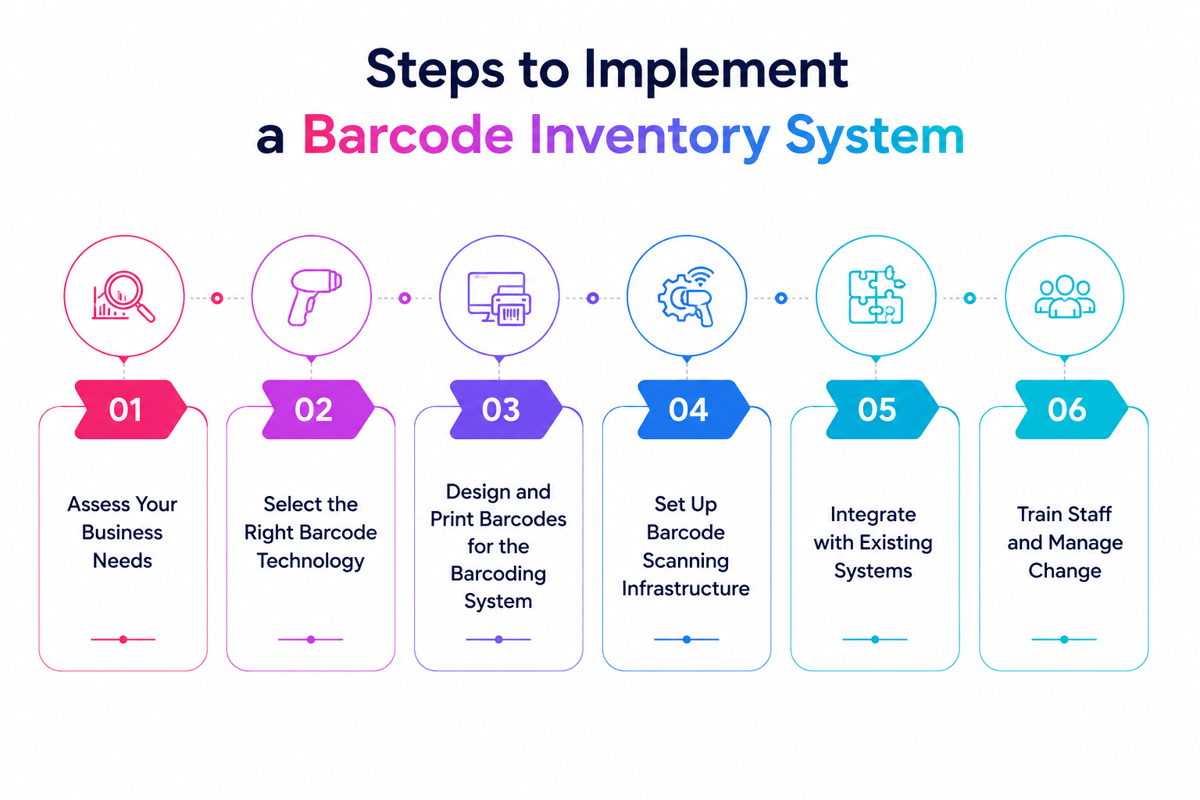
How to Implement a Barcode System for Inventory Step-by-Step
A good rollout starts with clear flow maps. Teams need to know how stock moves through receipt, putaway, pick, pack, and ship. That map shows where scans should happen and where faults start.
Data quality counts before any device goes live. Item names, SKUs, units, and bin spots should match across tools. Also, a barcode warehouse runment system works best when the item master is clean, and spot rules are set.
Plan the system and prepare your data
- Define the main scan points across each day’s warehouse tasks.
- Choose barcode types that fit your labels, goods, and site.
- Clean the item and spot data before loading it into the tool.
- Match tools with your flow, screen needs, and scan range.
The right warehouse scanner software should also help offline work if Wi-Fi drops in some zones. Many firms testing how to implement a barcode system for inventory find that poor labels cause more trouble than the software itself.
Test workflows and train the team
- Run a pilot in one area before growing across sites.
- Test receipt, transfers, stock counts, pick, and ship.
- Train staff on exceptions, damaged labels, and fix steps.
- Track scan rates, faults, and time per task after launch.
A pilot gives leads real data before full rollout. Small fixes at the pilot tend to stop high-cost disruption later. Workers need to know what to scan, when to scan, and what to do when a barcode fails. That real path helps a barcode warehouse run a system to give clean counts from day one.
After launch, check exception reports each week. A strong barcode warehouse runment flow depends on steady checks, good hardware, and linked inventory software for the warehouse.
Choosing the Right Warehouse Barcode Scanning System for Your Operations
The right barcode warehouse runment system should match each day’s floor work, not add friction. Fast scans matter, but fit counts more. A tool that helps your item volume, order mix, and storage layout will give the best results over time.
A strong warehouse barcode scanning system also depends on software rules, mobile flows, and clean data moving across tools.
Match the system to your workflow
Receipt, putaway, pick, and stock counts each place varied demands on a tool. A small op may need plain mobile scans. A larger site tends to need zone-based logic, directed tasks, and help for many users at once.
Warehouse scanner software should work well on the tools your team can run. Rugged hand tools suit busy floors with long shifts.
If your ERP, ecommerce, or shipping tools already hold key data, the barcode warehouse runment system should sync with no delays or double entry. Teams tend to benefit from reading Barcode Inventory Systems: The Ultimate Guide before they narrow vendor lists.
Evaluate accuracy, scale, and support
Good tools check the item, lot, bin, and count at each scan. That cuts short picks, receipt faults, and stock fixes that drain margin. Also, growth should stay in view during selection. The best barcode warehouse runment tools can add users, spots, and flow rules with no full rebuild.
Help strength tend to splits a smooth rollout from a high-cost delay. A good shortlist balances cost, reliability, and flow fit. The strongest choice tends to link scan data with broader labor planning through a warehouse labor management system.
Common Use Cases for Barcode Warehouse Management
A barcode warehouse runment system helps with the busiest warehouse tasks. Teams scan items at each handoff and log moves live. That flow cuts data entry faults and gives leads a clear view of stock.
Receiving and putaway control with a warehouse barcode scanning system
When staff scan inbound cartons, the tool matches items to buy orders at once. That check helps catch short shipments, wrong SKUs, and double receipts before stock hits the shelf.
A warehouse barcode scanning system also improves putaway calls. The software can guide workers to the right bin based on size, turn, or zone rules.
Many warehouses print internal labels at receipt. With warehouse inventory runment software with barcode scanning, each unit can enter stock with a clean and readable ID.
Picking, packing, and shipping accuracy in barcode warehouse management
Picking gets fast when each scan checks the item and spot. A barcode warehouse runment system can also help with batch, zone, and wave pick methods.
Warehouse scanner software alerts staff when they scan the wrong product or the wrong bin. That control counts most in high-volume ops with similar SKUs.
This part of the barcode warehouse runs returns, reships, and buyer service claims. For companies checking how to implement a barcode system for inventory, these use cases show the clearest return, especially when the scan flow links to an automated warehouse control system.
Conclusion
A barcode warehouse management system gives warehouses a clear path to best control. It improves stock clean data, speeds up receipt and pick, and cuts manual entry faults. When teams scan each move, stock data stays live, and calls become easier.
The strongest results come from a real setup. Clear barcode rules, good tools, and linked logs matter more than extra features. A good fit across staff, flow, and software helps the barcode warehouse run smoothly and give steady gains over time.
What strong barcode warehouse management systems deliver
A well-planned barcode warehouse runment system helps each day work across the full order cycle. It tracks goods from inbound receipt to final shipment with fewer gaps. That view helps lead to spotting delays, count stock fast, and cut order mistakes.
Also, the right mix of warehouse scanner software and mobile tools improves labor use. Staff spend less time hunting for items or fixing bad logs. That means fast picks, cleaner audits, and fewer ship disputes.
Next step for growth with your barcode warehouse management system
If your team still rests on sheets or paper logs, the gap is easy to see. A modern barcode warehouse management system makes a better base for growth. It also helps warehouse inventory management software with barcode scanning to help with best planning as order volume rises.
Start with one flow that creates the most friction, such as receipt or stock counts. Then check your software, device needs, and data quality before growing. For a broader view of tools that help growth, explore these inventory management solutions.
 Google AI
  OpenAI ChatGPT
 Frequently Asked Questions
How does barcode scanning with a warehouse management system improve accuracy?
Barcode scanning improves accuracy by replacing manual data entry with fast, consistent scans during receiving, putaway, picking, packing, and shipping. A barcode warehouse management system updates inventory records in real time, reducing keying errors, duplicate entries, and misplaced stock. This helps teams maintain better inventory visibility and order accuracy.
What is a barcode warehouse management system?
A barcode warehouse management system is software that uses barcode labels and scanners to track inventory movements across warehouse operations. It supports tasks such as receiving, bin transfers, cycle counts, picking, and shipping. By connecting scan data to inventory records, businesses gain better control, faster workflows, and more reliable stock information.
How do you implement a barcode system for inventory in a warehouse?
To implement a barcode system for inventory, start by mapping warehouse processes, assigning barcode labels to products and locations, and selecting compatible warehouse scanner software. Next, configure workflows for receiving, picking, and counting, then train staff and test the system. A phased rollout helps reduce disruption and improves adoption across the warehouse.
What features should businesses look for in warehouse inventory management software with barcode scanning?
Look for real-time inventory updates, mobile scanning, location tracking, cycle counting, pick-and-pack support, and integration with ERP or accounting systems. Good warehouse inventory management software with barcode scanning should also offer reporting, user permissions, and easy label printing. These features help improve productivity, traceability, and overall barcode warehouse management.
What is the difference between warehouse scanner software and a warehouse barcode scanning system?
Warehouse scanner software usually refers to the application running on handheld devices, while a warehouse barcode scanning system includes the scanners, labels, software, and workflow rules working together. In practice, businesses need both. The software captures scan activity, and the full system ensures inventory data moves correctly through warehouse operations.
Can a barcode warehouse management system help reduce labor costs?
Yes, a barcode warehouse management system can reduce labor costs by speeding up routine tasks and lowering the time spent correcting errors. Workers can quickly scan items and locations, improving receiving, picking, and stock counts. Better accuracy also reduces rework, customer returns, and delays, helping teams handle more volume with fewer manual steps.
I specialize in building scalable eCommerce systems powered by AI and automation. My work focuses on growing sales across Amazon, eBay, and Etsy through technology integration, data-driven strategies, and performance optimization. I also publish articles and insights about eCommerce technology, warehouse operations, and multichannel growth.
You may also like

Enterprise Parcel Shipping Software: A Practical Guide to Multi Carrier Shipping
Choosing the right enterprise parcel shipping software lowers logistics costs, boosts delivery performance, and simplifies complex carrier operations at scale. Explore the essential features, benefits, and selection criteria to optimize your multi-carrier strategy today.

Warehouse Order Fulfillment Software: A Practical Guide for Faster, Smarter Operations
Warehouse order fulfillment software helps businesses streamline inventory, picking, packing, shipping, and returns from one connected platform. This brief outlines key benefits, features, use cases, and buying criteria for choosing fulfillment software that scales.

Inventory Management Cloud for Smarter Stock Control
An inventory management cloud helps businesses track stock, automate workflows, reduce errors, and make faster decisions from anywhere. Benefits, use cases, selection criteria, and practical steps for adopting cloud-based inventory tools with confidence.