
CRM and inventory management: connect sales, stock and service
 Emily Carter
·
· 9 min read
Emily Carter
·
· 9 min read

Sales teams lose deals when stock data lies. Per Salesforce research, reps spend over 20% of their time on manual data entry alone. That is why CRM and inventory management matter so much for growing firms. When sales records and stock data share one system, every team works from the same truth. Promises reach buyers only when the warehouse can back them up.
Also, a connected CRM inventory system removes the blind spots that cause rush orders and awkward calls. Sales sees live stock before quoting. Ops sees demand before shortages hit. That timing gap is where most service failures start.
Why separate systems break down without CRM and inventory management
A standalone CRM shows who wants to buy. A warehouse tool shows what the firm can ship. Trouble starts when those two systems never talk.
For example, a rep sees a hot lead ready to order. The system shows ten units open. The warehouse finds only three on the shelf. That gap makes rush orders, awkward calls, and returns. It also hides demand patterns from the buying team. Small errors grow fast when orders rise.
Furthermore, separate tools make both teams guess during busy selling periods. A CRM and inventory management link closes that gap before it reaches buyers. For a full view of how warehouse ops can lift, see the ultimate guide to warehouse management and inventory software.
What a connected system changes
A CRM inventory system links buyers, orders, and stock in one place. Sales teams see real availability before making promises. So the team can check stock before quoting delivery, not after.
Good CRM and inventory management software also shows buying history. That history helps teams spot repeat orders and season spikes. It turns old sales data into better stock calls. Also, the best CRM with inventory management fits daily work. It cuts manual syncs and lowers duplicate records. More importantly, it stops teams from guessing under pressure.
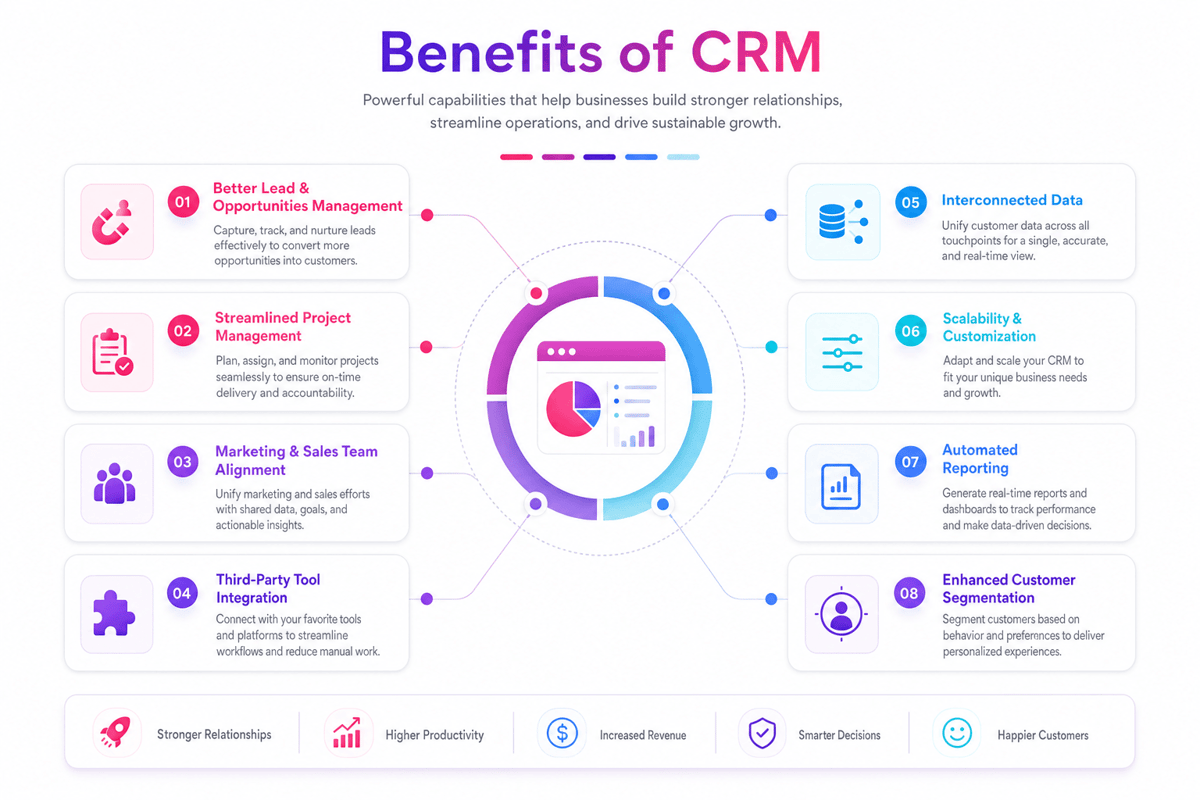
How CRM and inventory management connect sales, stock, and service
Sales teams tend to sell what the warehouse cannot ship. The mistake starts when buyer data lives apart from stock data. CRM and inventory management close that gap before it reaches buyers.
In practice, a CRM tracks talks, quotes, deals, and buyer promises. Inventory software tracks open units, holds, returns, and buy orders. Separate tools make both teams guess.
Where sales meet stock
That guesswork makes painful, avoidable failures. A rep checks delivery, then finds missing stock. The buyer hears excuses, not a clear answer.
A linked CRM inventory system changes the timing. Sales sees live stock before sending the quote. Ops sees demand before shelves start looking thin. Also, shared data works best when it removes small delays. The real win comes from fewer manual checks.
Good CRM and inventory management software link orders to contact history. Everyone can see what buyers asked for last time. Service teams stop asking buyers to repeat details. For broader ecommerce control, see ecommerce management.
How managers and operations gain
Managers also get a cleaner forecast. Pipeline value becomes more useful with stock context. A $50,000 deal means little with no open product.
That link lifts service after the sale, too. Help can check open stock during the same call. Also, the connection works best when teams agree on clear rules. The system holds stock when a quote looks likely. Service logs return before teams close the case.
Connect Shopify, draw your floor, pick an order - free plan, 7-day full trial, no credit card, no sales call.
Key benefits of CRM and inventory management for growing businesses
Growth shows every weak handoff across sales and stock. A rep promises delivery as the pipeline looks good. The warehouse sees a varied truth by Friday.
CRM and inventory management close that gap early. Sales teams see what they can actually sell. Ops sees demand before buy orders arrive. In fact, the link stops the classic oversell problem. One missed item can cancel a whole order.
Revenue that matches real stock
A CRM inventory system links quotes, deals, and stock counts. Growing teams tend to carry hidden stock mistakes. The screen shows ten units, but two need repair. A linked CRM inventory view shows that risk sooner.
The result shows up in sales behavior. Reps stop selling promises and start selling open stock. Buyers trust dates when teams meet them every time. This also sets a strong base for order automation.
Faster decisions across teams
Separate tools slow down small calls every day. Someone checks stock, someone checks pricing, someone syncs notes. By then, the buyer has found another vendor.
Good CRM and inventory management software removes that delay. It shows open deals beside open stock. Managers spot demand spikes before shelves run low. Also, buying teams gain cleaner signals. They can see which deals may close this month. That context cuts panic buying and dead stock.
Furthermore, when records stay clean, growth feels less chaotic. Sales can move faster with no warehouse surprises. Teams that also use marketing automation for small businesses gain extra lift when sales and stock align.
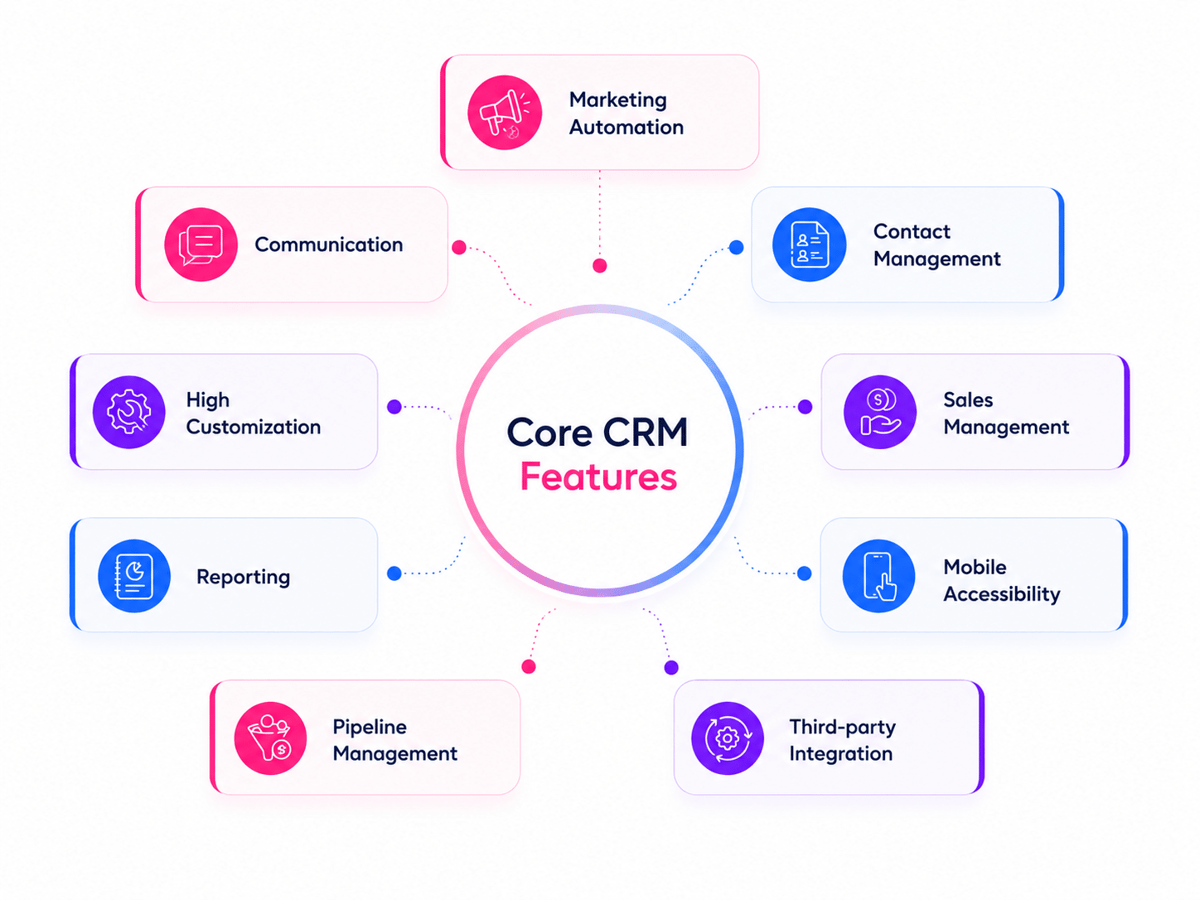
Essential features in CRM and inventory management software
Good software stops the quiet mistakes that drain cash. Bad software only reports those mistakes after buyers call. That gap matters during every busy sales week.
CRM and inventory management software should link buying intent with open stock. When those records live apart, teams sell the same item twice. The fix starts with tools that match daily work.
Real-time stock and sales data
Sales reps need stock answers before quoting a deal. A one-hour lag can create backorders. The buyer hears confidence, then receives an apology.
A strong CRM inventory system shows stock by site, channel, and status. It splits held items from products ready to ship. That detail stops sales from promising goods that are not open. For teams that also run CRM alongside marketing, CRM marketing automation shows how to align both sides for faster growth.
Automation that protects margins
Automation should remove repeat work, not hide bad flows. Reorder rules help when they include sales context. A fast-moving item needs varied rules after a promo.
- Reorder alerts that fire before stockouts hit.
- Held stock that releases when a quote expires.
- Campaign pauses when supply runs low.
- Returns that do not rejoin sellable stock are not checked.
The best CRM with inventory management turns these rules into daily habits. Also, each promise should link to a clear stock log. That trail matters when service teams resolve disputes.
Best CRM with inventory management: what to compare before you buy
The best CRM with inventory management rarely wins on tool count. It wins when sales, stock, and finance trust the same numbers. That matters most when orders move fast.
Also, many buyers compare demos, not daily work. A clean demo can hide weak stock rules. A busy warehouse shows them within one week.
Compare fit against your sales process
The best CRM with inventory management should match how deals become orders. Some teams quote from open stock. Others sell kits, plans, or back-ordered items.
A good CRM inventory system handles those paths with no side sheets. If staff export data each day, the system has already failed. Manual fixes create missed follow-ups and wrong promises. Furthermore, ask how the system treats held stock. Held units should leave open stock right away. So two reps cannot sell the same item.
Check data quality, costs, and system limits
CRM and inventory management software carry hidden costs. Set up, user training, barcode tools, and links all add up. Cheap software gets costly when it slows orders.
Also, real-time stock sync needs close review. Ecommerce, POS, and warehouse counts must sync fast. A ten-minute lag can still oversell popular items. Reporting should answer real questions fast: which items keep deals from closing? Which buyers return the same SKU each time?
Security and roles also shape daily trust. Sales teams need a stock view but not buy controls. Warehouse teams need count access with no deal edits. A trial should test messy work, not clean demos. Load real items, old buyers, returns, and part shipments.
Practical CRM and inventory management use cases
Field reps need more than contact notes. They need livestock, held units, and ship dates. Without that view, they discount items already gone.
Sales and ecommerce workflows
A good CRM inventory system links quotes to stock holds. It protects stock while buyers check pricing. If the buyer walks away, the stock returns on its own.
Ecommerce teams face a varied kind of pressure. A product can sell fast across many storefronts. One slow sync can create twenty refunds in one night. So a live CRM and inventory management link protects the buyer experience across all channels.
Operations and stock control through CRM and inventory management software
Ops teams care about clean handoffs. A CRM and inventory management software log can carry demand signals. That helps buyers order before the shortage starts.
The strongest setups link sales stages to reorder rules. Bad reorder points only make faster mistakes. For service teams, CRM inventory data cuts repeat calls. Agents can see swap items, warranties, and ship status. That same discipline helps teams that run ecommerce management across many channels.
Conclusion
Sales teams move faster when stock data tells the truth. A linked system stops promises the warehouse cannot keep. That is the real value of CRM and inventory management.
Good software does not fix messy operations alone. It shows weak handoffs across sales, service, and stock. That view helps teams fix the right problems first. In short, the connection works when people trust the data and follow clear rules. To explore how to align your workflows and select the best platform, read the comprehensive guide on Inventory Management Solutions: How to Choose the Right System for Growth.
Choose systems that match real work in a CRM inventory setup
The best CRM with inventory management fits how orders actually move. Some teams need ecommerce sync and serial tracking. Others need quote control and better reorder alerts. A CRM inventory system works best when people trust it. That trust comes from clean rules and shared ownership. With neither, staff return to sheets within weeks.
Turn better data into better decisions
CRM and inventory management software should shorten the gap between demand and action. Late data makes late buy calls. Those delays create missed sales and excess stock.
Real-time stock view changes those talks fast. Sales stops guessing, and buying stops over-reacting. Buyers get clearer answers before they place orders. Start small if the full rollout feels risky. Link one sales channel, one warehouse, and one team. Measure quote errors, stockouts, returns, and order delays. Then share what changed with your team.
 Google AI
  OpenAI ChatGPT
 Frequently Asked Questions
What is CRM and inventory management?
CRM and inventory management connect customer relationship tools with stock tracking. It helps businesses manage sales leads, customer orders, product availability, and delivery updates in one place. This makes it easier for sales, support, and operations teams to work together and provide accurate information to customers.
Why is CRM and inventory management important for businesses?
CRM and inventory management are important because they link customer demand with real-time inventory data. Businesses can avoid overselling, improve order accuracy, and respond faster to customer questions. It also helps teams forecast demand, manage repeat purchases, and make better decisions based on sales and stock information.
What features should a CRM inventory system include?
A good CRM inventory system should include contact management, sales tracking, stock level monitoring, order history, reporting, and alerts for low inventory. It should also support integrations with accounting, ecommerce, or warehouse tools. These features help businesses manage customer relationships and inventory processes without switching between multiple systems.
What is the best CRM with inventory management?
The best CRM with inventory management depends on your business size, sales process, and product complexity. Look for software that offers real-time stock visibility, simple order management, automation, and clear reporting. Popular options often include tools designed for small businesses, wholesalers, ecommerce sellers, and companies with growing sales teams.
How does CRM and inventory management software improve sales?
CRM and inventory management software improve sales by giving teams access to customer details and product availability at the same time. Sales representatives can check stock before making promises, suggest alternatives, and follow up based on purchase history. This creates a smoother buying experience and reduces delays caused by inaccurate inventory data.
Can small businesses use CRM inventory tools?
Yes, small businesses can use CRM inventory tools to manage customers, sales, and stock more efficiently. Many platforms offer affordable plans with essential features such as contact records, order tracking, and inventory alerts. This helps small teams reduce manual work, improve customer service, and prepare for growth without adding unnecessary complexity.
I am an eCommerce expert with a strong focus on marketplaces like Amazon, eBay, and Etsy. Over the past decade, I have helped both startups and $1M+ revenue brands scale their sales through listing optimization, marketplace SEO, and AI-driven strategies. I also share articles and insights about eCommerce growth, marketplace operations, and multichannel selling.
You may also like

Reusable shopping bags: why retailers switch for sustainable packaging
Sustainable packaging is becoming an important part of modern e-commerce and retail. Reusable shopping bags help businesses reduce packaging waste while creating a practical and visible extension of their brand. This article explores why retailers are adopting reusable bags, how bulk and custom options support different business needs, and what to consider when building a more sustainable packaging strategy.
Hardware inventory software vs manual IT asset tracking
Choosing the right hardware inventory software helps teams track devices, control costs, improve compliance, and plan upgrades with confidence. Read on to discover key benefits, use cases, selection criteria, and best practices for smarter IT asset management.
Material inventory software for tracking raw materials in production
Learn how material inventory software helps businesses track raw materials, reduce waste, prevent stockouts, and connect purchasing with production. Benefits, key features, use cases, comparisons, and practical selection tips for teams ready to improve inventory control.