
Material inventory software for tracking raw materials in production
 Daniel Brooks
·
· 10 min read
Daniel Brooks
·
· 10 min read
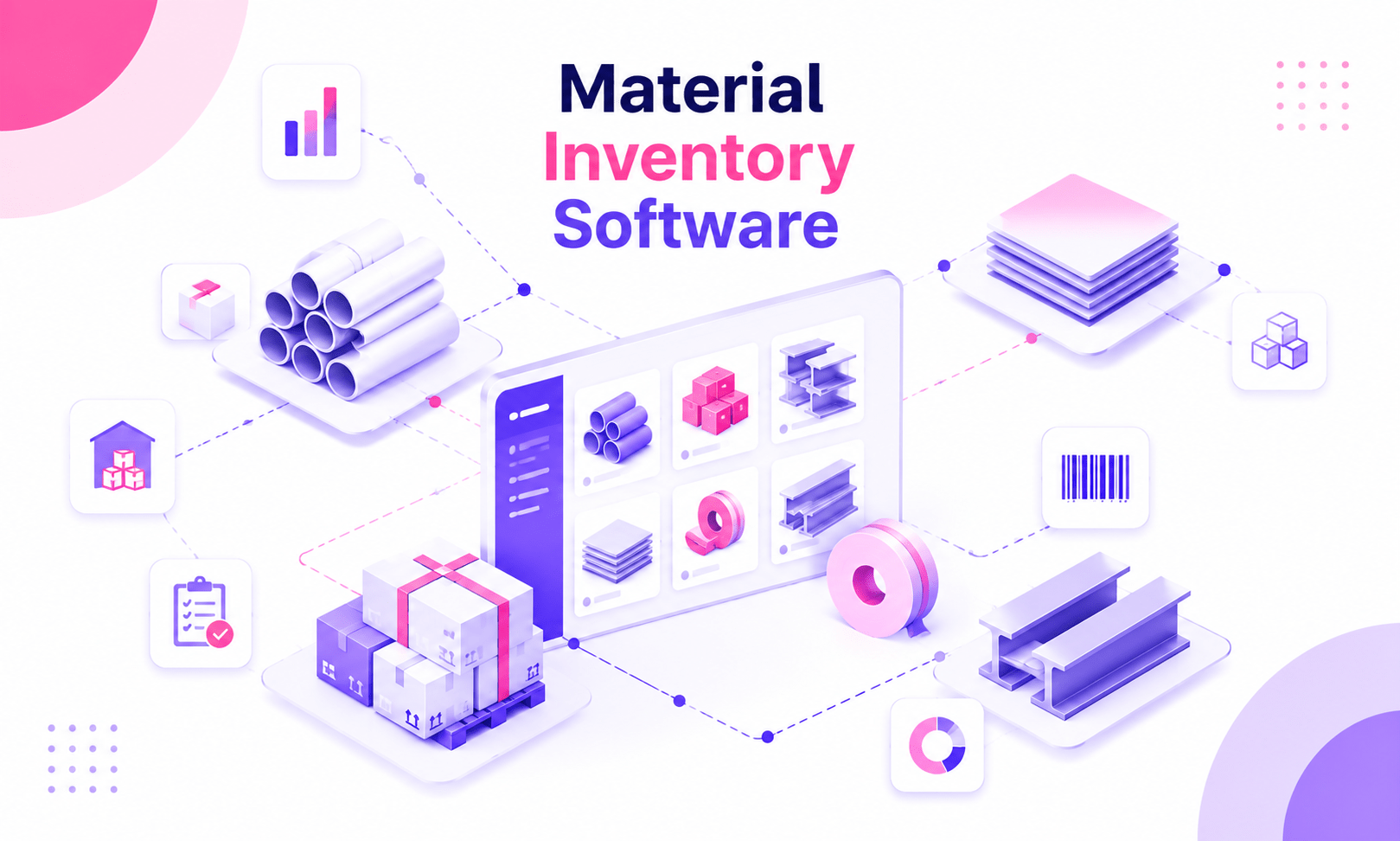
In practice, most stock problems do not start in production. They start with counts nobody trusts. A screen says enough material sits ready for the Friday run. The shelf tells a varied story. Material stock software closes that gap by giving teams a live view of stock, moves, waste, and gaps. That clarity matters when one missing part stops twenty workers.
Per McKinsey, poor stock data is one of the top causes of production delay. A modern material management system software turns that daily chaos into clear, shared facts.
Why material tracking breaks down
However, sheets work until buying, stores, and production move faster. Someone syncs a count late, then another team orders blind. The mistake looks small until excess stock fills shelf space. Also, a good material inventory management system tracks more than counts. It links receipts, issues, returns, lot counts, and reorder points. Teams see what changed, who changed it, and when.
In fact, the old way relies on memory and manual checks. That works with ten items, not ten thousand. Growth shows every weak habit in stock control. So the right raw material inventory software becomes less of a nice-to-have and more of a daily need.
What smarter stock control changes
Raw material stock software helps production teams plan with real counts. Buyers skip panic orders as gaps show up sooner. Finance teams stop guessing how much cash sits on shelves. Furthermore, the right material management system software also cuts hidden waste. Old stock, double orders, and lost parts become easier to spot.
Most teams do not need more reports. They need counts that match the floor. Practical material software turns stock from a weekly fight into a shared working log. For a wider view of top tools, see the best inventory tracking software for 2025.
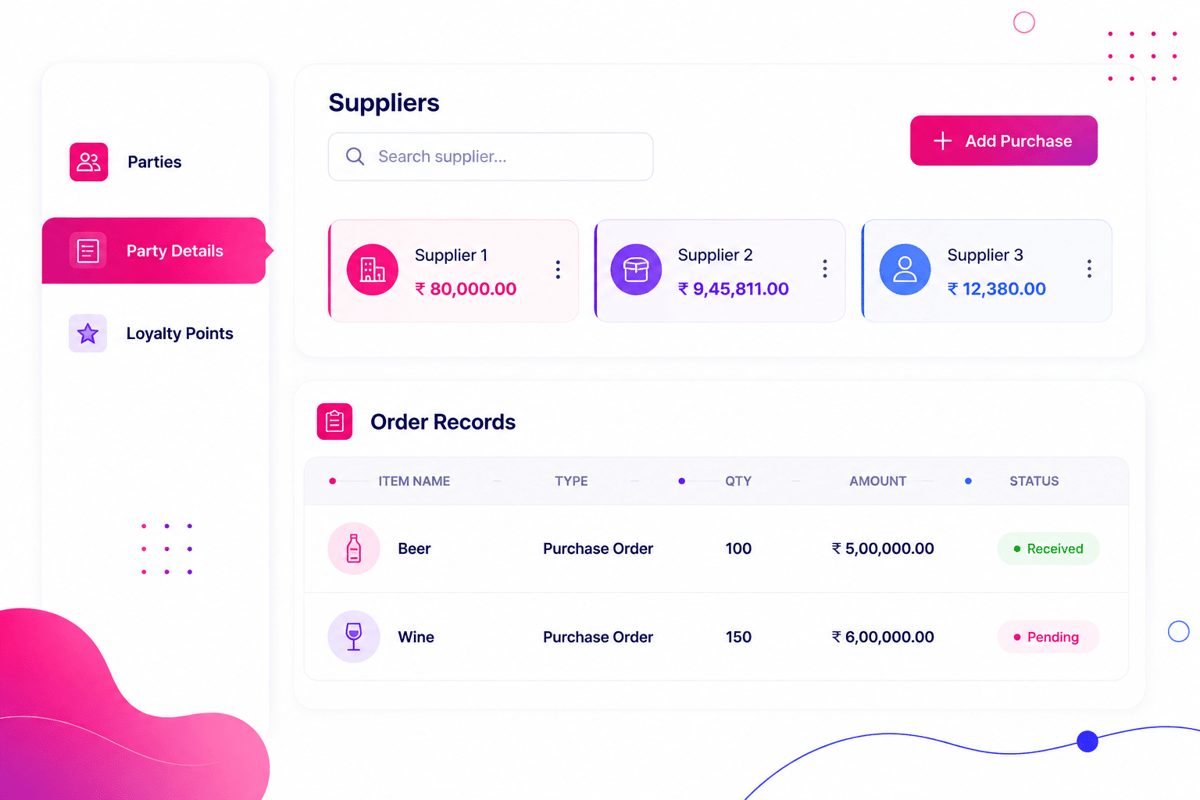
What material inventory software does for modern operations
Modern ops rarely fail from one huge mistake. They fail through small gaps that nobody sees early. A missing part can stop a full line.
Material stock software gives teams a shared stock view. Buyers, planners, and warehouse staff see the same counts. That removes guesswork behind daily material calls.
Real-time stock view with material inventory software
Sheets look clean until production moves fast. Someone syncs a count after lunch, then picks start early. The system already trails the floor by four hours. A material inventory management system tracks receipts, issues, transfers, and returns. Each move changes open stock as it happens. That matters when planners release jobs before morning picks.
Good data also shows slow damage inside ops. Teams spot old items, hidden excess, and repeated gaps. Those patterns tend to stay buried in manual logs.
Better control across buying and production
Buying tends to react when stock is already low. Rush orders then cost more and arrive late. Production pays through plan changes and idle labor.
Material management system software links demand, stock, and vendor lead times. Reorder points reflect real use, not old habits. Planners can see risk before orders turn urgent. Also, for makers, raw material inventory software protects margins. It tracks lot counts, scrap, swaps, and batch use. Finance sees where material costs drift from the plan.
The biggest change comes from trust. Teams stop checking three files before making calls. That shift tends to start with manufacturing inventory management software.
Connect Shopify, draw your floor, pick an order - free plan, 7-day full trial, no credit card, no sales call.
Key features of a material inventory management system
A good stock system earns trust on messy days. The count should match what staff see on the floor. Material stock software matters most when plans change fast.
Many teams first feel the problem when gaps. Buying sees stock on screen, but production finds empty bins. That gap stops work and starts rush buying.
Livestock counts and move history in material inventory software
A strong material inventory management system tracks every receipt, issue, transfer, and return. It shows who moved stock, where it went, and when. That history ends guesswork during daily production meetings.
Also, real-time counts matter most after part material pulls. A worker may take half a roll or three sheets. The system must cut stock based on real use. Also, spot tracking saves hours when rush jobs. Teams find material by rack, bin, or staging area. Without it, skilled workers become full-time searchers.
Controls that stop costly mistakes
In practice, reorder rules work best when they reflect real use. Fixed minimums fail when demand moves in batches. Better rules factor in lead time, safety stock, and scrap.
Raw material stock software should also hold stock for jobs. So two planners cannot promise the same material. The plan looks fine until cutting starts.
Reports should answer real questions, not dress up screens. Which items sit in stock too long? Which vendors create late receipts or quality holds? The best material management system software links buying, production, and finance. It turns material use into cleaner cost data. Managers then see margin loss before the month-end closes. For stronger traceability, this control tends to start with batch tracking software.
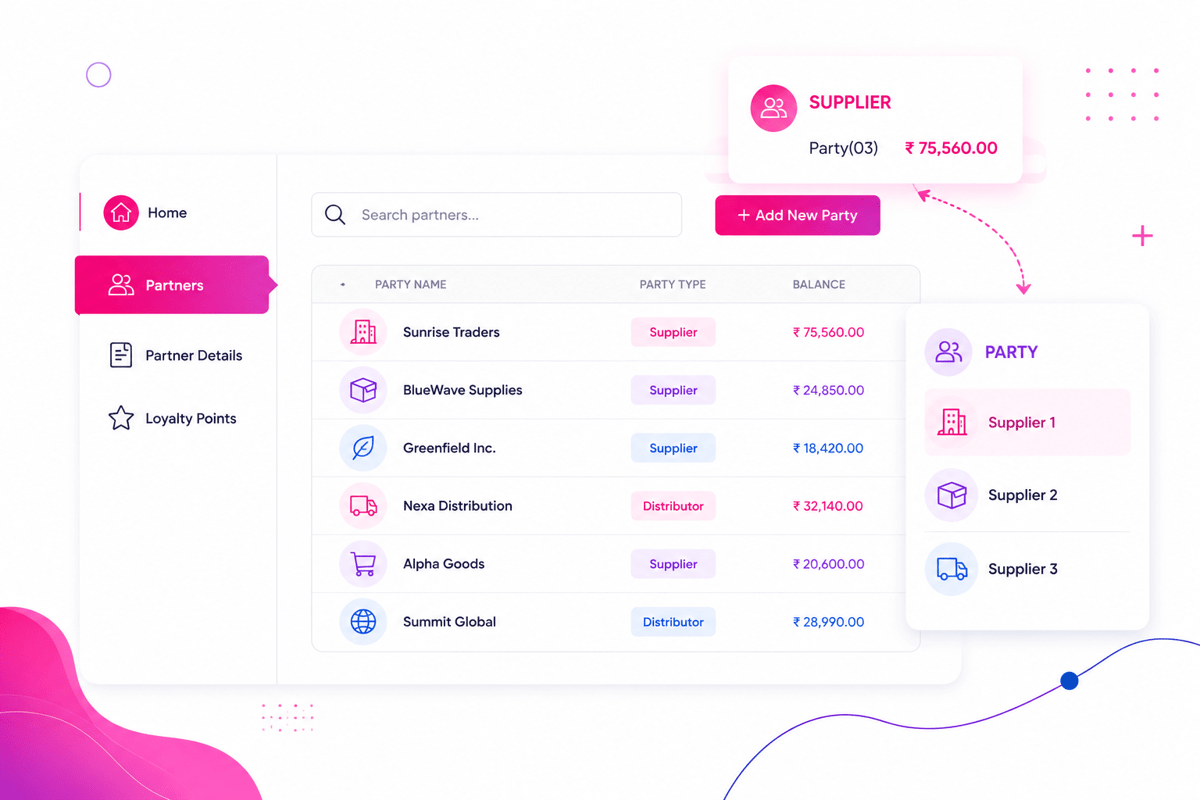
Raw material inventory software use cases across production teams
Production teams rarely run out of finished goods first. They run out of resin, steel, labels, or clips. Raw material stock software catches those gaps before lines stop.
For instance, a sheet can look clean at 8 a.m. By noon, three jobs can drain the same bin. A live material inventory management system shows that a clash occurs early.
Planning and buying with material inventory software
Buyers need more than plain reorder points. They need demand tied to open jobs. Material stock software links the buying timing with production demand.
That link changes daily by calls. A planner sees that copper arrives after the cut date. The team can split the job before extra time starts. Also, good data cuts panic orders. One maker found that safety stock hid slow vendor drift. Lead times moved from seven days to twelve.
Shop floor and quality control
The right material management system software shows approved lots only. That matters when quality holds one batch. With no lot status, workers grab blocked stock.
Traceability saves real time when handling complaints. Teams can see each batch, vendor, and job. That turns a full recall into a targeted pull.
- Mix teams check approved swaps before weighing material
- Care teams hold spares for planned line work
- Finance teams price scrap against actual batch costs
Good material software also shows waste patterns. Scrap from one station may point to poor storage. Short rolls may signal bad receiving counts. General stock tools treat materials like finished goods. Production needs holds, issue rules, lot control, and yield loss. That same discipline prepares teams for perpetual inventory system software.
Material management system software vs. general inventory tools
General stock tools work well for plain counts. They answer one question: how many units exist? But making teams need more than that. They need context around timing, batches, waste, and demand. A material management system software links stock to production calls.
Where general tools fall short
For example, a warehouse may see 500 meters of cable. Production may need 200 meters from one batch. A plain tool treats both details as noise.
Material stock software handles those details directly. It tracks lots, grades, end dates, and swaps. That matters when one wrong roll stops an assembly. Also, general systems tend to track moves after they happen. A material inventory management system tracks demand before gaps show up. Planners see which jobs will use shared materials.
When material inventory software makes sense
In general, stock tools tend to fit vendors and retailers. Those teams move finished goods through clear paths. Serial counts, spots, and reorder points may cover needs.
Makers face a varied control problem. Materials change form, split across jobs, and create scrap. Raw material stock software captures those changes as work happens. It also links buying with real use. Buyers stop guessing from old averages. They order based on open jobs and vendor lead times.
However, the cheaper tool can look safer at first. Then teams build sheets around missing flow data. Those sheets become the real system by month three. The best choice depends on flow complexity, not firm size. If materials feed production, tracking must follow use. For many teams, that point comes after the barcode inventory system setup.
How to choose the right material software for your business
In practice, choosing software starts with one plain question. Where does your material data go wrong today? Most teams skip that step and buy tools.
Good material inventory software should match daily warehouse habits. If staff avoid screens, clean data drops within days. Plain menus matter more than bold demo charts.
Start with your real stock pain
Walk through one material from receipt to use. Track each handoff, scan, cut, scrap, and return. The weak spots tend to show up before lunch.
Some teams need better lot tracking. Others need faster issue logs on production lines. A material inventory management system should fix the costly gap first.
- Frequent gaps point to poor reorder rules
- Wrong picks point to unclear bin controls
- Large gaps point to late transaction entries
That map stops a common buying mistake. Teams pick wide tools, then rebuild missing controls. Custom work turns cheap software into a costly habit. Also, stronger order control pairs well with order automation to cut manual steps.
Test fit before price
However, price matters, but a poor fit costs more. Ask vendors to run your messy flow. Perfect sample data hides most daily problems.
A strong demo of material management system software uses your actual items. Include part rolls, bad batches, and urgent swaps. Those cases show weak rules fast. Also, integration deserves the same real testing. Your raw material inventory software must share clean data. Buying, finance, and production need matching counts.
Also, cloud access sounds useful until rights get messy. Role settings should match real job limits. Buyers should not edit production use logs. Furthermore, support quality splits stable systems from shelf tools. Ask how fast support handles failed imports. Slow answers can stop receiving for hours. The right material software feels plain after launch. Counts match, gaps surface early, and planners trust orders.
Conclusion
Material stock software works best when it matches daily reality. The strongest systems reflect how teams buy, store, issue, and count materials. A sheet may look fine during quiet weeks. Production push shows every missing sync and late count.
A good material inventory management system links stock data with work. Teams see gaps before a work order stalls. Buyers spot slow-moving stock before cash sits idle. Raw material stock software matters most near changeovers. One wrong lot can delay a run. One hidden gap can trigger rushed freight.
General tools tend to track items after problems happen. Material management system software gives planners earlier signals. That timing cuts noise and stops rush buying.
Start with the stock pain that costs the most. Look at gaps, write-offs, late jobs, and manual counts. Then match the system to those gaps. If your warehouse still relies on memory, risk grows quietly. The first step should create cleaner counts. The next step should protect production time. For your next look at options, check these inventory management solutions.
 Google AI
  OpenAI ChatGPT
 Frequently Asked Questions
What is material inventory software?
Material inventory software is a digital tool used to track, manage, and control materials across purchasing, storage, production, and job sites. It helps businesses monitor stock levels, reduce waste, prevent shortages, and improve planning. Many systems also include reporting, barcode scanning, reorder alerts, and integration with accounting or ERP platforms.
Is material inventory software the best software for tracking building materials inventory?
For many construction and building supply businesses, material inventory software is one of the best options for tracking building materials inventory. It provides real-time visibility into stock on hand, materials used by project, and items that need reordering. This helps teams avoid delays, overbuying, and lost materials across multiple sites.
How does a material inventory management system improve operations?
A material inventory management system improves operations by giving teams accurate data on material availability, usage, costs, and movement. Instead of relying on spreadsheets or manual counts, businesses can automate tracking and receive alerts when stock is low. This supports better purchasing decisions, fewer production delays, and stronger cost control.
What features should material management system software include?
Good material management system software should include real-time inventory tracking, purchase order management, barcode or QR code scanning, stock alerts, supplier records, reporting, and user permissions. For growing businesses, integration with accounting, ERP, or project management tools is also important to keep material data accurate across departments.
Who should use raw material inventory software?
Raw material inventory software is useful for manufacturers, distributors, construction companies, food producers, and any business that depends on a steady supply of materials. It helps track raw materials from receiving to usage, supports quality control, and ensures teams have the right quantities available for production or project work.
How is material software different from general inventory software?
Material software is designed to manage materials used in production, construction, maintenance, or assembly, while general inventory software often focuses on finished goods or retail stock. A dedicated material inventory management system can track units, batches, locations, supplier details, usage rates, and reorder needs more effectively for material-heavy operations.
I specialize in building scalable eCommerce systems powered by AI and automation. My work focuses on growing sales across Amazon, eBay, and Etsy through technology integration, data-driven strategies, and performance optimization. I also publish articles and insights about eCommerce technology, warehouse operations, and multichannel growth.
You may also like

Reusable shopping bags: why retailers switch for sustainable packaging
Sustainable packaging is becoming an important part of modern e-commerce and retail. Reusable shopping bags help businesses reduce packaging waste while creating a practical and visible extension of their brand. This article explores why retailers are adopting reusable bags, how bulk and custom options support different business needs, and what to consider when building a more sustainable packaging strategy.
Hardware inventory software vs manual IT asset tracking
Choosing the right hardware inventory software helps teams track devices, control costs, improve compliance, and plan upgrades with confidence. Read on to discover key benefits, use cases, selection criteria, and best practices for smarter IT asset management.

Computer inventory tracking software for hardware and licenses
Learn how computer inventory tracking software helps businesses control hardware, software, licenses, and devices in one place. This brief outlines benefits, key features, platform comparisons, and practical steps for choosing the right system for growing IT teams.