
Hardware inventory software vs manual IT asset tracking
 Emily Carter
·
· 10 min read
Emily Carter
·
· 10 min read
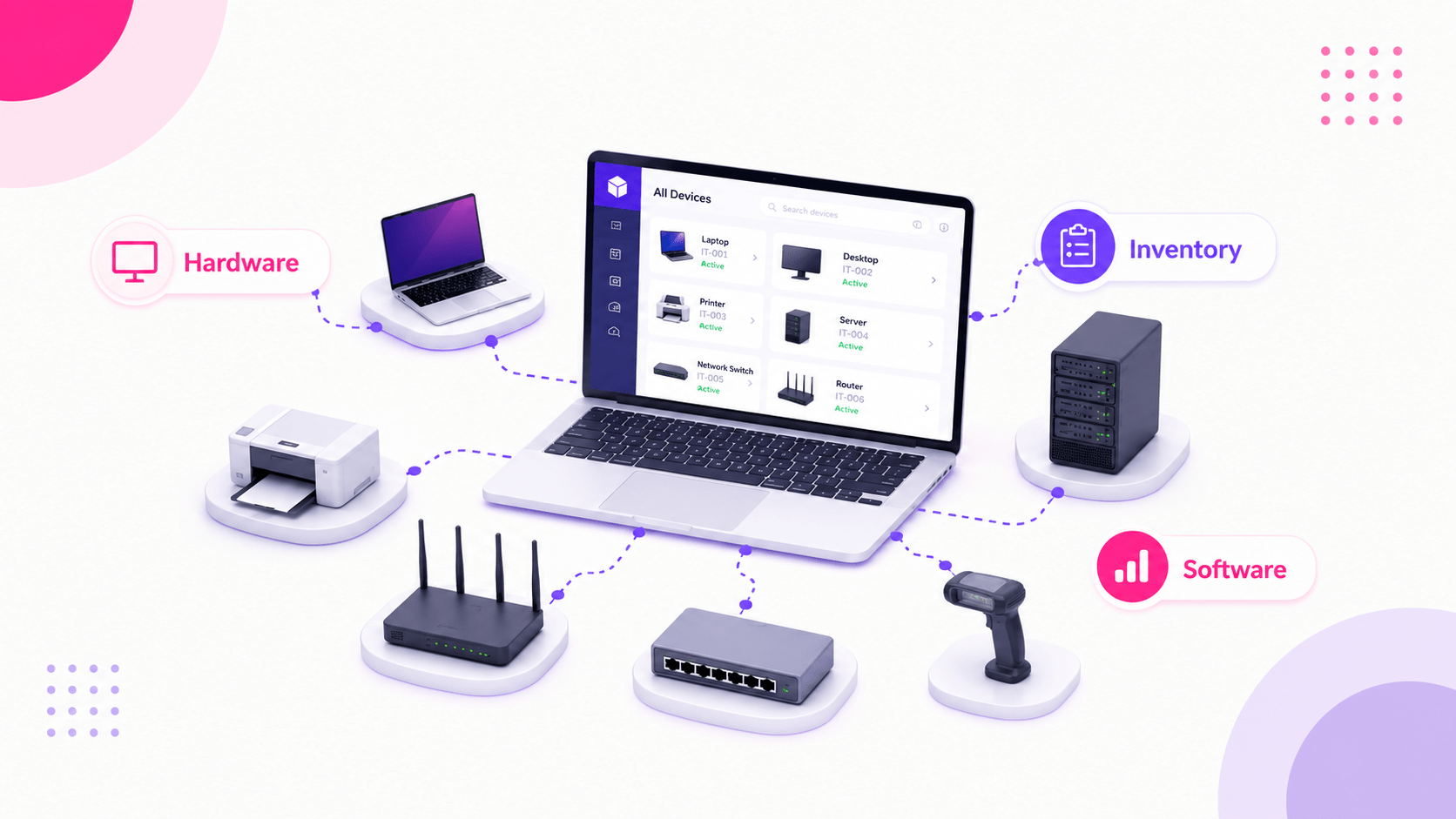
Most IT teams lose devices before anyone notices. A laptop sits in a drawer after onboarding ends. Another shows in the finance records but not on the network. That gap makes real waste, not just messy records. Hardware inventory software helps teams see what they own, where it sits, and who uses it. As a result, IT can act on clean data rather than guessing.
Per Gartner, firms overpay for 20-30% of software seats as hardware records drift. Strong hardware inventory management software cuts that waste by linking device records to daily work.
Why asset records drift
Sheets start clean and useful. Then hiring grows, devices move, and repairs happen fast. Nobody syncs the file before the next ask arrives. The counts still look tidy on screen. But real life tells a varied story when audits hit.
A strong hardware inventory management system connects assets with daily work. It can track hardware, purchases, assignments, repairs, returns, and disposal. Hardware and software inventory management also gives teams one place to manage devices, applications, and related inventory data.
What is better tracking changes
Good software and hardware inventory management gives IT a shared source of truth. Cloud-based systems make current records available across teams and locations. They can track devices by serial numbers and provide asset management software features for the full asset lifecycle.
Support teams know device history before fixing starts. Finance sees asset age before approving swaps. The right inventory management tools also help returned laptops go back into use faster and stop spare devices from hiding in cabinets for months.
Hardware and software inventory software also changes how teams handle risk. Old devices show up before warranties end. Unassigned gear stands out before audits create pressure. The goal is not perfect paperwork. The goal is fewer surprises when things move fast. Better records help IT move with less friction. For a wider view of top tools, see our guide to IT inventory tracking software.
Connect Shopify, draw your floor, pick an order - free plan, 7-day full trial, no credit card, no sales call.
Why hardware inventory software matters for modern IT teams
Modern IT teams rarely lose devices all at once. They lose control through small daily gaps. A laptop changes hands with no note. Hardware inventory software gives teams a live record they can trust. Without it, every audit starts with guesswork. That guesswork costs time, money, and trust.
Small gaps create costly problems
The sheet looks clean until someone checks the storage room. Three watches sit unused while another team orders more. Nobody meant to waste cash, but the process allowed it. Remote work makes the problem harder. Devices move across homes, offices, and repair vendors. Email threads cannot track that shift with enough detail.
In fact, a strong hardware inventory management system shows who owns each device. It also shows spot, status, warranty dates, and buy history. Teams can spot missing assets before audits find them. So clean records cut both waste and risk.
Clean data speeds better decisions
IT leaders need clear answers when planning budgets. How many laptops need a swap this quarter? Which devices still carry active help? Software and hardware inventory management connects asset data with daily calls. Teams can plan refresh cycles with fewer surprises. Finance also gets cleaner counts for value loss and forecast work.
Security teams gain from the same data. Unknown devices create blind spots across the network. Clean records help teams find risk before issues spread. The real win comes from fewer emergency hunts. IT spends less time chasing serial counts and receipts. That shift tends to start with better computer inventory tracking software.
Software and hardware inventory management: key benefits
Most firms buy devices faster than they track them. Laptops move across teams, watches sit in cupboards, and warranties end quietly. Hardware inventory software turns that scattered picture into usable data. The real value shows when it is working normally. Support staff fix tickets faster as they know the device, owner, age, and spot.
Cleaner data for daily decisions
Software and hardware inventory management gives finance and IT one shared record. That matters when teams plan budgets or renew deals. With no solid records, teams buy hardware they now own. Shelves can fill with unused docks, and nobody trusts the sheet enough to check first. A good system shows asset status live. It flags missing devices before audits become painful. It also shows which models tend to fail.
Faster support and lower risk with hardware inventory software
Support teams waste time when asset details live everywhere. A hardware inventory management system links tickets to exact machines. That link cuts guesswork when fixing and swapping devices. Security teams also gain a clearer view. They spot old machines before patch help ends. One missing laptop can create a costly breach. Furthermore, lifecycle planning gets easier for every team. Finance can spread purchases across quarters rather than panic-buy in June.
Some vendors call it hardware software inventory software. The name matters less than the calls it drives. Useful records show cost, age, risk, and owner. The biggest gain comes from trust. When asset data matches reality, teams stop arguing over counts. That same clean record also helps application inventory work across the same IT base.
Hardware inventory software vs. manual tracking
Sheets feel safe as everyone knows them. They also hide problems until audits find them. A laptop changes hands, and nobody syncs the file. Good hardware inventory software gives each device a live record. It tracks ownership, spot, warranty, and status changes. The record changes as the asset moves.
Where sheets start to break
Manual tracking fails when normal work happens, not disasters. New hires get devices before records catch up. Staff who leave return gear with no clear ownership notes. The sheet looks tidy during monthly checks. The service desk sees a varied story. Missing cables, double serial counts, and old assignments pile up.
Small errors create costly cleanup later. One team found 42 unassigned laptops. They had already ordered swaps that month. In fact, those losses tend to hide until the cost becomes obvious.
What automated hardware inventory management changes
Hardware software inventory software removes the memory test from asset tracking. Scans, agent data, and check-in records sync the asset trail. People still make mistakes, but systems catch them faster. That matters most when IT helps many spots. A hardware inventory management system shows stock before tickets stall. Buying teams order less emergency gear and fewer doubles.
Strong software and hardware inventory management also links devices to the firm’s risk. Unsupported machines show up before they cause issues. Warranty dates guide repairs before budgets leak cash. Sheets can still help tiny teams. But growth changes the math fast. Once devices move daily, hardware inventory software gives teams a trusted inventory database.
Choosing a hardware inventory management system
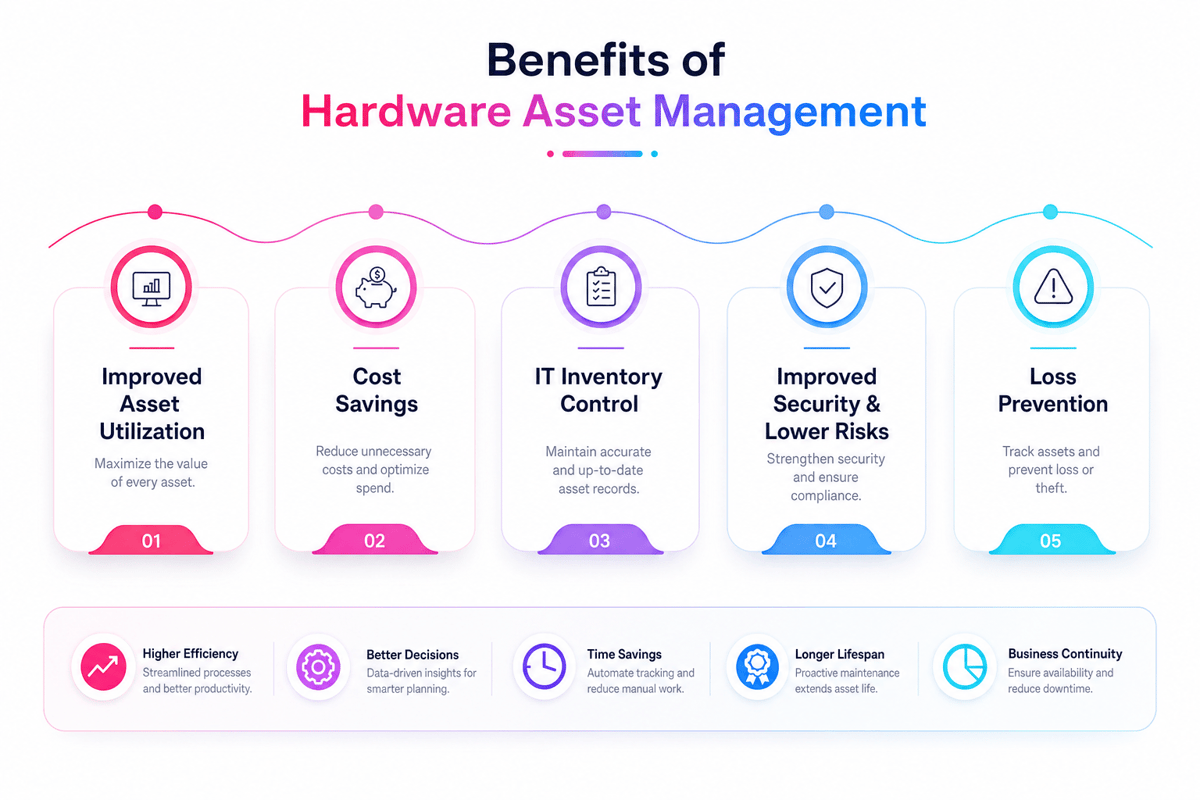
The right system changes how IT teams make calls. Good hardware inventory software shows what exists, where it sits, and who owns it. Weak tools create a cleaner version of the same old mess. They collect records but miss moves, ownership, and age.
Start with reliable discovery
Reliable discovery beats memory and quarterly checks. A strong hardware inventory management system finds devices across offices, warehouses, and remote networks. Discovery also needs context, not just device names. Model, serial count, warranty dates, user, and spot all matter. That detail stops two common problems. Teams have stopped buying laptops; they now own and retire risky devices sooner.
Features that survive daily use in hardware inventory software
Good software and hardware inventory management connects assets with daily work. Tickets, approvals, repairs, transfers, and audits share one asset record. Links matter more than most buyers expect. Split records make finance, security, and service desk data drift. Strong reports show ending warranties, spare stock, and unreturned gear.
The strongest systems feel plain on busy days. Renewal alerts, audit trails, and scan logs cut follow-up time. Teams that scan assets daily tend to outgrow sheets and need a barcode inventory system.
Hardware inventory software across the asset lifecycle
Assets rarely fail at good times. A missing laptop or an expiring warranty tends to start the fire. Hardware inventory software gives teams a cleaner trail from day one. The value shows across the full lifecycle. Buying, assigning, fixing, auditing, and retiring assets all create records. When teams skip one step, the next team pays.
From buy to deploy with hardware inventory management software
Buying teams need more than a buy order. They need serial counts, vendors, costs, and warranty dates together. A hardware inventory management system links those details before delivery. That record stops a common handoff problem. Finance sees the spend, but IT cannot find ownership. The asset arrives, then sits unassigned for two weeks.
Receiving teams can scan assets at the dock. Each device gets a spot, an owner, and a status. Deploy then moves faster with fewer email checks. New hires feel this gap right away. Their laptop, watch, and dock show up on time. Nobody hunts through storage rooms before day one starts. Also, medical settings need even tighter device control. For those teams, see our guide to free medical device inventory management software.
Maintenance, audits, and retirement
Repairs show weak tracking faster than audits. A device breaks, and nobody knows its warranty status. Teams then pay for repairs they already covered. Hardware software inventory software can tie tickets to asset records. Support sees past repairs, age, and assigned user. That context stops repeated fixing and rushed swaps.
Audits work better when staff skip sheet cleanups. The system shows what exists, where it sits, and who owns it. That matters when auditors ask for proof. Retirement also needs a clear record. Old devices tend to hide in closets after refresh projects. With no proof of wipe, risk follows the firm. Strong software and hardware inventory management keeps disposal clean. Teams record wipe dates, resale value, and recycler details. That history protects security, finance, and rules, teams. For firms that also track ecommerce stock, these same habits support ecommerce inventory management software.
Conclusion
Good asset data changes how IT teams work. Hardware inventory software turns scattered device records into daily calls. It shows what exists, who owns it, and what comes next. The real gain comes from fewer surprises. Ending warranties, stop hiding in old files. Missing laptops stop becoming budget mysteries.
What really matters in hardware inventory management
Sheets can work in early stages. They fail when assets move across teams. Manual syncs always lose to a real firm change. A solid hardware inventory management system gives teams one trusted record. Buying sees the buy history before buying more devices. Support sees device context before fixing starts. That shared view stops slow, costly mistakes. Teams cut double buys and catch renewals sooner. Audits take hours, not painful weeks.
The next practical step
The best tool depends on your asset flow. A warehouse team needs different controls than a remote-first firm. Device moves should shape the shortlist. Start with one honest question: where does your data break first? The answer points to the right system. Strong software and hardware inventory management starts with clean habits. Clear ownership matters as much as smart automation. Even the best platform fails with weak flows. Check your live tracking gaps this week. Ask your IT, finance, and support teams. Their pain points will show the highest-value fix. Then compare options and pick hardware inventory software that fixes real daily problems. The right hardware inventory management software earns trust through clean data and faster calls. For a wider look at your options, explore these inventory management solutions.
 Google AI
  OpenAI ChatGPT
 Frequently Asked Questions
Where can businesses buy inventory hardware and software bundles?
Businesses can buy inventory hardware and software bundles from IT resellers, software vendors, managed service providers, and marketplaces that specialize in asset management tools. Look for bundles that include barcode scanners, asset tags, mobile devices, and hardware inventory software that supports reporting, audits, and integration with your existing IT systems.
How do you force hardware and software inventory on an SCCM client?
To force hardware and software inventory on an SCCM client, open the Configuration Manager control panel applet, go to the Actions tab, and run Hardware Inventory Cycle or Software Inventory Cycle. Administrators can also trigger inventory using PowerShell or client notification actions from the SCCM console to update asset data faster.
How can companies improve visibility into hardware and software inventory?
Companies can improve visibility by using a centralized hardware inventory management system that automatically discovers devices, tracks installed applications, and updates asset records regularly. Hardware inventory software helps IT teams see device ownership, location, warranty status, and configuration details, making it easier to plan upgrades and reduce security risks.
How should a business maintain hardware and software inventory?
A business should maintain hardware and software inventory by using automated discovery, regular audits, clear ownership records, and lifecycle tracking. Strong software and hardware inventory management also includes documenting purchases, licenses, warranties, repairs, and disposal. This keeps asset data accurate and supports better budgeting, compliance, and IT support.
What is hardware and software inventory in SCCM?
In SCCM, hardware inventory collects details about devices, such as processor, memory, disk space, and operating system. Software inventory identifies files, applications, and related software data on managed clients. Together, they help IT teams monitor assets, support compliance, and manage endpoints across the organization from a central console.
What features should hardware software inventory software include?
Hardware software inventory software should include automated asset discovery, real-time reporting, software license tracking, barcode or QR code support, audit history, and integration with service desk or endpoint management tools. The best hardware inventory software also provides alerts for missing assets, warranty expirations, and unauthorized software installations.
I am an eCommerce expert with a strong focus on marketplaces like Amazon, eBay, and Etsy. Over the past decade, I have helped both startups and $1M+ revenue brands scale their sales through listing optimization, marketplace SEO, and AI-driven strategies. I also share articles and insights about eCommerce growth, marketplace operations, and multichannel selling.
You may also like

Reusable shopping bags: why retailers switch for sustainable packaging
Sustainable packaging is becoming an important part of modern e-commerce and retail. Reusable shopping bags help businesses reduce packaging waste while creating a practical and visible extension of their brand. This article explores why retailers are adopting reusable bags, how bulk and custom options support different business needs, and what to consider when building a more sustainable packaging strategy.
Material inventory software for tracking raw materials in production
Learn how material inventory software helps businesses track raw materials, reduce waste, prevent stockouts, and connect purchasing with production. Benefits, key features, use cases, comparisons, and practical selection tips for teams ready to improve inventory control.

Computer inventory tracking software for hardware and licenses
Learn how computer inventory tracking software helps businesses control hardware, software, licenses, and devices in one place. This brief outlines benefits, key features, platform comparisons, and practical steps for choosing the right system for growing IT teams.