
Fulfillment services for ecommerce: outsourced vs in-house shipping
 Daniel Brooks
·
· 18 min read
Daniel Brooks
·
· 18 min read

Fulfillment services sit at the center of ecommerce growth. They connect sales, stock, pack, ship, and returns into one working system. In fact, fast shipping now shapes how buyers judge a brand. So, a late order can weaken trust, even when the item meets goals. Also, growing brands often reach a point where in-house shipping strains the team. Boxes fill office space, stock counts drift, and buyer emails rise.
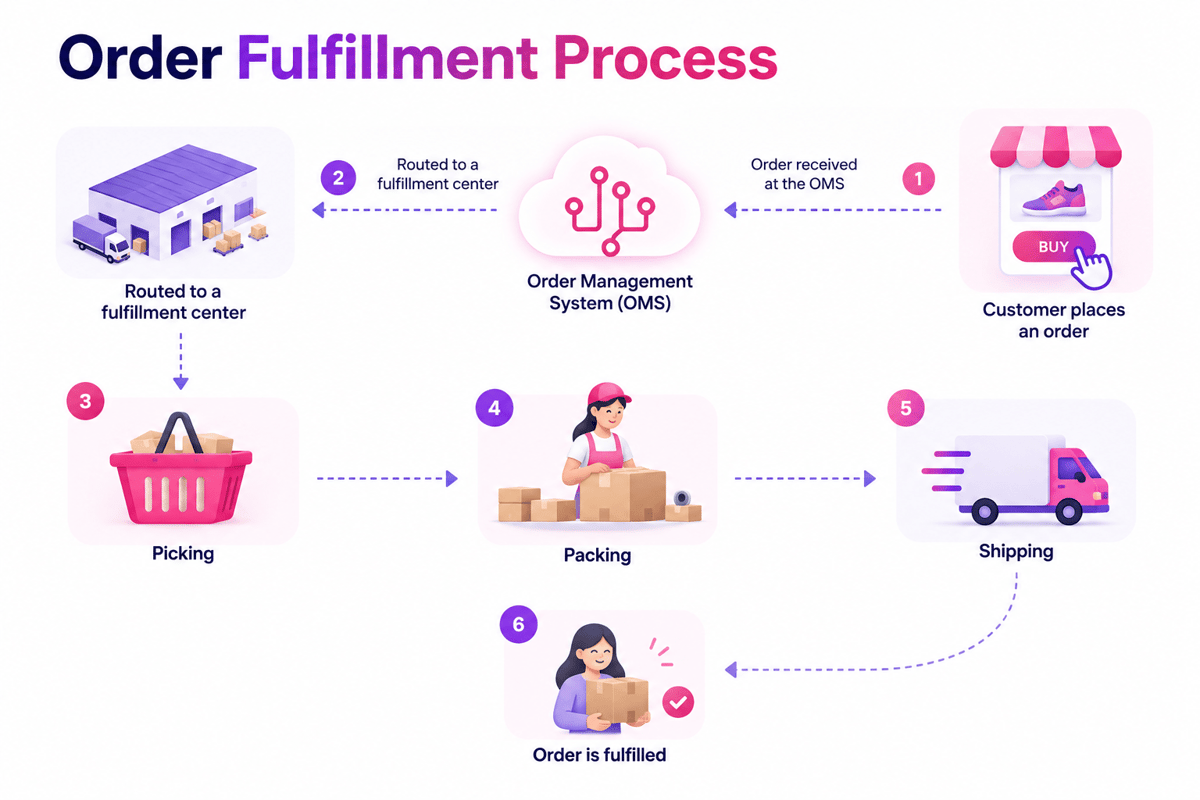
So the right fulfillment services partner helps brands move from manual shipping to a managed flow. The right partner gets stock, stores items, picks orders, packs boxes, and ships buys.
Why fulfillment services shape growth
Strong ecommerce fulfillment services also create better cost control. Clear storage fees, pick fees, and carrier rates make margins easier to track. An ecommerce fulfillment center can also place stock closer to buyers. Shorter ship zones often lower freight costs and cut ship times. In fact, for many brands, the shift changes how teams spend time. Staff can focus on items, sales, and buyer care instead of daily site tasks.
What strong fulfillment services support creates
Solid order fulfillment services protect the buyer’s feel after checkout. Clean pick lowers wrong-item shipments, while neat pack lowers damage risk. Also, a well-run product fulfillment warehouse supports seasonal demand. Teams can handle order spikes without hiring short-term staff or renting extra space. Not all fulfillment companies fit the same type of brand. Item size, order volume, sales channels, and return rates all shape the right match.
Effective fulfillment services give ecommerce brands room to grow with less ops drag. They turn shipping from a daily constraint into a steady growth system.
What are fulfillment services and how do they work?
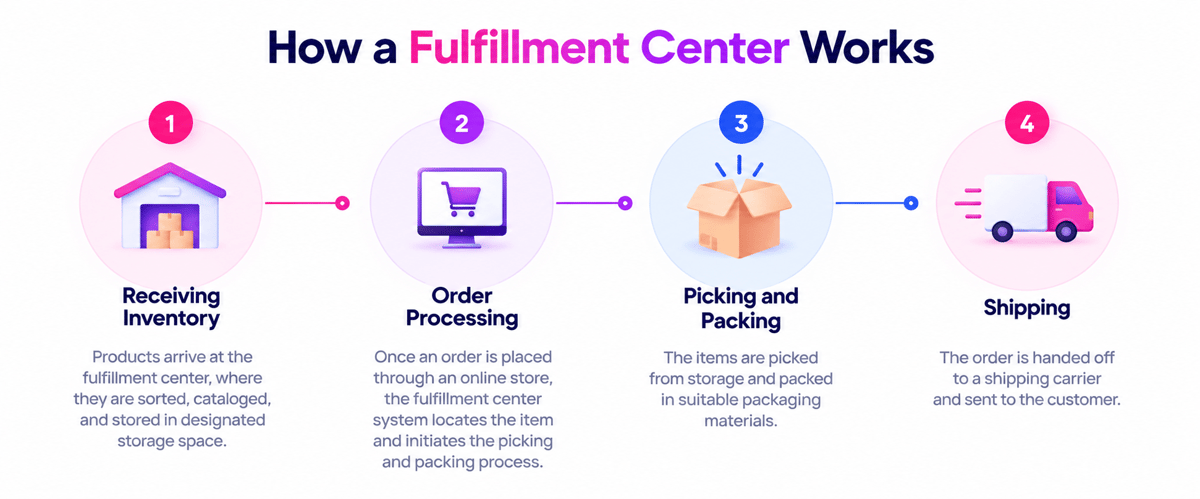
Fulfillment services handle the work between a placed order and a delivered parcel. They cover stock storage, order pick, pack, ship, tracking, and returns. For online brands, these services create a shared ops system for sales and logistics. Ecommerce fulfillment services connect store data with site tasks, so orders move with no manual re-entry.
Core steps in the process
The flow starts when items arrive at an ecommerce fulfillment center. Site teams count, check, label, and store stock in set spots. When a buyer places an order, the system sends order details to the site. Order fulfillment services then guide staff to pick the right items, pack them, and pick a carrier. Ship software compares ship speed, spot, service level, and cost. Tracking data then flows back to the store, market, or buyer email.
Also, returns sit inside the same flow. High retail returns volume makes clean get and restock more key for margin control.
How the service supports growth
Fulfillment services give growing brands more site space without leasing their own site. This matters when demand rises, item lines grow, or sales spike at peak seasons. A product fulfillment warehouse also brings trained labor and shipping tools into one place. So, that structure helps cut packing errors and missed carrier cutoffs. Many fulfillment companies work with many sales channels. Orders from Shopify, Amazon, retail partners, and bulk accounts can route through one system.
In fact, the best ecommerce fulfillment companies pair physical site work with clear stock data. Strong ecommerce fulfillment solutions show stock levels, order status, return work, and ship costs in near real time. Product fulfillment services work best when systems, people, and carrier rules stay aligned. Together, these steps form the ops base of a solid fulfillment business process.
Connect Shopify, draw your floor, pick an order - free plan, 7-day full trial, no credit card, no sales call.
Why ecommerce fulfillment services matter for growing brands
Growing brands often outgrow spare rooms and manual ship routines. Each sales spike adds more get, storage, pick, pack, and carrier work. Ecommerce fulfillment services give the op structure before volume strains the team. A strong partner handles daily ship tasks while the brand focuses on demand, items, and service.
Scaling without bottlenecks
Order volume rarely grows in a neat, steady line. Promos, holidays, and viral items can create sudden press across the site. Fulfillment services help absorb those spikes with trained labor, site systems, and carrier flows. In fact, this matters when a brand needs same-day ship cutoffs or faster ship dates. Also, order fulfillment services cut the risk of late orders. Fewer late ships mean fewer support tickets, refunds, and unhappy repeat buyers.
Protecting margins and buyer trust
Ship work carries hidden costs for growing ecommerce teams. Labor, pack items, site space, software, and carrier errors all affect margin. Fulfillment services turn many of those costs into a clearer ops model. Brands can compare fees against order volume, storage needs, and ship targets. An ecommerce fulfillment center also lifts control over stock. Teams can see stock levels, track orders, and spot slow items sooner.
Many fulfillment companies bring lower carrier rates through ship volume. That can lower cost per parcel without reducing shipping standards. Also, for multi-channel sellers, ecommerce fulfillment services keep orders moving across markets, sites, and retail programs. A single flow cuts errors when teams sell in several places. Product fulfillment services also support brand consistency at scale. Growth shows weak points in shipping faster than most teams expect. Reliable fulfillment services create the structure for higher order volume, cleaner stock data, and fewer ship issues. That view helps teams choose a partner, plan volume, and understand what happens inside a pick and pack fulfillment center.
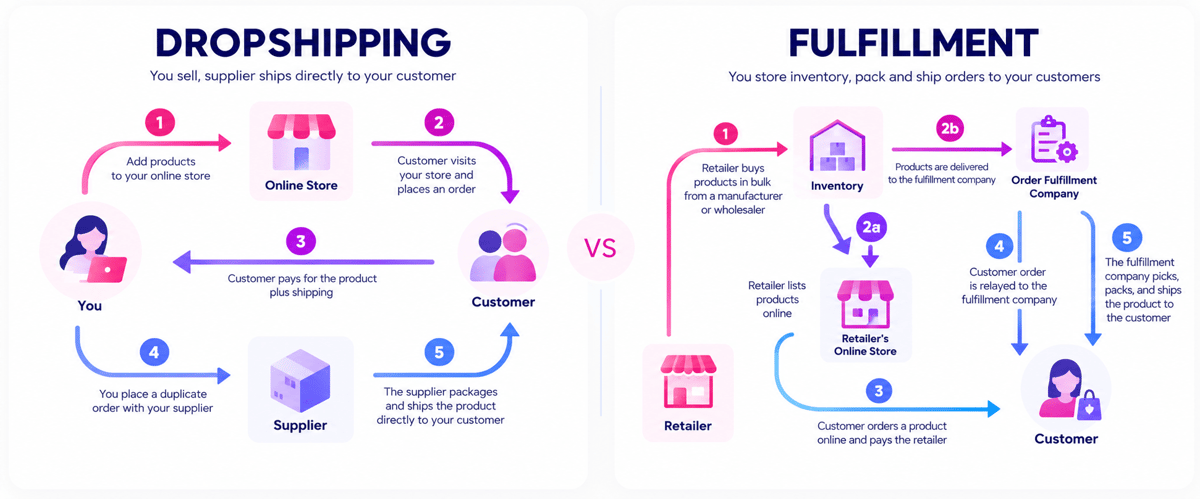
Order fulfillment services vs. in-house shipping
However, in-house shipping gives brands direct control over daily orders. Teams store stock, pick items, pack boxes, and buy postage. Order fulfillment services move those tasks to a skilled partner. The main gap is capacity. A small team may handle steady volume well. Peak demand shows gaps in space, labor, and carrier access. Fulfillment services add trained staff, site systems, and broader ship networks.
Cost, control, and scale
However, in-house shipping often looks cheaper at low volume. Costs sit in rent, software, wages, items, and postage. So, those costs rise before each new order creates revenue. With fulfillment services, more costs follow order work. Brands pay for storage, pick, pack, and shipping. This model links fulfillment spend more closely to sales. Also, carrier rates differ between the two models. A single store may lack strong parcel volume. Ecommerce fulfillment companies often ship across many clients and regions. Better rate access can lower the cost per order.
Accuracy, speed, and service levels
In fact, in-house teams can check every detail and react fast. That control helps with custom pack or complex kit work. It also depends on staff training and daily checks. Ecommerce fulfillment services bring set steps for get, storage, pick, and returns. Barcode scans cut mis-picks and missing items. A well-run ecommerce fulfillment center also gives clearer stock counts across sales channels.
Speed depends on spot and order cutoff times. A single site may serve nearby buyers well. A wider network can place stock closer to more buyers. Some order fulfillment companies also share ship data by zone. The right choice depends on order volume, item mix, margins, and ship dates. Many brands keep special work in-house and send daily shipments out. That shift often starts with clean order data, clear rules, and ecommerce fulfillment automation. Also see automated fulfillment solutions for what comes next.
How an ecommerce fulfillment center supports faster delivery
An ecommerce fulfillment center shortens the path between order and ship. It pairs stocked stock, trained site teams, carrier access, and ship systems in one op. Fast ship depends on many small time saves. Strong fulfillment services cut manual handoffs, pack delays, and move parcels into carrier networks sooner.
Inventory placement and delivery networks
In fact, spot has a direct effect on ship speed. When items sit closer to buyers, brands can reach more zones in one or two days. Many ecommerce fulfillment services use regional site networks for this reason. Orders ship from the nearest stocked spot, rather than one central site. Also, a well-run product fulfillment warehouse keeps popular items ready for fast pick. Smart slotting places high-volume items near pack stations, which cuts walk time across the floor. With fulfillment services, stock data also supports better stock placement. Sales patterns show where demand rises, so teams can move items before delays appear.
Carrier access and cutoff times
Furthermore, carrier links play a large role in faster shipping. Solid fulfillment companies often work with several parcel carriers, regional services, and freight partners. So, this carrier mix gives each order more routing options. So, a nearby carrier hub, later pickup time, or regional service can save a full day in transit. Good order fulfillment services also protect daily cutoff times. Teams pick, pack, and label orders before set carrier pickups, which keeps ships from sitting overnight. These fulfillment services create ship gains that buyers can feel. Fewer late ships mean fewer support tickets, fewer refunds, and stronger repeat buy rates. Over time, those patterns shape better carrier rules, cleaner cutoff windows, and order fulfillment software.
Inside a product fulfillment warehouse: storage, picking, and packing
A product fulfillment warehouse turns stored stock into shipped orders. The best layouts support fast movement, clear counts, and careful handling. For growing brands, fulfillment services add process control that many small rooms cannot match. Every item needs a set spot before orders arrive. Bins, shelves, and zones help staff find items fast. An ecommerce fulfillment center also tracks lot numbers and stock status when items need tighter control.
Storage that supports accurate orders
First, storage design starts with item speed and item shape. Fast-moving SKUs sit near pack stations to cut travel time. Bulky or fragile items need space that protects them during handling. A site system records each get, move, and fix. That data helps fulfillment companies stop over-sells during sales spikes. Many modern sites connect stock tools with omnichannel warehouse automation to keep stock aligned across stores, markets, and bulk orders. Also, good storage supports clean restock. Team members can refill pick faces before bins run empty. With ecommerce fulfillment services, these routines help keep speed at peak order times.
Picking and packing workflow
Pick methods depend on order volume and SKU count. Single-order pick works for low volume. Batch, zone, and wave pick cut down walking when volume rises. Also, scanners confirm each item before it reaches the pack bench. This step catches wrong sizes, colors, or variants early. Strong order fulfillment services use these checks to cut reships and support cleaner ship data. Furthermore, packing protects the item while controlling shipping cost. Box pick, inserts, and labels all affect margin. A solid product fulfillment warehouse balances protection with weight charges.
A branded pack can still fit a fast site flow. Kit areas prep bundles, sub boxes, or promo inserts before demand peaks. These details often separate basic ship from mature product fulfillment services. The best fulfillment services link storage, pick, and pack into one visible flow. That view helps teams spot delays before buyers feel them. It also gives ops cleaner data for buying, forecasting, and ecommerce order management.
Top benefits of product fulfillment services for customer experience
Product fulfillment services shape the buyer’s feel after checkout. Clean ship, neat pack, and clear tracking all affect trust. Buyers judge a brand by how well orders arrive. Reliable shipping also supports ecommerce sales growth as buyers return after smooth orders.
Faster delivery and fewer errors
Fulfillment services help brands move orders through set, tested flows. A trained site team can pick, pack, and ship with fewer delays. However, speed matters, but clean data carries equal weight. A wrong item creates support tickets, swap costs, and buyer doubt.
- Same-day or next-day ship windows become easier to hold
- Barcode scans cut missed picks and wrong ships
- Clear carrier data helps buyers track each parcel
Also, an ecommerce fulfillment center places stock closer to buyers. Shorter ship zones can cut transit time and freight costs.
Better packaging and buyer support
A product fulfillment warehouse can apply steady pack rules. Fragile goods get proper inserts, while apparel ships clean and folded. In fact, these details affect how buyers feel when orders arrive. Branded inserts, return labels, and neat pack create a stronger first view. Ecommerce fulfillment services also lift support quality through better order data. Service teams can see tracking, ship status, and ship history fast. When buyers ask about an order, fast answers cut frustration. That view gives support teams facts instead of guesswork.
In fact, the best fulfillment companies treat ship as part of the brand promise. Strong order fulfillment services keep that promise across busy seasons, sales spikes, and new item launches. As order volume grows, ecommerce fulfillment companies help protect consistency across channels. That consistency often starts with clean warehouse order fulfillment software.
How to compare fulfillment companies and ecommerce fulfillment companies
Comparing fulfillment companies starts with ops fit, not price alone. Not every partner solves the same fill problem. Some excel at sub kit, while others focus on high-volume parcel shipping. Growing brands often need more than storage and postage. The right partner links systems, labor planning, carrier access, and clear service rules. Strong fulfillment services turn those parts into solid daily work.
Service coverage and channel fit for fulfillment services
Ecommerce fulfillment companies vary in how they support sales channels. A brand selling through Shopify, Amazon, bulk portals, and retail partners needs clean order routing. Weak links create manual work and raise ship errors. A capable ecommerce fulfillment center should match the brand’s order mix. Small items, fragile goods, apparel, and regulated items need different storage and pack methods.
- The order profile should match the partner’s pick flow and staffing model
- Carrier options should support the ship speeds buyers expect
- Returns handling should include check, restock, and clear reports
- System links should cut manual order entry across each channel
Also, product fulfillment services differ in pack rules. Branded pack, inserts, bundles, and lot tracking can affect daily work. A product fulfillment warehouse with set quality checks cuts mis-packs and repeat buyer notes.
Cost, reporting, and accountability
Pricing for order fulfillment services often includes several cost layers. Storage, get, pick fees, pack items, returns, and special work all matter. In fact, a low pick fee can hide higher monthly costs elsewhere. The strongest checks use real order data. Recent SKU counts, order volume, average lines per order, and return rates give better cost views. This gives brands a clearer view of total fill cost.
Furthermore, report quality splits basic vendors from mature ecommerce fulfillment solutions. Useful screens show stock clean data, order cycle time, late ships, and return reasons. Service deals should define the standards each partner can meet. Reliable order fulfillment companies share cutoff times, clean data targets, claim rules, and support response times. Clear terms cut conflict when order volume spikes. The best partner can explain how daily site calls affect cost, speed, and clean data. That proof matters because service quality depends on solid third-party warehouse management.
Choosing ecommerce fulfillment solutions for your sales channels
In practice, sales channels create different fill demands. A Shopify store, Amazon account, retail portal, and bulk site may each require separate rules for speed, pack, labels, and returns. Strong fulfillment services connect those rules before orders reach the site. This keeps orders moving with no manual edits, double entry, or late ship calls.
Channel fit and order flow
The best ecommerce fulfillment solutions match how each channel sends order data. Some channels send simple orders, while others include gift notes, bundles, split ships, or strict routing rules. Ecommerce fulfillment services need clean system links to your store, market, and stock tools. Poor links often lead to over-selling, missed cutoffs, and support tickets after peak sales. Also, order fulfillment services vary in how they handle gaps. A strong flow flags address errors, pay holds, and out-of-stock items before the pick team starts work.
Inventory and service rules
Channel choice affects where stock should sit. A brand with West Coast demand may need an ecommerce fulfillment center near major parcel hubs, while national demand may call for many nodes. A product fulfillment warehouse should support the rules each channel needs. Amazon may need market-compliant labels, while a direct site may need branded inserts and custom pack.
- Market orders often need strict ship dates and tracking scans
- Sub orders need steady stock levels and repeat pack rules
- Bulk orders may need case picks, pallet prep, and routing docs
In practice, product fulfillment services work best when stock rules stay steady across channels. So, clear rules cut split ships, stop stock conflicts, and protect margin on high-volume items. Many fulfillment companies can ship standard orders well. Fewer ecommerce fulfillment companies can manage market rules, branded direct orders, and bulk flows in one account. The right fulfillment services partner should show how channel data becomes site action. The strongest setup links order sources, stock controls, pack rules, and carrier choices through a solid 3pl warehouse management system.
Questions to ask order fulfillment companies before you sign
The right questions reveal how order fulfillment companies perform under pressure. Pricing matters, but process detail often predicts service quality better. Strong fulfillment services give clear answers about clean data, speed, systems, and support. In fact, a vague answer can signal hidden costs or weak controls.
Service levels and operating standards for fulfillment services
Reliable ecommerce fulfillment services should define service levels in writing. The deal should cover get times, pick clean data, ship cutoffs, and claim windows.
- What order clean data rate did your team reach last quarter?
- How fast does inbound stock reach open stock?
- Which ship cutoffs apply to each carrier and service?
- How does your team handle peak season volume spikes?
- What fees apply for storage, returns, inserts, and kit work?
A clear fulfillment services deal links each promise to a measurable standard. For example, same-day ship should state the exact order cutoff time. Also, the physical site matters. An ecommerce fulfillment center with strong get controls can stop stock errors before orders reach buyers.
Technology, support, and cost clarity in fulfillment services
Software can make or break daily ops. Strong ecommerce fulfillment solutions link cleanly with markets, carts, stock tools, and returns platforms.
- Which sales channels does your system link with directly?
- How often does stock sync across linked platforms?
- Can your portal show order status and tracking in real time?
- Who handles support when a ship fails or stalls?
- How are billing disputes reviewed and resolved?
Furthermore, support structure deserves close check before signing. Some fulfillment companies assign one account lead, while others route issues through shared queues. Cost clarity also protects margin. Strong product fulfillment services show how storage, labor, pack, postage, and special work appear on bills. Furthermore, a visit can reveal what reports cannot. A clean product fulfillment warehouse with set zones often signals tighter daily control. The best ecommerce fulfillment companies welcome detailed questions as clear answers build trust. When fulfillment services match your order profile, growth becomes easier to manage. For broader context, see what it means to understand fulfillment in business.
Conclusion
Strong fulfillment services give growing brands more control over shipping. The right partner links storage, order routing, packing, shipping, and returns. As order volume grows, that structure protects margins and buyer trust.
Fulfillment services choices shape growth
Ecommerce fulfillment services work best when they match real order patterns. Fast-moving items need tight stock counts and clear pick paths. Bulky, fragile, or seasonal items may need special pack rules. An ecommerce fulfillment center can cut ship times when stock sits near buyers. Also, a well-run product fulfillment warehouse cuts missed picks and pack errors. In fact, those gains often matter more than the lowest storage rate. Strong order fulfillment services also support better sales planning. Teams can see stock levels, ship costs, and return trends faster. So, that data helps them adjust offers before problems spread.
Next steps for selecting fulfillment services
The best fulfillment companies make costs, service levels, and system links clear. Pricing should cover get, storage, picks, pack, ship, and returns. Service terms should define cutoffs, clean data targets, and issue response times. Brands comparing ecommerce fulfillment companies should test fit before signing long-term. Sales channels, SKU count, order volume, and return rates all affect the choice. Flex ecommerce fulfillment solutions can support growth with no forcing early complexity.
Review short-listed order fulfillment companies against your next 12 months of growth. Compare their tech, site spots, carrier options, and account support. Then choose the partner that can ship cleanly at your target scale. For a broader view of ship plan, explore how ecommerce shipping logistics can support faster and smarter ops.
 Google AI
  OpenAI ChatGPT
 Frequently Asked Questions
What are fulfillment services?
Fulfillment services are outsourced logistics services that store inventory, pick and pack orders, ship products, and often manage returns. Businesses use them to handle customer orders more efficiently without running their own warehouse. They are especially common for ecommerce brands that need reliable order processing, faster delivery, and scalable operations.
How much do fulfillment services cost?
The cost of fulfillment services depends on storage space, order volume, packaging needs, shipping destinations, and return handling. Common fees include receiving, storage, pick-and-pack, packaging materials, and carrier charges. Many fulfillment companies offer custom pricing, so businesses should compare total costs rather than only looking at the per-order fee.
What is order fulfillment services?
Order fulfillment services cover the complete process of receiving, processing, packing, and shipping customer orders. An order fulfillment company may also handle inventory tracking, kitting, returns, and shipping updates. These services help businesses reduce manual work, improve delivery speed, and maintain a better customer experience as order volume grows.
What is Amazon fulfillment services?
Amazon fulfillment services usually refers to Fulfillment by Amazon, or FBA. With FBA, sellers send products to an Amazon fulfillment center, and Amazon stores, packs, ships, and handles customer service for eligible orders. It can help sellers reach Prime customers, but fees, product rules, and inventory limits should be reviewed carefully.
How do you choose a packaging supplier for fulfillment services?
Choose a packaging supplier that offers consistent quality, suitable materials, competitive pricing, and reliable delivery times. For fulfillment services, packaging must protect products, fit warehouse workflows, and meet carrier requirements. Businesses should also consider custom branding, sustainable options, minimum order quantities, and whether the supplier can scale with seasonal demand.
How do you choose the right ecommerce fulfillment company?
To choose among ecommerce fulfillment companies, review their warehouse locations, shipping speeds, technology integrations, pricing, accuracy rates, and return management process. A strong ecommerce fulfillment center should connect with your sales channels and provide clear inventory visibility. The best ecommerce fulfillment solutions match your product type, customer locations, and growth plans.
I specialize in building scalable eCommerce systems powered by AI and automation. My work focuses on growing sales across Amazon, eBay, and Etsy through technology integration, data-driven strategies, and performance optimization. I also publish articles and insights about eCommerce technology, warehouse operations, and multichannel growth.
You may also like

How to choose an ecommerce marketplace service provider for scalable growth
Learn how an ecommerce marketplace service provider helps businesses launch, manage, and scale a profitable ecommerce marketplace. Platform choices, vendor operations, software tools, management services, costs, and practical selection tips.

Ecommerce software solutions: features, costs and how to choose
Learn how to evaluate ecommerce software solutions for online stores, marketplaces, and retail teams. Essential features, vendor comparisons, implementation tips, and practical ways to choose software that supports growth, operations, and customer experience.

Multi-carrier shipping software: features and how to compare options
How multi carrier shipping software compares rates, prints labels, tracks orders and handles returns, and which features to check before you choose one for your store.