
What is fulfillment in business? Process, in-house vs outsourced
 Emily Carter
·
· 19 min read
Emily Carter
·
· 19 min read

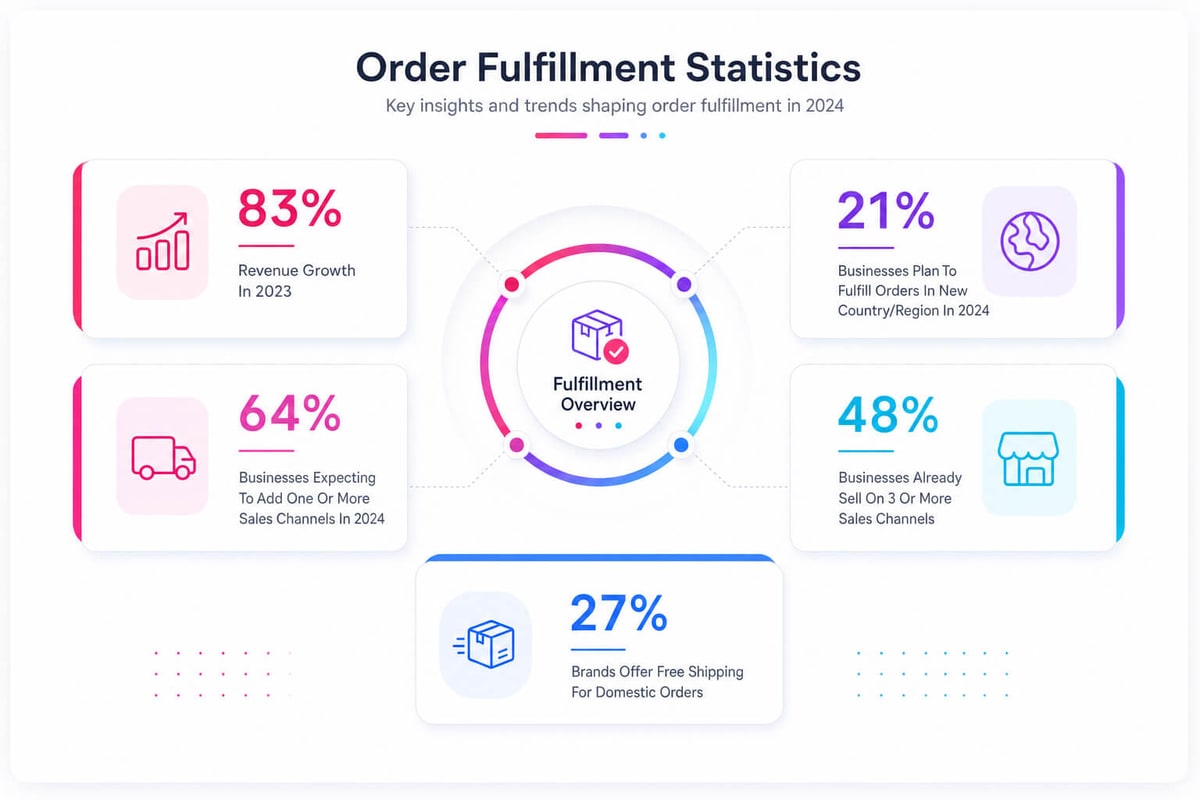
What is fulfillment in business? It covers the work between order confirmation and product arrival. For growing brands, slow packing, weak stock checks, and missed ship dates drain margin fast. The fulfillment meaning in business centers on one clear result: buyers get the right item, in good shape, on time.
So, that result depends on clean stock, clear order data, and solid carriers. Small errors create refunds, support tickets, and repeat ship costs. So the right fill system helps teams grow with no daily chaos.
Why fulfillment matters early
However, many teams treat fill as back-office work at first. But growth changes that view fast. Higher order volume shows weak pick paths and poor stock counts. Also, one missed scan can sell an item that no longer exists. The phrase what is fulfillment in business links sales promises to daily work. Strong fill gives teams room to grow. Staff pack more orders with fewer touches. Leads see stock levels before they buy more goods.
Fulfillment as a growth system
The ecommerce fulfillment definition focuses on online order flow. A buyer clicks buy, then the brand stores, picks, packs, ships, and tracks the order. Each step affects ship speed and cost. Clean systems help teams avoid manual fixes at busy times. The fulfillment services definition points to outside partners that handle this work. These partners may manage storage, labor, packing, shipping rates, and returns. For some brands, that model lowers site rent and hiring pressure. For others, in-house control protects brand standards. At its core, what is fulfillment in business asks how a brand keeps its ship date. The answer shapes cash flow, reviews, repeat orders, and team load.
What is fulfillment in business? A clear definition
A clear answer to what is fulfillment in business starts with the buyer order. Fulfillment covers the work that moves a product from storage to ship. It includes getting stock, storing goods, picking items, packing orders, shipping parcels, and handling returns. The broader fulfillment meaning in business links ops with buyer trust. A brand may sell a great product, but poor fill can cause late ships, wrong items, and lost repeat sales. Strong fill gives buyers trust that each order will arrive as promised.
How fulfillment creates business value
Furthermore, for growing brands, what fulfillment in business means goes beyond site work. It affects cash flow, labor planning, ship speed, and support volume. Each order creates data that helps teams spot stock gaps and ship delays. Also, fill shapes how a brand scales. Manual order work may work at 20 orders per day. At 500 orders per day, the same flow can create missed scans, pack errors, and support tickets.
- Clean stock records cut over-selling and stockouts
- Clear pick methods cut pack errors
- Solid carrier handoffs help orders arrive on time
- Simple returns protect buyer trust after ship
Fulfillment in business across sales channels
The ecommerce fulfillment definition focuses on online orders from checkout to door. But fulfillment also supports retail restock, bulk ships, sub boxes, and market sales. Each channel may need different packing, shipping rules, and shipping dates. The question what is fulfillment in business also covers control. Some brands manage fill in-house. Others use outside partners, which connects to the fulfillment services definition. When leads ask what is fulfillment in business, they often weigh control, cost, and speed. The right model depends on order volume, item size, ship zones, and service goals. These choices define the fulfillment business process.
Connect Shopify, draw your floor, pick an order - free plan, 7-day full trial, no credit card, no sales call.
Fulfillment meaning in business: core functions and goals
When leads ask what is fulfillment in business, they define how promises become shipped orders. Fill covers the work after a sale, from stock checks to ship confirm. It connects sales, site teams, carriers, and support. The broader fulfillment meaning in business goes past shipping a box. It measures how well a brand turns demand into clean, on-time ship. For growing teams, what is fulfillment in business often shapes cost control and buyer trust.
Core functions behind the fulfillment process
First, a solid fill flow starts with clean stock data. Teams need clear counts, item spots, and reorder points. Wrong stock data creates backlog, split ships, and avoidable refunds. Also, order work comes next. The system confirms pay, assigns stock, creates pick tasks, and preps ship data. Each handoff needs clean records as small errors move fast. Storage, pick, pack, and carrier pick form the ops center. Good pack lowers damage rates and weight-based charges. Smart carrier rules match ship speed, cost, and service level. So when teams define what is fulfillment in business, these functions form the plain answer.
Business goals that fulfillment supports
A clear model also sets business goals. In many brands, what is fulfillment in business means protecting margin, ship dates, and order clean data. Those goals help teams spot waste before it reaches buyers.
- Lower fill cost by cutting touches, storage waste, and reships
- Raise order clean data by scanning items before pack
- Cut cycle time so orders leave the site sooner
- Keep buyers informed with tracking events and clear gap notes
The ecommerce fulfillment definition focuses on online order flow. It starts when a buyer checks out and ends when the parcel arrives. A fulfillment services definition adds the scope of partners that store, pack, ship, and handle returns. Still, what is fulfillment in business stays steady across channels. Brands need a repeatable way to move goods with no hidden delays or extra cost. Growing brands often turn these goals into daily controls through order fulfillment software.
Ecommerce fulfillment definition: from cart to customer
An ecommerce fulfillment definition describes the work that starts after checkout. It connects the cart, pay confirm, stock records, pack, ship, and ship syncs. For teams asking what is fulfillment in business, ecommerce shows the flow in its most time-sensitive form.
From order data to inventory: ecommerce fulfillment definition
First, once payment clears, the store sends order data to a site system. The system confirms stock, holds the item, and creates a pick task. This link helps stop over-selling across stores, markets, and sales channels. Rising U.S. ecommerce sales have made fast order routing a core ops need. A clear fulfillment meaning in business helps teams see why clean data matters early. If item counts lag, ship dates can fail within minutes. At this stage, what is fulfillment in business becomes a question about how well teams work together. Sales, stock, and site teams need the same order status. Shared records cut manual checks and avoidable buyer emails.
From picking to customer delivery
Then, site staff pick items based on spot data and order priority. Pack teams choose the right box, inserts, and carrier label. These choices affect damage rates, ship costs, and buyer trust. A plain ecommerce fulfillment definition includes every handoff after checkout. Carrier pickup, tracking syncs, gap handling, and returns shape the final result. In this light, what is fulfillment in business points to promise control, not just shipping. Also, many growing brands compare internal flows with the fulfillment services definition from outside partners. The right model depends on order volume, item type, ship zones, and labor cap. When leads ask what is fulfillment in business, ecommerce gives a clear answer: it is the system that turns demand into a shipped order through warehouse fulfillment services.
Fulfillment services definition: what third-party providers handle
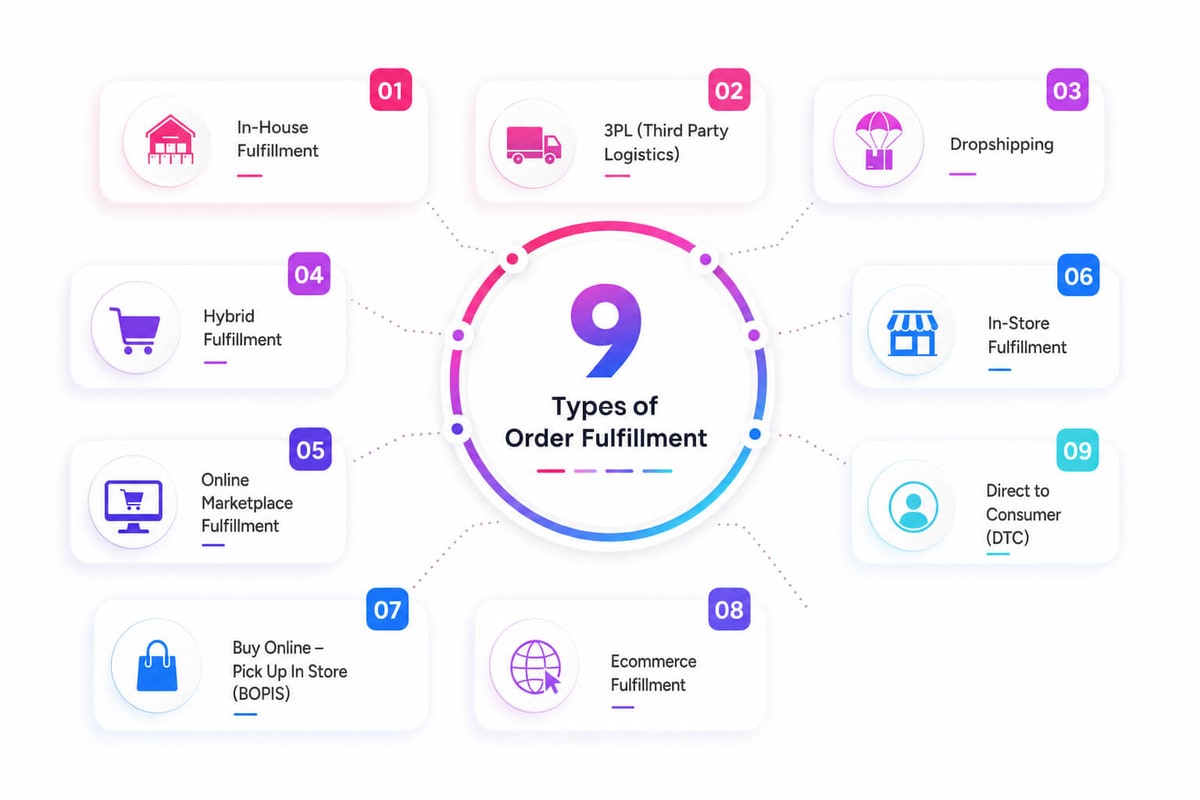
The fulfillment services definition describes outside partners that store items, process orders, pack shipments, and manage ship handoffs. For teams asking what is fulfillment in business, these partners show the ops work behind each sale. They turn a confirmed order into a tracked ship. Third-party fill partners, often called 3PLs, sit between the seller and carrier network. They get stock before buyers purchase it. When orders arrive, their systems route tasks to site staff and ship tools.
Core work handled by fulfillment services providers
Most partners manage get, storage, order pick, pack, ship, and returns. This scope gives the fulfillment meaning in business a plain shape. It connects stock control, labor planning, carrier pricing, and buyer syncs.
- Get teams to count inbound stock and flag shortages before storage
- Site systems track item spots and open stock
- Order teams pick the right items and prep parcels
- Ship tools compare carrier options and print labels
- Return teams check items and sync sellable stock
The ecommerce fulfillment definition often adds cart and market links. Orders can flow from Shopify, Amazon, or other channels into one system. That link cuts manual entry and lowers the risk of shipping errors.
Systems and carriers in the fulfillment services definition
Furthermore, a clear view of what is fulfillment in business also shows why systems matter. Fill partners use site software to track stock and order status. Also, sellers can see stock counts, shipped orders, and return work. Carrier links form another key part of the service. Partners often ship high volume across several carriers. So, that volume can help sellers access better rates and more ship options.
When leads compare what is fulfillment in business with simple shipping, the gap becomes clear. Fill services manage the full path from stored stock to buyer ship. Shipping covers only the move after a parcel leaves the site. This service model helps growing brands add capacity with no renting space or hiring site teams. For many growing brands, what is fulfillment in business becomes easier to manage through a pick and pack fulfillment center.
How the fulfillment process works: order to delivery
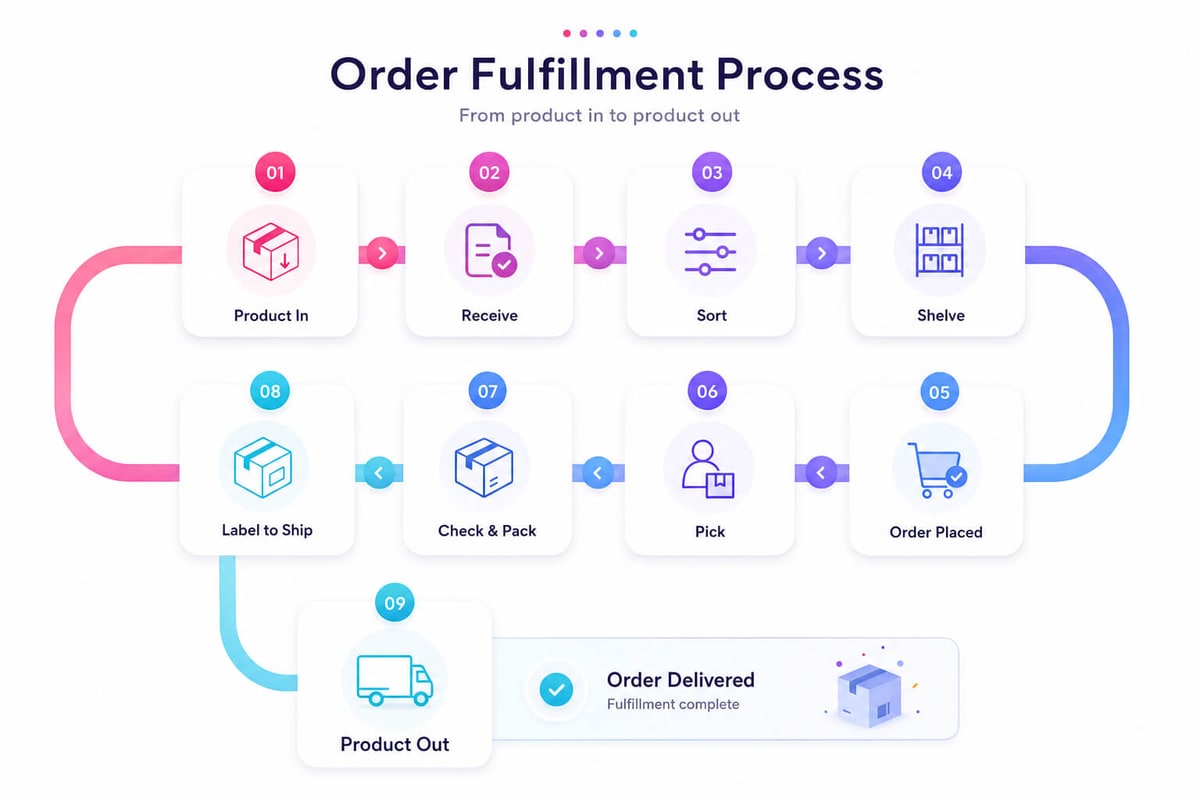
Order fill starts when a buyer places an order. At that point, what is fulfillment in business moves from definition to daily work. Each step protects revenue, stock clean data, and ship dates. The flow connects sales channels, stock records, site work, carriers, and buyer syncs. The fulfillment meaning in business centers on this handoff from buy to done ship. Strong systems cut missed orders, wrong ships, and support tickets.
Order capture and inventory checks
Once the order enters the system, the brand checks key details. A plain ecommerce fulfillment definition includes item data, pay status, ship address, and ship method.
- The sales channel sends order details to the fulfillment system
- The system checks stock against open stock
- The order gets a pick list for site staff
- The buyer gets confirm and ship date info
This early stage often shows what is fulfillment in business better than any broad definition. Poor stock counts can create backlog within minutes. Also, clean data helps teams stop refunds before they happen.
Picking, packing, shipping, and delivery
Site staff then pick the ordered items from storage. Clear bin spots cut walk time and pack delays. For growing brands, what is fulfillment in business also includes these small controls. Also, pack protects the item and shapes the buyer’s first view. Teams choose box sizes, inserts, labels, and carrier services. The right choices can lower damage rates and cut ship costs. After packing, the carrier scans the shipment into its network. So, tracking data flows back to the buyer and support team. This is why what is fulfillment in business depends on view, not speed alone.
The fulfillment services definition adds this flow when a third party handles the work. Partners may manage storage, labor, packing, shipping accounts, and returns. That model can help brands ship more orders without adding site space. Viewed end to end, what fulfillment in business means is turning demand into a full ship record. At that stage, many teams need tighter system links before they pursue ecommerce fulfillment automation. Also see automated fulfillment solutions for what comes next.
In-house vs outsourced fulfillment: key business comparisons
A useful answer to what is fulfillment in business changes as a brand grows. Small teams often pack orders in a back room. That choice protects cash and keeps item knowledge close. As volume rises, what is fulfillment in business becomes a key question. More orders create more labor, space pressure, and carrier choices. The right model depends on margin, item needs, and ship dates.
Cost and control in fulfillment in business models
In fact, in-house fill gives a brand direct control over stock and ship rules. Teams can check fragile items, add brand inserts, and adjust pack fast. This control helps brands with custom kits or high-touch orders. However, the trade-off shows in fixed costs. Rent, racking, scanners, software, and labor all need funding. Slow months still carry those costs, even when order volume drops.
Also, outsourced fulfillment turns many fixed costs into flex costs. A partner charges for get, storage, pick, pack, and ship. The fulfillment services definition usually includes these site tasks, plus return support and carrier control. For online sellers, the ecommerce fulfillment definition points to speed and clean data at scale. A partner can ship from several site spots. That can cut ship zones, lower transit times, and lower freight bills.
Service fit for fulfillment in business at each growth stage
The clearest answer to what is fulfillment in business comes from buyer goals. A brand promising two-day shipping needs different tools than a local seller. Season peaks also test whether the current setup can keep pace. Also, in-house work suits brands with steady volume and simple ops. It can also fit items that need build, check, or special handling. So, the team sees issues early and can fix flow gaps fast. For outside models, what is fulfillment in business often includes network design.
Also, third-party sites bring trained teams, ship systems, and carrier rate access. Those strengths matter when a brand enters new regions or sales channels. A strong check links cost to service quality, not only price. The fulfillment meaning in business includes the promise made after checkout. If a model protects margins and keeps orders clean, it supports growth. Many brands keep complex orders in-house and send standard orders out. So, that model suits brands that need tighter stock control across stores, markets, and omnichannel ecommerce fulfillment.
Benefits of strong fulfillment in business for customer experience and growth
Strong fill turns orders into trust. When items arrive on time, buyers feel sure to buy again. This is where what is fulfillment in business becomes more than a back-office question. It becomes a direct part of revenue quality.
Customer experience and brand trust through fulfillment in business
Buyer feel gives the clearest answer to what is fulfillment in business. Fast shipping matters, but clean data matters just as much. A late order may upset a buyer. A wrong item creates extra work and weakens trust. Also, strong systems cut pick errors, missed syncs, and avoidable support tickets. Clear status messages also lower ‘where is my order’ contacts. Returns show the same link between ops and trust. Many brands track retail return rates as each return adds ship, labor, check, and resale risk. For online sellers, the ecommerce fulfillment definition includes the full path from checkout to ship. In fact, that path shapes how buyers judge the brand. In fact, a smooth ship can make a small brand feel solid. A poor one can make a known brand feel careless.
Retention and growth signals from fulfillment in business
At scale, what is fulfillment in business also becomes a planning question. Reliable fill gives teams cleaner growth data. When delays and stock errors drop, leads can read demand more clearly. The fulfillment meaning in business also includes repeat flow. A brand that ships 200 orders well needs systems that still work at 2,000 orders. Strong flows protect service quality at season spikes and channel growth. For growing brands, that discipline turns fill from an ops question into a growth system tied to ecommerce order management.
Common fulfillment challenges in business and how to avoid them
Fill problems often appear when order volume grows faster than systems. Stock counts fall behind, pick lists get less clear, and ship dates slip. For teams asking what is fulfillment in business, these issues show why fulfillment needs structure, not guesswork. The fulfillment meaning in business goes past packing boxes. It includes the controls that keep orders clean and costs visible. Strong flows help teams spot small errors before buyers feel them.
Inventory errors and delays in fulfillment in business
In fact, stock clean data creates the base for reliable fill. When stock counts differ from system records, teams sell items they cannot ship. So, a barcode system and regular cycle counts cut these gaps. Also, order delays often start with unclear site steps. Staff may search for items, re-pack orders, or wait for carrier labels. Clear bin spots and daily order cutoffs keep work moving. The ecommerce fulfillment definition centers on moving online orders from cart to buyer. That path breaks when sales channels do not sync stock. A linked order system helps every channel show the same stock level. For growing brands, what is fulfillment in business becomes a risk question. Each missed scan or late ship can raise support tickets. Better data cuts both refunds and service load.
Cost pressure and service gaps in fulfillment business operations
In fact, fill costs rise when teams lack clear volume data. Labor, pack, storage, and ship fees can shift each month. Cost tracking by order type shows which items drain margin. Also, carrier issues can damage the buyer promise. A single carrier may work early, then fail at peak times. Also, multi-carrier rate shopping gives teams more control over price and speed. The fulfillment services definition matters when a brand considers outside support. A partner may handle storage, pick, pack, returns, and carrier booking.
The best fit depends on order volume, item type, and service needs. Furthermore, season spikes create another common challenge. However, short-term labor can help, but training gaps lead to errors. So, written pack rules and scan-based checks protect clean data during busy weeks. Furthermore, what is fulfillment in business comes down to the system that protects the buyer promise. The strongest ops link stock, labor, pack, and ship data. For many growing brands, what is fulfillment in business becomes a call about solid warehousing and shipping services. Also, see warehouse order fulfillment software to see how tech supports the fill flow.
How to choose the right fulfillment services for your business
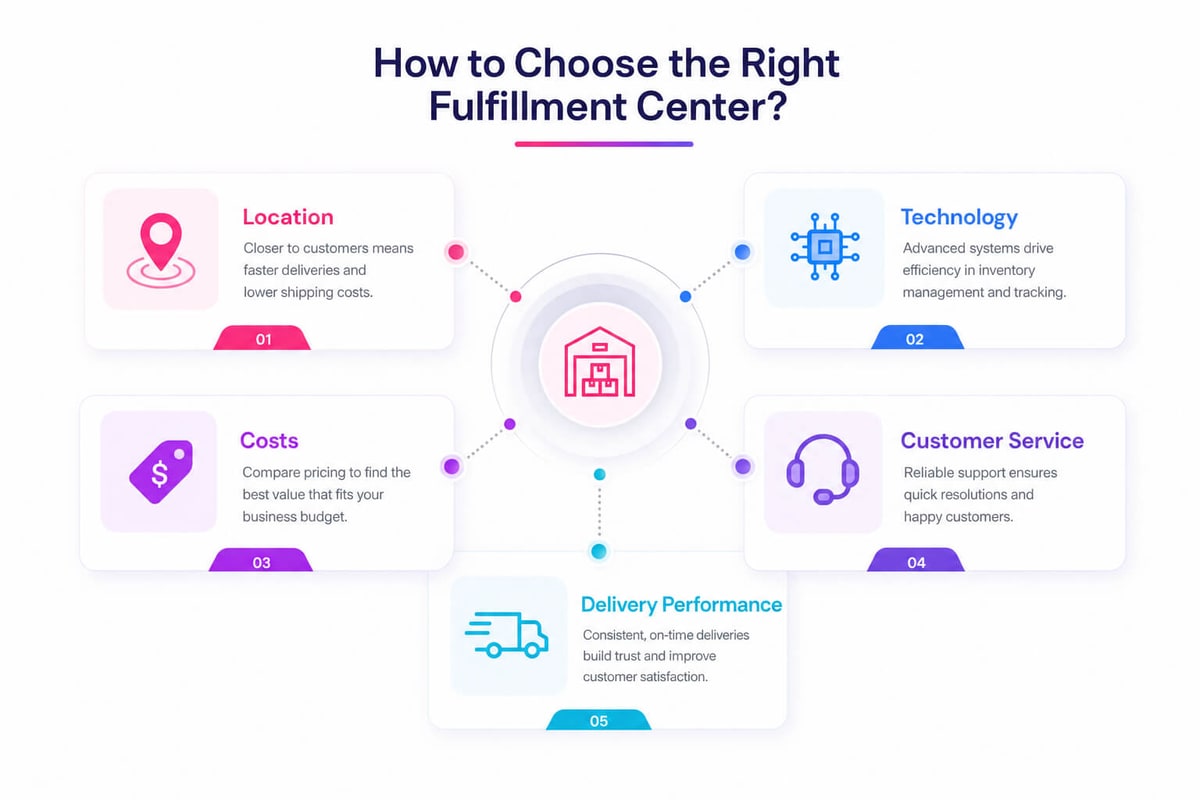
The right fill partner should match order volume, item mix, and buyer promises. A clear view of what is fulfillment in business helps teams judge services by daily results, not sales claims. Growing brands often need more than storage and shipping. They need clean stock counts, fast get, clear reports, and support at demand spikes. The call becomes easier when teams treat what is fulfillment in business as an ops question. The best partner protects margin while keeping ship dates steady.
Match fulfillment services definition to operating needs
First, the best fit starts with the work your team must hand off. The fulfillment services definition should include get, storage, pick, pack, returns, and carrier control. Also, item traits shape service needs. For example, fragile goods need tighter pack controls, while sub boxes need kit plans. Furthermore, software fit matters as much as site space. A partner that links with your store, market, and account tools cuts manual entry. Strong site flows also raise order-picking efficiency when SKU spots, barcode scans, and batch work align. For online sellers, the ecommerce fulfillment definition includes speed, stock clean data, and ship syncs. That broader view links directly to what is fulfillment in business as the service affects revenue after checkout.
Evaluate cost, control, and growth fit in fulfillment services
Pricing should show storage fees, pick fees, pack, returns, account support, and carrier charges. So, clear rate tables help finance teams compare true order cost across partners. Also, control stays a key concern when fill moves outside the brand. Strong partners share stock data, error reports, ship status, and return reasons with no delay. Furthermore, service deals should reflect real buyer goals. Same-day ship, two-day ship zones, and return times need clear cutoffs and clear targets.
The fulfillment meaning in business goes past moving goods through a site. It describes how a brand keeps its sales promise after pay. Also, brands that ask what is fulfillment in business usually need a partner that can grow with them. The right partner can handle season peaks, new channels, and higher SKU counts with no frequent system changes. A strong choice turns what is fulfillment in business into a plain call. It links cost, speed, clean data, and buyer trust in one ops model.
Conclusion
Understanding what is fulfillment in business gives growing brands a clearer way to manage orders, stock, and ship dates. Fill connects sales, site work, carrier handoffs, and buyer syncs into one ops system. When that system works well, teams ship faster, and buyers get fewer surprises.
Fulfillment in business shapes buyer trust
The fulfillment meaning in business goes past packing boxes. It shows how a brand keeps its promise after checkout. In fact, clean pick, clear stock counts, and fast ship all shape repeat buy behavior. For online sellers, the ecommerce fulfillment definition centers on moving digital orders into physical shipment. A strong flow cuts late ships, wrong items, and support tickets. Also, it gives leads better data for stock planning and carrier choices. So, that is why what is fulfillment in business matters for growth. Small flow gaps get costly when order volume rises. Solid flows protect margins while keeping service levels steady.
The right fulfillment in business model supports scale
So, some brands manage fulfillment in-house to keep direct control. Others work with partners when space, labor, or shipping demands grow. The fulfillment services definition usually includes storage, pick, pack, ship, returns, and reports. Also, in practice, what is fulfillment in business becomes a question of fit. The best model depends on order volume, item type, sales channels, and buyer spots. So, a simple cost check should include labor, storage, pack, software, freight, and error rates.
First, check current fill results before order volume strains the team. Also, compare ship times, return reasons, stock clean data, and support tickets. So, these counts show where the next flow change can create the most value. A clear answer to what is fulfillment in business helps teams make better daily calls. For the next step, explore how fill connects with ecommerce shipping logistics.
 Google AI
  OpenAI ChatGPT
 Frequently Asked Questions
What is fulfillment in business?
What is fulfillment in business refers to the process of receiving, processing, packing, and delivering customer orders. It includes inventory storage, order management, shipping, and sometimes returns handling. In simple terms, fulfillment is how a business gets products from its warehouse or supplier to the customer accurately and on time.
What is a fulfillment center in business?
A fulfillment center is a facility where products are stored, picked, packed, and shipped to customers. Businesses use fulfillment centers to manage orders more efficiently, especially when selling online. Unlike a basic warehouse, a fulfillment center focuses on fast order processing, shipping coordination, inventory tracking, and return management.
What is meant by fulfillment in business?
The fulfillment meaning in business is the complete process of completing a customer order after a sale is made. This can include locating inventory, packaging the item, arranging delivery, and confirming shipment. For service-based businesses, fulfillment may also mean delivering the promised service or meeting the agreed customer requirement.
What is self-fulfillment in business?
Self-fulfillment in business means a company handles its own order fulfillment without using a third-party provider. The business stores inventory, packs orders, ships products, and manages returns internally. This approach can offer more control and lower costs at small volumes, but it may become harder to manage as sales grow.
What is sourcing and fulfillment in a business plan?
Sourcing and fulfillment in a business plan explain how a company will obtain products and deliver them to customers. Sourcing covers finding suppliers, negotiating costs, and securing inventory. Fulfillment covers storage, order processing, packaging, shipping, and returns. Together, they show how the business will meet customer demand reliably.
What is the definition of fulfillment in business?
The fulfillment services definition usually refers to outsourced support for storing inventory, processing orders, packing items, shipping products, and handling returns. In ecommerce, the ecommerce fulfillment definition is similar, but it focuses on online orders. What is fulfillment in business can be understood as the system that turns sales into completed deliveries.
I am an eCommerce expert with a strong focus on marketplaces like Amazon, eBay, and Etsy. Over the past decade, I have helped both startups and $1M+ revenue brands scale their sales through listing optimization, marketplace SEO, and AI-driven strategies. I also share articles and insights about eCommerce growth, marketplace operations, and multichannel selling.
You may also like
How to choose an ecommerce marketplace service provider for scalable growth
Learn how an ecommerce marketplace service provider helps businesses launch, manage, and scale a profitable ecommerce marketplace. Platform choices, vendor operations, software tools, management services, costs, and practical selection tips.
Ecommerce software solutions: features, costs and how to choose
Learn how to evaluate ecommerce software solutions for online stores, marketplaces, and retail teams. Essential features, vendor comparisons, implementation tips, and practical ways to choose software that supports growth, operations, and customer experience.
Multi-carrier shipping software: features and how to compare options
How multi carrier shipping software compares rates, prints labels, tracks orders and handles returns, and which features to check before you choose one for your store.