
Ecommerce Shipping Logistics: Build Faster Delivery Operations
 Fiftify Team
·
· 16 min read
Fiftify Team
·
· 16 min read 
In fact, fast shipping now shapes how buyers rate online brands. Late orders cut trust fast. Strong ecommerce shipping logistics links checkout, stock, fill, carriers, and returns in one clean flow. Teams that get this right spend less time fixing errors and more time growing.
Also, many brands grow past their basic ship flows sooner than they plan. Order volume rises. Sales channels grow. Carrier rules shift. In fact, without clear control, teams face split shipments, high costs, and buyer complaints.
Why Shipping Now Drives Growth
Ecommerce logistics affects sales long before a parcel hits the door. In fact, ship dates affect cart turns. Clear dates cut cart exits and limit ‘where is my order’ asks. Also, solid ecommerce shipping logistics guards margins. Poor routes and weak carrier picks raise cost per order. A better flow matches each order to the right spot and rate.
Furthermore, buyer needs now include speed and clear syncs. A strong ecommerce delivery service builds trust after the buy. That trust turns one-time buyers into repeat ones.
The Role of Connected Logistics
Modern ecommerce logistics services mix storage, fill, carriers, tracking, and returns. In fact, each part works best when data flows with no lag. Stock counts, order status, and scans all need one shared view.
An ecommerce logistics platform brings that view into one place. Teams spot gaps and carrier issues faster. Also, the right ecommerce delivery partners lift scale. Local carriers cut costs in dense zones. National ones give broad reach. So strong ecommerce shipping logistics builds a ship op that grows with demand.
What Ecommerce Shipping Logistics Means for Online Brands
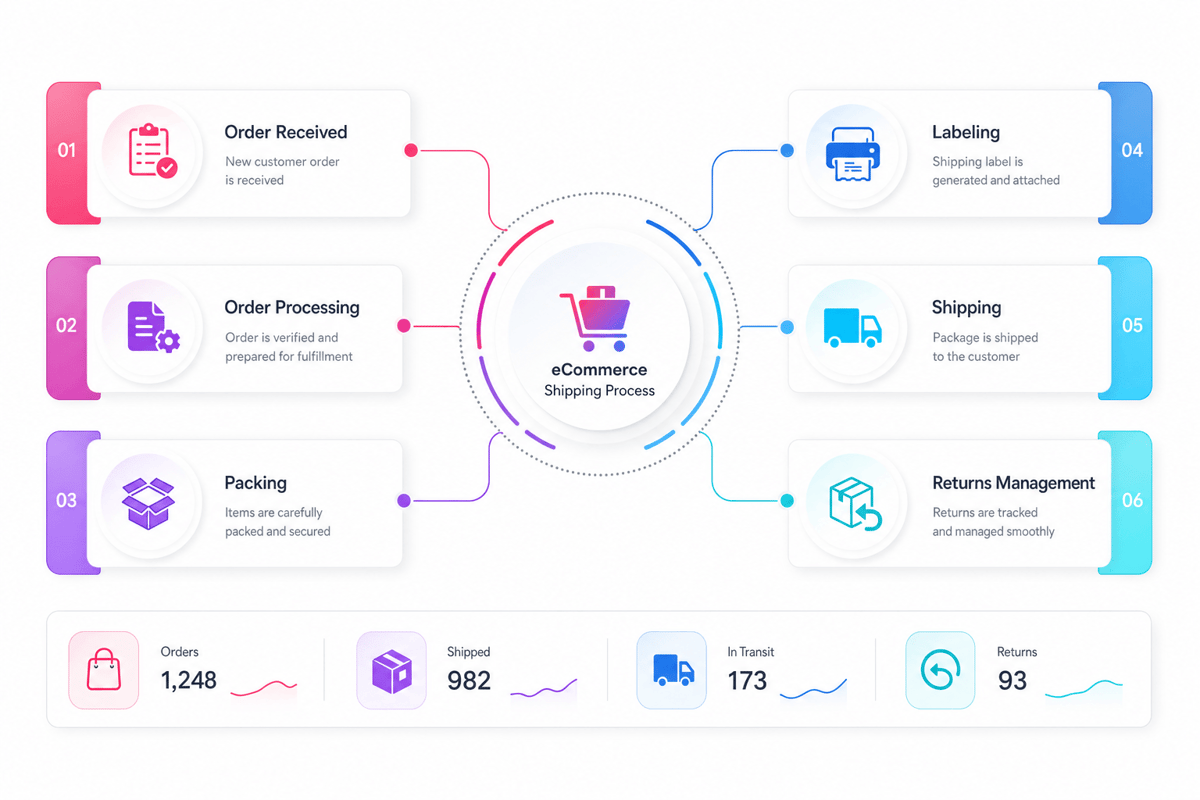
For online brands, ecommerce shipping logistics covers every move after a buyer clicks buy. It links order data, stock, packing, carrier pick, tracking, and returns. Strong flows keep these parts in sync as volume grows.
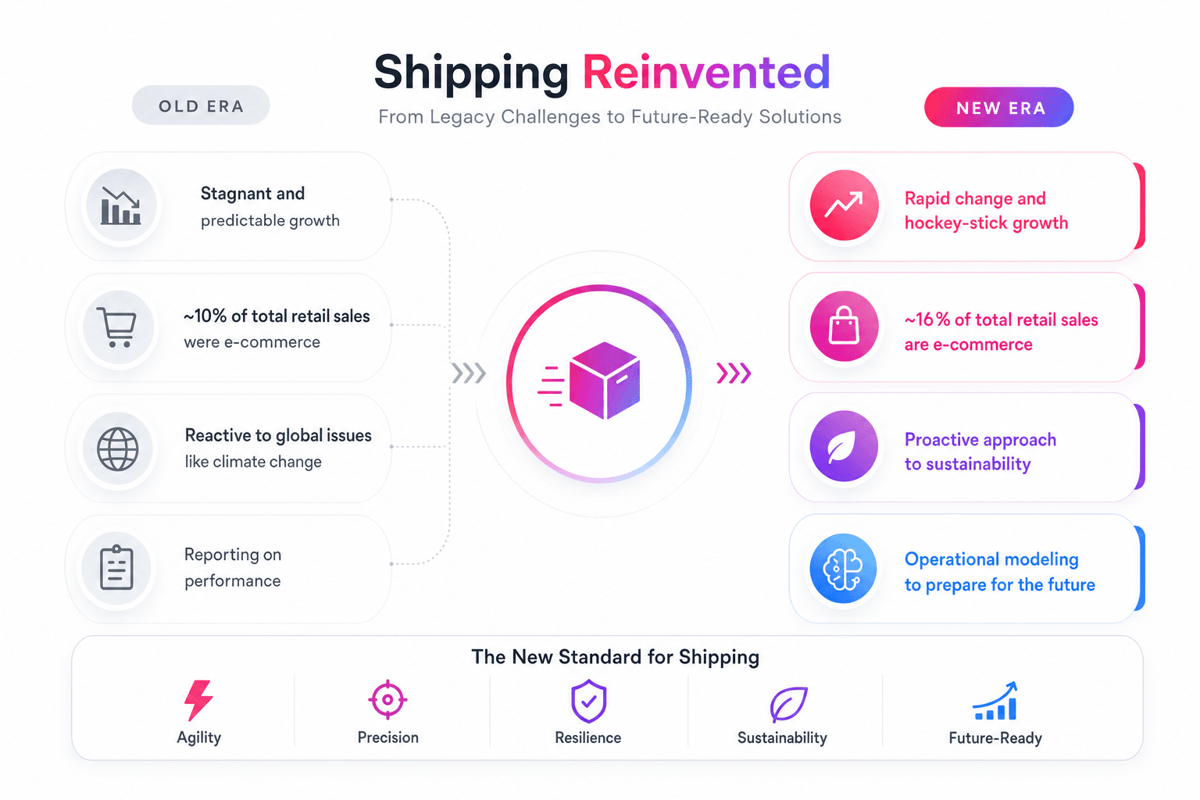
In fact, shipping no longer sits at the end of the sale. It shapes margin, repeat buys, and support work. When ship dates match real capacity, brands avoid refunds and missed needs.
From Ship Task to Ecommerce Shipping Logistics Operating System
Ecommerce shipping logistics works like an OS for post-buy work. It turns split tasks into one flow. Each handoff needs clean data and clear control. Also, a strong ecommerce logistics setup gives teams better control. Orders route from the closest stock point. Rules reflect cost, speed, and zone. Many brands reach a point where manual shipping slows growth. So ecommerce logistics solutions help set calls across every order. Shipping turns from a carrier task into a clear fulfillment business process.
What Brands Need to Control
Ecommerce shipping logistics covers more than parcel pickup. It also covers stock data, cutoff times, pack rules, and return paths. These details decide if buyers get solid service at scale.
The right ecommerce delivery service model depends on item type and buyer promise. Fragile goods need close packing. Fast items need regional fill and more carriers. Some brands work with ecommerce logistics companies to manage storage and carrier access. Others build in-house teams and link them through an ecommerce logistics platform. Both need clear data, not guesswork.
Connect Shopify, draw your floor, pick an order - free plan, 7-day full trial, no credit card, no sales call.
How Ecommerce Shipping Logistics Supports Growth
Modern growth needs ecommerce shipping logistics that link demand, stock, carriers, and ship dates. In fact, the buyer sees a date at checkout. But the brand needs many systems to agree. When the date matches real capacity, turn rates rise, and costs stay low.
Strong ecommerce logistics also turns ship into a sales tool. Clear ship choices cut cart exits. Fast brands match each order to the best open path.
Checkout Signals That Shape Delivery
Checkout sets the first ship date. A strong ecommerce logistics platform checks stock spot, carrier rates, and target before it shows ship options. This gives buyers choices the op can keep.
Also, ecommerce shipping logistics guards margin at this stage. Free shipping may work for a nearby order. The same offer may lose cash when stock ships across many zones. Teams can compare logistics performance benchmarks with carrier data to find costly gaps. Better rules then steer orders to lower-risk paths.
Fulfillment Decisions That Protect Growth
After checkout, ecommerce delivery logistics shifts from promise to run. The system routes each order to the right site and picks a carrier. These choices shape labor cost, transit time, and ship success.
Strong ecommerce logistics services also cut waste inside the store. Clean pick lists and pack rules cut rework before parcels leave. Fewer errors mean fewer refunds and fewer angry buyer emails. Also, as volume grows, manual calls break down fast. Mature ecommerce shipping logistics gives teams rules for split shipments and backorders. Those rules help brands scale without adding people for each sales spike.
Solid ecommerce delivery partners support the same growth pattern after parcels leave the dock. The full op gets easier when ecommerce shipping logistics links checkout, fill, and order fulfillment software.
Core Ecommerce Logistics Services to Evaluate
Strong services turn online demand into orders that land correctly. Ecommerce shipping logistics covers the work between stock receipt and final ship. Brands compare these services by cost, speed, and peak-season support.
Fulfillment and Inventory Services
Storage, stock control, picking, and packing form the base. A mature ecommerce logistics setup gives each SKU a clear spot. That cuts bad picks and shortens the time from order to dispatch.
The right ecommerce logistics services also guard margin. Poor getting creates stock gaps and late orders. Clean stock records help teams promise ship dates with more trust.
- Getting workflows match inbound stock to buy orders
- Stock tracking shows open, held, and damaged stock
- Pick and pack services prep orders for carrier handoff
- Kitting services bundle products before sale or shipment
These services matter most when volume shifts fast. Ecommerce shipping logistics needs clean stock data before labels print. Also, a weak warehouse delays even the best carrier network. For more on strong store setup, see the guide to warehouse management meaning and systems.
Shipping, Delivery, and Returns
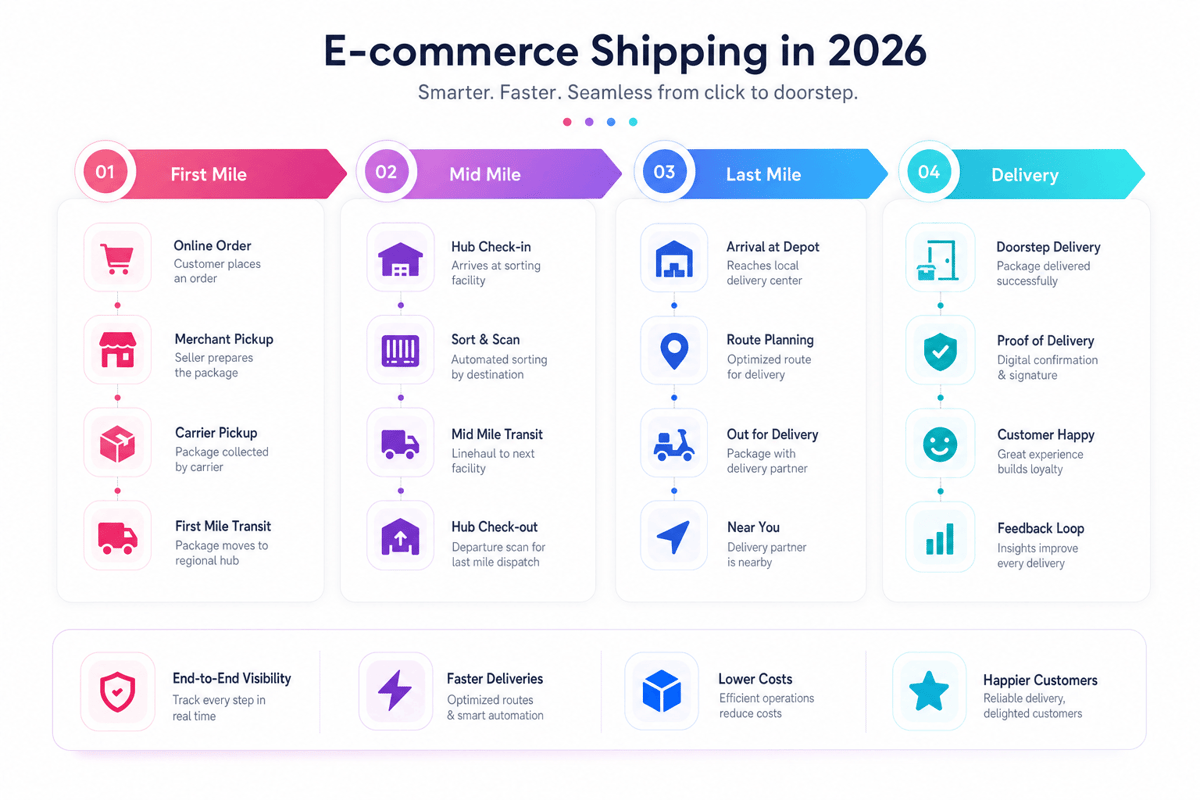
Carrier control shapes ship cost, speed, and reach. Many brands work with ecommerce delivery companies for regional reach. Others use ecommerce delivery partners to add same-day or next-day options. Also, a strong ecommerce delivery service balances promise dates with real capacity. Rate shopping cuts parcel costs across carriers. Ship tracking cuts support tickets.
Returns deserve the same care as outbound shipping. Clear return flows help teams check goods and restock items. Strong ecommerce delivery logistics cuts refund delays. When brands compare ecommerce logistics companies, service depth matters more than size. The strongest ecommerce logistics solutions link storage, shipping, tracking, and returns in one flow. Brands that connect these early build a stronger base for ecommerce fulfillment automation.
Comparing Ecommerce Logistics Companies and Delivery Partners
Brands often compare ecommerce logistics companies and ecommerce delivery companies as if they serve the same role. The gap matters. A logistics firm may manage stock, fill, returns, and carrier routing. A delivery firm handles the final move to the buyer.
So, the right choice depends on where gaps appear. Slow pick times point toward broader ecommerce logistics services. Late arrivals may signal weak carrier coverage or poor routing.
Service Scope and Ecommerce Shipping Logistics Control
Ecommerce logistics companies often manage the full flow from stock receipt to outbound shipping. Their work may include storage, pick, pack, label creation, and returns. This gives brands tighter control over ecommerce shipping logistics across many sales channels.
Ecommerce delivery companies focus more on transport speed, ship zones, and carrier networks. Also, their value rises when buyers need fast local shipping or flexible arrival windows.
- A broad ecommerce logistics platform helps teams view stock, orders, and carrier results in one place
- Strong ecommerce delivery logistics can cut failed ship tries and missed windows
- The best ecommerce logistics solutions link fill speed with solid carrier handoffs
Cost, Speed, and Brand Fit
Cost checks should go past the quoted ship rate. Storage fees, pick fees, and return charges all change total spend. A cheap ecommerce delivery service may still raise costs if delays drive refunds. Also, speed depends on stock placement. Local fill centers shorten transit zones. This makes ecommerce shipping logistics more stable during peak demand.
Furthermore, brand fit comes from service rules and issue handling. Strong ecommerce delivery partners share clear data when shipments stall. Brands gain more control when the partner mix links carrier results with warehousing and shipping services.
Choosing Ecommerce Delivery Partners for Speed and Reliability
Solid ecommerce delivery partners shape how fast orders reach buyers. They also affect refund rates and repeat sales. For ecommerce shipping logistics, partner choice sets the balance between speed, cost, and reliability. Fast shipping rarely comes from one carrier. When quarterly ecommerce growth spikes, a mixed carrier network guards ship dates.
Match Carrier Capacity to Service Levels
A good partner can keep the service levels shown at checkout. That means clear cutoff times and zone-level transit data. In ecommerce shipping logistics, these details matter more than broad ship claims.
- On-time ship rates by zone and service type
- Average scan gaps between pickup, sort, and final ship
- Claims reply times for loss, damage, and late ship
- Cap rules for peak weeks and flash-sale volume
The same check should cover buyer fit. Some items need set ship or cold-chain handling. The right ecommerce delivery service matches the promise, not only the parcel size.
Balance Cost With Control in Ecommerce Shipping Logistics
However, low rates can hide weak results. Failed first tries, long gaps, and slow claims add real cost. Strong ecommerce delivery logistics weighs invoice price against total order impact. Also, tech affects partner fit. An ecommerce logistics platform helps route orders by cost, speed, and risk. It can shift volume when a carrier misses targets. Service deals should define more than base rates. Clear terms for surcharges and fuel charges cut billing fights. Mature ecommerce shipping logistics links ship choices to fill cap and warehouse fulfillment services.
Ecommerce Logistics Solutions for Inventory, Fulfillment, and Returns
Strong ecommerce logistics solutions link stock control, fill, and returns. These areas shape ship speed, margin, and buyer trust. In ecommerce shipping logistics, each function needs clean data and clear handoffs. In fact, stock errors often make the most costly shipping issues. A missing stock sync can trigger a late order or a cancel. Better ecommerce logistics systems cut those gaps before checkout.
Inventory Accuracy and Fulfillment Flow
A stock system tracks stock across bins, spots, and channels. This gives teams a live view of sellable stock. Within ecommerce shipping logistics, that view helps stop over-sell and split shipments. Also, fill speed depends on how orders move through the store. Smart slotting places fast items near packing stations. Batch picking and barcode scans help teams ship more orders with fewer errors.
The right ecommerce logistics services also help demand planning. Also, seasonal sales and promos change stock needs. Clear forecasts help brands place stock closer to their buyers. Furthermore, strong warehouse ops start with clean basics. For tips on cutting costs and speeding fill, see our guide to warehouse optimization.
Returns and Inventory Recovery
Returns affect cash flow, store space, and stock status. A good return flow moves items through checkout fast. In ecommerce shipping logistics, this helps brands recover resale value sooner. Also, return rules should match item type and margin. Also, many ecommerce logistics companies now include returns data in dashboards. This shows why buyers send items back. Brands can then spot sizing issues or weak item write-ups.
A connected ecommerce logistics platform gives teams one source of truth. It links stock status, order progress, and return outcomes. The best setup fits item size, order patterns, and buyer promises. A brand can then match volume, SKU mix, and service goals to the right pick and pack fulfillment center.
How an Ecommerce Logistics Platform Improves Visibility
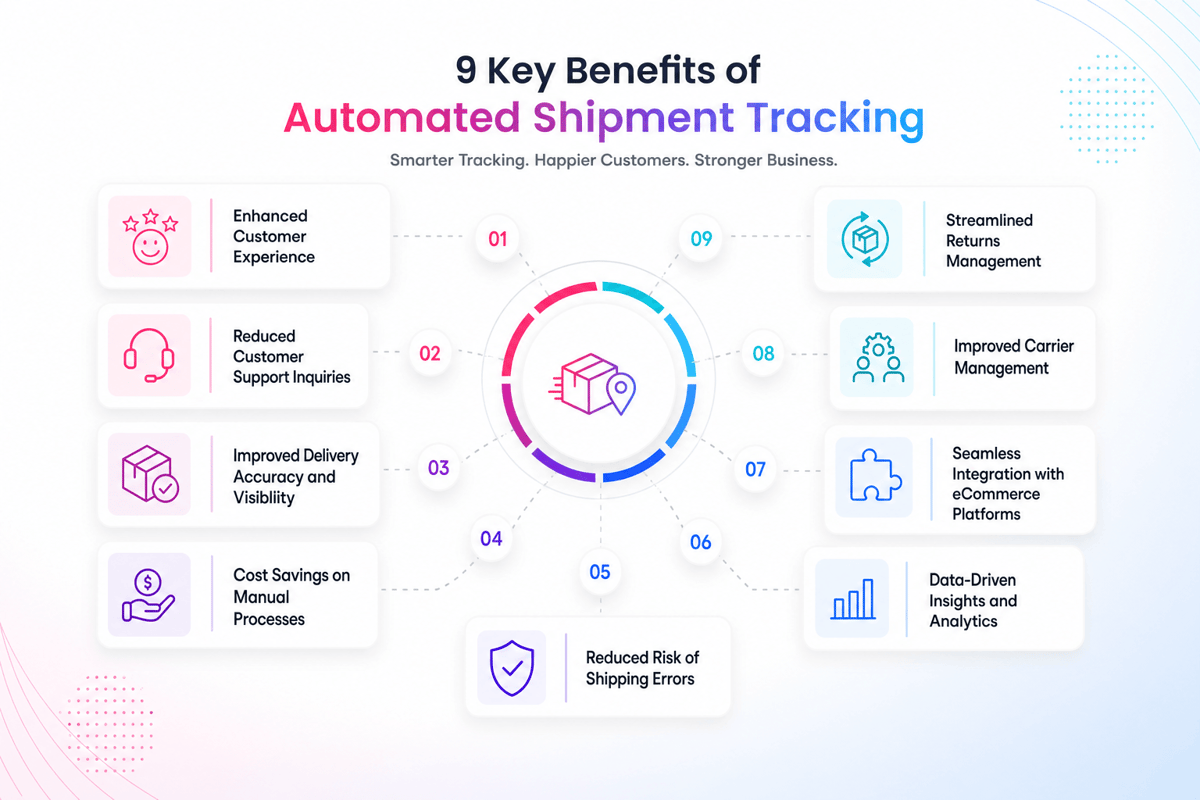
An ecommerce logistics platform gives teams one place to track orders, stock, carriers, and returns. That shared view removes blind spots across ecommerce shipping logistics. Teams see delays sooner and act before buyers ask for updates. But manual tracking often hides problems until they get costly. A linked platform shows order status, stock levels, and gap alerts in real time.
Real-Time Data Across Operations
Modern ecommerce logistics needs fast, clean data. A platform links storefronts, warehouses, carriers, and service tools. Each team works from the same order record. This cuts errors and repeated work. Also, stock counts sync as items move through pick, pack, and shipping. Better data helps teams stop over-sell and avoid late fill.
Carrier data also strengthens ecommerce shipping logistics. Teams can compare scan times, delays, and surcharge trends. Clear reports show which ecommerce delivery partners meet service goals by region.
Control Over Cost and Service
A strong platform turns daily logistics work into clear calls. Teams route orders by cost, carrier cap, and ship date. That control guards margins without slowing the ecommerce delivery service. Many brands also use platform rules to cut manual checks. High-value orders need extra checks. Low-risk orders move faster. These rules help ecommerce logistics services stay steady during peak demand. Also, returns control gains from the same setup. A platform can track return reasons and restock progress. For growing teams, that control often starts with logistics management software solutions.
Optimizing Ecommerce Delivery Service Performance
Strong ecommerce shipping logistics links ship speed with buyer trust. Each order makes a promise. The ship network must keep it. A solid ecommerce delivery service needs clean data, clear carrier rules, and fast gap handling. When teams see delays early, they can guard margin and cut support tickets.
Delivery Promises and Carrier Control in Ecommerce Shipping Logistics
In fact, clean ship dates start before checkout. A strong ecommerce logistics platform can match stock spot, carrier cutoff times, and ZIP codes in real time. Also, ecommerce shipping logistics needs clear rules for carrier pick. Some lanes need speed. Others need lower cost or better scan rates. Smart routing cuts late ships without raising every ship fee. For example, useful measures include first-try ship rate, on-time scan rate, and cost per delivered order.
Customer Communication and Recovery
In fact, buyers judge ship quality by what they can see. Branded track pages and clear return options cut ‘where is my order’ contacts. Ecommerce delivery partners play a direct role in that feel. Their scan grade and claims flow shape how buyers view the brand. Also, gap workflows keep small ship issues from becoming refunds. A missed scan can trigger a support note. A stalled shipment can prompt a swap check. The best ecommerce logistics solutions link service data with daily action. Brands gain a stronger ship base when ecommerce shipping logistics data connects with third-party warehouse management.
Common Ecommerce Delivery Logistics Challenges and Fixes
Ship problems often start before a parcel reaches a carrier. Weak stock data, late picking, and poor routing all affect ecommerce shipping logistics. Each issue adds cost and raises the risk of missed promises. Most failures fall into clear groups: stock gaps, slow fill, poor carrier fit, and limited tracking. Strong ecommerce delivery logistics turns those issues into managed signals.
Demand Swings and Inventory Gaps in Ecommerce Shipping Logistics
Promos, holidays, and social traffic can shift demand in hours. An ecommerce logistics platform gives planners a live view of stock and order flow. When stock counts lag, teams sell items they cannot ship on time. Also, clean stock depends on good getting, regular counts, and clear bin rules. A warehouse automation strategy supports faster scans and cleaner data. Those controls help ecommerce logistics services keep same-day cutoffs real.
- Real-time stock feeds cut over-sell across sales channels
- Safety stock for fast movers guards peak-period service levels
- Clear reorder points stop rushed freight and split shipments
So, these fixes make ecommerce shipping logistics less reactive during busy periods. Teams can plan labor, packing, and carrier pickups with more trust.
Carrier Delays and Cost Pressure
In fact, carrier issues create the most visible ship failures. Rates change. Zones expand. Service claims vary by lane. Strong ecommerce delivery partners match ship rules to real transit data. In fact, one carrier rarely fits every order. Regional ecommerce delivery companies often beat big networks on local lanes. Big carriers may perform better for rural coverage and bulky items.
Routing rules should weigh promised date, parcel size, and margin. A rules-based ecommerce delivery service picks the best option before label creation. That approach keeps ecommerce shipping logistics in line with buyer promises. Also, returns strain budgets and store space. Clear return reasons show whether damage, sizing, or late shipping drives refunds. The best ecommerce logistics solutions link return trends to packing, picking, and carrier choices. Solid recovery plans guard brand trust when orders miss deadlines. Over time, better data helps ecommerce logistics companies improve carrier scorecards. The main goal is a system that spots risk early and responds fast.
Conclusion
Ecommerce shipping logistics shapes the full post-buy journey. It links stock, fill, carrier choice, ship syncs, and returns in one system. When these parts work together, buyers get orders faster, and teams avoid costly manual work.
Strong ecommerce logistics also guards margin. Clear service levels help brands choose the right ship speed, store model, and carrier mix. The best results come from data, steady flows, and partners who meet promised cutoffs.
What Strong Ecommerce Shipping Logistics Operations Create
Solid ecommerce logistics services cut late orders, split shipments, and support tickets. A modern ecommerce logistics platform gives teams live data across stock, orders, and carrier status. That view helps managers fix problems before buyers ask for help. The right mix of ecommerce logistics solutions depends on order volume, item size, ship zones, and return rates. For example, some brands need regional fill to cut transit time. Others gain more from better stock rules and faster gap handling.
Your Next Step
A plain ecommerce shipping logistics check should start with current results. Brands can compare cost per shipment, on-time ship rate, and return cycle time. These counts show where ecommerce shipping logistics creates the most gain. Strong ecommerce delivery partners and qualified ecommerce logistics companies can then support the right service model. The goal is not the lowest rate on every parcel. The stronger target is a dependable ecommerce delivery service that guards buyer trust. Ecommerce shipping logistics works best as a measured, connected system.
 Google AI
  OpenAI ChatGPT
 Frequently Asked Questions
How do you choose the right logistics company for ecommerce shipping?
Choose a provider with proven ecommerce logistics experience, reliable delivery coverage, transparent pricing, and strong technology integrations. The best ecommerce logistics companies offer real-time tracking, flexible fulfillment options, and clear service-level agreements. Compare delivery speed, return handling, customer support, and scalability before signing a contract.
How can ecommerce brands reduce shipping costs through logistics partnerships?
Ecommerce brands can reduce costs by working with ecommerce delivery partners that offer bulk shipping rates, regional warehousing, and optimized carrier selection. A strong ecommerce shipping logistics strategy also includes packaging optimization, inventory placement near customers, and automated rate shopping through an ecommerce logistics platform.
How do ecommerce platforms support dropshipping shipping logistics?
Ecommerce platforms support dropshipping by connecting stores with suppliers, carriers, and ecommerce logistics services through apps or integrations. These tools automate order routing, tracking updates, and inventory synchronization. This helps merchants manage ecommerce delivery logistics without owning warehouses or handling products directly.
What should you look for in ecommerce logistics solutions?
Look for ecommerce logistics solutions that support fast fulfillment, accurate inventory management, easy returns, and multi-carrier shipping. The right solution should integrate with your store, marketplace, and accounting tools. It should also provide reporting so you can monitor delivery performance, costs, and customer satisfaction.
How can businesses handle international ecommerce shipping effectively?
International shipping requires clear customs documentation, accurate duties and taxes, and dependable ecommerce delivery companies with cross-border experience. Effective ecommerce shipping logistics also includes localized delivery options, transparent delivery timelines, and return processes that reduce friction for global customers.
Why is a reliable ecommerce delivery service important for customer experience?
A reliable ecommerce delivery service helps ensure orders arrive on time, tracking is accurate, and customers know what to expect. Strong ecommerce logistics improves trust, reduces support requests, and encourages repeat purchases. Delivery performance often has a direct impact on reviews, retention, and brand reputation.
Sync inventory in real time, manage orders, and run warehouse operations across Amazon, eBay, Etsy, Shopify, and other sales channels. From barcode scanning to organized storage and faster fulfillment, Fiftify helps reduce errors, prevent overselling, and support business growth. Explore our articles for insights on warehouse management, inventory control, and multichannel operations.
You may also like

Inventory Management Solutions: How to Choose a System for Growth
Growth breaks weak stock habits fast. Counts drift, restock calls are slow, and missed syncs spread across channels. Strong inventory management solutions give teams…
Ecommerce warehouse management system: how to choose one for growth
Fast growth can strain a warehouse before leaders see the warning signs. Orders rise, stock moves faster, and small errors start to spread across…

Warehouse Efficiency Tips: Practical Ways to Improve Productivity
Small delays in a warehouse quickly turn into late shipments. Warehouse efficiency tips help cut extra touches that raise labor costs and slow the…