
Retail supply chain management software: features and use cases
 Emily Carter
·
· 15 min read
Emily Carter
·
· 15 min read
Retail supply chains now decide how fast stores sell, fill, and restock. When stock data lags, teams overbuy slow items and miss demand spikes. Retail supply chain management software links those calls across stores, warehouses, vendors, and shipping partners in one shared view.
The push keeps rising as buyers expect clean stock and fast shipping. A single missed signal can cause empty shelves, split shipments, or higher freight costs. A strong retail supply chain software gives teams the shared view they need to act sooner.
Why retail supply chains need better tools
From reactive control to smarter retail decisions
Many retailers still rely on spreadsheets, emails, and split tools. That setup slows calls and hides problems until they affect sales. Retail supply chain management software provides a working view for daily planning.
Retail supply chain automation software can cut out repeat manual tasks from stock planning. For example, it can trigger a restock when stock drops below set levels. Teams spend less time chasing syncs and more time reviewing gaps. As retail networks grow, basic tools struggle to keep pace. The best supply chain management solutions for retailers help teams move faster with fewer errors. Better data supports fewer stockouts, lower holding costs, and faster fill.
What is retail supply chain management software?
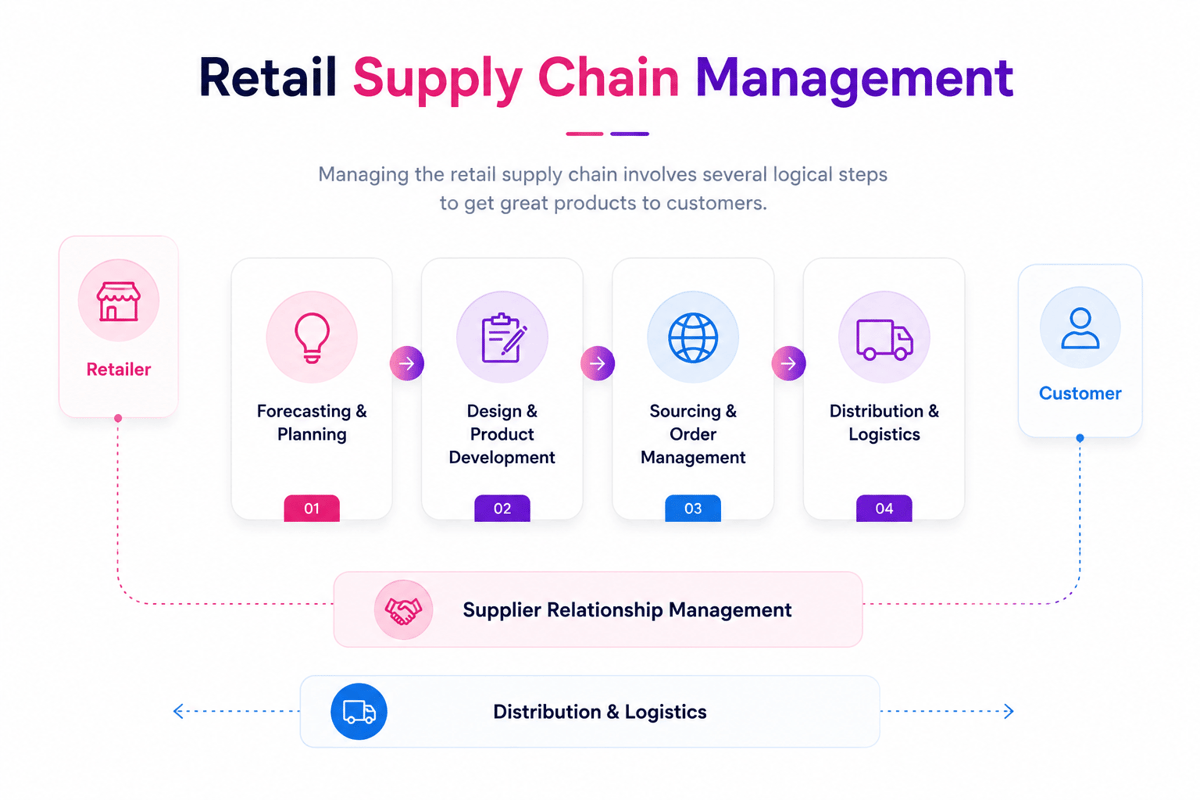
Retail supply chain management software links the systems that move products from vendors to buyers. It brings buying, stock, warehousing, fill, and ship data into one working view.
Retailers use the software to see demand, stock levels, orders, and shipments in near real time. That view helps teams cut stockouts, skip excess stock, and react faster when plans change. Also, it gives managers a cleaner picture before making costly buy calls.
Core role in retail operations
Retail supply chain management software acts as the control layer across retail ops. It links store demand, ecommerce orders, vendor work, and warehouse output. Traditional sheets tend to create delays and version fights. In contrast, a linked platform gives planners, buyers, and logistics teams the same data source.
Many platforms combine planning and run tools. For example, retail supply chain software may help with demand forecasts, restock rules, buy orders, and shipment tracking. Furthermore, they tend to include reporting and alert tools that help managers see risk before it hits shelves.
How the software connects retail workflows
Retail SCM software helps retailers line up calls across teams. Merch can see which items need restocking, while warehouse teams can prep labor and space. Retail logistics software tends to form part of the same system. It tracks carrier speed, ship status, freight costs, and service gaps.
Some platforms include retail supply chain automation software for repeat tasks. The system can trigger reorder alerts, route orders, and flag late shipments. Also, retail supply chain management software helps improve vendor performance. Shared forecasts, order syncs, and ship dates cut manual follow-ups. The strongest supply chain management solutions for retailers link planning with daily operations. For that reason, many retailers treat the platform as the base for connected supply chain management tools.
Connect Shopify, draw your floor, pick an order - free plan, 7-day full trial, no credit card, no sales call.
Why retail supply chain software matters for modern retailers
Retailers now manage demand across stores, sites, markets, and apps. Each channel makes new stock signals, ship promises, and vendor tasks. Retail supply chain management software gives teams one working view across those moving parts. It helps buyers, planners, warehouse teams, and store staff work from the same data.
Demand shifts and margin pressure
Demand moves faster than manual planning cycles can track. Weather, promos, social trends, and local events can change sales within hours. Retail supply chain software helps retailers spot those shifts sooner. Teams can fix restock before stockouts spread across key spots.
Margins also depend on better control of stock moves. Overstock ties up cash, while late restock leads to missed sales. Retail supply chain management software helps balance those risks with clearer forecasts and stock data. So teams can act faster when conditions shift.
Connected data for faster retail decisions
Many retailers still depend on split systems for buying, warehousing, transport, and stores. Those gaps slow calls and hide problems until costs rise. Retail SCM software links orders, stock, vendor syncs, and ship status. Teams can see where delays start and react before buyers feel the impact.
The same view helps retail leaders protect service levels. Retail logistics software shows how goods move from vendors to stores or buyers. Clear ship data helps teams cut split shipments and skip extra freight costs. Also, retail supply chain automation software cuts routine manual work. The system can flag low stock, match orders to demand, and route tasks to the right team. In practice, retail supply chain management software turns split work into a shared model. These gains build a stronger base for store restock, split, and retail store inventory solutions.
Key features of retail supply chain management software
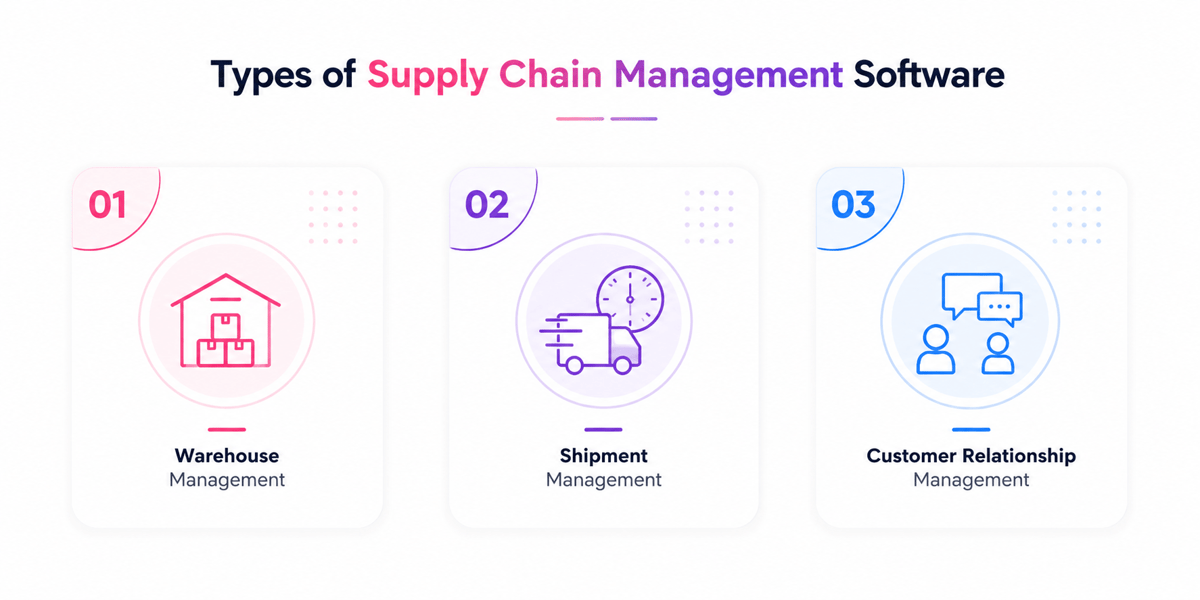
Retail supply chain management software links stock, buying, warehousing, and shipping data in one system. Strong tools give teams a shared view of stock, demand, vendor status, and order moves. The best platforms help with daily calls, not just reports. They help retailers spot gaps early, fix restock, and cut manual checks across stores, warehouses, and vendors.
Inventory view and demand planning in retail supply chain software
Real-time stock tracking sits at the center of retail supply chain management software. Teams can see open stock, held stock, inbound shipments, and low-stock risks before they affect sales. Demand planning tools compare sales history, season, promos, and store trends. This helps buyers order the right amount, rather than reacting after shelves go empty.
- Stock alerts that flag shortfalls before orders fail
- Forecast tools that help with store and warehouse planning
- Restock rules based on sales speed and lead times
- Stock reports that show slow-moving and aging items
Also, retail supply chain software helps better split. A retailer can shift stock toward high-demand spots and skip excess goods in slower stores. That balance lifts sell-through and cuts holding costs. For a wider view of the best stock tracking tools, see the best inventory tracking software for 2025.
Vendor, fill, and gap control
Vendor management features track buy orders, lead times, ship status, and vendor speed. With retail supply chain management software, teams can compare promised dates against actual ship patterns. Fill tools link orders with the best stock spot. Retail logistics software can route orders from stores, warehouses, or third-party partners based on cost, speed, and item open status.
Gap alerts play a key role in daily control. Delayed shipments, missed order cutoffs, stock mismatches, and carrier issues surface before they spread. Automation makes these features more useful at scale. Retail supply chain automation software can trigger reorder points, assign tasks, sync ship status, and cut repeat data entry. Furthermore, strong supply chain management solutions for retailers bring these features into one workflow. The strongest retail supply chain management software give retailers the control needed for clean multi-channel inventory management.
How retail logistics software improves fulfillment and delivery
Fast fill starts with clean order and stock data. Retail logistics software links orders, stock, carriers, and warehouse tasks in one flow. When it works inside retail supply chain management software, teams can promise ship dates with more trust. Retailers tend to lose time when store, warehouse, and carrier systems work apart. Staff may check stock twice, retype ship details, or miss carrier cutoffs. In contrast, retail supply chain software cuts those gaps and keeps orders moving.
Smarter order routing with retail supply chain management software
Order routing decides where each order should ship from. Retail supply chain management software checks stock, distance, labor output, and shipping cost. The system can then send the order to the best store or warehouse. This cuts split shipments and late shipments. It also protects store stock needed for walk-in buyers.
Retail SCM software gives teams a clear view of order status. Store staff, warehouse teams, and help teams see the same record. That shared view helps teams answer ship questions faster. Also, the same retail supply chain management software can pause an order when the stock data looks wrong. So teams avoid committing to dates they cannot meet.
Carrier view and ship control
Ship speed depends on carrier choice after picking and packing. Retail logistics software checks rates, service levels, and cutoff times. It can select the lowest-cost carrier that still meets the ship’s promise.
- Carrier tracking syncs help teams handle buyer questions
- Gap alerts flag stalled packages before buyers complain
- Ship data shows which carriers miss promised dates the most tend to
Also, retail supply chain automation software cuts manual shipping steps. Teams spend less time printing labels, checking rates, and updating orders. Those time savings matter most when peak sales periods hit. Strong supply chain management solutions for retailers link ship data with stock planning. For retailers with stores, warehouses, and online channels, the strongest gains come when shipping workflows link with multi-location inventory management software.
Benefits of retail supply chain automation software
Retail supply chain automation software turns repeat work into set workflows. It tracks stock, orders, shipments, and gaps across channels. When rules handle routine calls, teams focus on issues that need judgment. Automation also gives retail supply chain management software a stronger role. The system links demand signals, buy orders, warehouse work, and ship status. Retailers gain faster handoffs and fewer gaps across teams.
Faster retail calls with cleaner data
Manual supply chain work tends to result in late syncs and mismatched records. Automated workflows capture events as they happen. Store teams, planners, and buyers see the same counts before stockouts spread. Retail supply chain management software can flag low stock, vendor delays, and routing changes. The alert reaches the right owner with useful context. That setup cuts email threads and stops missed handoffs.
Clean data also helps better restock across fast- and slow-moving items. A retailer can set reorder rules by margin, demand, and lead time. Retail supply chain management software then applies those rules at scale. So teams stop guessing and start acting on live signals. For more on how to lift stock efficiency, see our guide on inventory optimization techniques.
Lower costs across retail fulfillment
Automation cuts labor spent on repeat checks and order reviews. Retail logistics software can select carriers, print labels, and sync tracking data. Warehouse staff move more orders without adding headcount.
- Order routing sends each sale to the best spot for cost and speed
- Gap alerts surface vendor delays before stores face empty shelves
- Auto invoice matching cuts payment errors and dispute time
Those gains grow when retail SCM software shares data across stores, warehouses, and vendors. A promo can trigger restock signals before demand peaks. Returns can move back into sellable stock faster. The strongest supply chain management solutions for retailers also cut risk. Role-based approvals, audit trails, and rule checks catch errors early. For growing brands, automation makes a base that scales. Retail supply chain management software help more channels, spots, and vendors with less manual work.
Retail SCM software use cases across inventory, stores, and vendors
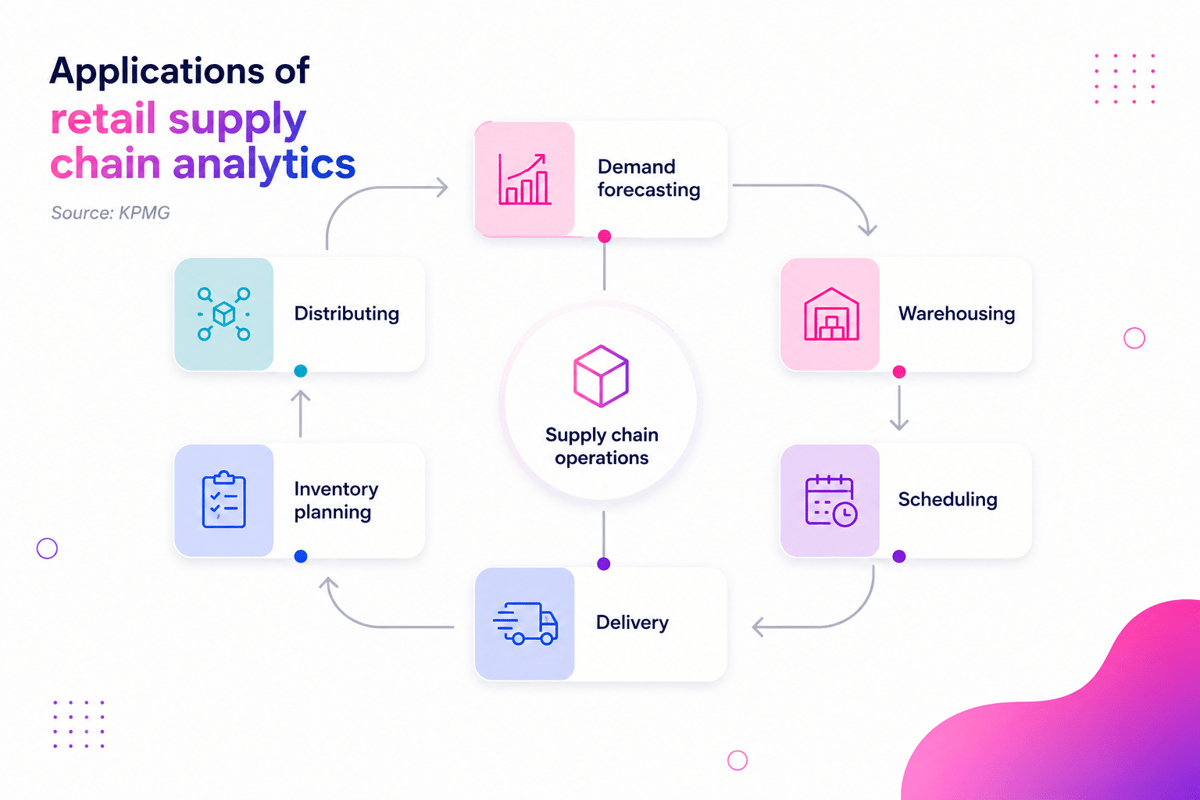
Retailers tend to lose margin when stock, store, and vendor data sit apart. Retail supply chain management software brings these signals into one working view. Planners see where stock sits, what sells fastest, and which vendors lag. That shared view helps make calls faster without adding manual checks.
Stock planning and restocking with retail supply chain software
At the stock level, retail SCM software helps teams balance stock across channels. The system checks sales trends, safety stock, lead times, and season. Buyers can spot slow movers before markdowns become the only option.
Also, retail supply chain management software helps with smarter restocking. When demand rises in one region, the system can flag nearby stock. Teams can move goods before placing new buy orders. This cuts excess stock while reducing lost sales. Many retailers use retail supply chain automation software to cut manual sheet work. Auto alerts can show low stock, delayed inbound goods, or demand spikes. So staff spend less time checking files and more time solving gaps.
Store and vendor work
Store teams need clear supply data before they can act. Retail supply chain management software show incoming shipments, transfer status, and stock gaps. Managers can plan labor around ship windows and shelf needs. Vendor use cases focus on timing, quality, and accountability. Retail logistics software tracks buy orders, carrier syncs, and receipt data. Vendor scorecards can show late shipments, short fills, and repeat item issues.
Furthermore, retail supply chain management software gives merchants and vendors the same facts. That cuts email threads and shortens dispute cycles. It also helps teams agree on ship dates, fill rates, and demand changes. Many retailers link these workflows with retail inventory software to keep daily stock work in sync.
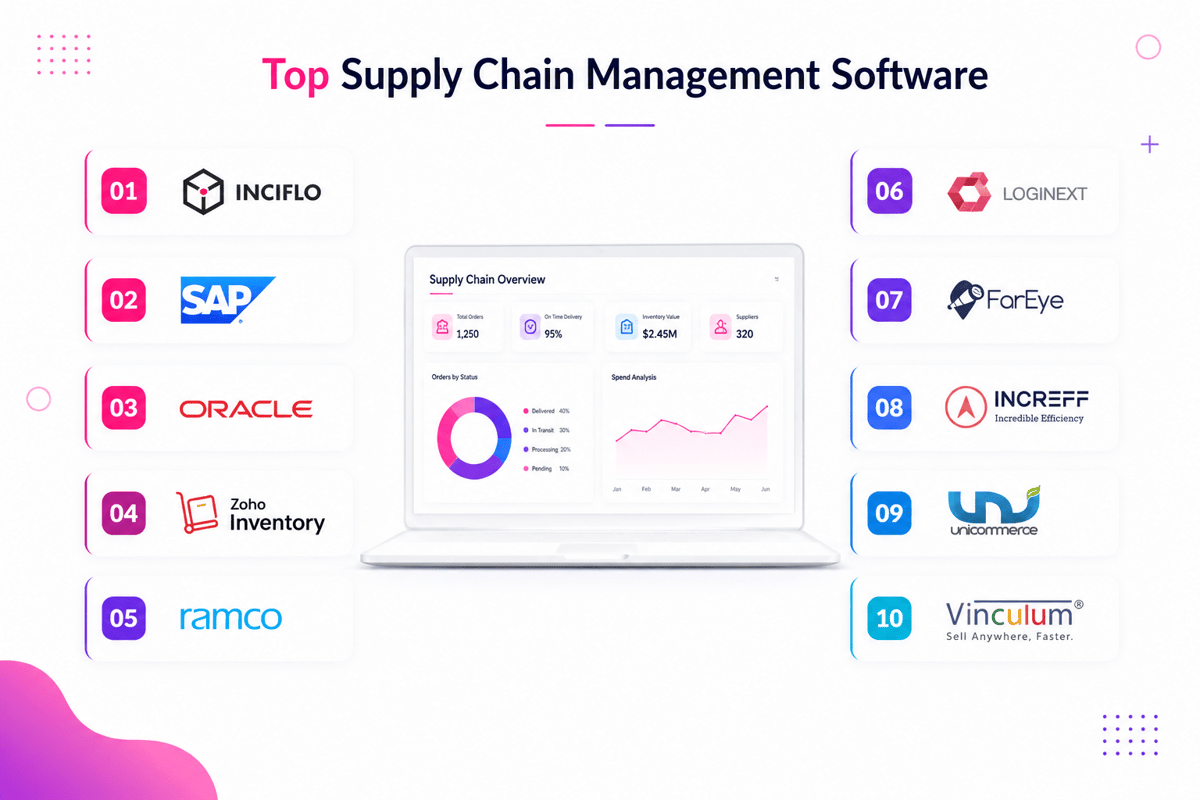
How to choose the right retail supply chain management software
The right retail supply chain management software fits the way a retailer buys, stores, moves, and sells stock. A strong choice helps live ops without locking teams into narrow workflows. Retailers tend to compare tools by feature lists first. Better results come from matching software to demand patterns, store formats, vendor rules, and fill goals.
Match capabilities to retail operating needs
Clear needs help to split useful systems from hard platforms. A grocery chain, a fashion retailer, and a home goods brand all need varied controls, even when they share similar order volumes. The best retail supply chain management software gives teams clean stock views across stores, warehouses, and ecommerce channels. It also helps planners act before stockouts, late orders, or excess stock create margin push.
- Real-time stock view across all selling spots
- Forecasting that reflects season, promos, and local demand
- Vendor tracking for buy orders, lead times, and fill rates
- Fill routing that balances speed, cost, and stock spot
- Gap alerts that flag delays before buyers feel them
Assess scale and system fit for retail supply chain management software
System fit matters as much as core tools. Retail supply chain management software should link with point-of-sale systems, ecommerce platforms, ERP software, warehouse systems, and carrier networks. Reliable links cut double data entry and report gaps. They also help buyers, warehouse teams, and store staff work from the same stock records.
Research themes such as Operations Through Agentic AI in Large-Scale Supermarket Chains show how autonomous planning can support store replenishment, labor timing, and exception handling. These ideas work best when data rules and approval paths remain clear.
Price needs a close check as low license costs can hide service gaps. Strong supply chain management solutions for retailers show clear costs for users, links, training, help, and future rollouts. A vendor’s retail knowledge can shorten call cycles and cut setup risk. The final choice should balance tools, ease of use, and long-term fit. For many retailers, the strongest shortlist includes retail supply chain management software, proven retail SCM software, and platforms integrating warehouse management with ERP systems.
Conclusion
Retail ops now depend on fast, clean supply chain calls. Retail supply chain management software gives teams one view of stock, vendors, stores, and ship status. That shared view helps buyers, planners, warehouse teams, and store staff act from the same facts.
The right platform also cuts manual work across daily ops. Retail supply chain software can flag low stock, route orders, track shipments, and check vendor speed. These tools help retailers cut delays, stop stockouts, and protect margins. Also, strong systems link planning with running. Demand forecasts guide buying, while warehouse data shows what stock can ship today.
Furthermore, automation plays a clear role at scale. Retail supply chain automation software cuts repeat tasks, such as order checks and restock alerts. Teams then spend more time solving gaps and less time updating sheets. In short, selection should start with the most costly supply chain gaps. Some retailers need better stock and clean data. Others need tighter vendor control, faster store restock, or cleaner ship tracking.
The best supply chain management solutions for retailers match those needs without adding needless complexity. A practical check should compare links, reports, automation depth, user access, and help quality. Strong retail supply chain management software also grow with new channels and spots. For a wider view of stock control options, explore these inventory management solutions.
 Google AI
  OpenAI ChatGPT
 Frequently Asked Questions
What is retail supply chain management software?
Retail supply chain management software helps retailers plan, track, and optimize the flow of products from suppliers to warehouses, stores, and customers. It typically supports inventory management, demand forecasting, order fulfillment, supplier coordination, and logistics. The goal is to improve product availability, reduce costs, and make supply chain operations more efficient.
How does retail supply chain software help improve inventory management?
Retail supply chain software gives businesses better visibility into stock levels across stores, warehouses, and distribution centers. It can help forecast demand, identify slow-moving items, prevent stockouts, and reduce overstock. By using accurate data, retailers can make faster replenishment decisions and maintain the right inventory levels for customer demand.
What features should retailers look for in supply chain management solutions?
Retailers should look for demand forecasting, inventory tracking, supplier management, order management, warehouse visibility, and transportation planning. Strong retail supply chain management software should also offer reporting, automation, and integrations with POS, ERP, and ecommerce systems. These features help retailers connect operations and respond quickly to changes in demand.
Why is retail logistics software important for omnichannel retail?
Retail logistics software helps manage fulfillment across stores, warehouses, marketplaces, and ecommerce channels. It supports faster delivery, better routing, and more accurate order tracking. For omnichannel retailers, this is important because customers expect consistent product availability and reliable delivery whether they buy online, in-store, or through a hybrid shopping experience.
How does retail supply chain automation software reduce operating costs?
Retail supply chain automation software reduces manual work in areas such as replenishment, order processing, shipment tracking, and reporting. Automation can lower errors, speed up workflows, and improve labor efficiency. It also helps teams act on real-time data, which can reduce excess inventory, emergency shipping costs, and delays across the supply chain.
Who should use retail supply chain management software?
Retail supply chain management software is useful for retailers managing multiple stores, warehouses, suppliers, or sales channels. It is especially valuable for businesses with complex inventory needs, seasonal demand, or fast-moving products. Retail SCM software can support small growing retailers as well as large enterprises that need better visibility and control.
I am an eCommerce expert with a strong focus on marketplaces like Amazon, eBay, and Etsy. Over the past decade, I have helped both startups and $1M+ revenue brands scale their sales through listing optimization, marketplace SEO, and AI-driven strategies. I also share articles and insights about eCommerce growth, marketplace operations, and multichannel selling.
You may also like
Enterprise parcel shipping software: what to check before you buy
Choosing the right enterprise parcel shipping software lowers logistics costs, boosts delivery performance, and simplifies complex carrier operations at scale. Explore the essential features, benefits, and selection criteria to optimize your multi-carrier strategy today.

Warehouse order fulfillment software: features and use cases
Warehouse order fulfillment software helps businesses streamline inventory, picking, packing, shipping, and returns from one connected platform. This brief outlines key benefits, features, use cases, and buying criteria for choosing fulfillment software that scales.
Inventory management cloud: how it works and when to switch
An inventory management cloud helps businesses track stock, automate workflows, reduce errors, and make faster decisions from anywhere. Benefits, use cases, selection criteria, and practical steps for adopting cloud-based inventory tools with confidence.