
Batch Tracking Software: A Practical Guide to Traceability, Compliance, and Growth
 Fiftify Team
·
· 9 min read
Fiftify Team
·
· 9 min read 
Most recall plans look solid until one lot fails. The spreadsheet opens slowly, the warehouse waits, and sales keep shipping. That delay turns a small issue into a costly mess. Batch tracking software closes that gap before it spreads. It connects each batch to suppliers, dates, locations, orders, and customers.
Why Manual Tracking Breaks
Manual records often look clean during quiet weeks. Pressure exposes every missing scan and late update. A food brand may know which batch failed testing. Yet it still needs every store, pallet, and order tied to it. That work can take hours with paper logs. During a recall, those hours raise the risk fast.
To evaluate how leading solutions perform under pressure, businesses can consult the verified user reviews on the Gartner Peer Insights Batch Tracking Software market page.
What Better Traceability Makes Possible
Strong traceability gives teams a narrow answer quickly. It shows where a batch went and what remains. The best batch serial number tracking software platforms support this daily work. They track movement from receipt through production and final sale. Growth makes this even harder to manage manually. More suppliers, sites, and sales channels create more blind spots.
Good software does more than store records. It helps teams act faster when quality, compliance, or inventory problems appear. The real value shows during stressful moments. Accurate batch data cuts guesswork and protects customer trust.
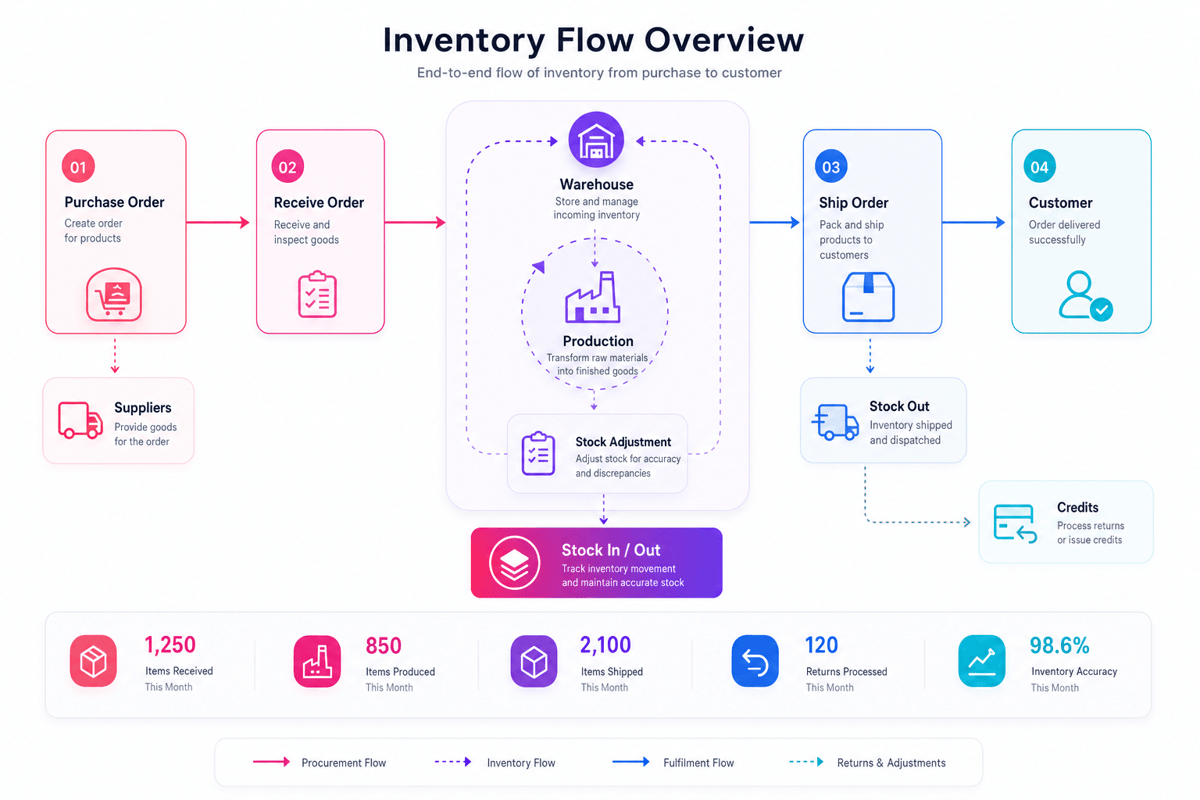
What Is Batch Tracking Software, and Why Does It Matters for Traceability
Traceability fails when products move faster than records. A batch may look fine in stock. Later, one supplier defect creates a recall nightmare. Batch tracking software follows each lot from receipt to shipment. It connects materials, dates, locations, users, and finished goods. That record helps teams answer which items need action fast.
How Batch Tracking Works
A batch groups items made or received together. The system assigns each group a lot number. Every scan adds movement history to that record. Good tracking starts before production begins. Teams record supplier lots, expiry dates, and test results. Production then links those inputs to finished batches. The value appears when something goes wrong. A failed ingredient test no longer triggers panic. The team finds affected orders within minutes.
Why Traceability Changes Daily Decisions
Strong traceability gives teams confidence before they ship. It also protects customers when defects reach the market. It gives teams the traceability layer inside manufacturing inventory management software.
Connect Shopify, draw your floor, pick an order - free plan, 7-day full trial, no credit card, no sales call.
Key Features to Look for in Batch Serial Number Tracking Software Platforms
Feature lists can look impressive during demos. Daily work exposes the weak spots fast. The right batch tracking software removes guessing from every stock move.
A good system connects a lot of data, serial data, dates, and locations. Teams need that link during receiving, production, shipping, and returns. Missing links turn one small error into days of checking.
Traceability That Matches Real Work
Strong batch serial number tracking software platforms capture each handoff without slowing the floor. A scan should record who moved stock, where, and when. Manual notes still create gaps under pressure.
Look for full forward and backward trace paths. One supplier batch should map to finished goods quickly. One returned item should reveal every related shipment.
- Lot and serial records stay tied together.
- Expiry dates trigger action before the stock goes stale.
- Location history shows every bin and production stage.
- Recall searches return answers in minutes, not hours.
Controls That Prevent Bad Data
Most tracking problems start before anyone notices. A worker picks the wrong lot, then the system accepts it. Good controls stop the error at the scan. Validation rules should block expired batch numbers, wrong locations, and items past their shelf life. They should flag quantity gaps before orders ship.
Good lot tracking software also connects purchasing, accounting, and production data. Electronic batch records EBR keep batch information consistent and reduce duplicate entries. Reporting should answer practical questions fast, such as which customers received a specific batch and when.
Clear records also help teams monitor production quality, trace issues to the right lot, and fix process problems early.
The best platforms feel boring during busy shifts. People scan, errors surface, and records stay clean. That rhythm matters when teams run a barcode inventory system.
Top Use Cases for Batch Tracking Software Across Industries
A bad lot rarely stays in one place. It moves through storage, production, shipping, and customer hands. That movement creates risk when teams rely on spreadsheets. Batch tracking software keeps each lot tied to dates, suppliers, jobs, and destinations.
Food, Beverage, and Pharma Traceability
Food teams use batch records to isolate unsafe products fast. One wrong ingredient can affect hundreds of finished cases. The best systems connect raw materials to finished goods. That link cuts recall scope from whole product lines to exact lots.
Pharma teams face stricter rules and higher stakes. They track expiry dates, certificates, test results, and release status. Batch serial number tracking software platforms help quality teams prove every step. Auditors want clear records, not email trails.
Manufacturing, Cosmetics, and Distribution Control
Manufacturers often blend materials across several production runs. Without batch records, one supplier issue can freeze stock for days. Cosmetics brands face similar pressure from allergens and formulas. A label error can trigger returns across several channels.
Distributors use batch data to manage expiry and rotation. Older stock moves first, and expired goods stay off orders. Electronics teams often track serial numbers with batch details. That matters when defects appear after field use.
The pattern stays the same across every industry. Teams need answers before problems spread beyond control.
Batch tracking software works best when it matches daily work. For many teams, that makes traceability the strongest base for inventory tracking.
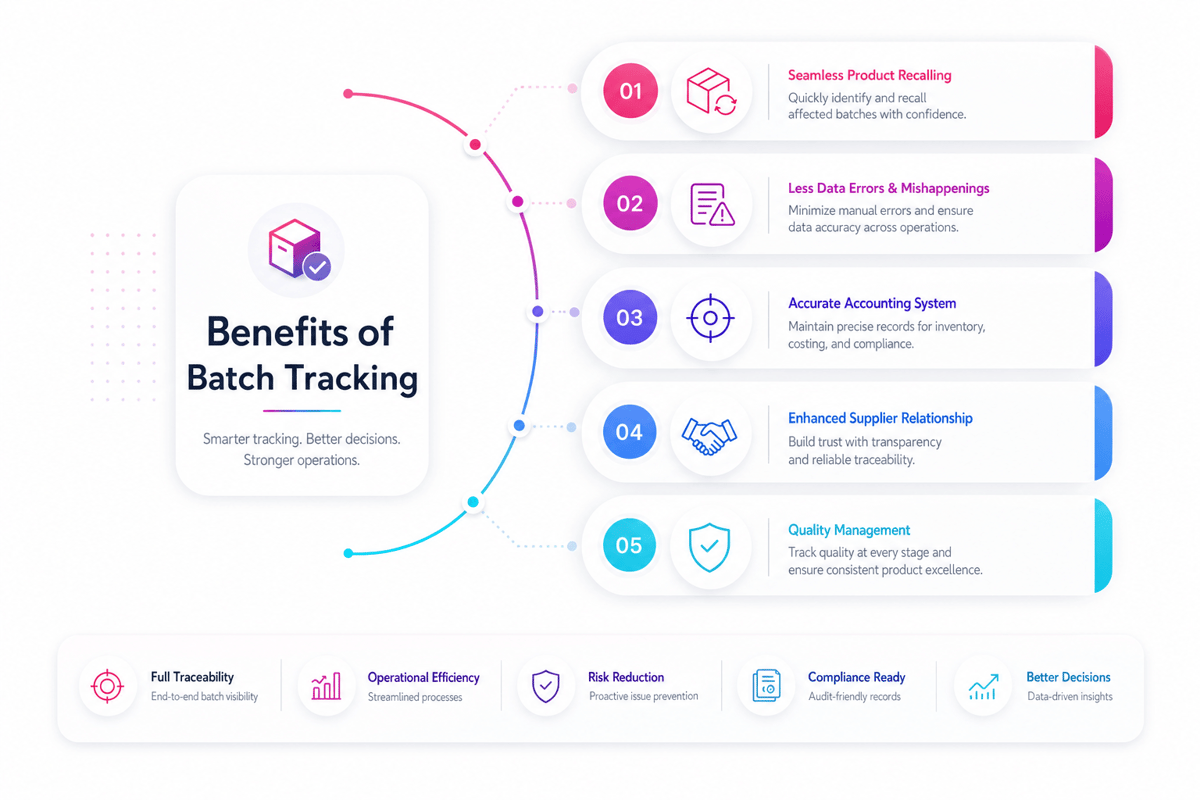
Benefits of batch tracking software for Compliance, Recalls, and Inventory Control
Compliance often looks simple until an audit starts. Paper records feel fine during calm weeks. Under pressure, gaps appear in minutes. Batch tracking software gives each product movement a clear trail. It connects receipt, production, storage, shipment, and return data. When trouble hits, teams stop guessing.
Compliance Without Audit Panic
Auditors rarely ask for perfect dashboards. They ask who touched what, when, and why. A system that answers fast changes the audit tone. Good records also protect production teams. The lot links show which ingredients entered each finished batch. That proof matters when regulators question a release. Manual logs fail because people work under pressure. Someone skips a field during a rush. Later, that missing entry blocks a shipment.
Recall Speed and Stock Control
Recalls punish slow teams more than imperfect teams. The first hours decide cost and trust. Clear batch history narrows the damage quickly. With tracking software, teams can isolate affected stock. They avoid pulling safe products from shelves. Customers see action instead of confusion.
One food maker traced a bad spice lot. The recall hit three pallets, not twelve. That difference saved freight, labor, and shelf space. Inventory control improves when counts match real movement. Many batch serial number tracking software platforms expose aging stock. Teams catch slow lots before they expire.
The system also stops hidden stock from spreading. Warehouse staff see quarantine, release, and hold status. That clarity prevents accidental picks during busy shifts. Growth exposes weak controls faster than audits. More orders mean more handoffs and more mistakes. At that point, batch control becomes part of the perpetual inventory system software.
How to Compare Batch Serial Number Tracking Software Platforms Before You Buy
Software demos often make traceability look effortless. Real problems appear after the first dirty data import. That moment separates useful tools from polished screens. Good batch tracking software fits how your team actually works. It should handle exceptions without pushing people into spreadsheets. If workarounds start early, adoption usually fades fast.
Start With Real Operating Conditions
Compare systems against your hardest daily cases. Pick a split batch, a partial shipment, and a supplier mix-up. These cases reveal weak logic quickly.
Many batch serial number tracking software platforms track clean production runs well. Fewer handle rework, returns, substitutions, and damaged stock. Those edge cases often create the biggest compliance risk. Ask vendors to map one full lot journey. The path should cover receiving, production, storage, sale, and recall. Gaps here will become audit findings later.
Check Integration and Data Ownership
The best tool still fails when data moves badly. Check how it connects with purchasing, production, shipping, and accounting. Duplicate entries create errors within the first week. Barcode support matters more than dashboard design. Warehouse teams need fast scans, not perfect office screens. Pricing deserves review before volume makes the quote jump.
A short pilot tells more than ten demos. It should include messy supplier data, a mock recall, and an audit export. The right choice should protect the records inside your inventory database.
Conclusion
Good traceability starts before anything goes wrong. Batch tracking software gives each lot a clear history. That history matters when pressure hits the team. A recall rarely fails because people do not care. It fails because records sit across spreadsheets, emails, and labels. One missing link can turn hours into days.
Choose Traceability That Matches Reality
The best systems fit the way products move. Raw materials, finished goods, returns, and samples need context. A clean audit trail saves time during inspections. Many batch serial number tracking software platforms look similar in demos. Daily use tells the real story. Teams need fast scans, clear labels, and reliable reports.
Turn Tracking Into a Growth Habit
Traceability should not slow sales or production. Strong batch tracking software connects stock, orders, and quality checks. That connection helps teams ship with fewer surprises. Before buying, test real workflows with real data. Run one receipt, one production batch, and one return. The gaps will show faster than any sales pitch. What tracking problem costs your team the most time? Share your experience, or list the failure point first. If you plan a wider system review, compare these inventory management solutions next.
 Google AI
  OpenAI ChatGPT
 Frequently Asked Questions
What is batch tracking software?
Batch tracking software is a system that helps businesses trace products by batch, lot, or serial number from production to delivery. It records key details such as raw materials, suppliers, manufacturing dates, quality checks, and customer shipments. This makes it easier to manage recalls, prove compliance, and improve inventory visibility.
Why is batch tracking important for manufacturers?
Batch tracking helps manufacturers identify exactly which products were made, where materials came from, and where finished goods were sent. This is essential for quality control, regulatory compliance, and fast issue resolution. If a defect or contamination occurs, teams can isolate affected batches quickly instead of disrupting the entire supply chain.
Which industries use batch tracking software?
Batch tracking software is commonly used in food and beverage, pharmaceuticals, cosmetics, chemicals, electronics, and medical device manufacturing. These industries often need detailed traceability for compliance, safety, and customer assurance. Any business that produces goods in lots or batches can benefit from better tracking and documentation.
What features should I look for in a batch tracking system?
Look for features such as lot tracking, serial number tracking, barcode scanning, inventory management, expiration date tracking, recall reporting, and audit trails. Many batch serial number tracking software platforms also integrate with ERP, warehouse, and accounting systems. The right tools should support both compliance needs and daily operational efficiency.
How does batch tracking software help with recalls?
During a recall, batch tracking software helps identify affected products, their source materials, and the customers or locations that received them. This reduces response time and limits the scope of the recall. Accurate batch records also help businesses communicate clearly with regulators, distributors, and customers.
Is batch tracking software suitable for small businesses?
Yes, small businesses can use batch tracking tools to replace spreadsheets and manual records. Cloud-based systems are often affordable, scalable, and easier to implement than traditional enterprise software. As production grows, these platforms help maintain traceability, reduce errors, and prepare the business for audits or regulatory requirements.
Sync inventory in real time, manage orders, and run warehouse operations across Amazon, eBay, Etsy, Shopify, and other sales channels. From barcode scanning to organized storage and faster fulfillment, Fiftify helps reduce errors, prevent overselling, and support business growth. Explore our articles for insights on warehouse management, inventory control, and multichannel operations.
You may also like

Sustainable Packaging in E-Commerce: Why Retailers Are Switching to Reusable Shopping Bags
Sustainable packaging is becoming an important part of modern e-commerce and retail. Reusable shopping bags help businesses reduce packaging waste while creating a practical and visible extension of their brand. This article explores why retailers are adopting reusable bags, how bulk and custom options support different business needs, and what to consider when building a more sustainable packaging strategy.
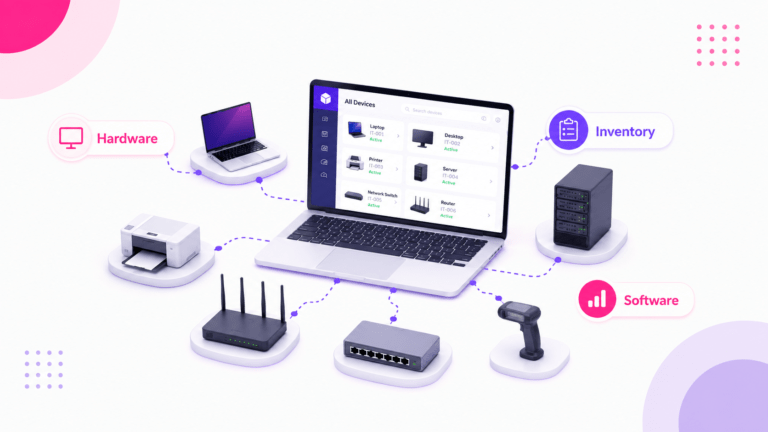
Hardware Inventory Software: Smarter IT Asset Management
Choosing the right hardware inventory software helps teams track devices, control costs, improve compliance, and plan upgrades with confidence. Read on to discover key benefits, use cases, selection criteria, and best practices for smarter IT asset management.
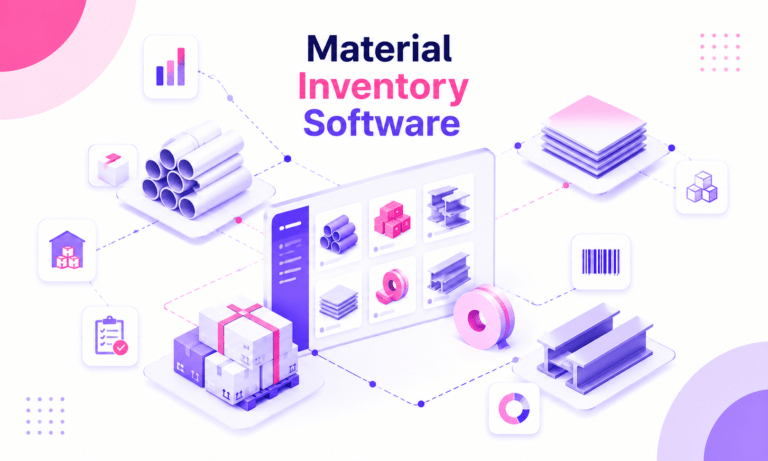
Material Inventory Software: A Practical Guide to Smarter Stock Control
Learn how material inventory software helps businesses track raw materials, reduce waste, prevent stockouts, and connect purchasing with production. Benefits, key features, use cases, comparisons, and practical selection tips for teams ready to improve inventory control.