
Enterprise parcel shipping software: what to check before you buy
 Fiftify Team
·
· 15 min read
Fiftify Team
·
· 15 min read

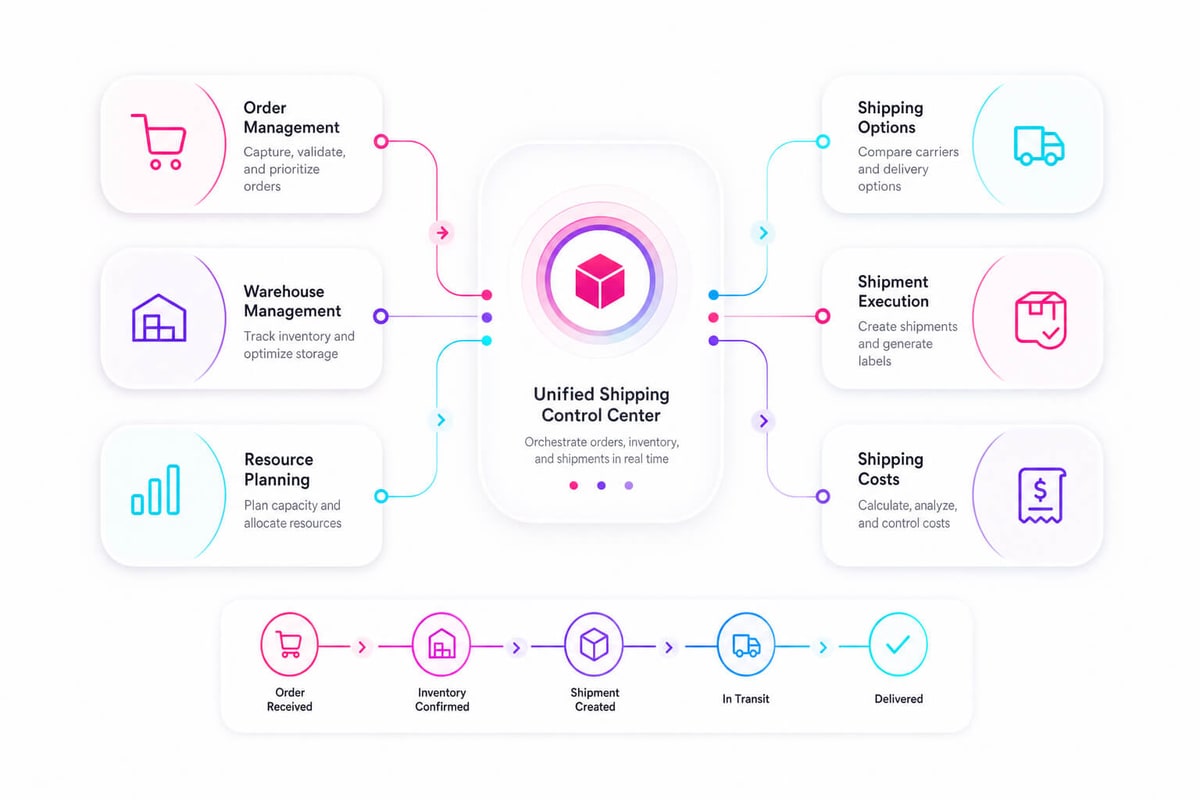
Parcel shipping now shapes margin, service, and trust. Enterprise parcel shipping software helps high-volume teams control that pressure. It links carriers, rates, labels, and data in one place. As a result, teams ship faster and spend less time on manual work.
Large shippers rarely face one simple problem. They manage rate changes, cutoff times, address rules, and fees. Strong enterprise shipping software brings those choices into one flow. So teams can act on clean data instead of guessing.
Why carrier choice matters
Carrier mix affects cost, speed, and ship risk. A single-carrier flow can miss lower rates. Multi-carrier shipping solutions compare options before each label prints. Also, if one carrier hits a delay, the system can reroute. That flex matters at peak season and when capacity limits.
Cost control lifts when ship calls follow clear rules. A system can match service to order value and pack size. Multi-carrier management software turns those rules into daily repeat calls. Also, enterprise parcel shipping software lets teams see spend by carrier, zone, and site. As parcel networks grow, it becomes part of broader logistics management software solutions.
What enterprise teams need
High-volume ops need more than basic label printing. They need rate shopping, listing, tracking, and clear reports. Enterprise parcel shipping software connects those tasks across sites and channels. Multi-carrier management also helps leaders see patterns sooner. Reports show fee trends and late ship zones. The best shipping platform for handling multiple carriers helps teams cut waste and scale with no extra manual work.
Why enterprise parcel shipping software matters for high-volume shippers
High-volume parcel shipping puts pressure on speed, cost, and service. A small rate error can repeat across thousands of labels. Enterprise parcel shipping software gives teams a controlled way to manage that volume. Manual carrier pick works at low volumes. At scale, it creates missed cutoffs and billing errors. In fact, enterprise parcel shipping software connects rating, routing, labeling, and tracking in one flow.
Volume exposes process gaps in parcel shipping ops
Parcel complexity grows as orders move across regions and channels. Each spot may face varied carrier rules and cutoff times. Multi-carrier shipping solutions help make those calls steady. Also, address errors raise fix fees. Wrong service levels raise spend. Carrier outages block shipments with no quick options. Enterprise parcel shipping software applies rules before label creation. It checks rates, service levels, and zones in real time.
Control across carriers and costs
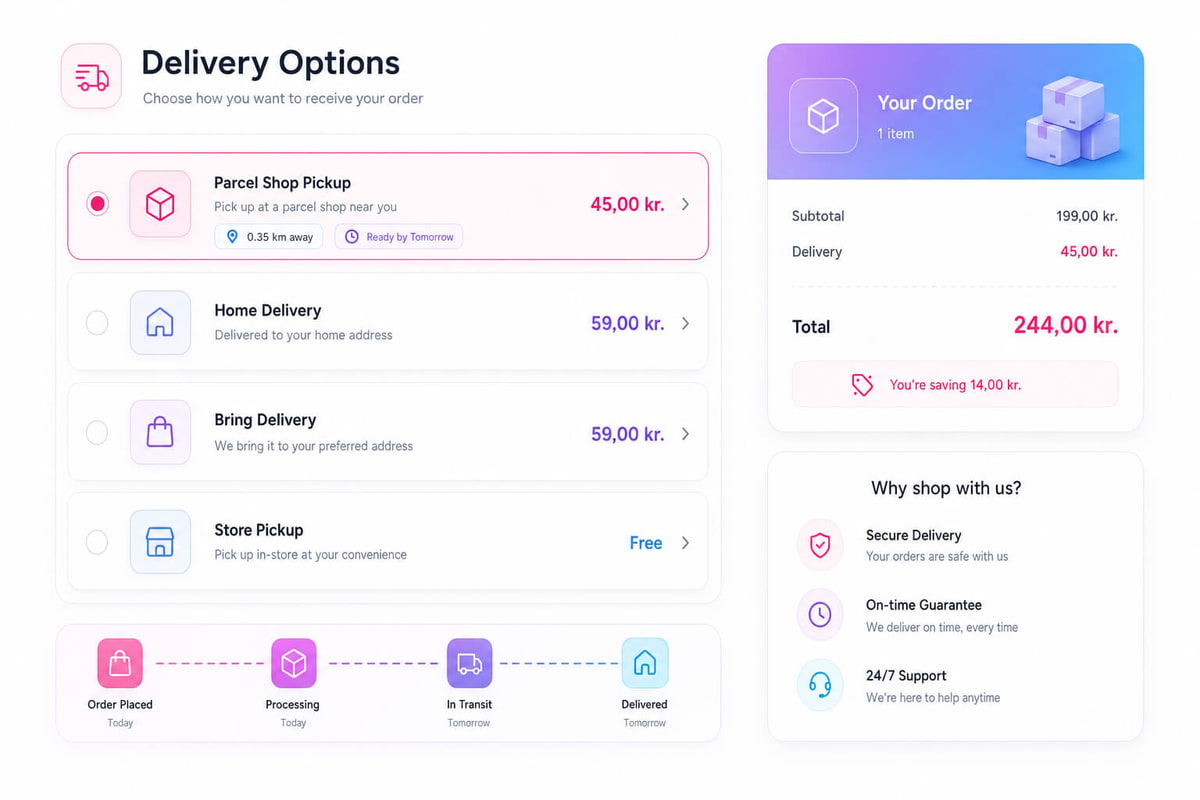
High-volume shippers need options across national, regional, and local networks. Multi-carrier management software gives teams one place to compare rates and route orders. Furthermore, enterprise parcel shipping software gives finance and ops the same cost view. Teams can see spend by carrier, zone, and site. The best shipping platform for handling multiple carriers balances auto with control. It routes routine shipments through set rules. Mature enterprise shipping solutions help teams cut rework and guard margins.
Connect Shopify, draw your floor, pick an order - free plan, 7-day full trial, no credit card, no sales call.
How enterprise shipping software improves parcel ops
Enterprise parcel shipping software gives teams one control point for parcel calls. It connects orders, carrier rules, labels, and billing data. That structure cuts manual work on busy ship floors. With no shared system, staff compares rates by hand. They may pick carriers based on habit, not cost. In fact, enterprise parcel shipping software replaces those gaps with rules and repeat flows.
Faster decisions across every shipment
Enterprise shipping software checks carrier services against each order. Weight, zone, ship date, and cost all shape the choice. The system then picks the service that matches the rule. Also, strong multi-carrier management software supports complex networks with no extra screens. Teams can manage regional and national carriers together. This gives ops leads clearer control over multi-carrier parcel management.
Furthermore, enterprise parcel shipping software cuts label errors. Address checks and service rules catch issues early. Fewer fixes mean fewer late orders and fewer chargebacks.
Cleaner data and better control with multi-carrier software
Parcel ops lift when teams trust their ship data. Multi-carrier shipping systems collect shipment work in one place. Managers see late ships, extra charges, and carrier results. Also, clear data supports better rate shopping. Multi-carrier shipping solutions show which services meet ship goals at lower cost. The best shipping platform for handling multiple carriers flags cost patterns before they grow.
Furthermore, enterprise parcel shipping software makes ship calls steady across sites. Modern multi-carrier software also connects with order, warehouse, and finance systems. Those links cut double entry and keep records aligned. That control gives ops teams a cleaner link to warehousing and shipping services.
Multi carrier management software: core features to look for
Strong multi-carrier management software gives teams control across every carrier link. Enterprise parcel shipping software should compare services, print labels, apply rules, and track results. That shared control matters when volume grows across sites and regions. The strongest systems help teams pick the right service. They weigh cost, transit time, ship promise, and carrier limits. In practice, a clear rules engine turns those choices into repeat calls.
Carrier control and rate shopping
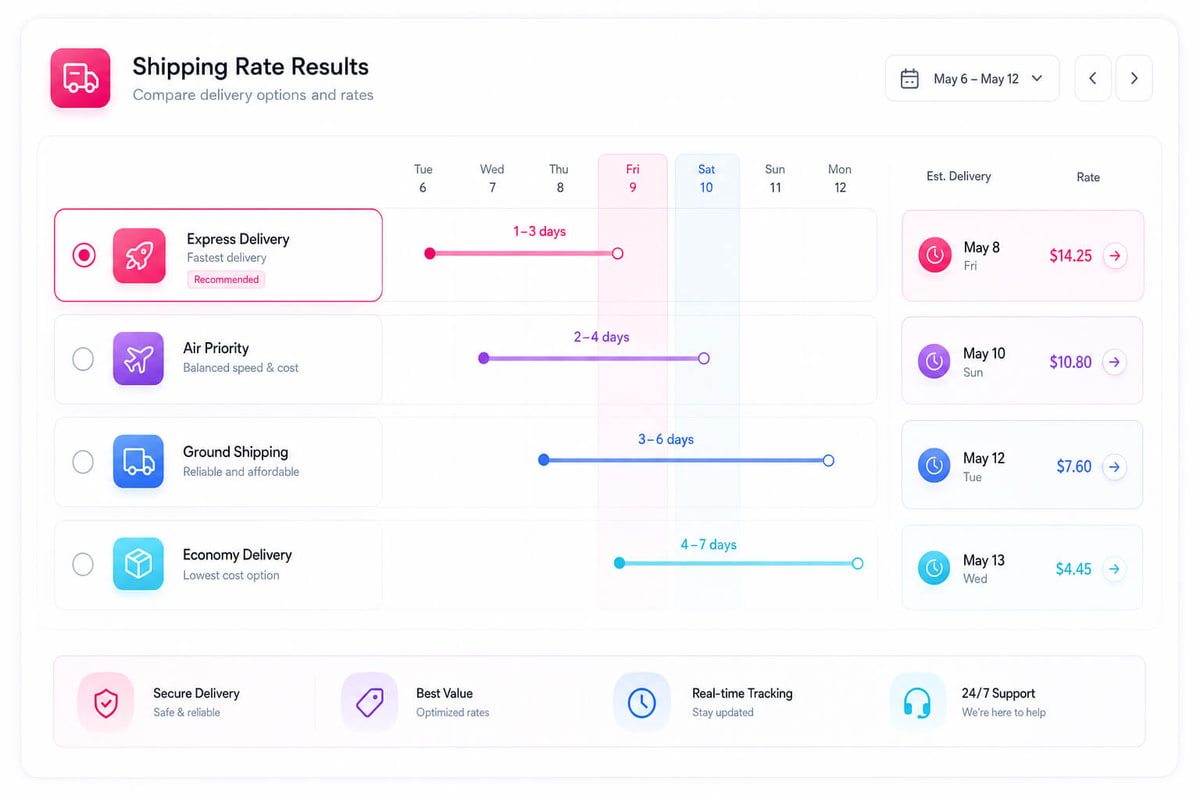
A core feature is real-time rate shopping. Enterprise parcel shipping software compares carrier rates, zones, and fees before label creation. This stops teams from relying on one carrier by habit. Also, carrier rules should reflect real ops needs. Strong parcel cost intelligence helps teams see which rules cut spend without hurting ship speed.
- Service rules match shipment type, ship date, and target
- Carrier cap controls cut risk at peak ship periods
- Auto label creation cuts manual work at pack stations
- Address checks cut failed ships and fix fees
The best shipping platform for handling multiple carriers also supports carrier setup with no long delays. Teams can add accounts and test rates in one system. This flexibility supports stronger multi-carrier management as ship needs change.
Automation, visibility, and exception handling in multi-carrier systems
Enterprise parcel shipping software should connect ship calls with warehouse work. Pack teams need fast label creation and clear service rules. Also, managers need live views of volume, cost, and carrier results. Exception control splits basic tools from mature multi-carrier shipping systems. The platform should flag late scans and ship delays early. Fast alerts give teams time to fix issues before buyers ask for help.
Reports also matter for long-term control. Enterprise shipping software should show spend by carrier, service, zone, and site. These views help teams refine routing rules with facts. Furthermore, the right multi-carrier software fits into a broader system stack. It works best when it shares order, stock, and shipment data across ops. That shared layer keeps ship calls aligned with order fulfillment software.
Multi carrier shipping solutions vs. single-carrier tools
Single-carrier tools work when volume and region stay simple. They support one carrier’s rates, labels, and billing rules. However, that narrow scope creates friction as volume grows. Multi-carrier shipping solutions give enterprise teams more control. The system compares carrier rates, transit times, and ship rules. For high-volume teams, enterprise parcel shipping software turns carrier pick into a repeatable flow. Smaller sellers who run their own stockroom can look at a ShipStation alternative with built-in picking instead.
Where single-carrier tools fall short for enterprise shipping
A single-carrier portal often forces manual calls at peak periods. Staff compare services outside the system, then re-enter shipment data. Each extra step raises the risk of delays and billing errors. Also, carrier reliance limits recovery options. If one network faces delays, the team has fewer backup choices. Rising e-commerce sales growth also shows weak carrier coverage across regions.
Basic tools rarely support complex rules. They may not route hazmat, oversized, or market orders correctly. In contrast, enterprise shipping software can apply rules before label creation. Furthermore, enterprise parcel shipping software lifts oversight across sites. Each spot can follow the same rules while handling local needs. This balance matters for retailers, brands, and 3PLs. Single-carrier tools can fit small, stable ops. But complex networks need multi-carrier software that supports choice and clear cost control. For retailers, that flex also supports cleaner handoffs with ecommerce fulfillment automation.
Best shipping platform for handling multiple carriers: how to choose
The best shipping platform for handling multiple carriers fits daily ops, not just carrier cover. Strong enterprise parcel shipping software connects rates, rules, labels, tracking, and claims in one flow. High-volume shippers need more than a long carrier list. The platform should compare services in real time and apply account rules. Also, effective enterprise shipping software keeps order data clean across every system.
Carrier coverage and rate control
Carrier depth matters when volumes shift by zone or season. A strong platform supports national, regional, postal, and same-day providers. Enterprise parcel shipping software should also support agreed rates with no manual work. Rate shopping must reflect real ship conditions. Fuel, home fees, and size-based weight change the final cost. Reliable multi-carrier management software shows the landed parcel cost before label creation.
Business rules split basic tools from advanced multi-carrier shipping solutions. Rules can route hazmat goods or high-value orders to approved services. This cuts gaps and keeps service choices steady. Scale also matters. Enterprise parcel shipping software should support new sites and higher order peaks with no major rework. That fit matters as ship rules shape each fulfillment business process.
Integration, automation, and reporting for multi-carrier software
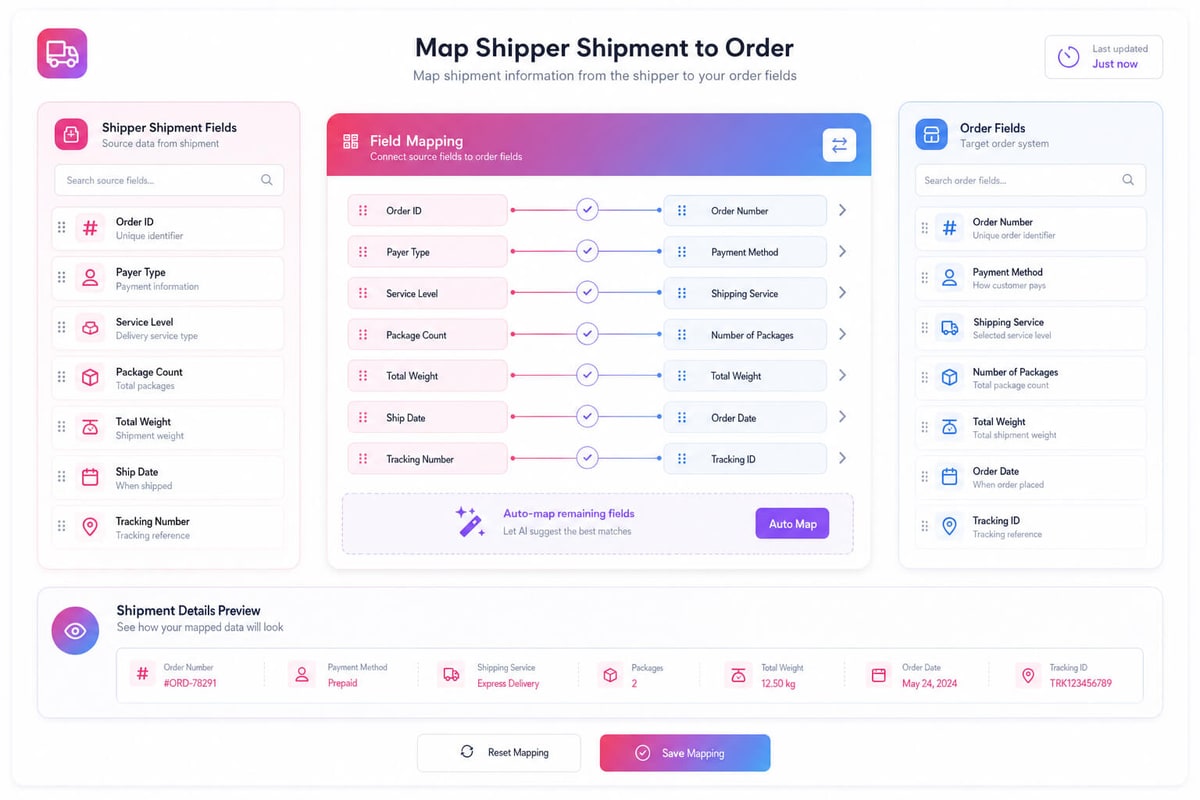
Link quality often decides long-term value. Enterprise parcel shipping software should connect with ecommerce platforms, ERPs, and WMS tools. Clean data flow stops re-entry and cuts label errors. Also, auto should handle routine choices while leaving room for gaps. Mature multi-carrier shipping systems also support audit trails for compliance. Reports turn ship data into better calls. Strong multicarrier shipping software shows where delays and fees affect margins.
Use cases: ecommerce, retail, and 3PL
High-volume shippers need systems that match each sales model. Enterprise parcel shipping software links order data, carrier rules, and ship promises. Also, strong multi-carrier shipping systems keep those pieces aligned as volume changes.
Ecommerce and retail shipping needs
Ecommerce teams face sharp swings from promos and peak seasons. Enterprise parcel shipping software helps route orders by cost, service level, and ship date. It also cuts manual carrier checks at busy windows. A strong ecommerce setup connects checkout promises with real carrier options. Multi-carrier shipping solutions can compare rates before label creation. That link helps teams avoid margin loss on free ship offers.
Retail networks need more control across stores, warehouses, and drop-ship partners. Enterprise parcel shipping software can apply routing rules by spot and stock source. Stores can ship nearby orders while warehouses handle heavier demand. For retailers, the best shipping platform for handling multiple carriers supports both central control and local run. Also, it links well with multi-channel inventory management.
3PL and multi client operations for enterprise shipping
3PL providers manage shipping rules for many buyers at once. Multi-carrier management software keeps account logic and billing rules split. That structure cuts errors when teams switch between client flows. Also, enterprise parcel shipping software gives 3PLs cleaner reports by buyer. Managers can check spend, carrier mix, and results. Clear data supports faster answers at client reviews.
Large providers need multi-carrier software that handles branded labels and special rules. Multicarrier shipping software can apply those needs before the pack station prints labels. That cuts rework and keeps shipments moving. Furthermore, the strongest multi-carrier shipping software solutions connect ship calls with warehouse work. That base works best with warehouse order fulfillment software. Also, a strong warehouse layer starts with a modern warehouse management system.
Rate shopping and cost control with enterprise parcel shipping software
Enterprise parcel shipping software helps high-volume shippers control costs with no narrowing of service choice. It compares rates, zones, and fees before label creation. Manual carrier pick often misses hidden fees. Multi-carrier software applies rules that reflect price, speed, and buyer promises. The result is a steadier choice across every shipment.
- Carrier rules can favor the lowest cost service that meets ship dates
- Surcharge data stops low base rates from hiding higher final costs
- Regional carrier access cuts zone costs on dense ship lanes
- Audit data shows billing errors and late ship credits
Also, enterprise shipping software supports better contract calls. Ship leads can check volume by lane, service, and carrier. That data lifts rate talks and cuts guesswork. Buyers expect clear ship options at checkout. Enterprise parcel shipping software supports that need through carrier choice. Multi-carrier shipping solutions also cut risk from carrier disruptions. Flex routing keeps orders moving when one network slows. For enterprise teams, enterprise parcel shipping software becomes a stronger partner to online order management software.
Integration, automation, and analytics
Enterprise parcel shipping software works best when every system shares clean data. It connects order sources, warehouse tools, ERP records, and carrier services. Multi-carrier shipping software solutions turn carrier rules into shared flows. Rates, services, addresses, and tracking sync follow the same flow. That structure helps teams avoid manual rating and carrier-site re-entry.
Integration across order and warehouse systems for enterprise shipping
Modern enterprise shipping software needs stable links with order, stock, finance, and returns tools. Also, enterprise parcel shipping software should check addresses and service rules before rate shopping. Early checks cut failed labels and invoice fixes.
- Order data flows into ship with no copy-and-paste work
- Tracking events return to sales channels and service teams
- Carrier invoices match expected rates before payment check
Furthermore, strong auto links help ops teams across channels. For small business teams that need broader auto tools, marketing automation for small businesses offers useful context.
Automation and analytics in multi-carrier shipping systems
Multi-carrier management software automates choices that once relied on habit. Rules can route shipments by cost, zone, service level, or cutoff time. Also, analytics turn ship events into useful signals. Teams compare carrier results by lane, region, and fee. Better data shows when a low base rate creates higher total cost. The best shipping platform for handling multiple carriers also explains why each choice happened. Audit trails show the picked service and the rule that applied. Furthermore, enterprise parcel shipping software should connect parcel data with fill data. That shared model becomes more useful when it links with a 3PL warehouse management system.
Best practices and implementation
Strong enterprise shipping solutions create a shared ops model for carrier choice, service rules, and cost control. An enterprise parcel shipping software platform works best when teams treat it as a control center. Clear rules help the system pick the right carrier without slowing each order.
Carrier rules and governance for multi-carrier ops
Effective multi-carrier management starts with clear ownership. Transport, warehouse, finance, and service teams need shared rules. A mature multi-carrier management software setup includes service rules based on pack size, zone, and margin. Also, it includes carrier limits that guard against peak demand. Fallback rules protect when carriers miss pickups. These rules cut manual calls at the ship station. Also, they keep carrier pickup steady across sites and channels.
- Service rules based on pack size, zone, and margin
- Carrier limits that guard against peak demand
- Fallback rules for outages and blocked lanes
- Approval paths for high-cost services and gaps
Implementation roadmap for enterprise parcel shipping software
A strong rollout starts with clean data and clear ownership. Enterprise parcel shipping software touches order systems, carrier accounts, and finance rules. First, the project team should map each ship path. That map shows where multicarrier shipping software must rate, route, label, and report. Also, enterprise parcel shipping software works best when rules match real warehouse work.
- Record current order sources, ship nodes, and carrier accounts
- Clean address, SKU, carton, and service-level data
- Connect the platform to ERP, WMS, ecommerce, and finance systems
- Set rating, routing, label, and list rules
- Run test shipments across common and edge cases
A controlled pilot lowers risk before full go-live. During the pilot, enterprise shipping software should prove rate clean data and label speed. After launch, multi-carrier management software supports steady lift. New carrier services and zone rules can enter the model with no rebuilding the flow. Furthermore, enterprise parcel shipping software creates a base for future scale. As volume grows, multi-carrier shipping solutions help teams add capacity without adding manual work.
Conclusion
Enterprise parcel shipping software gives high-volume shippers the control that manual flows cannot sustain. It connects carriers, rates, labels, tracking, rules, and data in one place. Also, it cuts carrier reliance, billing gaps, missed scans, and late ship surprises. The strongest platforms combine multi-carrier management software with clear ops rules. Rates, service levels, cutoffs, zones, and gaps guide each ship call. Modern multi-carrier shipping solutions also support scale across channels.
The right enterprise parcel shipping software turns ship data into useful action. Teams compare cost, transit time, claims, and ship quality by carrier. Also, those insights help leaders talk smarter contracts and adjust rules fast. In short, the platform guards margins while keeping ship choices flexible. A practical review starts with current ship pain points. Common signs include manual rate shopping, weak tracking, and slow setup. Test systems with live rates and carrier test cases. For a wider view of ship plan, strong parcel systems should align with ecommerce shipping logistics.
 Google AI
  OpenAI ChatGPT
 Frequently Asked Questions
What is enterprise parcel shipping software?
Enterprise parcel shipping software helps large businesses manage parcel shipments across multiple carriers, locations, and sales channels. It centralizes rate shopping, label creation, tracking, reporting, and carrier compliance. These platforms are designed to support high shipping volumes, complex workflows, and integrations with systems such as ERP, WMS, OMS, and ecommerce platforms.
How does multi-carrier shipping software help reduce costs?
Multi-carrier shipping software helps reduce costs by comparing carrier rates, service levels, delivery times, and surcharges in real time. Businesses can automatically choose the most cost-effective option for each shipment. Strong multi-carrier management also improves carrier negotiations by providing accurate shipping data, performance insights, and volume reporting across the organization.
What features should enterprise shipping software include?
Enterprise shipping software should include rate shopping, automated carrier selection, label generation, tracking, returns management, analytics, and integration with existing business systems. The best shipping platform for handling multiple carriers should also support business rules, user permissions, international shipping, carrier compliance, and scalable workflows for multiple warehouses or distribution centers.
Why do large businesses need multi-carrier management software?
Large businesses need multi-carrier management software because relying on one carrier can create cost, capacity, and service risks. Multi-carrier shipping solutions give companies flexibility to route shipments based on price, speed, geography, or carrier performance. This helps improve delivery reliability while giving shipping teams better control over complex parcel operations.
How does enterprise parcel shipping software improve visibility?
Enterprise parcel shipping software improves visibility by centralizing shipment data from multiple carriers into one platform. Teams can monitor tracking status, delivery exceptions, carrier performance, and shipping costs in real time. This visibility supports better customer service, faster issue resolution, and more accurate reporting across shipping, finance, and operations teams.
What is the difference between single-carrier tools and multi-carrier shipping systems?
Single-carrier tools usually support shipping through one provider, while multi-carrier shipping systems connect businesses to several carriers in one platform. Multi-carrier software allows companies to compare rates, automate routing, manage labels, and track shipments across carriers. For enterprise shipping solutions, this flexibility is essential for controlling costs and maintaining service levels at scale.
Sync inventory in real time, manage orders, and run warehouse operations across Amazon, eBay, Etsy, Shopify, and other sales channels. From barcode scanning to organized storage and faster fulfillment, Fiftify helps reduce errors, prevent overselling, and support business growth. Explore our articles for insights on warehouse management, inventory control, and multichannel operations.
You may also like

Warehouse order fulfillment software: features and use cases
Warehouse order fulfillment software helps businesses streamline inventory, picking, packing, shipping, and returns from one connected platform. This brief outlines key benefits, features, use cases, and buying criteria for choosing fulfillment software that scales.

Inventory management cloud: how it works and when to switch
An inventory management cloud helps businesses track stock, automate workflows, reduce errors, and make faster decisions from anywhere. Benefits, use cases, selection criteria, and practical steps for adopting cloud-based inventory tools with confidence.
Logistics management software solutions: features and use cases
Learn how logistics management software solutions help businesses improve shipping, tracking, transportation planning, and supply chain visibility. Key features, benefits, software comparisons, use cases, and practical selection tips.