
Logistics management software solutions: features and use cases
 Emily Carter
·
· 14 min read
Emily Carter
·
· 14 min read
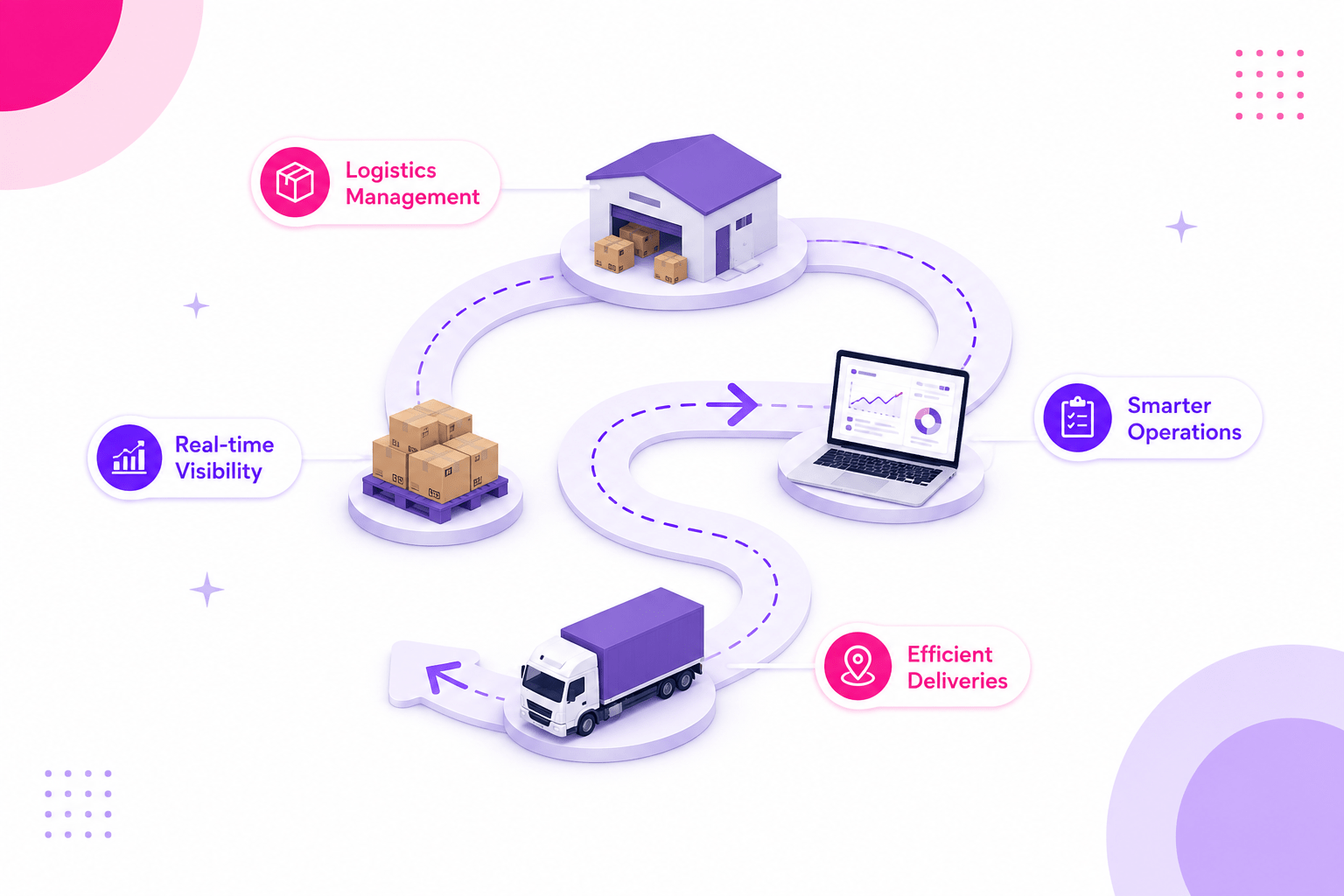
Slow shipments, lost stock, and rising freight costs all hurt firm margins. Many of those problems trace back to weak data flow across teams. Logistics management software solutions give ops teams one clear view of orders, carriers, routes, and stock. As a result, teams can act before delays reach buyers.
Modern supply chains move too fast for email threads and split sheets. Logistics software links buying, filling, shipping, and stock data in one workflow. So teams make fewer reactive calls and more planned ones.
According to Statista, the global logistics software market is set to grow past $14 billion by 2027. That growth shows how many firms now see better logistics management software as a core ops need, not a nice add-on.
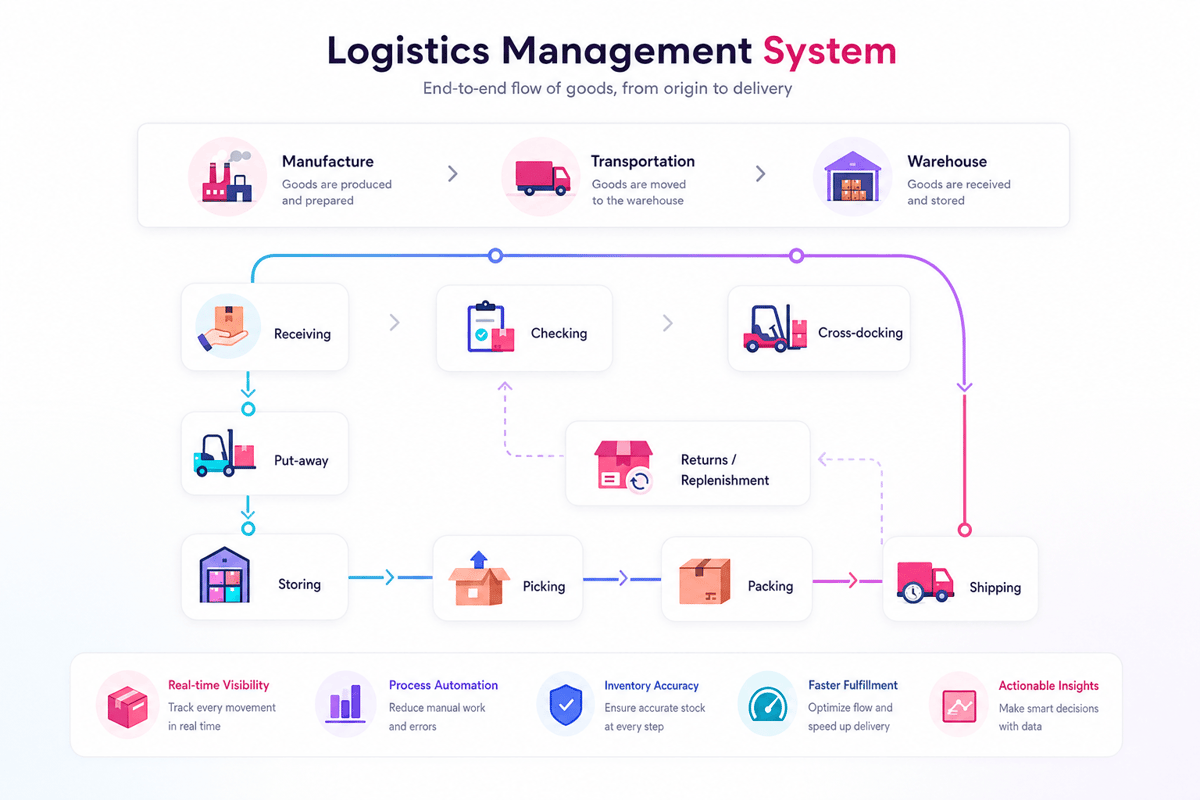
Why logistics software matters now
Buyers’ needs have shifted. Same-day and next-day shipping is now the norm in many sectors. Also, supply chain gaps in recent years have shown how fast weak links can create costly delays. Logistics management software solutions give teams the early signals they need to react sooner.
Furthermore, growth tends to break old logistics flows. More orders, more carriers, and more stock spots all add complexity. Manual work cannot keep pace. In contrast, logistics software built for scale can handle those adds with no rework.
One view across the full supply chain
Transportation and logistics software links freight, carrier, and stock data. Teams can see where each order is, what it costs, and when it will arrive. That view helps planners make smarter calls. Also, logistics tracking software shows delay risks in real time. So ops teams can fix problems before buyers ask about their order.
In short, logistics management software solutions give firms a faster, cleaner way to run daily ops. For more on how those tools link with warehouse work, see our guide to warehouse management meaning and systems.
What are logistics management software solutions?
Logistics management software solutions are tools that help firms plan, run, and track the flow of goods. They cover buying, filling, transport, stocking, and returns. The core goal is to cut delays, lower costs, and give teams live ops data.
Most platforms include tools for order management, carrier selection, freight tracking, and reporting. Also, modern logistics management system software links with ERP, ecommerce, and warehouse tools. So teams avoid split data and repeated manual entry.
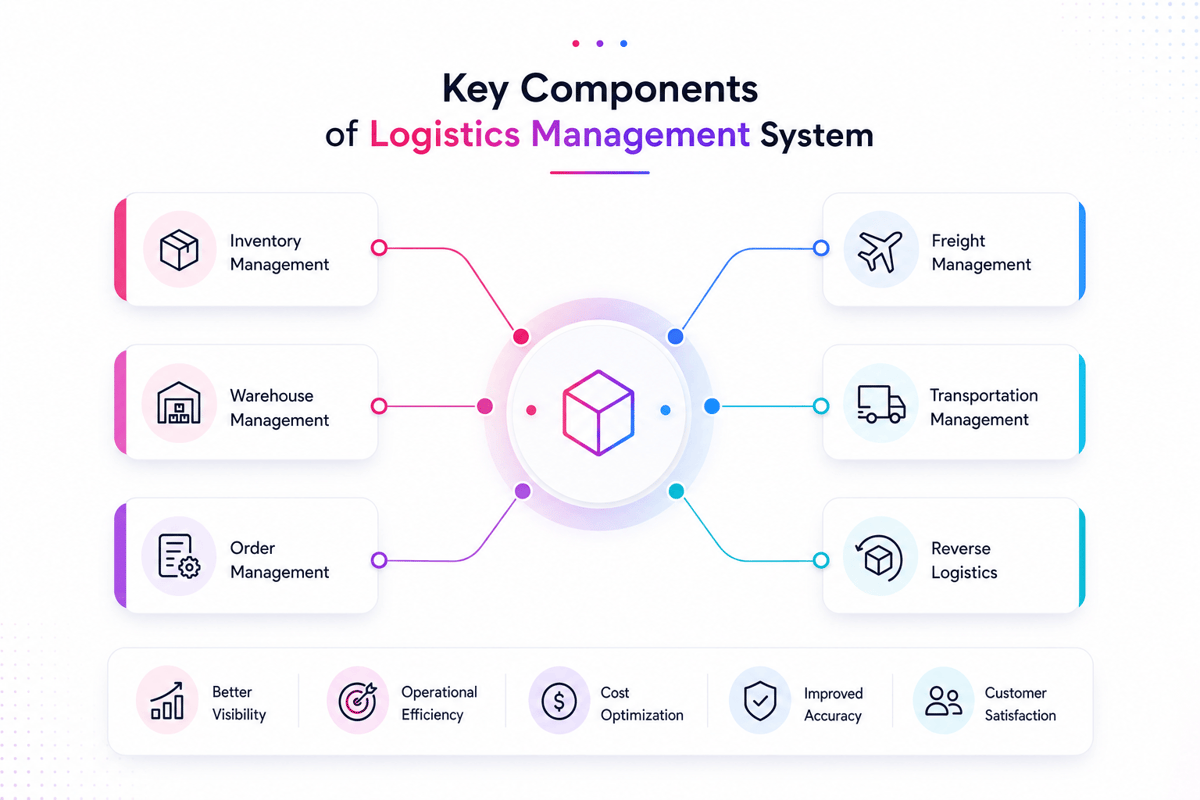
Core components of logistics software
A strong logistics management software setup covers several key flows. First, order management captures orders, links them to stock, and routes them to the right fill spot. Then, carrier management picks the best ship option based on cost, speed, and service level.
Logistics tracking software shows where each order sits across the supply chain. Teams can see status by order, carrier, route, or date. That detail helps ops leads and help teams answer buyer questions fast. Also, freight management tools compare rate quotes, match loads, and reduce empty runs.
- Order management: capture, route, and fill orders fast
- Carrier selection: pick the best option per shipment
- Freight tracking: watch loads in real time
- Reporting: see cost, speed, and service gaps
Furthermore, shipping and logistics software can automate print tasks, label creation, and carrier syncs. Those small time savings add up fast across high order volumes.
How logistics management system software links the chain
A logistics management system software acts as the control layer between your firm and its supply chain. It links vendors, warehouses, carriers, and buyers. When data flows cleanly across those links, teams spend less time chasing status and more time solving real issues.
Transportation software logistics management system tools also help with cross-border freight. Currency, customs, duty rules, and compliance all add steps to global orders. The right logistics software programs handle those tasks with built-in rules. So teams skip slow manual checks. For a wider view of top tools, see our guide to these supply chain management tools.
Connect Shopify, draw your floor, pick an order - free plan, 7-day full trial, no credit card, no sales call.
Why transportation and logistics software boosts efficiency
Every manual step in a logistics flow adds risk. A missed status sync can delay a carrier pick. A late stock count can block an order from shipping. Transportation and logistics software removes those delays by linking steps in real time.
The result is a faster flow across the full supply chain. Also, team members spend less time on routine checks. As a result, they focus on calls that need judgment. In fact, firms that use strong logistics management software solutions tend to see fill rates rise and freight costs drop within the first year.
Cutting manual work across logistics teams
Manual tasks slow down every logistics team. Staff check emails for carrier status, retype order details, and pull reports by hand. But logistics tracking software can handle those tasks on its own. Carrier syncs arrive in the system. Reports run on a set plan. Alerts fire when a shipment falls behind.
That shift gives teams faster data with no extra headcount. Also, logistics software programs can match orders to the best carrier in seconds. A rule might say: use ground for orders under $50 and express for orders above $200. The system then applies that rule at scale. So teams save time on every single order.
Improving fill rates and order accuracy
A weak fill rate costs money on both sides. Buyers cancel or return orders. Firms pay extra freight for split shipments. Logistics management system software links stock data with order routing. So the system knows which fill spot has open stock before picking starts.
That link helps teams pick the right spot, cut split shipments, and hit ship promises. Furthermore, chain logistics software can flag stock risk before an order reaches the fill team. If a key item runs low, the system can pause orders or trigger a restock alert. In short, better data flow means better fill rates. To cut costs further, apply the tips in our guide to warehouse optimization.
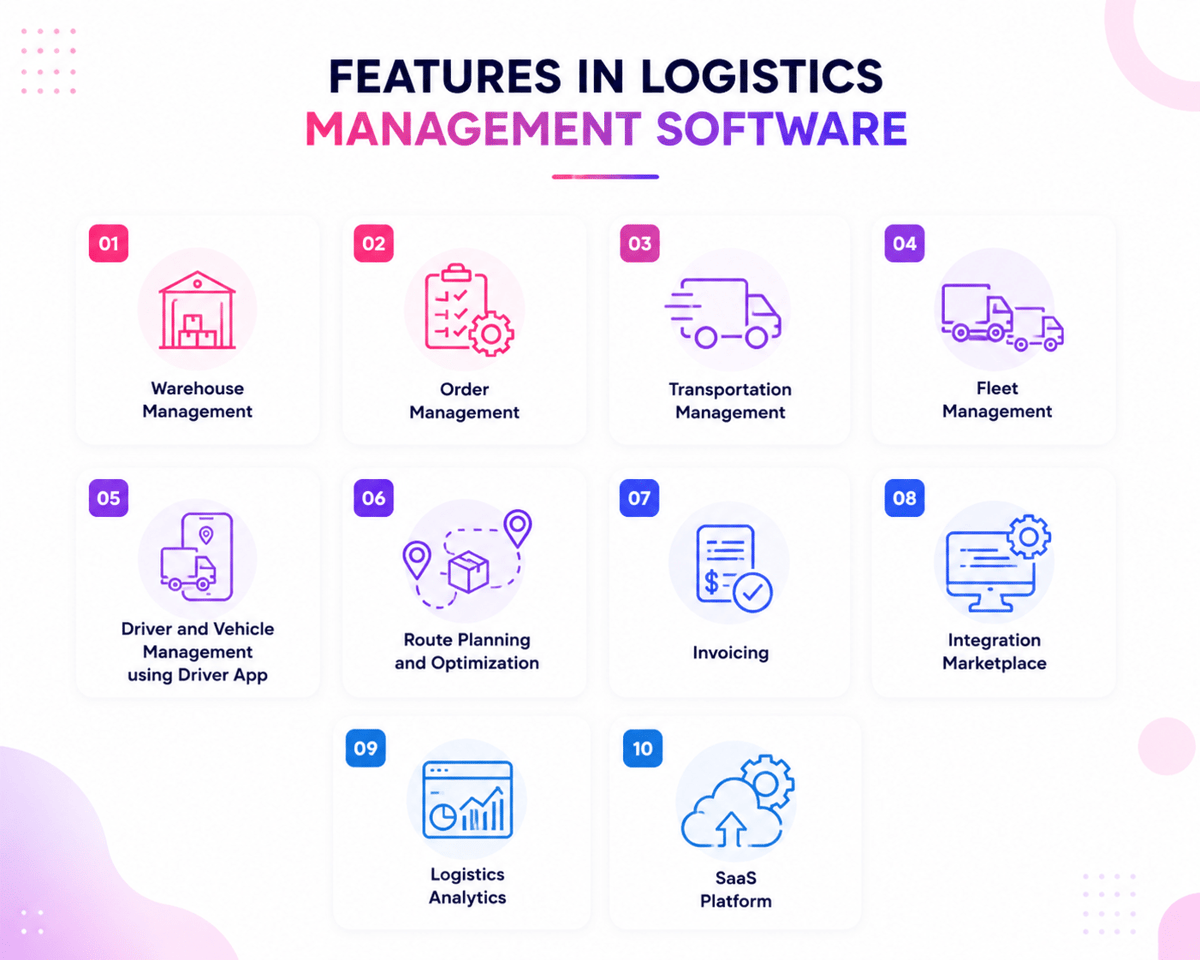
Key features of logistics software programs
Good logistics management software solutions earn value on busy days, not during demos. The best tools handle spikes, gaps, and rule changes without slowing teams. Here are the features that matter most in daily ops.
Real-time tracking and live status view
Live tracking gives ops leads a clear view of every active shipment. Logistics tracking software shows carrier status, delay alerts, and estimated arrival times. That view helps teams get ahead of late orders before buyers ask.
Also, live data helps with better labor plans at the warehouse. If a large inbound shipment will arrive two hours late, the team can adjust dock plans. That kind of real-time signal saves labor and cuts idle time. Furthermore, event-based alerts can push syncs to the help team. So buyers get fast, correct answers when they check on their order.
Carrier management and rate control
Carrier choice affects cost, speed, and service level on every order. Shipping and logistics software connects to many carriers and compares rates in real time. Teams can set rules to auto-select the right carrier per order type, zone, or weight.
Performance data also helps over time. A logistics management software can score each carrier based on on-time rate, damage claims, and cost trends. That data helps buying teams make better contract calls. So firms pay less for stronger service. In practice, carrier management also includes audit tools. Logistics software programs can check freight bills against agreed rates and flag any gaps for review.
Automation across daily operations
Automation cuts the time spent on repeat tasks across logistics ops. A logistics management system software can trigger order picks when payment clears, print labels when orders are packed, and send ship syncs when carriers scan packages.
Those small auto wins add up across thousands of orders each week. Also, logistics management software solutions can run exception workflows. If a shipment misses a scan point, the system alerts the right team. So teams react before buyers even know there is an issue.
- Label print triggers when orders are confirmed
- Ship syncs send when the carrier confirms pickup
- Exception alerts fire when scans fall behind the plan
- Restock signals are sent when stock drops below reorder points
Furthermore, auto links well with ecommerce fulfillment flows. For a plain guide on that, see ecommerce fulfillment automation.
Shipping and logistics software for supply chain management
A well-run supply chain gives firms a cost edge. But it needs clean data across every link. Many firms still run on split tools that do not talk to each other. That gap creates extra work, delayed syncs, and blind spots. Shipping and logistics software links those parts, so teams see one version of the truth.
Supply chains now span many firms, countries, and systems. Shipping and logistics software links those parts into one working view. Teams see vendor lead times, freight status, stock levels, and fill performance from one place.
That shared view helps buyers, planners, and logistics teams act from the same data. Also, chain logistics software helps firms handle supply chain risk. When a vendor falls behind, the system can flag at-risk orders early. So teams can source from a backup or push the ship date before buyers are let down.
How supply chain software handles complexity
A single order may pass through many hands before it reaches a buyer. A vendor ships a product, which goes to a warehouse, gets picked and packed, and then moves to a carrier. Each handoff creates a chance for delay or error. Chain logistics software tracks each step and links data across parties.
That linked view gives managers a clear picture of each order’s progress. Also, it helps track costs across the full journey. Teams can see freight, handling, and duty costs all in one report. So they can find where margins leak and make better pricing calls. Furthermore, logistics management software solutions help with cross-border complexity. Duty rules, customs forms, and compliance steps can all be managed inside the platform.
System integration and data flow
Most firms already use tools for ERP, ecommerce, and accounting. Transportation software logistics management system solutions link with those platforms. So data flows cleanly with no manual exports or sheet uploads.
When an order lands in the ecommerce platform, it syncs to the logistics system. The system routes the order, books a carrier, and syncs the tracking count back to the store. The buyer then gets an auto sync. That full loop cuts manual work at every step. Also, transport and logistics software links freight data with finance. Invoices can auto-match against agreed carrier rates. So teams catch billing gaps before month-end.
Logistic management software use cases across industries
Every industry faces its own logistics challenge. A grocery firm needs cold chain control. A fashion brand needs seasonal demand planning. A medical firm needs a lot of tracking and recall tools. But all of them need live data, clean records, and fast team alerts. Logistics management software solutions give each sector a fit tool built for its real ops needs.
Logistics management software solutions serve varied sectors. Each industry has its own flow, risk, and compliance needs. But the core goal stays the same: move goods faster, with fewer errors, at a lower cost.
Retail and ecommerce use cases
Retail firms tend to run both store and online fulfillment from the same stock pool. That mix needs tight logistics tracking software to avoid overselling or split shipments. Logistics management software solutions give retail ops a live view of stock across all channels.
Also, peak seasons create rapid demand spikes. A logistics management software can flex carrier rules and shift fill priorities as volumes rise. So teams keep service levels steady even when order counts double. Furthermore, return flows need the same level of care. A solid logistics software setup can automate return labels, track incoming goods, and sync stock as items come back.
Makers and distributors
Makers need tight links across buy orders, production, and outbound shipments. Logistics management system software links those stages so teams can plan with real data. If a vendor delays a key part, the system can adjust ship plans before the production line stops.
Distributors handle large order volumes across many buyers and ship zones. Shipping and logistics software helps route orders to the right fulfillment spot, pick the best carrier, and track each shipment. Also, multi-warehouse setups need smart routing rules. The system must decide which warehouse ships each order based on cost, stock, and speed. Chain logistics software handles those calls in real time with no manual reviews. For firms that also need to lift their outreach, see our guide to marketing automation for small businesses.
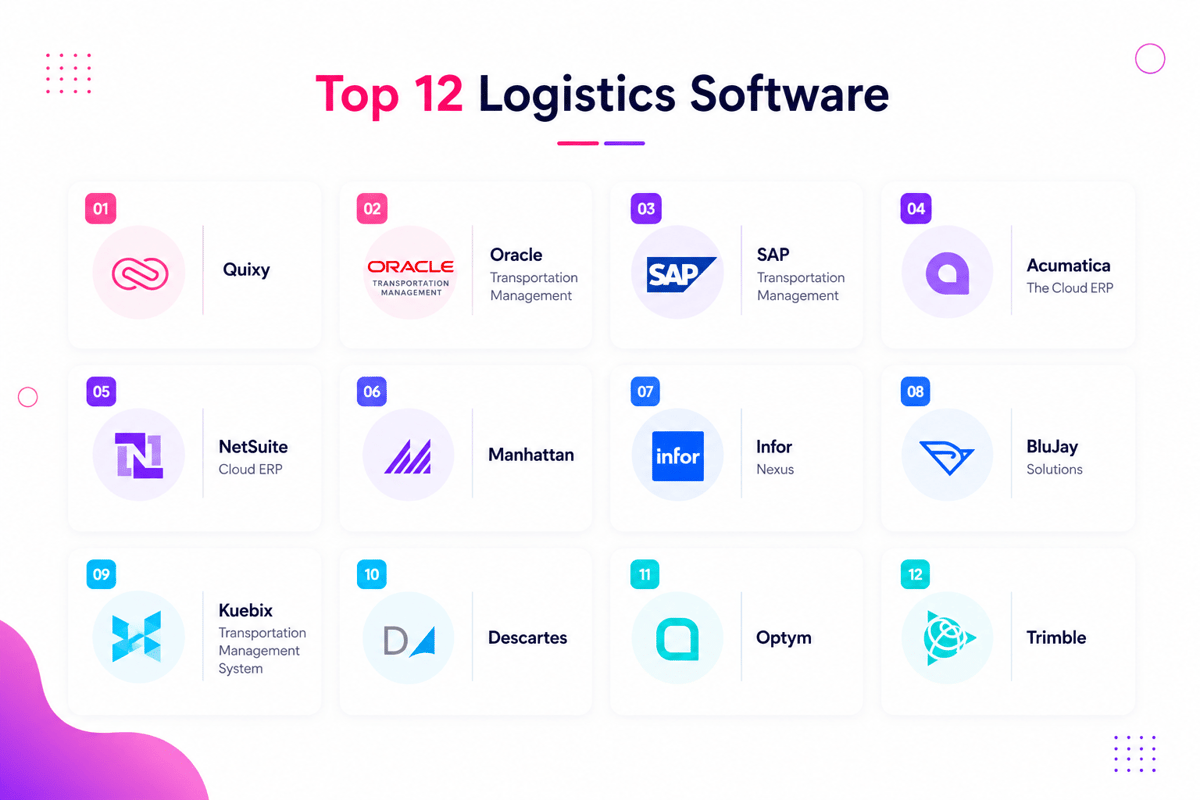
How to choose the right logistics management software solutions
The right logistics management software solutions fit your firm’s daily flow, not just a feature wish list. A good pick matches your order types, carrier mix, stock spots, and growth plan. Also, it should link cleanly with the tools you now use. A weak link between your ecommerce platform and logistics software will create manual work very quickly.
Start with your biggest logistics pain points
Most firms know where their logistics flow breaks. Orders arrive late, carrier rates feel high, or fill rates keep slipping. Use those pain points to build your shortlist. For example, if late ships are the core issue, look for strong logistics tracking software with real-time alerts. If carrier costs are rising, look for transport and logistics software with rate comparison tools.
In practice, most logistics problems have a data root. Teams lack live syncs, share stale reports, or rely on memory. A strong logistics management software fix tends to give teams faster, shared data first.
Compare fit, scale, and support for logistics software
A demo looks clean when using sample data. Real tests use your orders, your carriers, and your edge cases. Ask vendors to run a live test with your actual use cases. That step shows how well the logistics management system software handles your real flow.
Scale matters as your firm grows. The right logistics software programs should handle more orders, more carriers, and more stock spots with no major rework. Also, check the help quality before you sign. When a carrier integration breaks during peak season, fast help is worth more than any feature. Furthermore, the total cost should include setup, links, training, and future plan changes. A cheap plan tends to carry hidden costs once you start scaling. The best pick helps logistics management software solutions feel like part of your ops team, not a separate tool.
Conclusion
Supply chains are only as fast as the slowest data link. When teams lack live status, delays compound. Small gaps in tracking create large gaps in service. Logistics management software solutions close those gaps with one shared view. That view helps every team move faster with fewer manual checks.
Fast, clean logistics ops give firms a real edge. Logistics management software solutions link orders, carriers, stock, and teams in one clear flow. As a result, ops leads act sooner, fill more orders, and cut freight waste.
The best platforms cover shipping, tracking, carrier management, and reporting. Also, logistics software links with ERP, ecommerce, and warehouse tools. So data stays clean with no manual exports. Furthermore, logistics tracking software gives teams live delay alerts and carrier status in one place. So help teams answer buyer questions fast.
What strong logistics management software solutions deliver
Strong logistics management software turns daily ops data into faster calls. Teams skip the reactive mode and start planning with live facts. Transportation and logistics software also links freight costs with finance data. So leaders can see where margins leak across the supply chain.
Automation cuts the repetitive work that slows down every logistics team. Shipping and logistics software can handle label printing, carrier picks, status syncs, and exception alerts. In short, less manual work means fewer errors and more orders filled on time. Also, chain logistics software helps firms manage supply chain risk. When vendors delay, the system flags at-risk orders early.
Your next step for logistics software programs
Start with the gap that costs the most. Check fill rate, freight cost, and on-time ship data. Those counts tend to show where logistics software programs can help most. Then test a shortlist with real order data. The right logistics management software solutions should feel plain on busy days, not just during demos.
Retail firms should also check our guide to retail supply chain management software for sector-specific needs. Also, compare scale, links, and help quality before you sign. A system that handles today’s volume must also handle next year’s growth. The right pick gives ops teams a strong base for years.
Furthermore, management system tools keep growing as firms add channels and markets. Pick a platform that grows with you.
 Google AI
  OpenAI ChatGPT
 Frequently Asked Questions
What are logistics management software solutions?
Logistics management software solutions are digital tools that help businesses plan, manage, and track the movement of goods. They often include features for shipment scheduling, route planning, inventory visibility, carrier management, and reporting. These systems improve coordination across warehousing, transportation, and delivery operations.
How can logistics software improve business operations?
Logistics software helps reduce manual work, improve shipment visibility, and support better decision-making. Businesses can use logistics tracking software to monitor deliveries in real time, identify delays, and communicate updates faster. This can lead to lower costs, fewer errors, and more reliable customer service.
What features should I look for in logistics management software?
Good logistics management software should include shipment tracking, route optimization, order management, carrier integration, reporting, and automation tools. Many companies also look for transportation and logistics software that connects with ERP, warehouse, and accounting systems to create a smoother flow of information across departments.
Are logistics management software solutions useful for small businesses?
Yes, logistics management software solutions can help small businesses manage deliveries, control shipping costs, and improve customer communication. Cloud-based logistics software programs are often scalable, so companies can start with essential features and add more advanced tools as order volume and operational complexity grow.
What is the difference between shipping and logistics software?
Shipping and logistics software usually focuses on carrier selection, label creation, freight rates, and delivery tracking. Broader logistics management system software may also manage inventory movement, warehouse coordination, route planning, and performance analytics. In many businesses, both functions work together to support efficient supply chain operations.
How do I choose the right transportation software logistics management system?
Choose a transportation software logistics management system based on your shipment volume, carrier network, integration needs, and reporting requirements. Look for a solution that is easy to use, supports your current workflows, and can scale over time. For complex supply chains, chain logistics software with automation and real-time visibility is especially valuable.
I am an eCommerce expert with a strong focus on marketplaces like Amazon, eBay, and Etsy. Over the past decade, I have helped both startups and $1M+ revenue brands scale their sales through listing optimization, marketplace SEO, and AI-driven strategies. I also share articles and insights about eCommerce growth, marketplace operations, and multichannel selling.
You may also like

Enterprise parcel shipping software: what to check before you buy
Choosing the right enterprise parcel shipping software lowers logistics costs, boosts delivery performance, and simplifies complex carrier operations at scale. Explore the essential features, benefits, and selection criteria to optimize your multi-carrier strategy today.

Warehouse order fulfillment software: features and use cases
Warehouse order fulfillment software helps businesses streamline inventory, picking, packing, shipping, and returns from one connected platform. This brief outlines key benefits, features, use cases, and buying criteria for choosing fulfillment software that scales.

Inventory management cloud: how it works and when to switch
An inventory management cloud helps businesses track stock, automate workflows, reduce errors, and make faster decisions from anywhere. Benefits, use cases, selection criteria, and practical steps for adopting cloud-based inventory tools with confidence.