
Medical device inventory management: best free software and compliance
 Daniel Brooks
·
· 18 min read
Daniel Brooks
·
· 18 min read
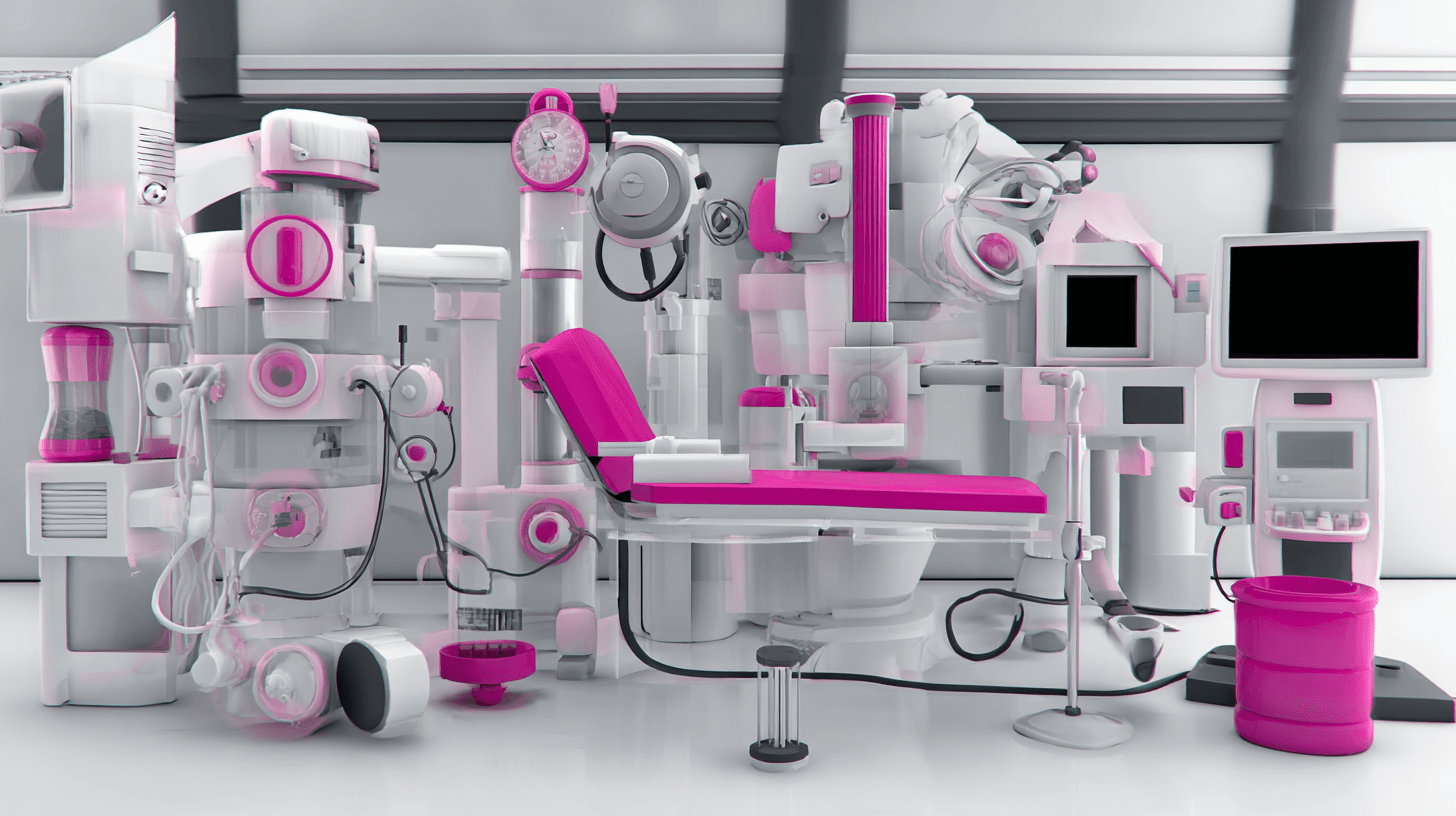
Medical device inventory management is a key part of any clinic or hospital. It keeps the right supplies on hand. So, staff can treat patients on time. It also gives you clear stock counts. And it cuts last-minute orders while improving operational efficiency.
Benefits of medical device inventory management for healthcare providers
For small and mid-sized providers, it is a great place to start. These tools are low-cost. They make tracking simple. You can log new items and see where each device sits. You can also set reorder alerts. So, you cut waste, reduce stockouts, and stop buying duplicates.
Many teams also use DME software to track durable medical equipment across locations. Combined with DME inventory management tools, providers can monitor stock movement, equipment status, and maintenance schedules more accurately.
Healthcare asset management and compliance
Connect Shopify, draw your floor, pick an order - free plan, 7-day full trial, no credit card, no sales call.
Summary
It covers clinics, labs, and small hospitals. It also explains how medical device inventory management software free tools help you control costs. And they keep the right items on hand.
First, the article covers how inventory systems work. They track supplies and devices by item, location, and condition. So, teams avoid overstock and prevent stockouts. They also find key items fast. This is much better than time-consuming manual work.
Next, it covers healthcare asset management. You can follow each device from purchase to use. Then you track service and disposal. This simple view helps with daily work. It also helps you stay ready for audits and maintain regulatory compliance.
Many healthcare providers also use DME inventory management software to monitor durable medical equipment, improve tracking accuracy, and reduce inventory mistakes across departments.
The guide also explains how medical device manufacturers and healthcare organizations use inventory data to manage equipment lifecycles more effectively. Better visibility supports healthcare practices, improves patient engagement, and helps medical practices maintain accurate records while meeting regulatory compliance requirements.
Finally, the guide shows how medical inventory management software builds better habits. Even free tools help. With steady tracking, you reduce waste. You also plan reorders with more confidence.
What is medical device inventory management software?
Medical inventory management software helps healthcare teams track supplies. It shows what you have and where it is. It also shows what you need to reorder. So, you prevent stockouts and avoid overbuying.
With medical device inventory management, you can automate daily tasks. For example, you can log check-ins and check-outs. You can assign devices to rooms or staff. You can also flag items that need service. Many systems send real-time alerts. So, teams act fast when stock runs low.
According to the Healthcare Financial Management Association, facilities that rely on manual tracking create 15 to 25% more waste. Manual work is slow and prone to errors. Automated systems fix this problem.
Common features include
- Tracking inventory levels
- Managing purchase orders
- Creating inventory reports
- Setting low-stock alerts
- Logging device check-ins and check-outs
These tools also support healthcare asset management. Staff can find devices quickly. They can also keep them ready for use. If you need medical device inventory management software free, start with tools that track counts and locations. Also, choose one that can grow into full medical inventory management software later.
For broader control beyond clinical settings, see our guide to inventory software for warehouse to improve storage, receiving, and fulfillment.
In many facilities, DME inventory software helps track durable medical equipment. As a result, teams improve patient safety and cut excess stock. Advanced medical equipment database software adds maintenance history and lifecycle status. This improves planning and audits.
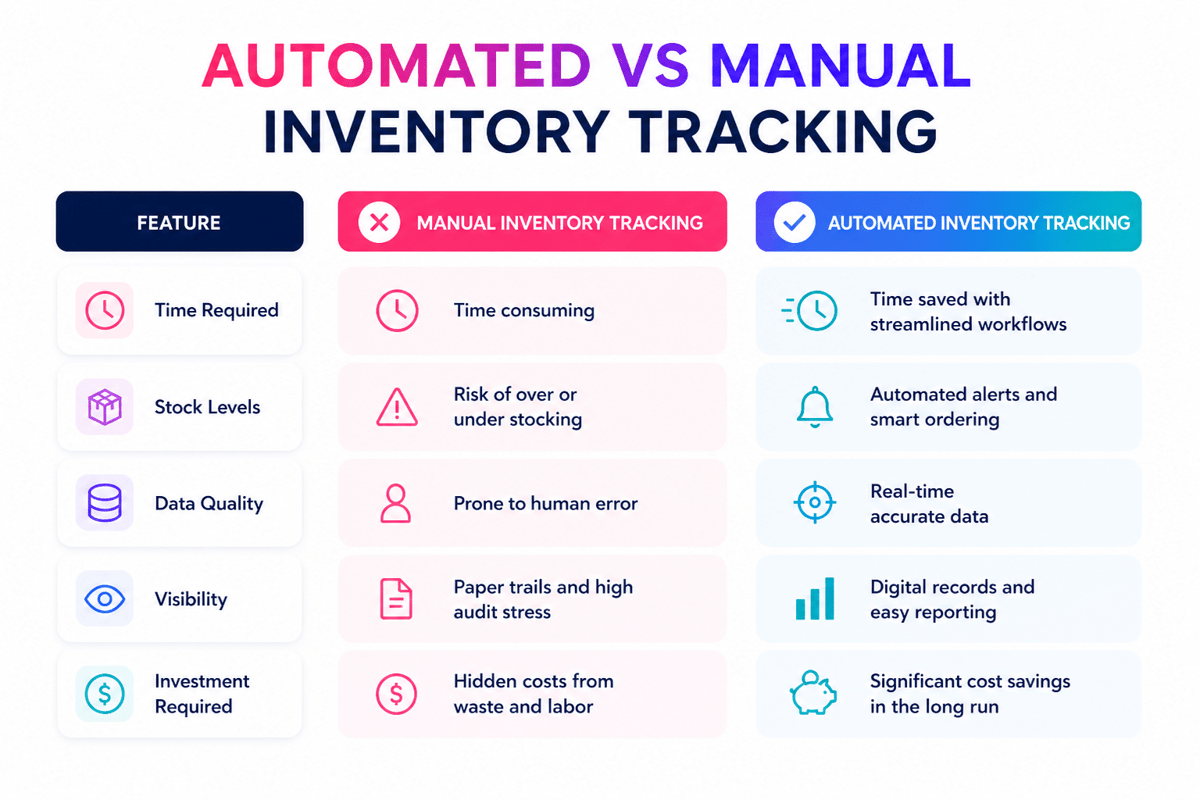
Why healthcare asset management matters
Healthcare asset management means tracking devices from purchase to disposal. It keeps equipment working and easy to find. It also helps you meet key regulations. And it supports medical equipment inventory management.
When you manage assets well, you avoid delays. You also reduce shortages. As a result, your team uses supplies and devices better. You cut waste. And you stop buying items you already have. Many teams start with medical device inventory management software free to build simple, repeatable workflows.
Main benefits of healthcare asset management
- Faster check-in and check-out for shared devices
- Clearer ownership, location, and status for each item
- Stronger compliance with healthcare rules
- Less time spent searching for missing equipment
- Better readiness for inspections and audits
With the right tools, teams spend less time on paperwork. For example, medical inventory software tracks device status, location, and usage in one place. This is far less time-consuming than manual logs. If you need a simple start, free medical supply inventory software covers basic tracking with fewer steps.
As your facility grows, medical inventory management software supports audits and maintenance schedules. It also supports consistent medical equipment inventory management across your whole facility.
To see how these tools scale beyond healthcare, see our complete guide to inventory management software for modern businesses.
Modern medical supply software also helps track durable medical equipment across multiple sites. This improves handoffs between teams. It also reduces excess stock. Plus, medical equipment database software prompts timely checks and repairs. So, safety improves.
How medical device inventory management systems work
It helps to know what these systems do each day. The process is simple. Here is how most teams use them. A modern software solution helps healthcare organizations track supplies, equipment, and usage data while supporting better inventory control.
Receiving stock with medical device inventory management
When new items arrive, staff scan or log them. The system updates the count right away. It also records the location. So, there is no need to update a spreadsheet by hand. This saves a lot of time. It also cuts mistakes.
Some systems also match incoming items to a purchase order. This confirms the right items arrived. It also spots any missing goods. As a result, billing stays accurate.
Many facilities use medical device inventory tracking software to monitor incoming devices from the moment they arrive. This type of medical device inventory tracking software improves visibility and helps teams manage medical equipment more effectively.
Tracking daily use with medical device inventory software
Each time a device or supply is used, staff log it. Many tools use barcodes or QR codes. Staff just scan the item. The system records who used it, when, and where. This is much less time consuming than paper logs.
Also, the system tracks which items are running low. It sends an alert when stock drops below a set level. So, you reorder before you run out. This stops stockouts from happening.
Healthcare providers rely on inventory data to support high quality patient care. Accurate tracking helps staff locate supplies faster and make informed decisions about purchasing and replenishment.
Many organizations use medical device inventory tracking software to connect inventory usage with clinical workflows. Better visibility helps teams manage medical supplies while reducing waste and shortages.
Managing locations with medical device inventory tracking
Medical devices move around a lot. They go from one room to another. They also get sent for service. Good healthcare asset management software tracks all these moves. You always know where each device is. So, staff spend less time looking for equipment.
Also, the system flags devices that are due for service. You can set schedules for cleaning, repair, or calibration. As a result, you meet safety rules. And devices last longer.
Many organizations use preventive maintenance schedules to reduce unexpected equipment failures. Automated reminders support preventive maintenance activities and help ensure critical devices remain available when needed.
A growing number of facilities choose medical device inventory tracking software because it combines location tracking, service records, and maintenance history in one place.
Running reports
At the end of the week or month, you can run reports. These show how much stock you used. They also show which items cost the most. And they flag any missing or expired goods.
These reports help you plan better orders. They also help you cut waste. Over time, your data gets better. So, your decisions get better too.
Detailed reporting supports informed decisions about inventory levels, supplier performance, and purchasing strategies. Better reporting also contributes to high quality patient care by helping teams maintain the right stock at the right time.
Many healthcare providers integrate inventory tools with practice management software. This connection allows inventory activity, procurement data, and operational reporting to work together inside one software solution.
Benefits of free medical inventory software
Top benefits include:
- Better tracking and control with medical inventory management software
- Fewer shortages and less waste
- Stronger healthcare asset management
- Less time-consuming daily stock counts and manual logs
- Better support for high-quality patient care
- Easier integration with practice management software
- Stronger inventory visibility through medical device inventory tracking software
Many free tools offer cloud access. So, staff can update counts from any device. Even during busy shifts. As a result, teams share one source of truth. And they spend less time on manual logs.
Some tools also add audit trails. These logs show who took an item and when. That record helps with recalls and inspections. Also, clear usage data supports smarter ordering and safer care.
Healthcare facilities increasingly use EMS supply inventory software to maintain emergency preparedness and streamline supply management. These platforms help teams manage medical inventory more effectively while supporting and enhancing patient outcomes through better inventory visibility and faster response times.
The right software solution helps organizations reduce waste, improve accountability, and support enhancing patient care across departments. Combined with medical device inventory tracking software, EMS supply inventory software, and practice management software, healthcare providers can create a more connected and efficient inventory management process.
To take compliance even further, explore how AI for inventory management automation can predict demand and reduce stockouts.
Key features to look for in free medical supply inventory software
When you choose free medical supply inventory software, focus on features that make daily work easier. The right tools help your team run medical equipment inventory management with less effort and fewer errors.
Real-time medical device inventory tracking
Real-time tracking matters most. It shows what you have right now, by location or room. So, you always know your true stock count. There are no surprises.
Automatic alerts
Automatic alerts help you act fast. They warn you when items run low. So, you can reorder early. This avoids delays in patient care. It also stops time-consuming emergency orders.
Integration options
Your medical inventory management software should connect with your other tools. For example, it should link to your electronic health records (EHR). So, staff spend less time on double entry. And records stay clean. This also supports better healthcare asset management.
Barcode and QR codes for medical device inventory management
Barcode scanning speeds up stock counts. Staff scan items instead of typing by hand. This is faster and more accurate. QR codes hold more data. They also scan from any angle. So, scanning works even in busy, fast-paced settings.
Simple layout
A clear layout helps new staff learn fast. It also reduces mistakes. If you need medical device inventory management software free, start with a free plan. Then upgrade when you need more users or stronger reports.
Must-have features at a glance
- Real-time inventory updates
- Automatic low-stock notifications
- Easy integration with EHR systems
- Barcode and QR code scanning
- Audit trail and usage history
- Mobile app or mobile-friendly access
As you scale, see how cloud based inventory software can improve access, updates, and teamwork across locations.
Top free medical device inventory management software options
Free inventory tools help healthcare teams track devices and supplies without extra cost. Each option works best with a different workflow. So, compare how your team receives, stores, and issues items.
OpenMRS
OpenMRS is a popular open-source platform. It supports basic tracking for medical inventory software needs. You can also customize fields, user roles, and reports. Because of that, it supports flexible healthcare asset management across clinics and departments. It is free to use and has a large support community.
Vesta care
Vesta Care offers cloud-based inventory management software. Since it runs in the cloud, staff can check stock and updates from any location. As a result, teams stay aligned. And they avoid delays during shifts and handoffs.
GNU health
GNU Health is built for healthcare teams. It includes core inventory tools. It also supports compliance with common medical rules. Like OpenMRS, it is open-source. It works well as medical inventory management software you can adapt to your process.
Top free options at a glance
- OpenMRS – Customizable and open-source
- Vesta Care – Cloud-based with remote access
- GNU Health – Healthcare-focused with compliance support
To choose the best fit, match the tool to your team’s process. The right medical device inventory management software free option cuts time-consuming manual work. It also helps prevent stockouts. And it keeps care teams focused on patients.
When you review these tools, look for clear audit trails. Good logs show who moved an item and when. This supports inspections and makes reviews faster.
Our guide to inventory tracking explains how to monitor stock levels accurately in real time.
How to choose medical device inventory management software
Picking the right medical inventory software takes some planning. But it is worth it. Follow these steps to find the best fit.
Step 1: write down your needs
Start by listing what your facility needs most. Which items do you track daily? Who updates the counts? Clear goals help you support medical equipment inventory management without extra steps.
Step 2: check system compatibility
Next, confirm the tool works with your current systems. For example, does it connect with your EHR? If yes, your team can share data faster. And records stay in one place. This matters even more if you want software free but still need a smooth workflow.
Step 3: focus on ease of use
After that, focus on ease of use. If the system feels hard, staff will avoid it. That creates more time-consuming work in the long run. Instead, pick medical inventory management software with a clean layout. Also, check mobile access. Staff may count stock on carts or in procedure rooms.
Step 4: plan for growth
Finally, plan for growth. If you add locations or devices, choose a tool that scales. It should also support healthcare asset management. Also, review user limits and export options. So, you keep control as your inventory grows.
Key things to consider
- Must-have features that match your daily work
- EHR compatibility so data moves smoothly between systems
- Ease of use so your team learns it fast and sticks with it
- Mobile access for staff who work away from a desktop
- Scalability so the tool grows with your facility
Medical device inventory management implementation tips
Introducing free medical supply inventory software can improve daily work. But success depends on how you roll it out. Here are the key steps.
Start with training
Begin with hands-on training. Show staff how to add items and scan barcodes. Also show them how to record check-ins and check-outs. Then give them quick job aids. So, they can solve common tasks fast on their own.
Roll out in stages
Next, roll out the tool in stages. Start with one department. Track results. Gather feedback. Fix issues. Then expand. This step-by-step plan supports medical device inventory management and reduces downtime during change.
Assign an owner
Assign one person to own the system. They review low-stock alerts each week. They also check for expired items or missing devices. This keeps data clean. And it builds trust in the system over time.
Turn on audit trails early
Turn on audit trails from day one. Explain to staff why they matter. These logs show who moved an item and when. They support compliance. And they make inspections much less time-consuming.
Simple adoption tips
- Train staff well so they feel confident using the system
- Start small with one department before a full rollout
- Review and adjust steps based on real use
- Assign one owner for weekly checks and updates
- Use audit trails from day one to support compliance
Limitations and when to consider paid solutions
Medical inventory software covers the basics well. But free tools have limits. For example, they may cap users, storage, or item counts. They may also skip barcode scanning, alerts, or audit trails. As your facility grows, these gaps slow work. They also cause errors. And they make daily tasks more time-consuming.
Consider a paid plan when you need
- More customization so the system fits your workflows and item types
- Better integration with billing, EHR, purchasing, or labeling tools
- Stronger security to protect sensitive data and control access by role
- Advanced reporting with detailed audit logs and compliance dashboards
- Support for high-value items like implants, kits, and loaner equipment
Also, if you manage implants, loaner kits, or high-value equipment, you may need more features. These include service schedules, calibration logs, and chain-of-custody tracking. When your team relies on it every day, a paid tool helps a lot. It improves reporting, speeds up support, and reduces stockouts.
In the long run, the right medical inventory management software helps you stay compliant. And it lets you scale with confidence.
Medical device inventory management mistakes to avoid
Even with good tools, teams make mistakes. Here are the most common ones. And how to avoid them.
Not training staff properly
Many teams skip training. They assume staff will figure it out. But this leads to errors. It also leads to low adoption. So, always plan time for proper training. It is not as time-consuming as fixing mistakes later.
Using too many systems at once
Some teams use one tool for devices and another for supplies. This creates confusion. Data gets split. It also makes reporting hard. Instead, use one system for everything. This is the core idea behind good healthcare asset management.
Skipping regular audits
Even the best system needs regular checks. Set a schedule. Review counts once a week or once a month. Also, compare the system data to what is on the shelf. This catches errors early. And it keeps your data clean.
Not setting reorder points
Many teams wait until stock runs out before they reorder. This leads to stockouts. Instead, set a reorder point for each item. When stock drops to that level, the system sends an alert. So, you order before you run out.
Ignoring expiry dates
Medical supplies expire. If you ignore this, you may use expired items. This is a safety risk. Good free medical supply inventory software tracks expiry dates. It alerts you before items expire. So, you can use them in time or dispose of them safely.
Conclusion: getting started with free medical inventory management
Free medical supply inventory software is a smart first step. It lets you try digital tracking at no cost. As a result, your team can start medical device inventory management right away. And you build steady habits.
First, write down what you track each day. Include devices, consumables, lot numbers, and expiry dates. Then set simple rules for check-in, check-out, and restock. So, everyone follows the same process. Next, pick a tool that fits your workflow today. But make sure it can grow with you.
Many teams start with medical inventory software and add barcode scans and alerts later. This avoids the time-consuming work of switching systems. If you store equipment in different rooms, choose healthcare asset management features. So, staff can find items fast.
Also, plan short training. Assign one owner to keep data clean. Over time, medical inventory management software cuts waste, prevents stockouts, and protects patient care. All while you stay on budget.
If you are ready to improve your system even more, take a look at the benefits of automated inventory management.
 Google AI
  OpenAI ChatGPT
 Frequently Asked Questions
What is medical device inventory management software?
Medical device inventory management software is an essential inventory management solution that helps healthcare facilities track and manage inventory of medical supplies and equipment. It ensures real-time visibility into stock levels, reduces waste, prevents stockouts, and ensures that critical medical equipment is available when needed.
Can I find medical inventory software for free?
Yes, several free inventory management solutions are available for tracking medical equipment. These tools typically include features such as real-time stock level updates, expiration date monitoring, and basic barcode scanning, making them ideal for small to medium-sized healthcare facilities.
How does free medical supply inventory software help small clinics?
Free medical inventory software helps small clinics manage inventory more efficiently. It minimizes shortages, tracks lot numbers, and reduces administrative burdens—all without requiring a financial investment. This leads to better organization and resource usage in day-to-day operations.
What are the must-have features in free healthcare inventory software?
Essential features include real-time visibility into stock, barcode scanning, low-stock alerts, expiration date tracking, and EHR integration. A user-friendly interface also ensures your team can easily manage daily inventory tasks with accuracy and speed.
How is healthcare asset management different from regular inventory tracking?
Healthcare asset management goes beyond supply levels—it covers the entire lifecycle of medical equipment, from acquisition to disposal. It ensures compliance, maintenance, and availability, while inventory tracking is focused mainly on current stock levels and order management.
What are some good free options for medical device inventory management?
Popular free tools like OpenMRS, GNU Health, and Vesta Care offer features like inventory tracking, reporting, barcode scanning, and limited integration capabilities. While they may lack some advanced functions, these platforms are useful inventory management solutions for smaller facilities.
When should a healthcare facility consider paid inventory software?
Facilities should consider paid inventory software when they need features like advanced real-time analytics, deeper EHR integration, automated expiration date alerts, and scalable solutions for growing organizations. Paid tools often provide enhanced support and stronger security.
How can I ensure successful adoption of free inventory software?
To ensure successful implementation, provide staff training, roll out the system in stages, and use features like barcode scanning and low-stock alerts to simplify workflows. Choosing a user-friendly inventory management platform improves staff engagement and long-term success.
Is free medical inventory software secure?
Most free tools include basic security features, but they may not offer the same data protection as paid solutions. For managing sensitive information or medical equipment data, especially at scale, consider solutions with robust compliance and cybersecurity measures.
Does free software integrate with electronic health records (EHR)?
Some free inventory tools support basic EHR integration, enabling synchronized tracking of medical supplies and patient data. However, compatibility varies, so ensure the software aligns with your existing systems before adopting it.
I specialize in building scalable eCommerce systems powered by AI and automation. My work focuses on growing sales across Amazon, eBay, and Etsy through technology integration, data-driven strategies, and performance optimization. I also publish articles and insights about eCommerce technology, warehouse operations, and multichannel growth.
You may also like

How to choose an ecommerce marketplace service provider for scalable growth
Learn how an ecommerce marketplace service provider helps businesses launch, manage, and scale a profitable ecommerce marketplace. Platform choices, vendor operations, software tools, management services, costs, and practical selection tips.

Ecommerce software solutions: features, costs and how to choose
Learn how to evaluate ecommerce software solutions for online stores, marketplaces, and retail teams. Essential features, vendor comparisons, implementation tips, and practical ways to choose software that supports growth, operations, and customer experience.

Multi-carrier shipping software: features and how to compare options
How multi carrier shipping software compares rates, prints labels, tracks orders and handles returns, and which features to check before you choose one for your store.