
Multi-Carrier Shipping Software: The Complete Guide to Smarter Ecommerce Shipping
 Emily Carter
·
· 16 min read
Emily Carter
·
· 16 min read 
Ecommerce shipping now shapes margin, loyalty, and repeat orders. A cart can convert well, yet weak delivery choices still drain profit. High rates, slow labels, and manual carrier checks create hidden costs. Multi-carrier shipping software gives stores one place to compare services, print labels, track parcels, and manage exceptions. The value comes from choice. Teams can match each order with the right carrier, service level, and rate.
Unlike basic carrier portals, multi-carrier shipping software supports decisions across every shipment, not one network. That difference matters when order volume rises. Small rate changes can move monthly profit by thousands.
Why Carrier Choice Matters
Single-carrier shipping often works at the start. Growth changes the math quickly. New zones, heavier parcels, and faster delivery promises expose rate gaps.
With multi-carrier shipping software, each shipment can follow a better path. A lightweight local order may need one carrier. A bulky cross-border package may need another. This flexibility protects margin without slowing fulfillment.
Modern ecommerce shipping solutions reduce guesswork before label purchase. Rates, transit times, surcharges, and delivery options appear side by side. Clear comparisons help teams avoid costly service choices.
A Smarter Base for Growth
The right online shipping software connects orders, inventory, carriers, and tracking updates. Staff spend less time moving data between systems. Customers receive clearer delivery details after checkout.
For many stores, shipping management software becomes the control point for daily fulfillment. It can apply rules for package weight, destination, order value, and delivery speed. Those rules remove repeated decisions from busy teams.
Multi-carrier shipping software also fits different stages of growth. A founder may need simple shipping software for a small business to save time. A larger team may need shipping software for ecommerce with carrier rules, batch labels, returns, and reporting.
The best systems do more than print labels. Strong shipping apps help stores price shipping with care, spot carrier issues, and plan capacity. Multi-carrier shipping software turns shipping from a last-minute task into a planned cost and service decision.
What Is Multi-Carrier Shipping Software?
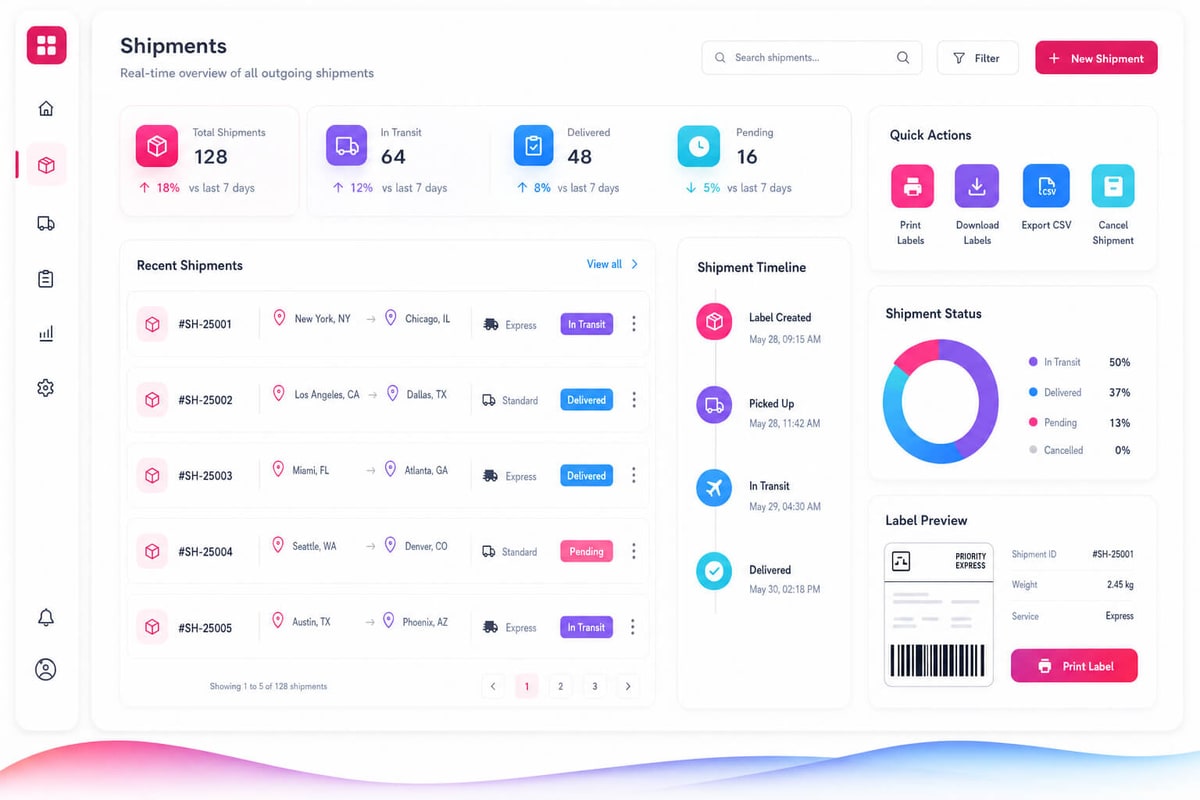
Multi-carrier shipping software connects an online store to several carriers through one system. It helps teams compare rates, print labels, track parcels, and manage delivery rules. Teams do not need to switch between carrier portals. Most stores start with one carrier and a simple label tool. Growth makes this harder. Order volume increases, delivery zones expand, and customer expectations change. A central system makes these processes easier to manage.
How the Software Works
A strong platform pulls order data from ecommerce stores, marketplaces, and order tools. It then selects carrier services based on cost, speed, package size, and destination. Multi-carrier shipping software often includes rate shopping, label creation, tracking updates, and exception alerts. Teams can catch delivery problems sooner and reduce manual checks.
The system can also apply shipping rules automatically. Lightweight orders may use postal services. High-value orders may require signature confirmation. This keeps shipping decisions consistent.
Where It Fits in Ecommerce
For growing brands, online shipping software becomes part of daily fulfillment. It connects checkout promises with warehouse operations, carrier pickups, and customer tracking. Many ecommerce shipping solutions focus on rates and labels. Broader shipping management software can also handle returns, reporting, carrier performance, and team access. Multi-carrier shipping software gives retailers more flexibility. Stores can switch services when one carrier raises prices or faces delays. This is especially useful during peak seasons.
The same benefits apply to shipping software for ecommerce and shipping software for small business. Small teams get more control without building a large logistics department. Multi-carrier shipping software does not replace carriers or fulfillment teams. It connects their work in one system. This supports faster decisions, cleaner data, and fewer shipping errors.
That foundation also helps teams connect order data with inventory, returns, and shipping and receiving software.
Connect Shopify, draw your floor, pick an order - free plan, 7-day full trial, no credit card, no sales call.
Why Ecommerce Shipping Solutions Matter for Growing Stores
Growing stores feel shipping pressure before most teams expect it. More orders create more labels, more exceptions, and more customer questions. Multi-carrier shipping software gives teams one place to manage that work. It connects carriers, rates, labels, tracking, and order data without constant tab switching.
Growth Exposes Shipping Gaps
Manual shipping may work at ten orders each day. At one hundred orders, small delays start to cost real money. Carrier choice plays a larger role during ecommerce sales growth. The right ecommerce shipping solutions compare rates, service levels, and delivery dates before each label prints. Without connected tools, teams often choose familiar carriers by habit. Multi-carrier shipping software helps them pick lower-cost or faster options with better data.
Better Control Across Carriers
Growing stores need clear rules on every channel. Ship software can set those rules by weight, zone, order value, or due date. That cuts guesswork on busy days. Standard orders go one way. Urgent ones go another. The software also helps support teams track orders. Buyers get clearer updates. Staff spend less time checking carrier sites. For many brands, multi-carrier ship software links sales to fill. It keeps margins safe and ship dates on time. The same holds for small stores. As volume grows, fewer manual steps mean fewer wrong labels and missed services.
Multi-carrier shipping software also gives leaders better cost data across carriers. That shared view also gives teams cleaner data for ecommerce order management.
Key Features to Look for in Shipping Software for Ecommerce
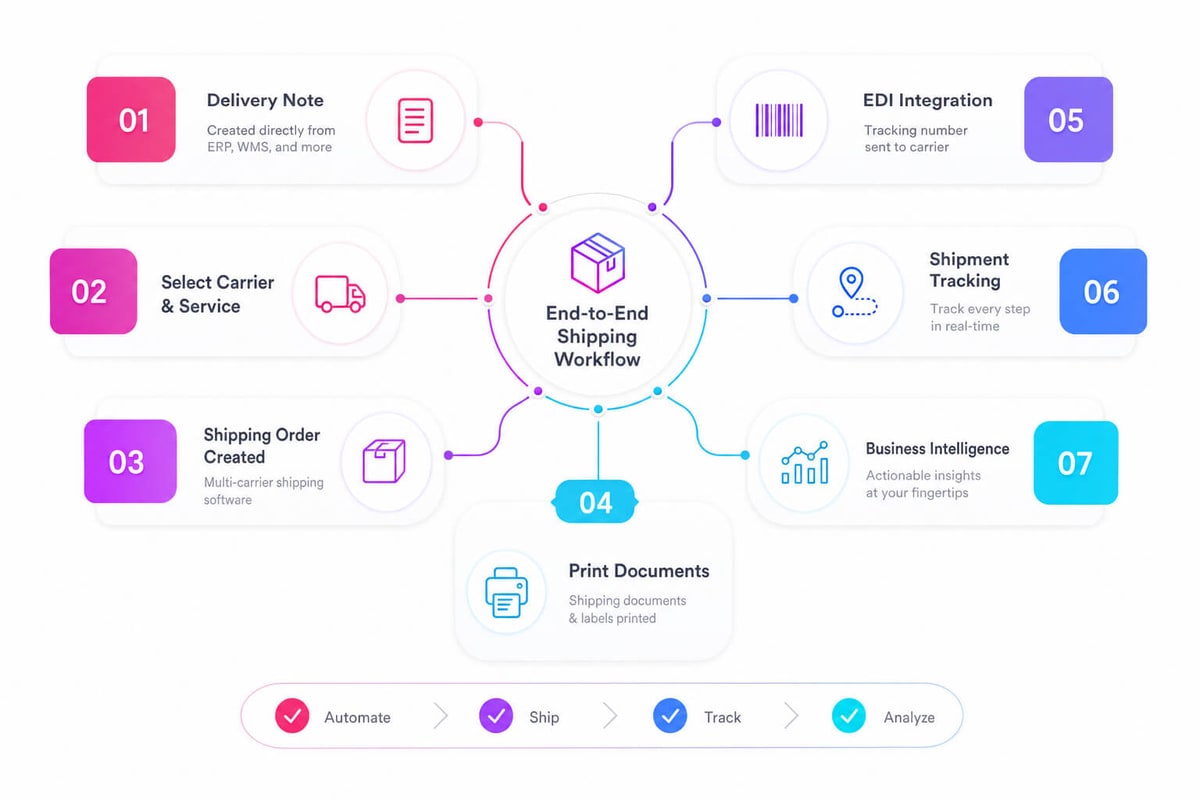
The best shipping software for ecommerce connects orders, carriers, rates, labels, and tracking in one place. Strong tools reduce manual work while giving teams clearer control over daily shipments.
Multi-carrier shipping software matters because each order has different cost, speed, and service needs. A good system compares carrier options fast, then supports the right choice for each package.
Carrier Rates, Labels, and Rules
Real-time rate shopping sits at the center of useful ecommerce shipping solutions. The software should compare live rates across carriers, service levels, zones, and package types before label creation.
Multi-carrier shipping software also needs strong label tools. Teams should be able to print labels in batches, split shipments, and support return labels without retyping order details.
- Rate comparison across national, regional, and local carriers
- Batch label printing for high-volume shipping days
- Shipping rules based on weight, value, location, or service level
- Automated tracking updates sent back to the ecommerce platform
Shipping rules create major time savings for growing stores. For example, multi-carrier shipping software can route lightweight orders to one carrier and oversized orders to another.
Integrations, Visibility, and Reporting
Good links help ship teams skip copy-and-paste work. Strong ship software connects with markets, carts, stock tools, and site systems. It should also show clear order status at all times — labels, transit updates, delivery issues, and returns in one place. Reports turn ship data into better calls: cost per order, speed by carrier, surcharge trends, and late ship rates.
For small teams, ease of use matters. The best ship software for small stores keeps setup simple while still growing across channels and carriers. Mobile access helps too — some apps support barcode scans, quick label checks, and order lookup from the floor. A strong ship solution gives teams control with no extra steps, and works best when order data flows clean from checkout through fill.
The right feature set creates fewer errors, lower shipping costs, and faster handoffs. That shared data model also connects shipping decisions with online order management software.
How Shipping Apps Support Faster Fulfillment Workflows
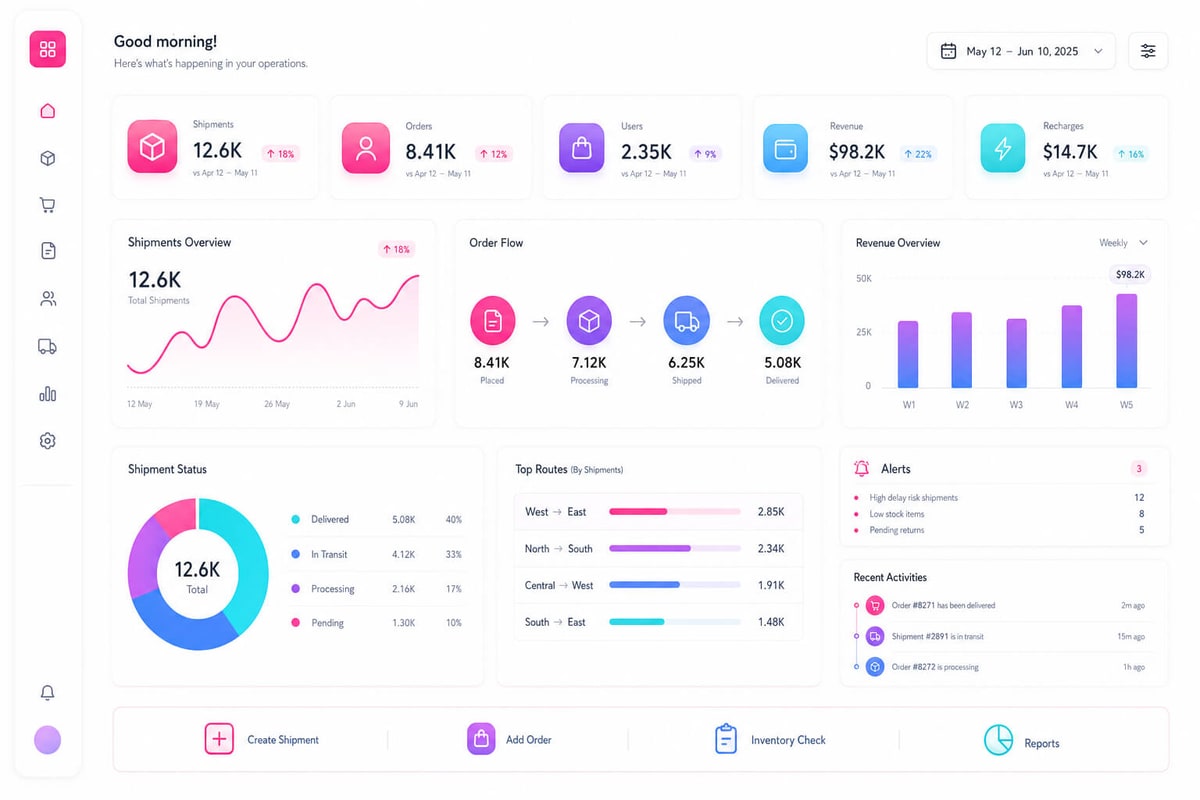
Shipping apps give fulfillment teams faster access to order, carrier, and label data. When these tools connect with multi-carrier shipping software, staff can process more orders without switching systems.
Speed often improves because the app removes small manual tasks. Rate checks, address checks, label creation, and tracking updates can happen from one screen.
Fewer Manual Steps Between Order and Label
Modern online shipping software pulls order details from sales channels automatically. The system can match each order with package rules, service levels, and delivery promises.
Multi-carrier shipping software then compares carrier options in real time. Teams can select a lower-cost service or a faster delivery method before printing the label.
This workflow helps reduce common packing delays. Staff spend less time copying addresses, checking carrier portals, or fixing label errors after orders reach the packing station.
- Batch label printing helps teams process similar orders together.
- Barcode scans confirm each item before shipment leaves.
- Automated tracking emails reduce “where is my order” requests.
Better Visibility Across Fulfillment Teams
Shipping management software gives managers a clearer view of daily workload. They can see which orders are ready, packed, delayed, or shipped. With multi-carrier shipping software, teams can also track carrier performance. Late pickups, service gaps, and cost changes become easier to spot before they affect more orders. For growing stores, these tools support better labor planning. A warehouse lead can assign staff based on order volume, cut-off times, and carrier pickup windows.
The same structure supports shipping software for ecommerce and shipping software for small business. A connected workflow also gives growing teams a path toward broader logistics management software solutions.
Shipping Software for Small Business: Practical Use Cases
Small retailers often hit shipping limits before sales limits. Stores receive orders from marketplaces, websites, and social channels. Manual rate checks slow teams and raise error risk. Multi-carrier shipping software brings these tasks into one workspace.
A strong shipping software for small business setup supports daily decisions. Multi-carrier shipping software compares rates across postal, parcel, and regional carriers. Staff can choose the right service by cost, speed, and package type. This helps protect margins without slowing fulfillment.
Daily Fulfillment for Lean Teams
Lean teams need simple routines that hold up under pressure. Online shipping software can import orders and print labels in batches. A team can turn 80 labels into one controlled process. That replaces 80 separate carrier logins and manual entries.
Multi-carrier shipping software also supports clear shipping rules. Lightweight items can move through postal services. High-value orders can require signatures or insured delivery. Bulky orders can shift to carriers with better dimensional rates.
- Batch label printing reduces packing station delays.
- Address checks cut failed deliveries and reshipment costs.
- Tracking emails reduce customer questions after dispatch.
- Return labels create a clearer post-purchase process.
Growth Scenarios That Need Carrier Choice
Sales spikes expose weak shipping processes very quickly. Product launches, holiday peaks, and influencer campaigns all create volume swings. Multi-carrier shipping software helps route orders when one carrier reaches capacity. Another carrier can keep promised delivery dates on track.
Subscription sellers gain value from repeatable shipping rules. A shipping management software platform can group recurring orders by zone. That reduces warehouse walking time and lowers label mistakes. Predictable batches also make pickup scheduling easier.
Expanding brands often need more than basic shipping apps. Shipping software for ecommerce can connect stores, warehouses, and carriers. Owners can review delivery performance by service and region. Those reports support better rate talks and smarter carrier choices.
Retailers comparing ecommerce shipping solutions often focus only on rates. Daily fit matters just as much for small teams. For many growing stores, multi-carrier shipping software becomes the shipping layer that pairs with reliable order fulfillment software.
Best Ecommerce Shipping Solutions: How to Compare Options
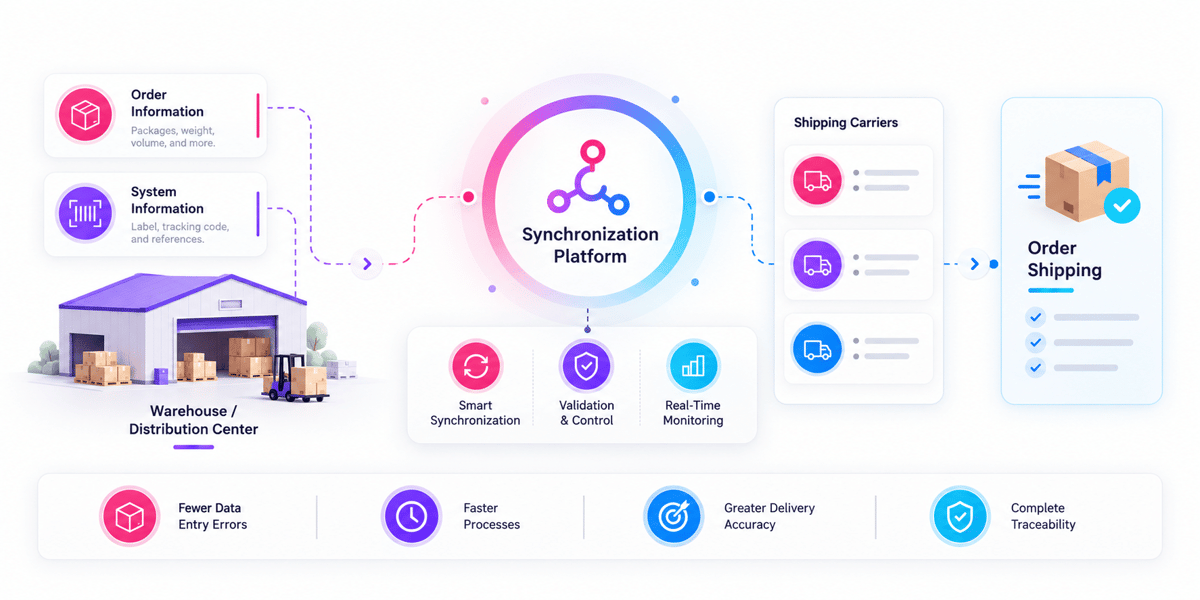
The best ecommerce shipping solutions match carrier choice, order volume, and customer promise. A low monthly fee matters less if labels fail during peak hours.
Strong comparisons start with daily shipping tasks. The right multi-carrier shipping software should cut clicks, reduce rate mistakes, and support faster handoffs between teams.
Carrier Coverage and Rate Control
Carrier access shapes both cost and delivery speed. Effective multi-carrier shipping software compares live rates across regional, national, and international services.
Rate shopping should reflect real rules, not only the cheapest label. Teams with omnichannel fulfillment operations also need logic for stores, warehouses, and marketplaces. Better rules protect margin when order mix changes.
Some ecommerce shipping solutions include discounted carrier rates. Others connect to negotiated accounts. The better fit depends on shipment volume, package size, and delivery zones.
Workflow Fit and Total Cost
Workflow fit often separates average tools from lasting systems. Good online shipping software connects orders, prints labels, updates tracking, and closes the shipment record.
A strong platform also works with existing sales channels. Many brands compare shipping apps first, then move to fuller shipping management software as volume grows.
- Review setup time and support quality before price.
- Check how returns, split shipments, and batch labels work.
- Compare reporting depth across carriers and service levels.
- Confirm the system can handle peak order days.
The best shipping software for ecommerce gives operators clear choices without slowing fulfillment. For lean teams, shipping software for small business should also keep setup simple.
Total cost includes more than subscription fees. Strong multi-carrier shipping software reduces voided labels, late shipments, support tickets, and manual carrier checks.
A final shortlist should connect shipping performance with warehouse work. The strongest choice also links carrier decisions with inventory, picking, and warehouse order fulfillment software.
Best Shipping Software for Small Business: Buying Criteria
The best shipping software for small business does more than print labels. Buying criteria should reflect order volume, team size, carrier mix, and return rules. Multi-carrier shipping software works best when it fits daily shipping habits.
A strong platform gives owners clear rate comparisons before each shipment. It also brings orders, labels, tracking, and returns into one workspace. That matters when staff handles packing, support, and purchasing on the same day.
Cost Control and Carrier Fit
Price should include subscription fees, label costs, user seats, and support. Cheap tools can become costly when they hide surcharges. The best shipping software for small business makes total shipping cost clear before purchase.
Multi-carrier shipping software should compare live rates across major and regional carriers. Teams can choose speed and cost by order value. Reliable parcel shipping optimization depends on clean carrier data and shipping rules. Stores can avoid overnight rates on low-margin items.
Carrier access matters during peak weeks and weather delays. If one network slows down, multi-carrier shipping software shifts orders to another service. That flexibility protects delivery dates without adding more staff.
Workflow, Integrations, and Support
The right online shipping software connects with carts, marketplaces, inventory tools, and accounting systems. Direct connections reduce imports and prevent address errors. For many sellers, shipping software for ecommerce must support batch labels, packing slips, and branded tracking pages.
Shipping management software should match how the team already ships. Rules can assign carriers by weight, zone, SKU, or warehouse location. Multi-carrier shipping software becomes more valuable when these rules remove repeated clicks.
Support quality deserves close review before any contract. Small teams cannot wait days when labels fail. Useful shipping apps show order logs that explain failed shipments. Strong vendors also provide fast chat and clear setup help.
Scalability separates short-term tools from better ecommerce shipping solutions. A store may move from 50 daily orders to 500 during promotions. Multi-carrier shipping software should handle that jump without slow screens. Reports should also show carrier spend, late shipments, and return reasons.
A practical shortlist balances cost, setup time, carrier depth, and daily usability. The right multi-carrier shipping software gives small teams control without adding process weight. That foundation also supports future growth through ecommerce fulfillment automation.
Choosing an Ecommerce Logistics and Shipping Software Solution
An ecommerce logistics and shipping software solution should match how orders move through the business. The right platform connects rates, labels, rules, tracking, and returns without adding extra work. Strong multi-carrier shipping software also gives teams fewer screens to manage each day.
Growth often exposes weak points in basic shipping tools. A store may add marketplaces, new carriers, or split shipments across locations. At that stage, shipping management software needs to support daily control and long-term scale.
Match Software to Shipping Complexity
Order volume alone does not define the best fit. Product mix, package size, delivery zones, and carrier rules matter just as much. The best multi carrier shipping software reflects those details in its rate logic.
A brand shipping light domestic orders may need simple rules. A seller with bulky goods needs stronger carton logic and surcharge visibility. International sellers need customs data, duty estimates, and clear carrier service levels.
- Stores with one warehouse often need fast label printing and batch processing.
- Multi-location sellers need routing rules that reduce split shipments.
- Marketplace sellers need order data synced across each sales channel.
- Subscription brands need reliable repeat shipments and tracking updates.
Online shipping software works best when it mirrors real operations. A clean setup removes manual checks before labels print. Reliable multi carrier shipping software also helps teams compare cost and speed before each shipment leaves.
Review Control, Support, and Fit
Good software gives leaders clear control over shipping decisions. Rate shopping, automation rules, and carrier reports show where money leaves the business. These tools turn shipping from a cost center into a managed process.
The strongest ecommerce shipping solutions also support team adoption. Warehouse staff need a simple screen for labels and packing work. Customer service teams need shipment status without asking the fulfillment team.
For smaller teams, shipping software for small business should avoid heavy setup work. The best fit offers clear pricing, responsive support, and room to grow. Mature multi carrier shipping software gives small teams carrier choice without adding daily complexity.
A careful review compares features against real shipping pain points. The best choice reduces manual rate checks, prevents label errors, and speeds up returns. A strong choice also leaves room for clean ecommerce integration.
Conclusion
Shipping has become a core part of ecommerce growth. Multi-carrier shipping software helps stores compare rates, print labels, track orders, and manage delivery rules from one place.
The right platform reduces manual work and gives teams better control. Strong shipping management software also keeps costs visible, which helps teams make faster decisions during busy sales periods.
What Strong Shipping Software Delivers
Modern ecommerce shipping solutions connect storefronts, carriers, warehouses, and customers. That connection reduces missed updates, late shipments, and repeated data entry.
Multi-carrier shipping software supports better carrier choices for each order. A team can balance cost, speed, location, and service level without checking each carrier site.
- Rate comparison helps teams protect margins on every shipment.
- Automation rules reduce manual choices during high order volume.
- Tracking updates lower support tickets about delivery status.
- Returns tools create a smoother post-purchase process.
For small teams, shipping software for small business can remove hours of repeated work each week. For larger stores, shipping software for ecommerce supports more complex routing and fulfillment needs.
A Practical Next Step
The best choice depends on order volume, carrier mix, sales channels, and warehouse setup. Some teams need simple online shipping software, while others need a full ecommerce logistics and shipping software solution.
Multi-carrier shipping software works best when it matches daily operations. A good fit should connect with current tools, support clear reporting, and scale without creating extra work.
Start by mapping the current shipping process from order to delivery. Then compare the best ecommerce shipping solutions against real needs, not feature lists alone.
The strongest path combines reliable tools with clear delivery planning. For a wider view of delivery operations, explore this resource on ecommerce shipping logistics.
 Google AI
  OpenAI ChatGPT
 Frequently Asked Questions
What is multi-carrier shipping software?
Multi-carrier shipping software is a shipping management software that lets businesses compare rates, print labels, track orders, and manage deliveries across multiple carriers from one platform. It is commonly used as shipping software for ecommerce because it helps teams choose the best carrier based on cost, speed, destination, and service level.
What is the best software for multi-carrier shipping?
The best option depends on order volume, carrier needs, sales channels, and budget. Strong ecommerce shipping solutions usually include rate shopping, automation rules, tracking, returns management, and integrations with marketplaces or stores. For many companies, the best ecommerce shipping solutions are easy to use, scalable, and compatible with their preferred carriers.
How can businesses streamline operations with multi-carrier shipping software?
Businesses can streamline operations by using multi-carrier shipping software to automate carrier selection, batch-print labels, send tracking updates, and reduce manual data entry. These tools help warehouse teams process orders faster and improve delivery accuracy. When connected to ecommerce platforms, online shipping software also gives teams better visibility into fulfillment performance.
Should growing businesses invest in multi-carrier shipping software?
Growing businesses should consider investing when shipping volume increases, carrier costs become harder to manage, or customers expect faster delivery options. The main benefits include lower shipping costs, better tracking, and improved efficiency. Possible drawbacks include subscription fees, setup time, and training. However, the right shipping software for small business can support long-term growth.
What is the leading multi-carrier shipping software?
There is no single leading platform for every business. The right choice depends on whether you need advanced automation, international shipping, inventory integrations, or simple label printing. Leading shipping apps and ecommerce logistics and shipping software solution providers typically offer carrier rate comparison, branded tracking, returns tools, and reporting to help businesses manage fulfillment more effectively.
What software solutions support multi-carrier shipping for SMEs?
SMEs can use online shipping software, cloud-based shipping management software, and ecommerce shipping solutions that integrate with platforms like Shopify, WooCommerce, Amazon, or eBay. The best shipping software for small businesses should be affordable, easy to set up, and flexible enough to support multiple carriers, order sources, and delivery services as the company grows.
I am an eCommerce expert with a strong focus on marketplaces like Amazon, eBay, and Etsy. Over the past decade, I have helped both startups and $1M+ revenue brands scale their sales through listing optimization, marketplace SEO, and AI-driven strategies. I also share articles and insights about eCommerce growth, marketplace operations, and multichannel selling.
You may also like

Top Ecommerce Fulfillment Companies: How to Choose the Right Partner for Growth
Choosing among top ecommerce fulfillment companies can improve delivery speed, inventory accuracy, and customer satisfaction. This brief outlines what business readers should look for, how to compare providers, and when to use U.S.-based fulfillment support.

Ecommerce Integration: A Practical Guide for Growing Businesses
This article brief outlines a practical guide to ecommerce integration for business readers. It covers platforms, software, ecommerce website integration, webshop integration, key benefits, use cases, selection criteria, implementation tips, and ways to measure long-term value.

3PL Ecommerce Fulfillment to Scaling Online Orders
A practical brief for ecommerce leaders comparing fulfillment models, warehouse capabilities, technology, shipping strategy, and provider selection. Learn when a 3PL makes sense, what to look for in a partner, and how to scale customer-friendly delivery profitably.