
Inventory Management Software: Small Business Guide
 Fiftify Team
·
· 14 min read
Fiftify Team
·
· 14 min read

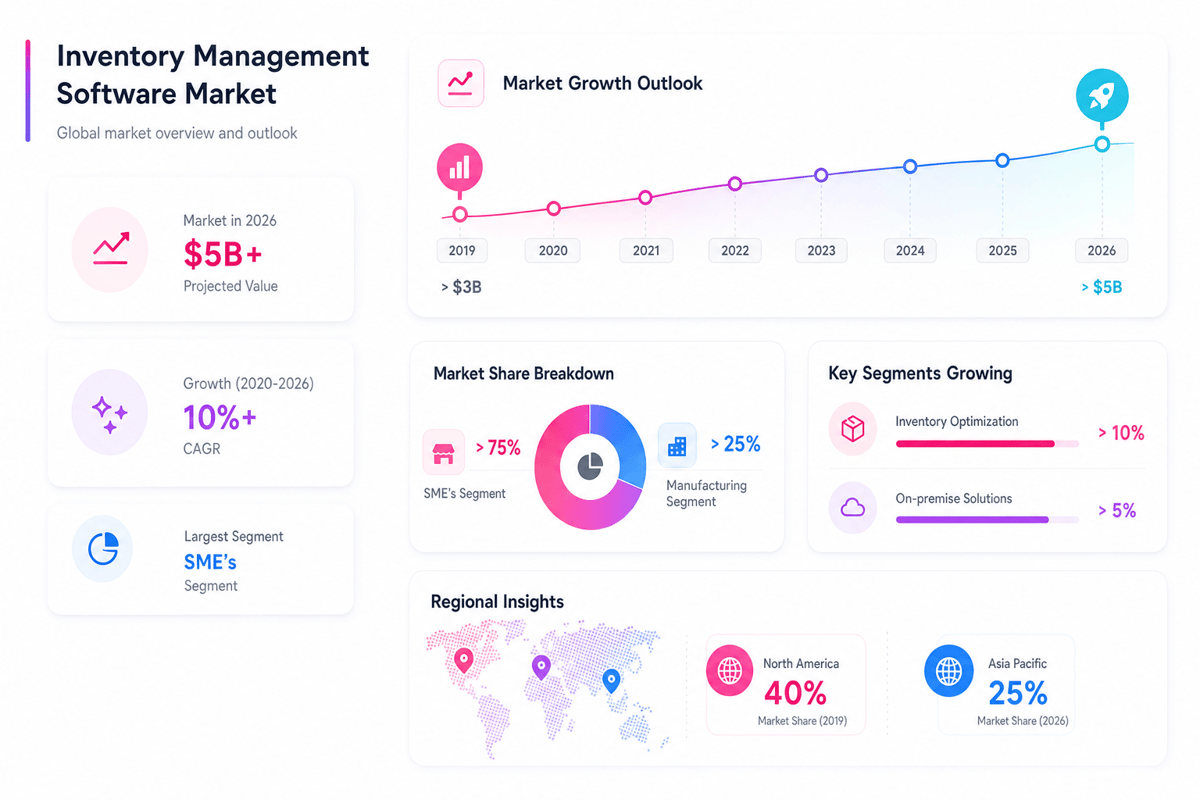
Running stock by hand works until orders grow fast. Sheets fall behind, counts drift, and teams lose hours fixing errors that plain tools could stop. Inventory management software small business owners rely on gives them a live view of stock, orders, and margins. As a result, small teams can manage more with less daily stress.
Most small firms wait too long to switch. The tipping point tends to come after a missed order or a stockout during a busy week. Good small business inventory management software should feel plain to use and fast to set up. So the team spends less time learning and more time selling.
Why Small Businesses Need Dedicated Stock Tools
A sheet can track ten items well. It starts to fail when product counts grow, seasons shift demand, and sales happen across more than one channel. Inventory management software small business teams adopt tends to fix that gap. It links stock, orders, and sales in one place.
Also, manual entry makes errors that compound over time. A wrong count leads to a late ship. A late ship leads to a bad review. Bad reviews cost new buyers. In contrast, good small business stock management software catches those errors before they reach buyers. Furthermore, live stock data helps make better buying calls. Owners can see which items move fast and which sit too long. That view cuts overbuying and frees up cash.
What the Right Tool Changes
The right inventory management software small business setup gives owners time back. Staff scan items in and out rather than typing counts by hand. Alerts fire before a key item runs out. Reports show which items drive profit rather than just volume. In short, the right tool turns stock from a daily headache into a managed asset.
Small firms often worry that these tools cost too much or take too long to learn. However, the best inventory management software for small business options now come with clear screens, fast setup, and plain pricing. Many also offer free trials. So teams can test the fit before they commit. For a wider look at affordable picks, see the guide to affordable inventory management software.
What Inventory Management Software Small Business Teams Actually Need
Inventory management software small business teams use every day must match their real ops. A retail shop has varied needs from a maker or an online seller. Each firm tracks stock in a varied way. So the tool must fit the flow, not force a new one.
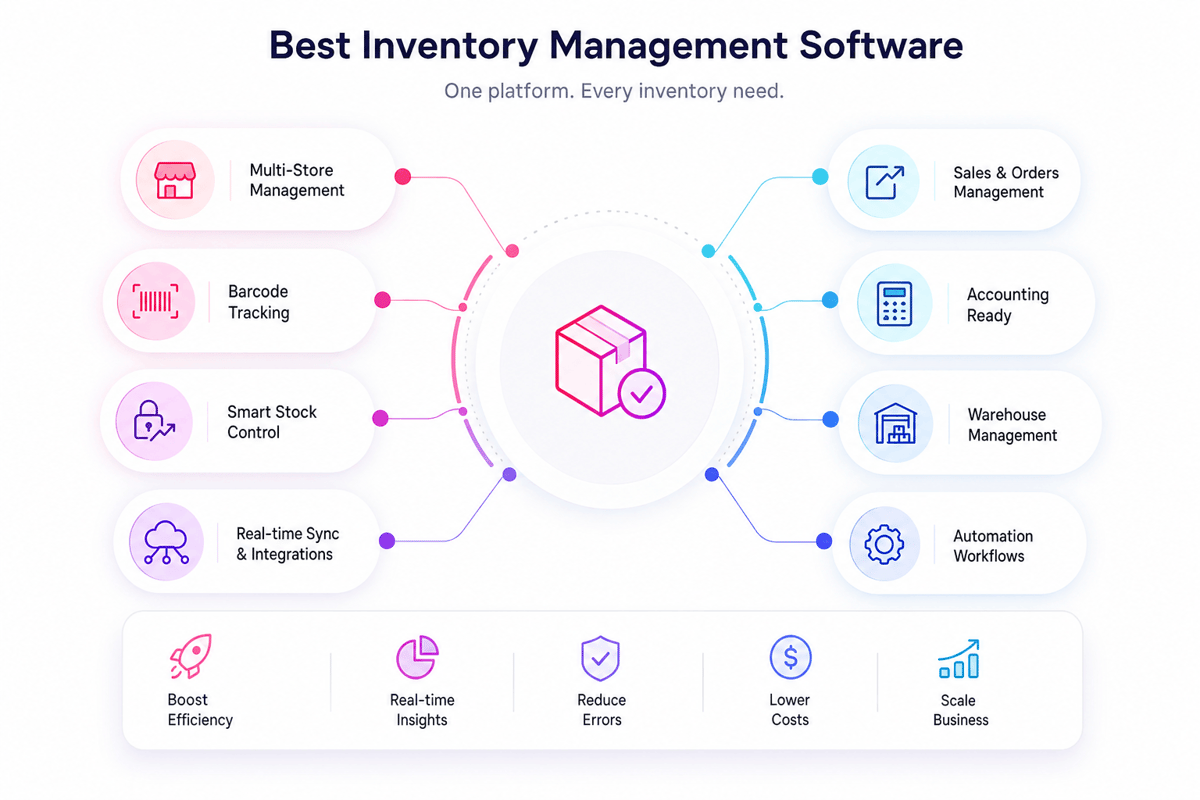
At the core, every small firm needs live stock counts, reorder alerts, and plain reports. Also, the tool should link with the sales channels already in use. A point-of-sale link, an ecommerce sync, or an accounting link can save hours each week.
Core Features of Small Business Inventory Management Software
A strong small business inventory management software setup covers the daily stock moves that cost the most time. Receiving, issuing, transferring, and counting stock should each take fewer steps than before.
- Live stock counts that sync as items move in and out
- Reorder alerts that fire before items run out
- Barcode scan support for fast, error-free entry
- Simple reports that show stock value and movement
- Link to sales and accounting tools already in use
Also, ease of use matters as much as the feature list. A tool that confuses staff will not get used correctly. In practice, the best inventory management software for small businesses has plain screens, short learning curves, and fast help when things go wrong.
Research around small business software buying often shows the same pattern. Systems with clear product data help owners act faster and with fewer errors.
Matching the Tool to Your Business Type
Retailers need point-of-sale links and fast checkout scanning. Makers need bill-of-materials support and production order tools. Online sellers need ecommerce syncs that update stock as orders land.
A good small business stock management software pick reflects how your firm actually moves stock each day. So the first step is to map your real daily flows before comparing platforms. Furthermore, growth plans matter too. A firm that plans to add a second location or a new sales channel should check whether the tool scales before the jump.
For online sellers who also research products and rivals, see how to look up Amazon sellers to check competitor stock and pricing signals.
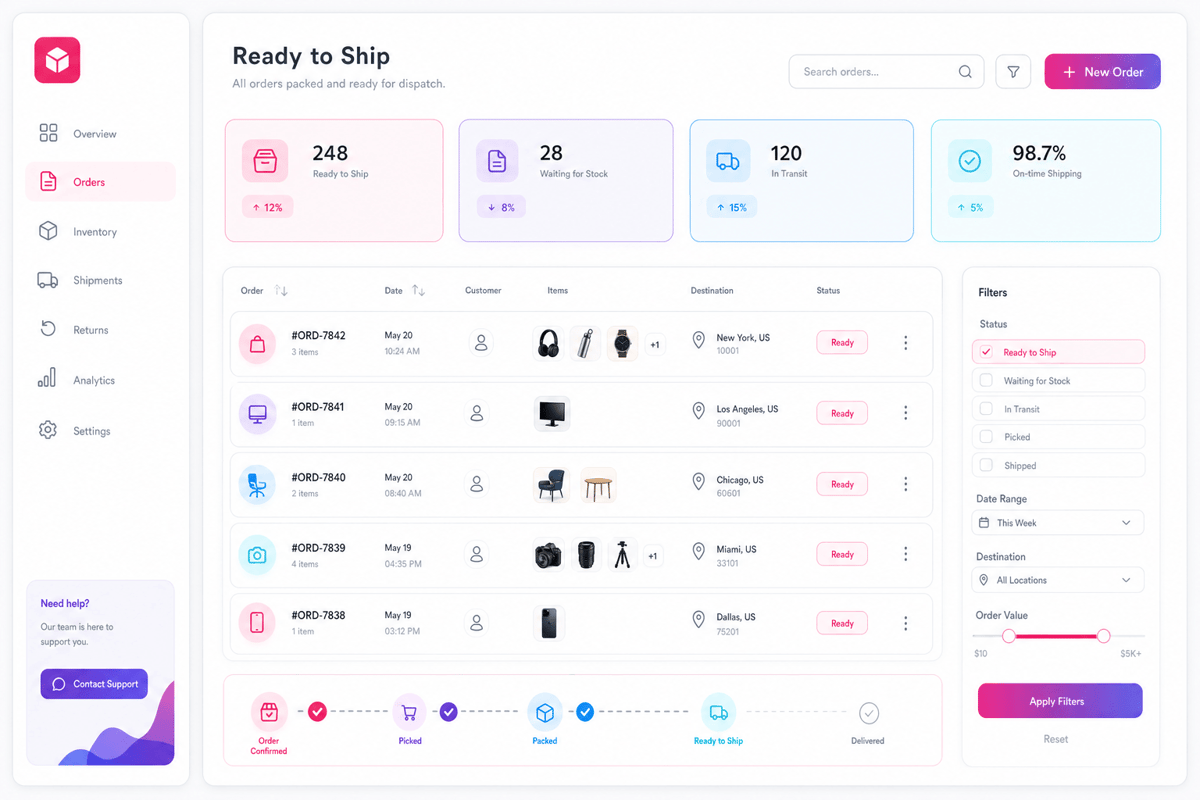
Connect Shopify, draw your floor, pick an order - free plan, 7-day full trial, no credit card, no sales call.
Top Features to Look for in Best Inventory Management Software for Small Business
The best inventory management software small business owners can rely on should handle daily stock work with less manual effort. But not every feature matters equally. Some save hours each week. Others look good in demos but rarely get used. So focus on the features that match your actual daily pain points.
Real-Time Stock Tracking in Small Business Inventory Management Software
Live stock data sits at the center of any useful small business inventory management software setup. It shows what exists, where it sits, and how fast it moves. Staff can answer buyer asks without checking a back room. Buyers can reorder before a stockout hits.
Also, live data helps better pricing calls. When a fast-moving item runs low, the team can raise the price or pause deals. When slow stock sits too long, they can mark it down before storage costs rise. As a result, margins tend to improve even before the firm adds new items or channels.
Barcode and Scanner Support
Manual data entry tends to create errors. A barcode scan at receiving takes one second and leaves a clean record. That same scan at sale time confirms the right item was picked. So receiving, picking, and cycle counts all improve at once.
Most best inventory management software for small business picks now include mobile scanning on a phone or tablet. That removes the need for dedicated scanner hardware in the early stages. Teams can start with phones and upgrade to rugged scanners as volume grows. Furthermore, scan-based counts cut the time spent on manual stock takes. A weekly cycle count by aisle or product type keeps records clean with no shutting down ops.
Reporting and Margin Visibility
Plain reports tell owners which products drive profit and which drain cash. Small business stock management software should show stock value, turnover, margin by item, and reorder needs in one view. Those numbers help smarter buying and pricing calls each week.
Also, strong reporting catches shrink before it becomes a big loss. An item that sells well but shows low margin may have a receiving error or a theft pattern. The data surfaces the issue. Then the team can dig into the root cause. In short, reports are not just for month-end. They drive daily calls when the data is clean and current.
Small Business Stock Management Software: Cloud vs. Desktop Options
Cloud tools store data online and sync across devices. Desktop tools run on a local machine. Both types of inventory management software small business owners use have their strengths. The right choice depends on how your team works and where they work.
Why Cloud-Based Small Business Inventory Management Software Wins for Most Firms
Cloud-based small-business inventory management software gives teams access from any device with a browser. An owner can check stock from a phone at the warehouse while the bookkeeper reviews reports from home. That flexibility tends to suit growing small firms more than a single desktop setup.
Also, cloud tools sync on their own. There is no file to copy or backup to schedule. Updates arrive on their own, so the team always uses the latest version. Furthermore, cloud pricing tends to be monthly and scalable. Firms pay for the plan they need and upgrade when volume grows. So early-stage firms avoid a high upfront cost.
When Desktop Tools Still Make Sense
Desktop tools tend to suit firms with no reliable internet access or with strict data control rules. A remote site or a highly regulated industry may prefer a local setup. Also, some desktop tools offer a one-time buy model rather than a monthly plan. For very small or slow-moving ops, that can lower the total cost over a few years.
However, the gap across cloud and desktop options has closed over time. Many desktop tools now offer a cloud sync option. So firms can keep local control while still sharing data across devices. The best inventory management software for small businesses usually comes down to daily workflow fit rather than cloud vs. desktop alone.
How Inventory Management Software Small Business Owners Use Saves Money
Every hour spent on manual stock work is an hour not spent on growth. Inventory management software small business teams adopt quickly tends to show a return within the first few months. The gains come from fewer errors, less overbuying, and faster fills.
Cutting Overstock and Holding Costs
Overbuying tends to be a silent cash drain. Items sit in storage, tie up cash, and may go out of date. Small business inventory management software shows which items move fast and which sit too long. Buyers can then set tighter reorder points and smaller safety stock buffers for slow items.
Also, the right tool helps secure better vendor terms. When a firm buys based on real demand data rather than gut feel, order sizes become more predictable. Vendors tend to offer better rates to buyers with steady, planned orders. As a result, the firm lowers both unit cost and excess stock at the same time.
Reducing Stockouts and Lost Sales
A stockout costs more than the lost sale. It also costs the buyer’s trust and the next order they would have placed. Small business stock management software with reorder alerts stops most stockouts before they happen. The system alerts buyers when stock drops below a set level. So the team has time to reorder before the shelf goes empty.
Also, sales history data helps with better demand planning. If an item always sells out in July, the team can order extra in June. That kind of proactive plan replaces reactive panic buying. In practice, small firms that use inventory management software and small business tools see fill rates rise, and urgent freight costs drop. For more on options that suit small firm budgets, see the top 5 inventory management software options.
Best Inventory Management Software for Small Business: Comparing Top Platforms
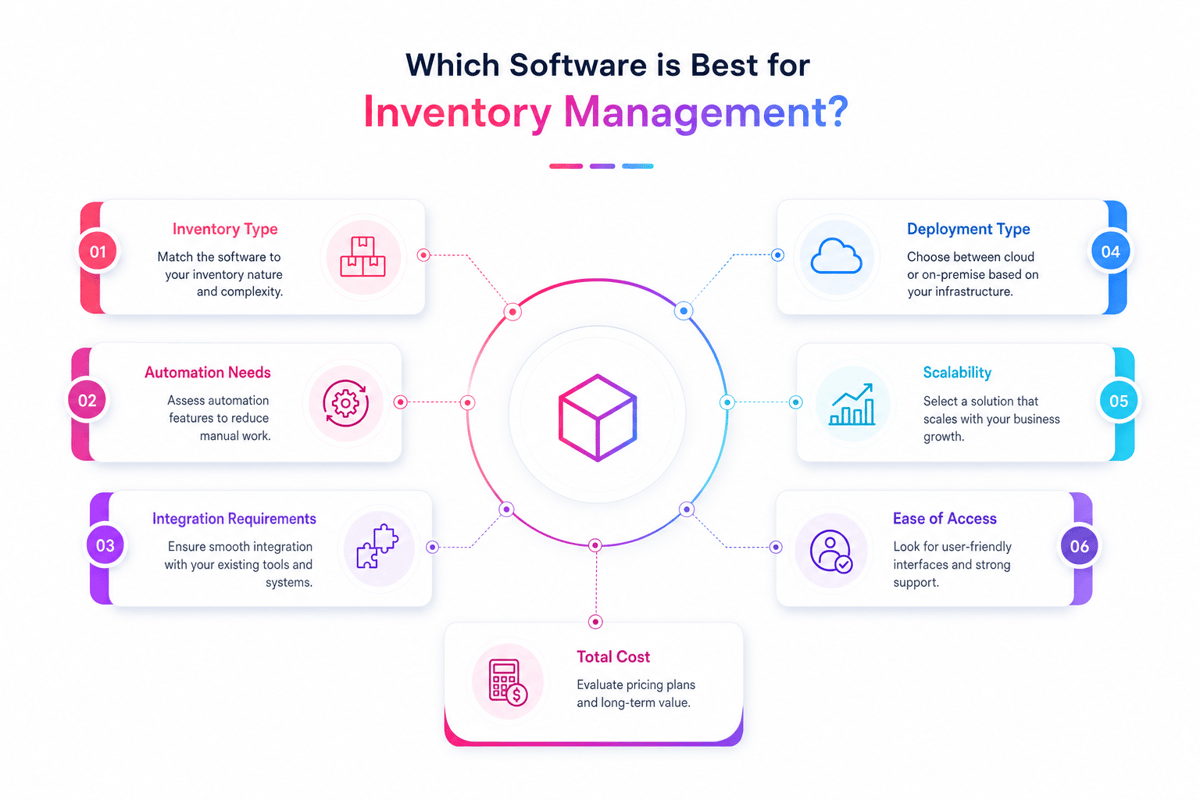
Comparing platforms starts with your own needs. The best inventory management software small business pick for a retail shop may not suit a maker or a distributor. So start with a clear list of must-have features before you look at demos.
Most small firms need live stock counts, reorder alerts, barcode support, and a link to their sales tools. Beyond that, the choice tends to come down to price, ease of use, and how well the tool scales as the firm grows.
Key Platforms Worth Comparing
Cin7 Core suits product firms that need multi-location stock, ecommerce links, and solid reporting. It offers strong inventory management software for small businesses at a mid-market price. Also, it links with Xero, QuickBooks, and major sales channels.
Lightspeed Retail suits retail shops that also need point-of-sale tools. The stock and sales data share one system. So end-of-day reports reflect real sales and stock moves with no manual sync. Furthermore, it includes reporting tools that show top sellers, slow movers, and margin by item.
Shopify with stock tracking suits ecommerce sellers who want one tool for selling and stock. It links well with third-party logistics partners. For sellers who also research new products to stock, knowing how to look up Amazon sellers can give useful rival and demand signals.
QuickBooks Online with stock suits firms that want accounting and basic stock in one place. It handles the finance and the stock side together. So small firms avoid paying for two separate tools. In short, the right pick depends on your team size, stock type, and growth plan.
How to Run a Useful Platform Trial
A demo with sample data rarely shows the real friction points. So test with your own items, your own vendor names, and your own order types. Run a full receive, a sale, a return, and a stock count. Those four flows reveal most of the daily pain points before you commit.
Also, check help quality before you sign. A tool that fits 90% of your needs but has slow support can cost more than one with stronger help. Furthermore, ask about future pricing. A low-cost plan that caps item counts or locations may cost more once the firm grows. The best small business inventory management software picks offer clear, scalable pricing with no hidden bumps. For a deeper look at warehouse needs as your firm grows, see our guide to warehouse management for small business.
How to Implement Inventory Management Software Small Business Teams Will Actually Use
A tool only creates value when the team uses it correctly. Inventory management software small business rollouts fail most often not from bad software but from poor adoption. Staff falls back on old habits when the new tool feels slow or unclear.
Clean Data Before You Start
Import clean data from the start. Messy item codes, old vendor names, and wrong opening counts create errors that take weeks to fix. So spend a few days cleaning your item list, cost data, and stock counts before the go-live date.
Also, decide on a clear go-live date and stick to it. Running the old system in parallel for too long creates confusion and double entry. One clean switch tends to work better than a slow overlap. Furthermore, set roles before launch. Finance, warehouse, and sales staff may need varied access levels. Clear rights cut the risk of accidental edits to cost or stock data.
Training That Sticks
Short, task-based training works better than long sessions. Show each team member the exact flows they will run each day. A warehouse worker needs to know how to receive, scan, and transfer items. A buyer needs to know how to check stock and create a purchase order. So train each role on its own flow rather than giving everyone the same general intro.
Also, have one internal owner for the tool. This person handles data questions, sync issues, and new user setup. A clear point of contact speeds up problem-solving and builds team trust in the data. In short, good training and clear ownership turn a good tool into a well-used one. And a well-used small business stock management software creates a base for research tools like Amazon product research tools that help spot what to stock next.
Conclusion
Good stock control gives small firms a real edge. Inventory management software small business owners adopt early tends to pay back quickly. Fewer errors, cleaner counts, and better buying all add up. As a result, teams spend less time fixing problems and more time growing the firm.
The right tool depends on your firm size, stock type, and sales channels. But the core need stays the same across all small firms: live data, clear alerts, and plain reports. Also, ease of use matters as much as the feature list. A tool that the team finds hard will not get used correctly. Also, check the complete guide to inventory management software for a deeper view of features and platform fit.
What the Right Inventory Management Software Small Business Owners Choose Delivers
A strong small business inventory management software setup saves hours each week across every team. Buyers order smarter. Warehouse staff receive and pick faster. Finance gets cleaner cost of goods data. Owners see live margins and can act before issues grow.
Furthermore, the right best inventory management software for small business grows with your firm. A second location, a new sales channel, or a higher order volume should not force a platform swap. The best picks handle that growth with plan upgrades rather than full rebuilds. In short, start with your biggest daily pain point. Then compare tools on how well they fix it. Pick the one that feels plain on a busy day, not just during the demo. For a wider look at your options, explore these inventory management solutions.
 Google AI
  OpenAI ChatGPT
 Frequently Asked Questions
Is inventory management software suitable for small businesses?
Yes. Inventory management software for small businesses helps owners track stock levels, reduce manual errors, and avoid overstocking or stockouts. Many tools are affordable, easy to use, and designed for teams without dedicated operations staff. They can also support barcode scanning, low-stock alerts, sales reporting, and product lookup.
What is the best inventory management software for small business?
The best inventory management software for a small business depends on your industry, budget, sales channels, and inventory volume. Look for features such as real-time stock tracking, purchase order management, inventory management system product lookup, reporting, and integrations with accounting or ecommerce platforms. A scalable system is ideal as your business grows.
How does inventory tracking software for small business work?
Inventory tracking software for small business records stock movements as products are purchased, sold, returned, or transferred. It updates inventory counts automatically and gives business owners a clear view of available products. Many systems include barcode scanning, reorder alerts, supplier details, and reports that help improve purchasing and inventory control.
Can I use free inventory management software for my business?
Yes, free inventory management software can be a good starting point for very small businesses or startups with limited products. A free inventory management system may include basic stock tracking, simple reports, and product lists. However, paid inventory control software for small businesses often provides stronger automation, integrations, user access controls, and support.
What features should I look for in inventory software for small business?
Choose inventory software for small business that includes real-time stock updates, low-stock alerts, barcode support, supplier tracking, purchase orders, and sales reporting. If you sell online and in-store, look for integrations with your ecommerce, POS, and accounting tools. Inventory management software for small business platforms should be simple enough for daily use.
Why do small businesses need an inventory management system?
An inventory management system for small business helps reduce lost sales, excess stock, and time spent on manual counts. It gives owners better visibility into product demand, purchasing needs, and cash tied up in inventory. Reliable inventory programs for small businesses also support better planning, faster order fulfillment, and more accurate financial reporting.
Sync inventory in real time, manage orders, and run warehouse operations across Amazon, eBay, Etsy, Shopify, and other sales channels. From barcode scanning to organized storage and faster fulfillment, Fiftify helps reduce errors, prevent overselling, and support business growth. Explore our articles for insights on warehouse management, inventory control, and multichannel operations.
You may also like

Best Online Storefront: Comparing Ecommerce Platforms for Growth
Choosing the best online storefront can shape how you sell, market, and scale. This brief outlines the top ecommerce platforms, key features, pricing factors, use cases, and selection tips to help business owners and marketers choose the right solution with confidence.

How to Choose a 3PL Logistics Company That Supports Business Growth
Choosing the right logistics partner can improve delivery speed, reduce operating costs, and support scalable growth. This article explains what a 3PL logistics company does, when to use one, and how to compare providers for your business needs.

Fulfillment Services for Ecommerce Growth
Choosing the right fulfillment services can help ecommerce brands streamline storage, packing, shipping, and returns. A practical guide for comparing providers, improving customer experience, reducing operational costs, and scaling sales profitably.