
Ecommerce SMS marketing: best practices, automation and tools
 Emily Carter
·
· 14 min read
Emily Carter
·
· 14 min read

If you run an online store, you know how hard it is to get focus. Email inboxes feel crowded, and social posts can get buried fast. That is why ecommerce sms marketing matters. A text message lands right where shoppers look all day: their phone. As a result, you can reach buyers fast and guide them to buy.
sms ecommerce is plain: you send short, clear texts to people who choose to hear from you on their mobile phones. Then you use those texts to share timely deals, restock alerts, and order updates. Unlike long ads, texts work best when they feel helpful and direct.
However, success takes more than mass coupons. With sms marketing for ecommerce, you need a plan for who you text, what you say, and when you send it. When you follow best practices for sms marketing in ecommerce, you build trust and keep opt-out rates low.
This guide will show you how sms marketing ecommerce can drive sales with no upsetting your list. You will also learn how to set up attentive sms marketing for ecommerce flows, and how to pick the best sms marketing services for ecommerce for your store.
What is ecommerce SMS marketing?
Ecommerce sms marketing means using text to connect with shoppers and drive sales. You send short, timely SMS texts to people who choose to hear from you. These texts can share a deal, check an order, or remind someone about a cart left behind. As texts feel personal and arrive fast, buyers often read them in minutes. As a result, SMS can help your store at every step, from the first visit to repeat purchases.
So, how does sms ecommerce work in real life? First, a shopper opts in, often at checkout or in a pop-up, using their phone number. Next, you split your list by past acts, like new fans or VIP buyers. Then you send aimed pushes and set flows. For example, sms marketing for ecommerce often holds welcome texts, cart prompts, shipment updates, and review asks.
SMS often beats many old paths as it is direct and hard to skip. Email inboxes get crowded, and social posts can get buried by code rules. But a text lands on a phone lock screen, which makes it plain to see and act on. For examples of marketing automation that help keep results strong, follow best practices for sms marketing in ecommerce: get clear consent, keep texts short, add one clear next step, and limit how often you text. If you need tools, compare the services for ecommerce based on how to set up marketing automation, split, rule fit, and reports.
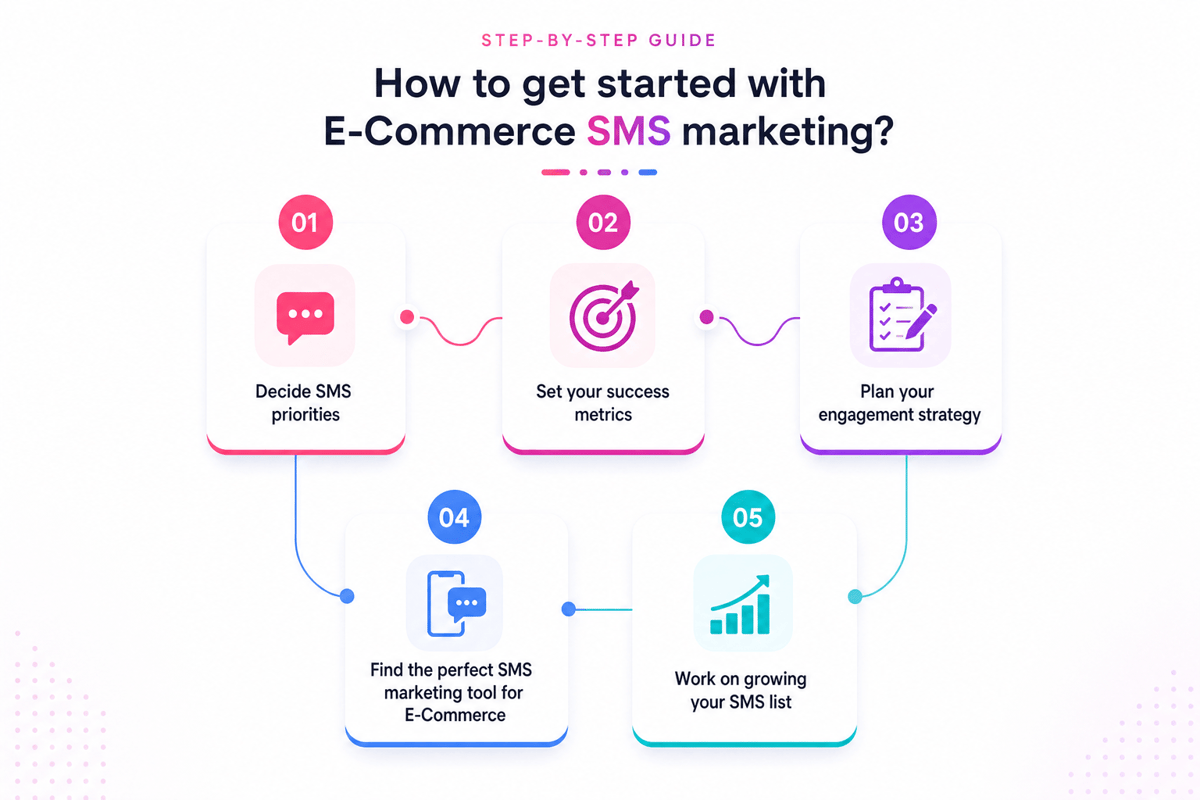
Why SMS marketing for ecommerce delivers high ROI
Ecommerce sms marketing works as it reaches shoppers fast and feels personal. Buyers check texts in minutes, so your text does not sit in a crowded inbox. As a result, you can drive quick clicks, faster replies, and more sales from the same spend. When you use sms ecommerce the right way, you also cut wasted views as you send texts only to people who opted in.
Open rates and response speed
SMS gets seen fast. That speed helps when you run flash sales, restock alerts, or short-time codes. For instance, a short text with one clear deal and one clear next step can move shoppers from “thinking about it” to checkout. This is why many brands lean on sms marketing ecommerce for time-tight pushes.
Direct communication with customers
Texts feel one-to-one. You can greet buyers by name, suggest goods based on past buys, and answer questions with plain replies. In addition, two-way texting helps you solve issues fast, which builds trust and cuts churn. You can also use ecommerce marketing automation software to run helpful replies without losing that human tone.
Supporting customer lifecycle marketing
SMS helps every stage: welcome texts, cart nudges, post-buy updates, and win-back deals. To follow the best practices, keep texts short, send at fair times, and always offer real worth. Finally, pick the best sms marketing services for ecommerce that make it plain to split lists, track gains, and stay rule-safe.
When you mix smart timing, clear deals, and strong split, sms marketing can give high ROI while it lifts the buyer’s feeling.
Connect Shopify, draw your floor, pick an order - free plan, 7-day full trial, no credit card, no sales call.
Best practices for SMS marketing in ecommerce
Ecommerce sms marketing works best when buyers feel in charge. If your texts feel helpful and timely, people read them and act. If they feel pushy, people opt out fast. Use the best steps below to build trust, keep send rates high, and drive more sales with sms ecommerce pushes.
Permission-based messaging
Start with clear consent. Tell shoppers what they will get (deals, order updates, restock alerts) and how often you will text their phone numbers. Use a double opt-in when you can. It cuts gripes and helps your list stay clean. This step matters for every sms marketing plan as it guards your brand and lifts results.
Timing and frequency control
Send texts at fair hours based on your buyer’s time zone. Also, set a weekly cap so you do not over-text. For instance, send one promo text and one helpful update each week, then fix based on clicks and opt-outs. When you control the rate, sms marketing ecommerce stays solid in place of being a pest.
Personalized ecommerce experience
Use what you know to make each text feel right. Split by past buys, browsing, spot, and VIP rank. Then match the deal to the shopper. For instance, send refill prompts for goods used up fast, or suggest add-ons that fit a recent order. This is the heart of attentive sms marketing for ecommerce: the right text, for the right person, at the right time. Read more in our personalized ecommerce experience guide.
Compliance and opt-in rules
Follow SMS rules in every spot you sell to. Add clear opt-out steps, honor STOP asks right away, and keep logs of consent tied to each phone number. Skip false claims and make the price clear when needed.
Finally, track replies, clicks, and gain per send. Then test small shifts, like shorter copy or a stronger deal. If you need more flow and reports, check the best sms marketing services and pick one that helps split, rule tools, and plain links.
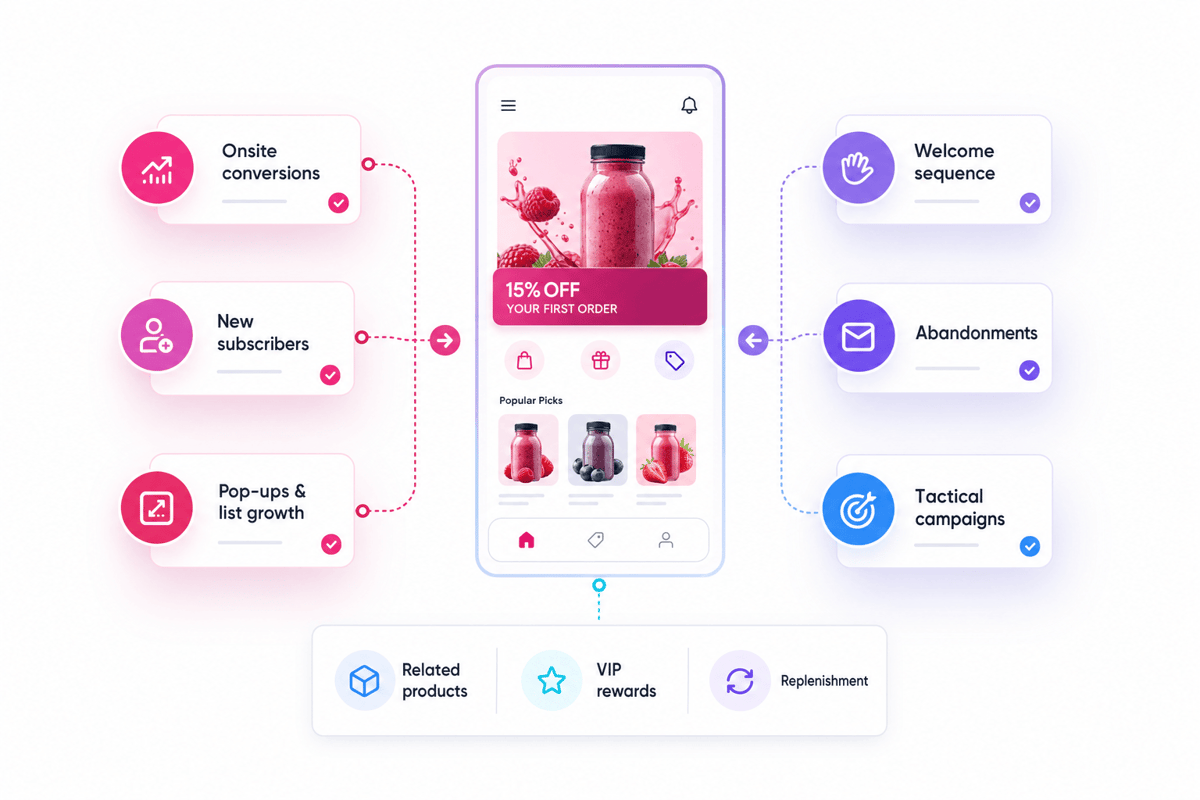
Automation and attentive SMS marketing for ecommerce
Automation helps you send the right text at the right time. When you set smart triggers, you stay helpful with no sounding pushy. That is the heart of ecommerce sms marketing: short, timely texts that guide shoppers and drive sales. To get strong results in sms ecommerce, keep each text clear, personal, and plain to act on.
If you want sms marketing for ecommerce to feel human, write as you speak. Use the buyer’s name when you can. Then, match your tone to the time. With solid best practices for sms marketing in ecommerce, you can limit how often you text, so people stay signed up.
Welcome flows
Send a warm hello right after sign-up. Offer a first-buy perk, show your top sellers, and set hopes for text rate. This builds trust fast in sms marketing ecommerce.
Cart abandonment reminders
Remind shoppers what they left behind. Add the key gain, answer a usual worry like shipping time, and use one clear link. Send one follow-up only if it makes sense. For deeper steps on this, see our guide to reducing cart abandonment with smart checkout strategies.
Post-purchase messages
Check the order, share track data, and give care tips. After the ship, ask for a check or suggest a refill. This lifts repeat buys and cuts customer service tickets.
Win-back campaigns
Reach out when a buyer goes quiet. Lead with worth: a restock note, a new drop, or a short offer. Split by past buys so the text feels right.
How attentive SMS marketing for ecommerce improves engagement
Attentive sms marketing for ecommerce works best when you watch and fix. Track clicks, replies, and opt-outs. Then, sharpen timing, deals, and groups. If you use the best sms marketing services for ecommerce, you can run these tests on your own and lift results week by week.
To add to your SMS push, check our wider e-commerce strategies to lift sales across paths and grow value over time.
Choosing the best SMS marketing services for ecommerce
Picking a vendor can make or break your ecommerce sms marketing results. The right tool helps you send fast, helpful texts that feel personal. It should also save you time with smart setup and clear data.
Integration with ecommerce platforms: Pick a tool that links to your store in a few clicks. A strong link pulls in goods, orders, and buyer data. Then you can fire texts for cart save, ship updates, and post-buy follow-ups. This matters for sms ecommerce as speed and clean data keep buyers from opting out.
Segmentation and automation features: Look for plain groups like VIP buyers, first-time shoppers, and repeat fans. Also, check for flows you can edit with no code. These tools help sms marketing for ecommerce as they help you send the right text to the right person.
Analytics and reporting tools: Pick a tool that shows clicks, orders, gain, and opt-out rate in one place. You should also test copy, timing, and deals. With clear views, you can lift sms marketing each week with no guessing.
Comparing sms marketing ecommerce platforms: When you check services for ecommerce, check price, help, send rates, and ease of use. Also, check rule tools like consent logs and quiet hours. Finally, check forms and fit picks for attentive sms marketing for ecommerce style pushes. These are key best practices for sms marketing in ecommerce as they guard your list and lift long-term sales.
To scale these rule-safe, fit pushes further, pair SMS with ecommerce automation tools that ease split, triggers, and post-buy follow-ups. Many ecommerce businesses also link SMS tools with their wider marketing automation stack to keep all channels in sync.
Combining SMS with email and other channels
Omnichannel messaging
Buyers jump between their mobile phones, inbox, and social apps all day. So, your brand should show up in each spot with one clear text. Use ecommerce sms marketing for fast, time-tight updates, and use email for long stories, item facts, and bills. Then, back it up with push notes, in-app texts, and social retarget so shoppers see the same deal and feel sure about buying.
Coordinated campaigns
Plan your sends as one push, not split blasts. For instance, start with an email that tells of the new drop, then follow with a short text that shows the top item and the close date. After that, use a prompt only for people who clicked but did not buy. This makes sms marketing for ecommerce feel helpful, not loud. It also helps sms ecommerce growth as each path does what it does best.
Improving customer lifetime value
When you link paths, you can build repeat sales. Send post-buy mail tips, then use sms marketing ecommerce for fast reorder links, ship updates, and VIP early access. If you use attentive sms marketing for ecommerce, sync groups with mail so loyal buyers get perks while new shoppers get tips and trust signs. Follow best practices for sms marketing in ecommerce: keep texts short, set with act, and limit rate. Finally, pick the best sms marketing services for ecommerce that track clicks and gain insights across SMS and email so you can lift what works.
To build cross-path results, dive into ecommerce email marketing tactics that lift conversions and add to your SMS pushes.
How ecommerce SMS marketing improves customer retention
Ecommerce sms marketing is not just a sales path — it is a strong hold tool. While mail often gets crowded, SMS reaches buyers right on their mobile phones. Because of that, reply times are faster and act rates are often higher.
Hold starts with timing. For instance, you can send reorder prompts based on buy cycles. If someone buys care goods every 30 days, set a prompt on day 25. You can also send loyalty perks, birthday deals, or early access to launches. These small touches help buyers feel valued.
A second strong hold step is post-buy follow-up. Send ship updates, drop checks, and plain care notes. Then, a few days later, ask for a check or suggest a fit ad. This keeps your brand top of mind without being too pushy on the buyer. Strong customer service follow-up at this stage also cuts return rates.
When ecommerce sms marketing links to buyer act data, it gets even stronger. You can fire texts based on browse work, repeat buys, or VIP rank. As a result, buyers get fit texts in place of broad pushes. Over time, this builds trust, lifts long-run worth, and helps the brand hold. To scale these fit SMS triggers across paths, weigh the ecommerce marketing automation software that ties data and runs pushes well.
Ecommerce SMS marketing automation and performance tracking
To scale well, ecommerce sms marketing should rely on flow and clear tracking. Hand-run pushes may work at first, but set flows give steady results with less work.
Start with core set flows. These hold welcome texts after opt-in, cart prompts, restock alerts, and post-buy follow-ups. Each flow should have one goal and one clear next step. Keep texts short and direct.
Next, track the right counts. Focus on click rate, gain per text, turn rate, and opt-out rate. High clicks but low turns may flag a weak page. Rising opt-outs may mean you send too often.
Split also lifts results. Rather than send the same text to all, group buyers by past acts, order worth, or act level.
Finally, check the results each week. Fix timing, sharpen copy, and test deals. Small fixes add up over time. When you mix flow, split, and track work, SMS becomes a steady growth path. Many ecommerce businesses also use this same flow plan across mail and social to keep all paths in step.
To push results further, see our guide to best email and sms marketing and learn how mixing paths lifts turns across the funnel.
Conclusion
Ecommerce sms marketing works best when you treat every text like a real conversation. When you send clear, timely texts, you help shoppers buy fast and with more trust. As a result, you can lift sales with no flooding inboxes or relying on deep cuts.
Start with a plain plan. First, grow your list the right way with clear opt-in words. Next, set a steady send pace, so buyers know what to wait for. Then, write short texts with one goal and one next step. This plan makes sms marketing for ecommerce feel useful, not pushy.
Also, split your list. You can group people by buy past, browse work, spot, or VIP rank. That way, sms marketing ecommerce stays right. If someone has just bought, send care tips or a refill prompt. If someone left a cart, send a quick nudge with help, not push. This is the heart of attentive sms marketing for ecommerce.
Keep testing, too. Try varied send times, deals, and text styles. Track clicks, gain per text, and opt-outs. When opt-outs rise, tighten your aim or send less often. Finally, follow best practices for sms marketing in ecommerce: get consent, honor quiet hours, hold STOP words, and guard buyer data.
If you need tools, check the best sms marketing services for ecommerce by flow, split, reports, and help. With the right setup, sms ecommerce becomes a solid path you can scale, above all when it links to your ecommerce automation system that syncs buyer data, triggers, and pushes across every touch point.
 Google AI
  OpenAI ChatGPT
 Frequently Asked Questions
What is ecommerce SMS marketing?
Ecommerce SMS marketing is a strategy where online stores send promotional and transactional text messages to customers. It includes order updates, cart reminders, product launches, and special offers. Because SMS messages are delivered instantly and have high open rates, they help brands drive faster engagement and more sales.
Why is SMS marketing effective for ecommerce?
SMS marketing for ecommerce is effective because messages are short, direct, and usually read within minutes. Unlike email, which can sit unopened, SMS creates immediate visibility. When combined with personalization and automation, it improves conversions and strengthens customer relationships.
What ecommerce brands are doing SMS marketing well?
Many successful ecommerce brands use SMS strategically. For example, fashion and beauty brands like Gymshark and Sephora send exclusive drops, restock alerts, and personalized offers. Direct-to-consumer brands such as Allbirds and Glossier use SMS for cart abandonment reminders and VIP promotions. These brands focus on timely, value-driven messages instead of constant promotions.
What are the best practices for SMS marketing in ecommerce?
The best practices for SMS marketing in ecommerce include collecting clear opt-ins, sending messages at the right time, and keeping content concise. Personalization using customer data, segmenting audiences, and limiting frequency also protect the customer experience. Testing timing, offers, and message tone helps improve performance over time.
How do I choose the best SMS marketing services for ecommerce?
When choosing the best SMS marketing services for ecommerce, look for easy integration with your ecommerce platform, automation features, segmentation tools, and performance analytics. A strong SMS ecommerce platform should support cart recovery, post-purchase flows, and targeted campaigns while staying compliant with messaging regulations.
I am an eCommerce expert with a strong focus on marketplaces like Amazon, eBay, and Etsy. Over the past decade, I have helped both startups and $1M+ revenue brands scale their sales through listing optimization, marketplace SEO, and AI-driven strategies. I also share articles and insights about eCommerce growth, marketplace operations, and multichannel selling.
You may also like

How to choose an ecommerce marketplace service provider for scalable growth
Learn how an ecommerce marketplace service provider helps businesses launch, manage, and scale a profitable ecommerce marketplace. Platform choices, vendor operations, software tools, management services, costs, and practical selection tips.

Ecommerce software solutions: features, costs and how to choose
Learn how to evaluate ecommerce software solutions for online stores, marketplaces, and retail teams. Essential features, vendor comparisons, implementation tips, and practical ways to choose software that supports growth, operations, and customer experience.

Multi-carrier shipping software: features and how to compare options
How multi carrier shipping software compares rates, prints labels, tracks orders and handles returns, and which features to check before you choose one for your store.