
Sustainable Packaging in E-Commerce: Why Retailers Are Switching to Reusable Shopping Bags
 Fiftify Team
·
· 5 min read
Fiftify Team
·
· 5 min read
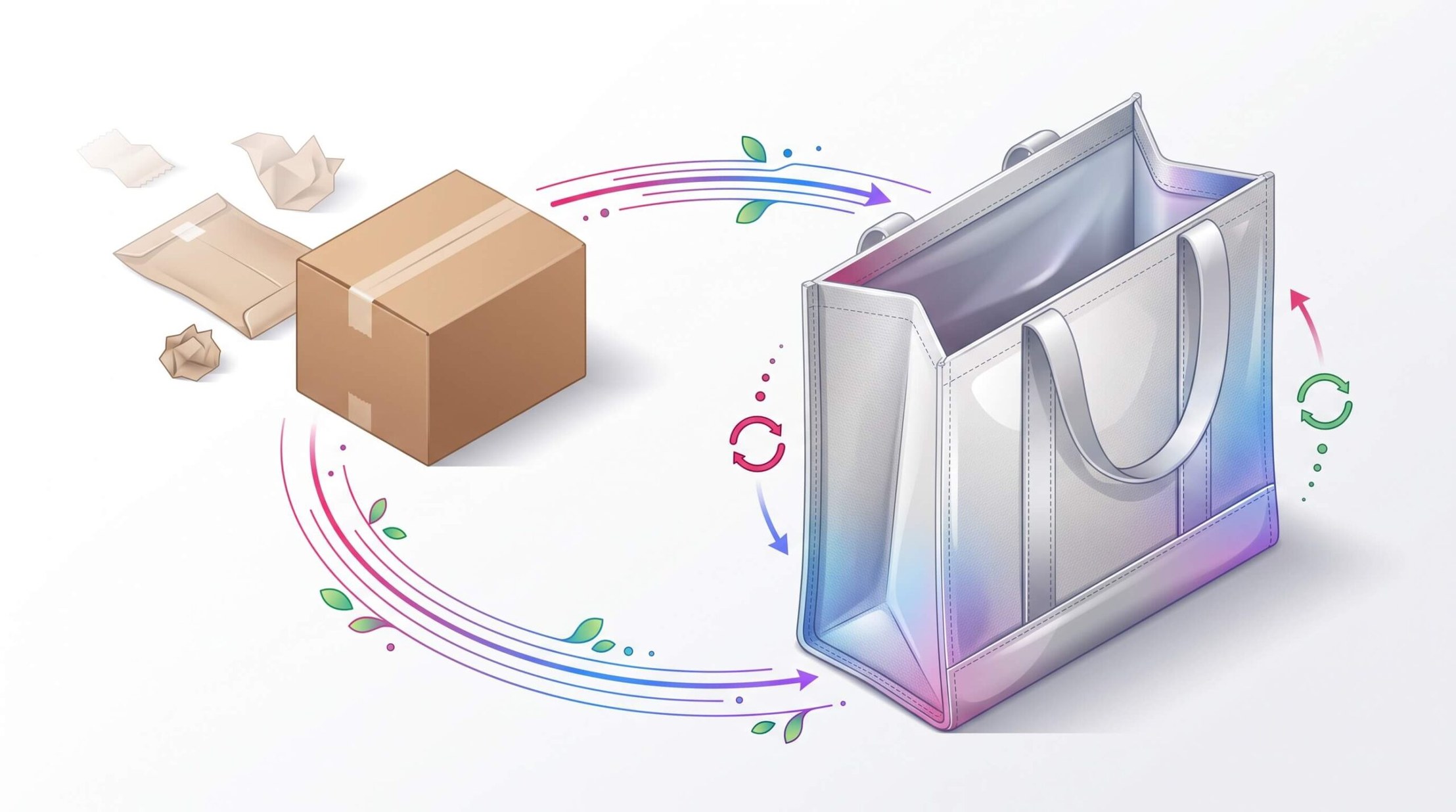
Packaging once seemed like a back-office detail, but customers now judge it first. In e-commerce, each delivery turns packaging into a visible brand choice. Wasteful mailers can weaken trust before shoppers see the product. Boxes, fillers, and single-use bags also create waste at scale.
Many retailers once chose packaging mainly for price and protection. Rising order volumes exposed the full cost of that approach. Customers often share poor packaging choices online, extending the damage. Frequent reorders also strain budgets when disposable stock runs out.
Reusable shopping bags change packaging’s value after an order arrives. They protect goods during transit and remain useful after delivery. Customers can carry groceries, returns, or everyday items in them. Unlike poly mailers, durable bags keep the retailer’s brand visible.
Why Retailers Are Switching to Reusable Shopping Bags
Retailers are changing packaging because shoppers notice waste after each delivery. Single-use plastic mailers often go straight into household bins. By contrast, strong reusable shopping bags keep serving a clear purpose. Customers can carry groceries, returns, gym clothes, or later purchases.
Customers Expect Less Waste
Packaging now shapes how shoppers judge an online order. A large pile of waste can weaken trust in a brand. Thoughtful eco-friendly packaging signals care, but useful design matters more. When a bag lasts for months, that promise becomes visible.
Reusable Bags Support Retail Operations
The business case reaches beyond customer opinion and waste reduction. Bulk reusable shopping bags lower unit costs across larger orders. One standard design can support delivery, store pickup, and events. Fewer packaging types also reduce stock gaps and ordering errors.
Sustainable retail packaging performs best when planning starts before production. Early testing shows whether bags protect goods during handling and transport. Well-sized reusable shopping bags move smoothly through the pick and pack fulfillment center.
Reusable Shopping Bags vs. Traditional Retail Packaging
The cheapest bag often creates the longest cost trail. Thin mailers save cents but may tear during shipping. Reusable shopping bags protect orders and remain useful after delivery.
Where Traditional Packaging Falls Short
Single-use bags support fast packing and keep shipping weight low. Yet customers often discard them after opening one order. This short life creates steady waste and repeat purchasing costs.
Paper bags offer a cleaner look but resist little moisture. Weak handles can also fail under heavy products. Damaged packaging makes returns harder and raises replacement costs.
Plastic mailers block rain, but they offer limited lasting value. Most lose their purpose within minutes of delivery. Their branding disappears when customers throw them away.
Why Reusable Options Perform Differently
A strong bag can support delivery, returns, and store pickup. This longer life makes reusable shopping bags practical for sustainable retail packaging. Fewer replacements can also lower packaging costs over time.
Retailers gain a useful brand asset beyond the first order. For grocery sales, custom reusable shopping bags keep logos visible during daily errands.
Durable bags also keep products, labels, and paperwork together. That reduces split returns and related customer service requests. Buying bulk reusable shopping bags can lower the cost per unit.
The right choice balances material strength, price, and fulfillment services. Retailers can then compare lifetime value instead of purchase price.
Connect Shopify, draw your floor, pick an order - free plan, 7-day full trial, no credit card, no sales call.
How Custom Reusable Shopping Bags Strengthen Your Brand
Plain packaging disappears soon after delivery. A branded bag keeps the retailer visible during daily errands. That repeated exposure turns reusable shopping bags into practical brand media.
Customers carry groceries, gym clothes, and returns in the same bag. Durable handles and clean prints make repeat use more likely.
Brand Recall Beyond the Box
E-commerce packaging often gets one brief moment with the buyer. Custom reusable shopping bags stay useful long after unboxing. Simple artwork also keeps the brand easy to recognize.
Weak seams or fading ink can signal poor quality. Strong fabric, balanced handles, and crisp colors support trust instead.
Packaging That Carries a Promise
Retailers build trust when packaging supports their stated values. Sustainable retail packaging gives customers visible proof of that choice. Honest eco-friendly packaging includes clear facts about materials and reuse.
One apparel seller replaced poly mailers after return complaints. The old mailers tore, which led to replacement shipments. Stronger bags reduced those shipments within two months.
Ordering bulk reusable shopping bags keeps campaign colors consistent across stores and online orders. Teams also avoid last-minute substitutes that weaken brand recognition.
A strong bag cannot offset late or careless fulfillment. Trust grows when packaging and warehousing and shipping services support the same promise.
Conclusion: Building a More Sustainable Retail Future
Retailers rarely change packaging for one reason alone. Costs, waste, brand trust, and customer habits shape the decision. A sound packaging plan balances needs with long-term goals.
Reusable shopping bags connect these goals through one practical format. They cut single-use waste and protect orders during delivery. Repeat use also keeps a retailer’s name visible.
Small Packaging Choices Add Up
Traditional bags may seem cheap when buyers compare prices. Disposal volume, replacement orders, and damage can raise the true cost. Customers also judge quality when thin bags tear or leak.
Bulk reusable shopping bags give retailers steadier stock during sales peaks. Larger orders can make unit costs easier to forecast. Teams then avoid rush purchases and inconsistent packaging across locations.
A Practical Next Step
Custom reusable shopping bags keep a brand visible after delivery. A durable bag may travel between homes, cars, and offices. That longer life makes sustainable retail packaging visible after checkout. It also gives eco-friendly packaging a clear role in daily life.
A small pilot keeps the switch easy to measure. Start with one product line or sales season. Track reorder speed, customer comments, damage rates, and waste volume. Use those results to plan the next rollout. With clear data, reusable shopping bags can expand across more orders.
 Google AI
  OpenAI ChatGPT
 Frequently Asked Questions
What category do reusable shopping bags fall into?
Reusable shopping bags generally fall into the category of eco-friendly packaging and sustainable retail packaging. For businesses, they are also considered retail bags, promotional bags, or carryout bags. They are designed to replace single-use plastic bags and support a more responsible packaging strategy for stores, events, and customer-facing brands.
How should you store reusable shopping bags?
Store reusable shopping bags in a clean, dry place where they are easy to access. Many businesses keep them near checkout areas, in stockrooms, or with other sustainable retail packaging supplies. For personal use, keeping bags in a car, entryway, or office drawer helps ensure they are available when needed.
How can you organize reusable shopping bags?
Organize bags by size, material, or purpose to make them easier to use. Retailers often separate bulk reusable shopping bags from premium or custom reusable shopping bags used for special promotions. Clear bins, labeled shelves, or hanging storage systems can help keep inventory neat and improve checkout efficiency.
What are reusable shopping bags made of?
Reusable shopping bags are commonly made from non-woven polypropylene, cotton, canvas, jute, recycled PET, or laminated woven materials. Each material offers different benefits for durability, appearance, and cost. Businesses often choose materials based on brand image, expected usage, and whether the bag supports eco-friendly packaging goals.
How do you clean reusable shopping bags?
Cleaning methods depend on the bag material. Fabric bags can often be machine washed, while laminated or non-woven bags should usually be wiped with warm water and mild soap. Allow bags to dry completely before storage to prevent odors or mildew, especially when they are used for groceries or food-related items.
Where can businesses buy reusable shopping bags?
Businesses can buy reusable shopping bags from packaging suppliers, wholesale distributors, and manufacturers that offer bulk reusable shopping bags. Many suppliers also provide custom reusable shopping bags with logos, colors, and sizes tailored to retail needs. Comparing materials, minimum order quantities, lead times, and printing options can help businesses choose the right supplier.
Sync inventory in real time, manage orders, and run warehouse operations across Amazon, eBay, Etsy, Shopify, and other sales channels. From barcode scanning to organized storage and faster fulfillment, Fiftify helps reduce errors, prevent overselling, and support business growth. Explore our articles for insights on warehouse management, inventory control, and multichannel operations.
You may also like
Hardware Inventory Software: Smarter IT Asset Management
Choosing the right hardware inventory software helps teams track devices, control costs, improve compliance, and plan upgrades with confidence. Read on to discover key benefits, use cases, selection criteria, and best practices for smarter IT asset management.
Material Inventory Software: A Practical Guide to Smarter Stock Control
Learn how material inventory software helps businesses track raw materials, reduce waste, prevent stockouts, and connect purchasing with production. Benefits, key features, use cases, comparisons, and practical selection tips for teams ready to improve inventory control.

Computer Inventory Tracking Software: Smarter IT Asset Control
Learn how computer inventory tracking software helps businesses control hardware, software, licenses, and devices in one place. This brief outlines benefits, key features, platform comparisons, and practical steps for choosing the right system for growing IT teams.