
Best Online Storefront: Comparing Ecommerce Platforms for Growth
 Daniel Brooks
·
· 16 min read
Daniel Brooks
·
· 16 min read
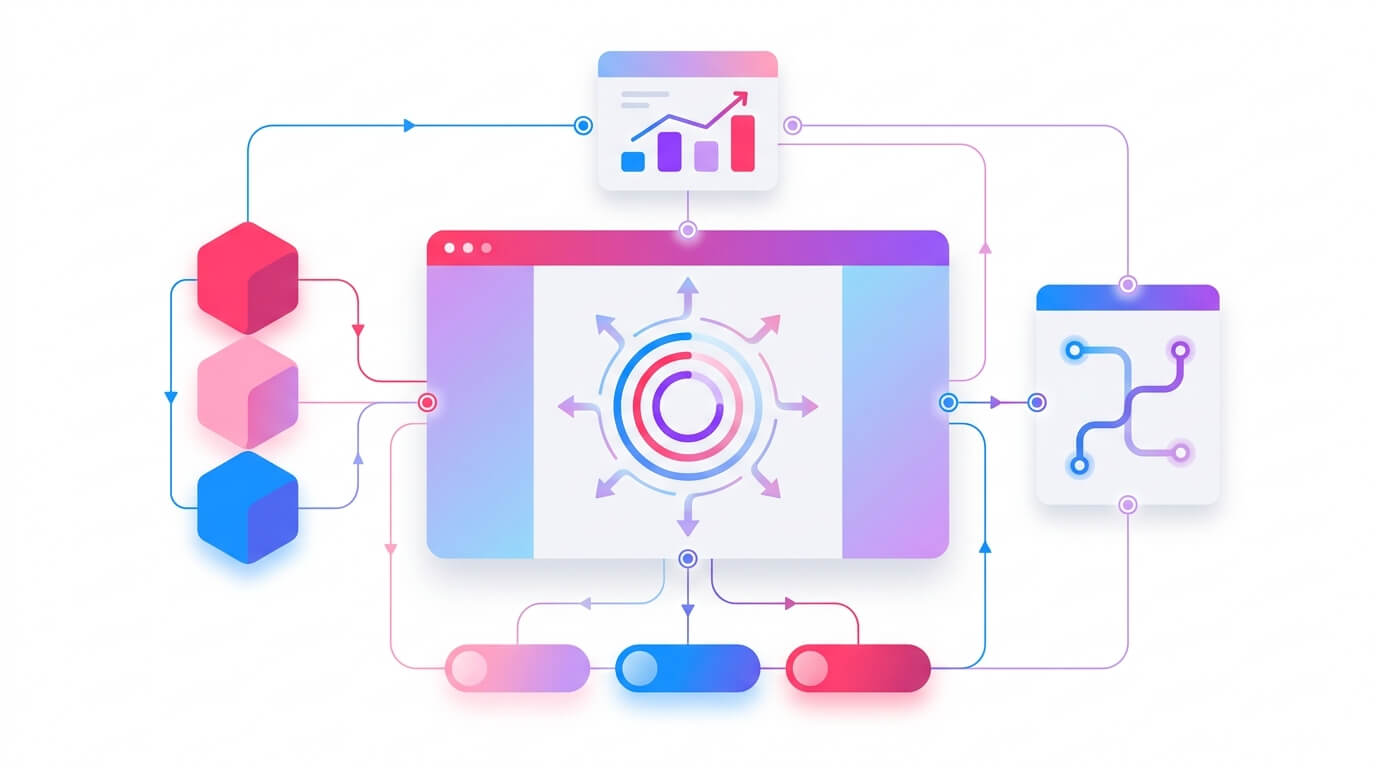
The best online storefront does more than take orders. It shapes how buyers find items, compare options, pay, and return. Strong ecommerce platforms link sales, stock, pay, and buyer data. That link helps teams cut manual work and make faster calls. In fact, the best online storefront turns daily sales into a system that grows.
So the best online storefront should fit how the brand sells today and where it goes next. A poor fit adds cost before it adds growth.
Why Platform Choice Shapes Growth
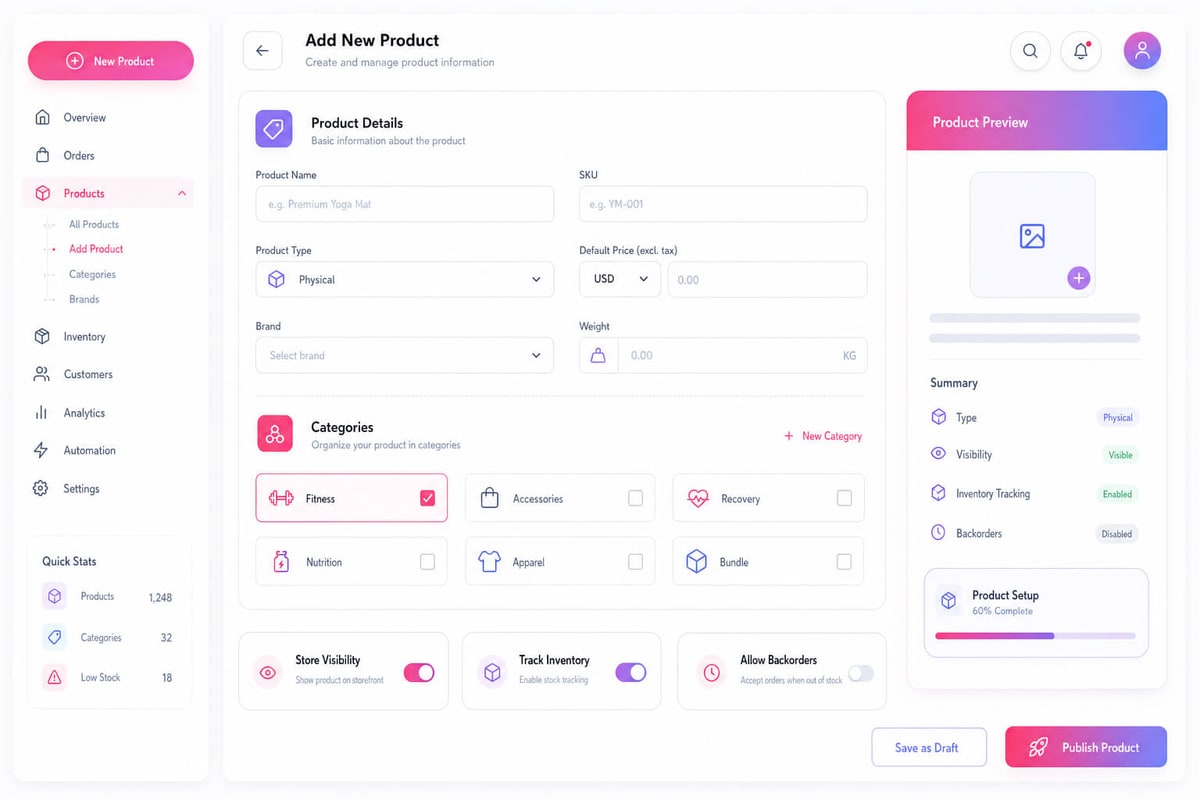
In fact, a store may start with a plain list and checkout. Growth often adds new needs: subs, bundles, stores, and global shipping. Also, the best online storefront handles those changes with no hidden costs. Clean item data, stable links, and flex design all matter early. Many online store platforms look the same at first. In fact, the real gap shows when order volume rises, or ads get more complex.
A Practical View of Storefront Fit
The best ecommerce platform depends on the brand model. A direct-to-buyer brand needs different tools than a B2B seller or market brand. Some popular ecommerce platforms focus on fast setup and clean design. Others support deeper control and complex lists. The best online storefront creates a clear path from item find to repeat buy. It also gives teams useful data with no heavy manual reports.
For growing brands, the best ecommerce solution balances speed, control, cost, and support. That balance helps avoid a relaunch after the first growth stage. The market has many major ecommerce platforms, each with clear strengths. The best online storefront fits current needs while leaving room for change.
What Makes the Best Online Storefront for Modern Businesses?
In fact, modern buyers want a store that loads fast and feels plain. The best online storefront links item find, checkout, pay, and fill in one steady flow. It should support current sales while leaving room for new channels. Strong storefronts do more than show items. They cut cart exits, stop stock errors, and shorten order times. When item, price, and order data stay in line, teams spend less time fixing issues.
Customer Journey and Conversion
The best online storefront helps buyers find the right item fast. Clear nav, useful filters, and clean search results all cut friction. Fast page speed matters most on mobile, where slow pages lose buyers fast. Also, checkout design shapes revenue. Guest checkout, trusted pay options, and clear ship costs cut last-minute exits. Many ecommerce platforms now include fraud checks, tax tools, and saved pay options as standard features.
- Item pages need clear photos, prices, variants, and ship details
- Search should handle common spelling errors and item words
- Checkout should show fees before the final pay step
- Account tools should make reorders and returns easy
Operational Fit and Growth for the Best Online Storefront
The best online storefront also fits how a brand runs. A shop with 50 items needs different tools than a brand with 20,000 SKUs. Strong online store platforms keep stock, orders, and buyer data in sync. In fact, growth often shows weak systems. Manual item syncs can create price errors across channels. Also, the best ecommerce platform cuts those risks through solid links with ship, account, and site tools. Modern ecommerce software platforms also need clean reports. Teams need to see turn rates, repeat orders, return reasons, and item margins. Better data supports faster calls without adding more manual reports. The best online storefront becomes a core system for ecommerce management.
Connect Shopify, draw your floor, pick an order - free plan, 7-day full trial, no credit card, no sales call.
Best Online Store Platforms for Small Businesses and Scaling Brands
In fact, small brands need selling tools that stay plain at launch. The best online storefront supports fast setup, clean item pages, and steady order flow. Startups often need more room to test offers. Strong online store platforms make changes easy with no costly dev work.
Platform Fit for Each Stage of Best Online Storefront Use
The best online store platforms match the team’s current skills. A lean team may need built-in pay, ship, and tax tools, and templates. Rising quarterly ecommerce sales show why flex systems matter early. Also, the best online storefront can handle demand spikes with no slowing checkout or item syncs.
- Small shops often value quick setup and clear monthly costs
- Startups gain from test tools and simple app links
- Scaling brands need stronger reports, auto, and stock control
Many popular ecommerce platforms serve more than one stage. The right fit depends on list size, order volume, and team cap.
Growth Needs Beyond Launch
However, a launch-ready store does not always support later growth. The best online storefront keeps checkout stable as traffic grows. Growing brands often compare ecommerce platforms by link depth. Account, email, ship, and stock systems should share clean data. Also, cost changes as the brand grows. Some ecommerce software platforms charge more for better reports, apps, or higher pay volume. The best ecommerce platform gives teams control with no constant tech work. For many brands, the best ecommerce solution combines ease with stronger back-end control. A best online storefront should support daily selling and cleaner handoffs into ecommerce marketplace management.
Comparing Popular Ecommerce Platforms and Major Ecommerce Platforms
In fact, a fair check starts with brand fit, not name fame. The best online storefront supports the way a brand sells, ships, and serves buyers. Popular ecommerce platforms often serve different growth stages. Shopify, Wix, WooCommerce, BigCommerce, and Adobe Commerce each solve distinct problems.
Platform Fit and Growth Stage for the Best Online Storefront
For example, Shopify works well for teams that need speed and clean ops. Its hosted model cuts tech work and keeps checkout, hosting, and security in one place. Also, WooCommerce fits brands that already use WordPress. It gives teams more control, though it often needs more plugin care and dev support. Furthermore, BigCommerce suits sellers with larger lists or complex sales rules. Adobe Commerce serves brands with custom flows. It can support complex lists, regional stores, and B2B pricing, but it needs strong tech care.
Control, Cost, and Daily Operations
The best online storefront depends on how much control the brand needs. Hosted online store platforms trade some freedom for easier upkeep and faster launches. Open-source ecommerce software platforms give teams deeper code and data control. That freedom can raise costs when updates, safety, and tests need outside help. Also, the best ecommerce platform links cleanly with pay tools, tax systems, ship apps, and stock software. Poor links add manual work to every order.
For many teams, the best online storefront balances speed with room to grow. A store with 50 items has different needs than one with 50,000 SKUs. Major ecommerce platforms also differ in checkout design and app quality. So, a smoother checkout can cut cart exits without changing item prices. The best ecommerce solution keeps daily work plain for staff. Clean order views, fast refunds, and clear stock data often matter more than rare features. A strong electronic commerce platform should match current needs with no blocking future plans. That view also helps teams compare cost, risk, and fit when they are starting an online business. Also see how to look up Amazon sellers to understand your market fit.
Features to Look for in the Best Ecommerce Platform
The best online storefront balances speed, control, and room to grow. Strong platforms keep item pages fast, checkout plain, and order data clean. A good fit also cuts hidden work for the team. The best ecommerce platform links list, pay, tax, and ship with no constant manual fixes.
Core Storefront and Checkout Features
In fact, item control sits at the center of every store. Flex variants, bulk edits, and clear image tools help teams launch items faster. Checkout quality has a direct link to revenue. Saved carts, guest checkout, trusted pay options, and clear fees can cut cart exits. The best online storefront also supports mobile buyers with no extra design work. Pages should load fast and keep buttons easy to tap. Search and filtering deserve close check across ecommerce platforms. Buyers find items faster when filters match real buying habits.
Growth, Data, and Operations Tools for the Best Online Storefront
Marketing tools split basic sites from serious online store platforms. Built-in email, discount rules, SEO controls, and item feeds help teams reach buyers. Also, reports should show more than total sales. Useful screens track conversion rate, repeat orders, refund trends, and channel results. The best online storefront gives owners clear data before problems grow.
Also, stock alerts, low-stock reports, and order status syncs cut daily guesswork. Link depth also matters across ecommerce software platforms. The system should link with account, ship, CRM, and market tools. Safety and rules protect both buyers and sellers. A strong electronic commerce platform supports safe pay, role controls, and tax settings. The best online storefront also leaves space for new sales models. That breadth matters for brands testing subs, bulk, retail, or store dropshipping. Also, check how to choose the right ecommerce platform for a full guide.
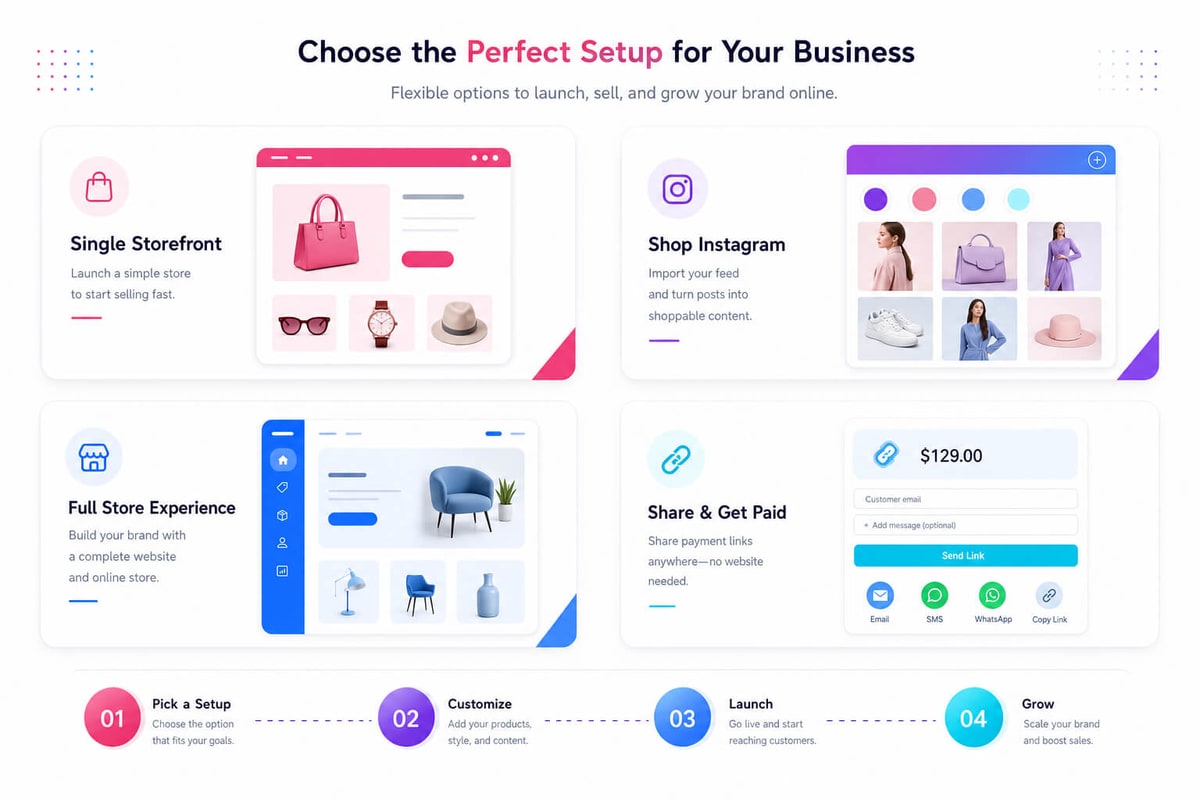
Choosing the Best Ecommerce Solution by Business Model
The best online storefront depends on how the brand sells. In fact, a brand with ten items needs different controls than a dealer with 20,000 SKUs. The right fit links sales channels, order flow, pricing, and stock rules. A strong match also cuts hidden work. Staff spends less time fixing orders, syncing lists, or checking stock by hand. That difference matters as sales volume rises.
Storefront Needs by Sales Model
Direct-to-buyer brands often need fast page loads, flex design, and plain checkout. The best online storefront for this model supports bundles, subs, reviews, and mobile sales. These features help teams test offers without rebuilding the store. Furthermore, B2B sellers need different tools from most retail brands. Account pricing, quote flows, bulk orders, and pay terms shape the buy flow. In this case, the best ecommerce solution often looks more like a sales portal than a standard shop.
Market sellers need tight channel control across Amazon, eBay, Walmart, and social shops. Also, strong ecommerce platforms keep item data steady across each channel. They also cut over-selling when orders arrive from several spots at once.
Use Cases That Shape Best Online Storefront Platform Fit
Fast-growing brands should check how each platform handles complex lists. Item variants, kits, digital goods, and regional pricing can strain basic systems. The best ecommerce platform handles these needs with no extra manual steps. Service brands often need bookings, deposits, forms, and custom asks. The best online storefront for this case blends ecommerce with lead capture. That mix helps teams sell items and start buyer talks.
Shops with physical stores need clean links between online and in-store stock. Many online store platforms support pickup, local ship, and store returns. Also, global sellers should compare tax tools, language, currency, and shipping rules. Some popular ecommerce platforms handle global sales better than others. A poor fit can create checkout errors and slow fulfillment. Furthermore, the best online storefront lines up with the sales model first. For item-based brands, the strongest setup links the storefront with the best ecommerce inventory management software.
Cost, Integrations, and Support Across Online Store Platforms
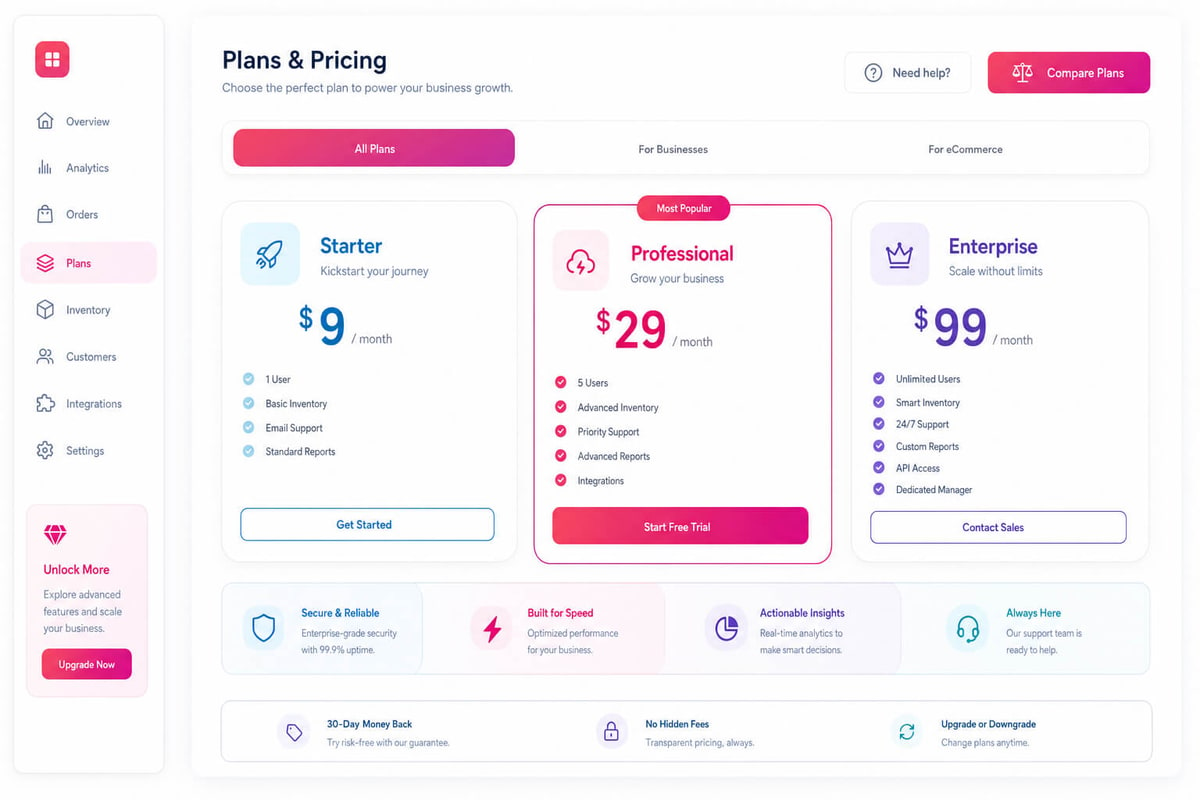
Cost shapes platform choice as much as features do. The best online storefront keeps monthly spend tied to revenue, not guesswork. Pricing should reflect order volume, list size, and staff time. In fact, a low entry price can hide pay fees, app costs, and theme work. Some ecommerce platforms charge more as sales grow. Others shift costs into paid add-ons and dev support.
Pricing That Matches Growth for Your Best Online Storefront
The best online storefront creates a clear cost path. Teams can see what they pay today and next year. That view helps leads plan margins before traffic rises. However, plan fees rarely tell the full story. Pay, fraud tools, tax software, and ship apps add real cost. For many brands, labor savings matter more than license price. The best ecommerce platform cuts manual work across daily tasks. Fewer sheet syncs can save hours each week. Those hours often offset a higher monthly plan.
Integrations and Support Quality
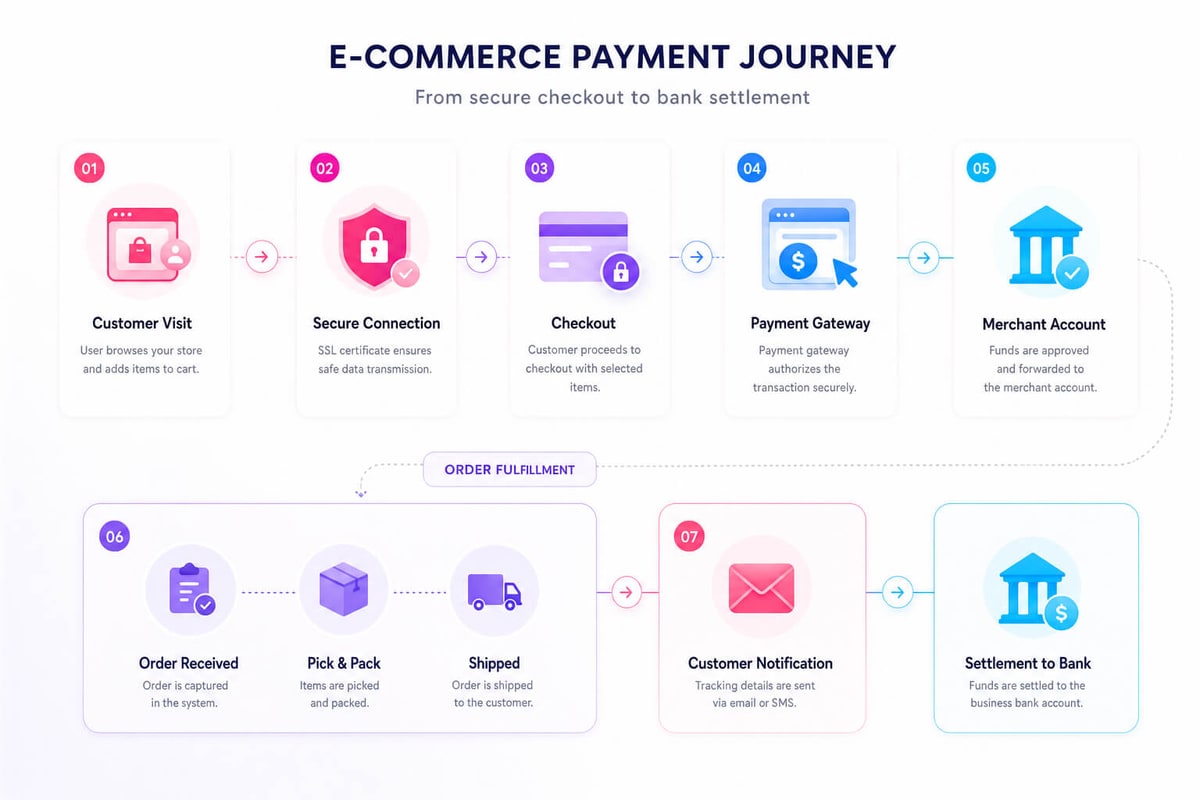
Links decide how well sales, stock, and service teams work together. Strong online store platforms link cleanly with pay tools, ship apps, email systems, and account software. So, poor links create repeat work and slower order handling. Also, the best online storefront fits the current tech stack. A brand with complex fill needs may need deeper system links. Smaller teams may prefer built-in tools over many paid apps. Support quality splits popular ecommerce platforms during busy times. In fact, fast answers matter when checkout fails or ship rates break. Clear docs also help teams solve routine issues with no delay. For growing brands, the best online storefront balances price, links, and service depth. The right choice supports storefront growth and the back-end of ecommerce order management. Also see order management software to see how ops connect.
How an Electronic Commerce Platform Improves Marketing and Operations
An electronic commerce platform links item data, orders, buyer records, and campaigns. That shared system helps teams move faster with fewer handoffs. The best online storefront turns daily work into useful signals. In fact, marketing gains come from cleaner data and faster response times. Ops gains come from fewer manual syncs across tools. Together, these shifts help growing brands protect margin.
Marketing Data That Drives Timely Action
Modern ecommerce platforms capture browse, cart, buy, and return behavior. Teams can group buyers by value, item interest, or buy cycle. The best online storefront supports campaigns based on real behavior. For example, a skin brand can send refill notes after 45 days. A home brand can promote care kits after shipment. These messages often beat broad discounts as timing matches need. Paid ads also gain from cleaner item and buyer feeds. Brands that sell across channels must also track online marketplace requirements before pushing listings live. Clean feeds cut rejected ads, over-sold items, and wasted spend.
Operational Control Across Orders and Inventory
The best ecommerce platform supports order routing, stock counts, and fill rules. Staff can see which site should ship each order. That view cuts split ships and service tickets. Strong online store platforms also cut repeat data entry. An item sync can flow to the storefront, ads, and markets. The best online storefront keeps those changes steady across channels. When ops and marketing share one data source, planning lifts. So, teams can pause ads for low-stock items before demand spikes. The best online storefront also helps promote slow stock with no guessing at open levels. Many brands link this base with ecommerce marketing automation software.
Practical Tips for Launching the Best Online Storefront
A strong launch depends on clean data, clear flows, and tested systems. The best online storefront cannot work well if item records, tax rules, or shipping settings have gaps. Early setup choices shape order speed, report quality, and buyer trust. The right launch plan also reflects the brand model. A brand selling subs needs different controls than a shop shipping single orders. Strong ecommerce platforms support both sales goals and daily ops.
Prepare Core Store Data
First, item data deserves close care before launch. Clear titles, clean images, and full details cut buyer doubt. Strong records also help search tools return better results. Also, stock rules need the same care. Safety stock, backorder settings, and spot data should match real site limits. This step helps the best online storefront avoid over-selling at early traffic spikes. Recent trends in small business digital adoption show why setup discipline matters. More teams now rely on linked tools from day one. That makes clean data vital across online store platforms, pay systems, and ship apps. Furthermore, checkout tests should include common and edge-case orders. Test gift cards, discounts, taxes, refunds, and failed payments. These checks show issues before buyers face them.
Test Operations Before Traffic Grows
Also, a soft launch gives teams a safe way to find friction. So, staff can place test orders, pick items, print labels, and process returns. The best online storefront supports this work with no hidden manual steps.
- Order routing should send each order to the right spot
- Pay rules should flag risk with no blocking good buyers
- Email notes should match order status and brand tone
- Return rules should protect margins and keep steps clear
Analytics setup also matters before ads begin. The best ecommerce platform should track source, turn, cart value, and repeat buy. So, good reports help teams adjust spend in days, not weeks. Many popular ecommerce platforms include useful launch tools, but setup decides the result. The best online storefront links list, checkout, stock, and fill flow. That link cuts rework when order volume rises. In fact, growth often shows weak links in the first month. A practical launch plan leaves room to refine rules, train staff, and check data. The strongest best online storefront setup links storefront work, stock control, and shipping through ecommerce fulfillment automation.
Conclusion
The best online storefront gives a brand room to grow. It links sales, pay, stock, marketing, and shipping in one clear system. Strong choices cut manual work and help teams spot issues early. Different ecommerce platforms serve different goals. A small brand may value speed and plain setup. A scaling seller may need deeper controls, better links, and stronger reports.
What Matters Most in the Best Online Storefront Choice
The best online storefront fits the brand model first. Item type, order volume, team skills, and sales channels should shape the choice. However, price matters, but poor fit often costs more over time. The best online store platforms make daily work easier. They help teams sync items, track orders, manage tax rules, and review sales data. These tasks shape profit as much as design does. Many online store platforms look the same in a demo. Real gaps show at busy sales times, returns, stock changes, and support requests. The best ecommerce platform stays solid when press rises.
Next Step for Growth
A clear short list helps teams compare value with no guesswork. The strongest ecommerce software platforms match current needs and future plans. That balance keeps the store stable as traffic grows. Start with the brand case, then check features, costs, links, and support. Compare popular ecommerce platforms against real order flows and buyer needs. The best ecommerce solution should make growth simpler, not heavier. Also, the best online storefront supports better calls after launch. So, clean data shows which items sell, where carts drop, and which channels pay back. Choose the best online storefront that supports sales today and scale next year. For the next layer of growth, connect storefront planning with e-commerce logistics solutions that keep shipping fast and clear.
 Google AI
  OpenAI ChatGPT
 Frequently Asked Questions
What's the best online storefront provider?
The best provider depends on your business size, budget, and sales goals. Shopify, BigCommerce, Wix, and WooCommerce are popular ecommerce platforms for different needs. The best online storefront should offer secure payments, mobile-friendly design, inventory tools, marketing features, and room to grow without adding unnecessary complexity.
How do I choose the best online store platform for my business?
Start by comparing ease of use, pricing, design flexibility, payment options, and integrations. The best online store platforms also support SEO, product management, shipping, and analytics. If you plan to scale, choose ecommerce software platforms that can handle more products, traffic, and sales channels over time.
What features should the best ecommerce platform include?
The best ecommerce platform should include a secure checkout, responsive templates, product catalog tools, multiple payment gateways, order management, and marketing features. A strong electronic commerce platform should also support SEO, email tools, abandoned cart recovery, and integrations with accounting, shipping, and customer service systems.
Is Shopify the best online storefront for most businesses?
Shopify is often considered one of the major ecommerce platforms because it is easy to use, reliable, and supported by many apps. However, the best online storefront for your business may be Shopify, WooCommerce, BigCommerce, or another option depending on customization needs, budget, and technical resources.
Are free online store platforms good for selling products?
Free or low-cost online store platforms can work for testing an idea or launching a small catalog. However, they may limit payment options, design control, features, or scalability. For long-term growth, many businesses choose a paid ecommerce solution that offers stronger support, better performance, and more professional selling tools.
What is the best ecommerce solution for a growing business?
The best ecommerce solution for a growing business is one that balances usability with scalability. Look for platforms that support multichannel selling, advanced reporting, flexible integrations, and reliable performance during traffic spikes. Comparing popular ecommerce platforms by total cost, features, and support can help you choose the best ecommerce setup for growth.
I specialize in building scalable eCommerce systems powered by AI and automation. My work focuses on growing sales across Amazon, eBay, and Etsy through technology integration, data-driven strategies, and performance optimization. I also publish articles and insights about eCommerce technology, warehouse operations, and multichannel growth.
You may also like

How to Choose a 3PL Logistics Company That Supports Business Growth
Choosing the right logistics partner can improve delivery speed, reduce operating costs, and support scalable growth. This article explains what a 3PL logistics company does, when to use one, and how to compare providers for your business needs.

Fulfillment Services for Ecommerce Growth
Choosing the right fulfillment services can help ecommerce brands streamline storage, packing, shipping, and returns. A practical guide for comparing providers, improving customer experience, reducing operational costs, and scaling sales profitably.

What Is Fulfillment in Business? A Complete Guide for Growing Companies
Fulfillment is the process that turns customer orders into delivered products. This brief explains what fulfillment means in business, how ecommerce and service fulfillment work, and how to choose the right approach for growth, efficiency, and customer satisfaction.