
Office Supply Tracking System: A Smarter Way to Manage Workplace Inventory
 Daniel Brooks
·
· 15 min read
Daniel Brooks
·
· 15 min read 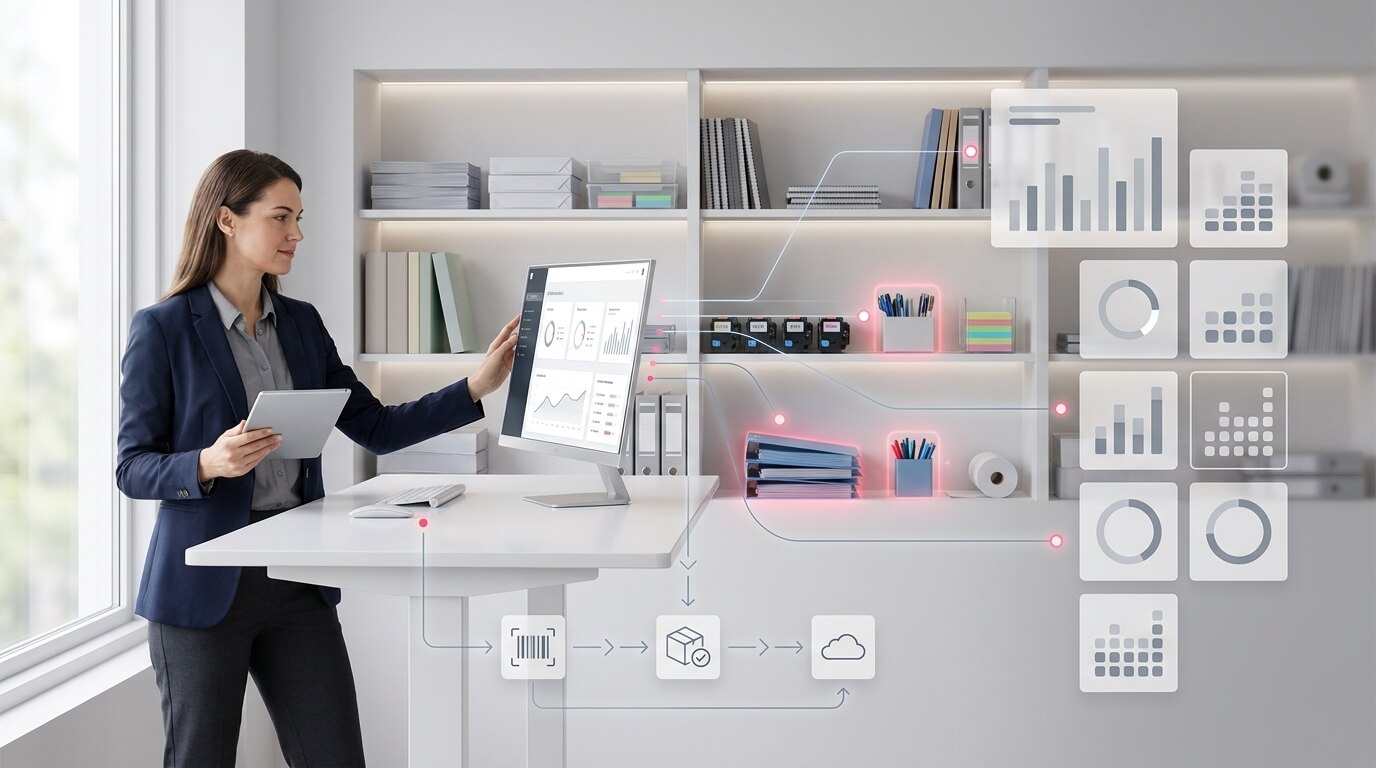
Missing pens and surprise toner orders seem small at first. Over time, they make waste, delays, and avoidable spending. A strong office supply tracking system gives teams a clear view of what they have, what they use, and what needs replacement. This guide explains how better tracking improves visibility and reduces unnecessary costs.
Many offices still rely on sheets, email requests, or supply closets with no clear controls. In fact, that creates gaps fast. That approach makes office inventory management harder as teams grow. It also leaves managers guessing about demand, stock levels, and buying trends. A practical guide to office supply tracking helps companies build more accurate workflows from the start.
Why Visibility Matters Early
An effective office supply tracking system turns routine supply control into a plain daily flow. Staff can see live stock, track use by team, and spot shortages before work slows down. Finance teams also gain better data for budget planning and vendor reviews.
That view matters past paper, ink, and notebooks. Many firms also track shared tools, peripherals, and small devices through office equipment inventory software or office supply inventory software. When supply data lives in one place, reorders become more precise and less reactive.
How an Office Supply Tracking System Supports Growth
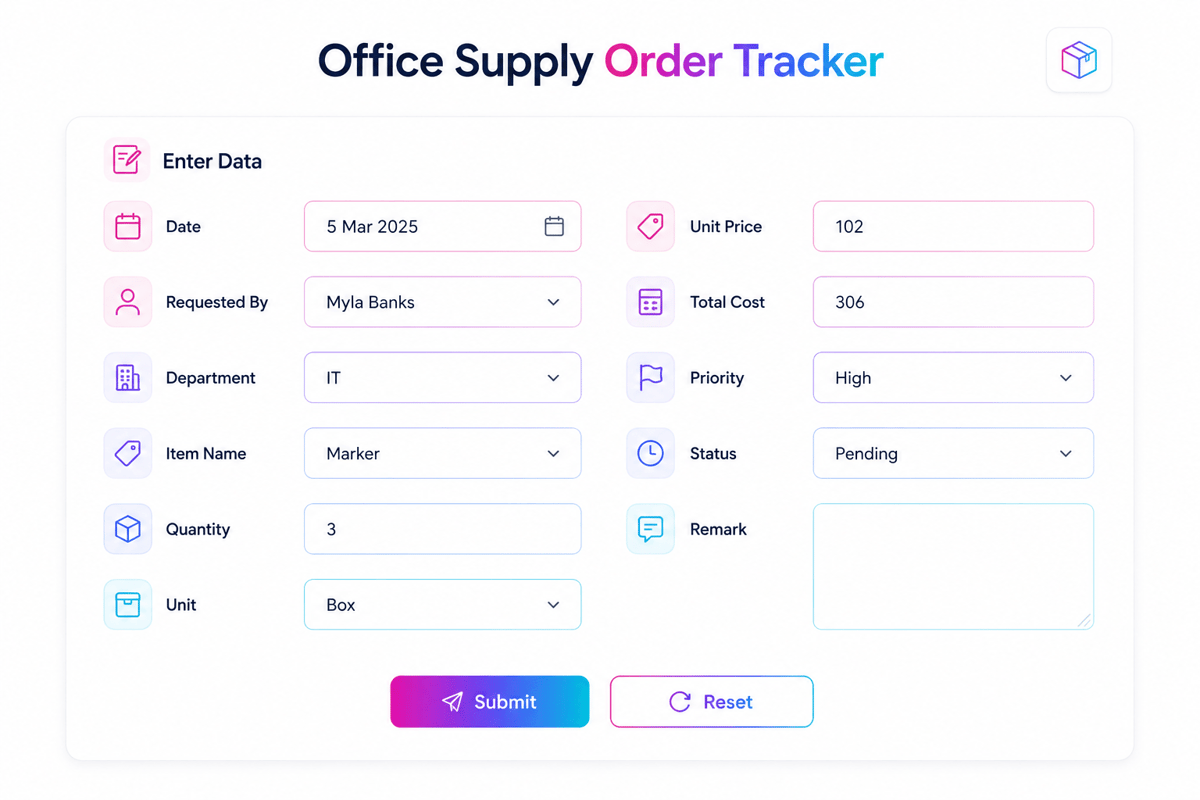
A modern office supply tracking system helps steady use across teams and sites. It makes a solid log of requests, sign-offs, and stock moves. That log helps leaders see where spending rises and where plain policy changes can cut waste.
Firms that outgrow manual methods tend to look for office supply management software. The right setup helps fix how to keep track of office supply inventory with no added admin work.
Connect Shopify, draw your floor, pick an order - free plan, 7-day full trial, no credit card, no sales call.
What Is an Office Supply Tracking System and Why Does It Matter
An office supply tracking system gives teams a clear view of workplace stock. It logs what items are on hand, where they sit, and when teams reorder. That view turns supply control from guesswork into a repeatable flow.
Many firms still rely on paper, pens, toner, and cables for sheet or email requests. That approach tends to make double orders, lost items, and rushed buys at higher prices. A strong office supply tracking system keeps routine buys visible and easier to control.
What the system tracks
For example, most tools log supply counts, item spots, use history, and reorder points. Some also link with buy logs, vendor details, and staff requests. This gives office inventory management a shared source of truth.
In practice, the system can cover both daily supplies and longer-life assets. A modern office supply software system cuts manual follow-up. Workers can see low-stock items early and check order trends over time.
Why better visibility matters for office supply tracking
Supply costs tend to rise through small losses, not one big mistake. Teams may store extra stock in drawers, forget past orders, or buy from varied vendors. An office supplies management system helps prioritize those calls.
Better logs also improve tracking across teams and sites. So finance can act faster. Finance teams can check spend trends with fewer manual checks. Operations leads can use office supply management software to spot waste, stop shortages, and help employees form habits.
As teams grow, plain tracking methods break down fast. A solid office supply tracking system helps steadier ordering, lower waste, and stronger inventory tracking.
How Office Inventory Management Improves Cost Control
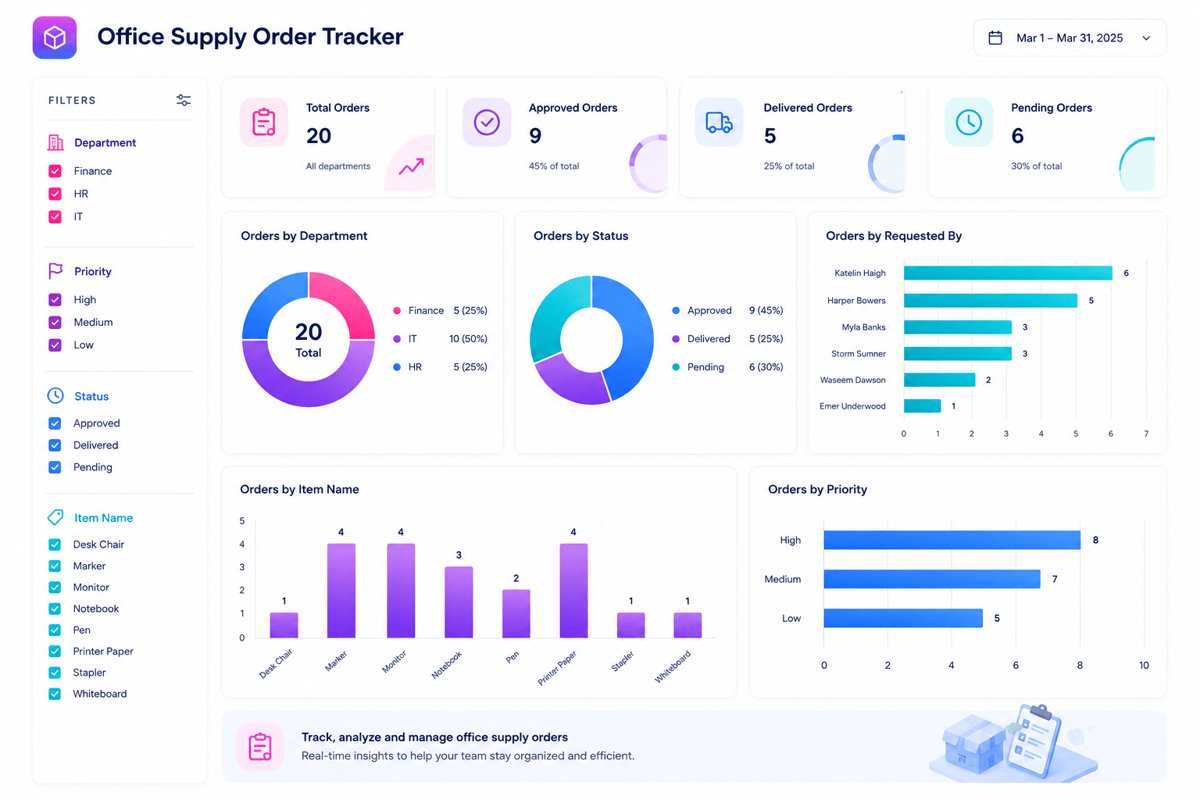
Strong office inventory management gives teams a clear view of daily supply use. That view cuts waste, stops double orders, and keeps budgets grounded in real demand. An office supply tracking system also shows which items move fast, which sit unused, and where spending starts to drift.
With no solid data, supply buying tends to become reactive. Teams place rush orders, overstock common items, and miss low-value losses that build over time. A well-run office supply tracking system replaces guesswork with live counts, use history, and cleaner buy calls.
Better visibility leads to better spending
When stock levels stay live, buying becomes more precise. Finance teams can match orders to actual use instead of rough estimates. That control matters for paper, toner, cleaning products, and other items that disappear quietly each month.
A central office supplies management system also cuts maverick buying across teams. Workers can see who requested what, when it was approved, and how it gets reordered. This trend helps firms set limits, size supply lists, and negotiate better vendor terms.
An effective office supply tracking system helps set tighter reorder points. Teams avoid emergency buys that tend to carry higher prices and shipping fees. Over time, that discipline lowers carrying costs and frees cash that would otherwise sit on shelves. See also effective inventory optimization techniques.
Faster workflows and fewer manual errors
Speed improves when staff spend less time checking closets, sending requests, or fixing sheet mistakes. A modern office supply management software platform keeps logs in one place and updates them fast. That saves admin time and cuts errors caused by double entries.
Many firms also track printers, monitors, and shared tools with office equipment inventory software. This makes one flow for both supplies and small assets. As a result, teams spend less time hunting for items and more time keeping ops moving.
- Live counts cut stockouts and rush buys.
- Use trends reveal waste before costs rise further.
- Approval logs shorten audits and help with budget checks.
For firms asking how to keep track of office supply inventory, the fix tends to start with steady data and shared access. A solid office supply tracking system brings both together, which makes cost control easier and daily work faster. The same base also prepares the firm for broader reporting through stock control software.
Key Features to Look for in an Office Supply Tracking System
The right software gives teams a clear view of stock, use, and spend. A strong office supply tracking system should show what is on hand, who requested it, and when items need reordering. That view helps with tighter office inventory management and cuts waste from double buys.
Good tools also link supply tracking with asset logs. Many firms need one platform for toner, paper, laptops, monitors, and shared tools. That makes office equipment inventory software and office supply inventory software work better when they work from the same data set.
Core features of an office supply tracking system
Live stock updates sit at the center of any solid office supply tracking system. Teams can see live counts across rooms, floors, or office sites without relying on manual sheets. This matters when supply use changes by team, season, or project volume.
Auto reorder points help stop shortages before they disrupt work. A solid office supply software system can flag low stock, make buy requests, and keep order history in one place. That makes it easier to fix questions about buy trends and budget drift.
Barcode search help, and plain item categories also save time. Staff can find printer ink or cables fast instead of checking storage closets by hand. For firms asking how to keep track of office supply inventory, speed and clean data tend to depend on these basic functions. See also warehouse stock location systems.
Visibility and reporting in office inventory management
Furthermore, user rights shape how well the system helps with daily control. Workers may need sign-off rights, while team members only need to submit requests or check stock. A capable office supplies management system keeps those roles clear and cuts ordering errors.
Reporting should go past plain stock counts. Good dashboards show use by team, cost by site, and items with frequent rush orders. That level of detail helps an office supply tracking system reveal trends that manual logs tend to miss.
Mobile access adds value for spread-out teams and shared offices. Staff can scan items, confirm deliveries, and update counts from a phone or tablet. When office supplies software helps that workflow, audits take less time, and logs stay live.
Strong office supply management software tends to link with buy, accounting, or help desk tools, which cuts double entry and keeps logs aligned. Those features tend to split a basic tracker from the best picks for small businesses.
How to Keep Track of Office Supply Inventory Across Teams and Locations
Tracking supplies across one office is plain. Running them across several teams is not. Varied buy habits, storage areas, and sign-off rules tend to make gaps that hide waste.
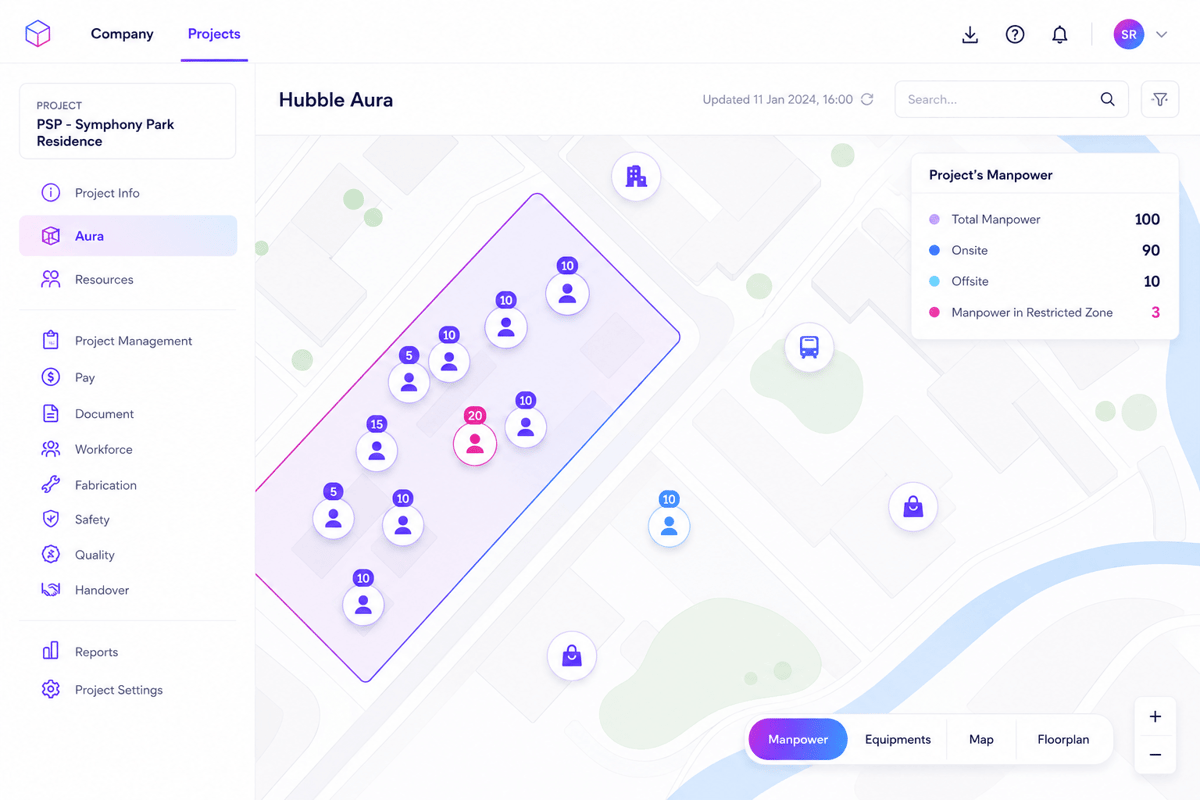
A strong office supply tracking system gives every site one shared log. Teams can see what is in stock, what is running low, and where items move during the week. That view helps better office inventory management and cuts double orders.
Build one process across every location with an office supply tracking system
The best results come from one flow that fits all teams. Each site can still have varied stock levels based on size and demand. The system just keeps the tracking method the same.
An office supply software system helps central teams set item codes, user roles, and sign-off paths. Local managers can request supplies without changing the master list. That balance keeps control of finance while giving teams enough flexibility.
Use real-time data to prevent shortages and overstock
A modern office supply tracking system also helps site-based reorder points. A busy head office may need weekly restocking. A smaller branch may only need a monthly review. The system reflects those trends instead of forcing one rule on every office.
As teams spread out, accurate counts depend on fast updates from every site. That is why many growing firms link their office supply tracking system to a mobile inventory management system.
Benefits of an Office Supplies Management System for Growing Businesses
Growth puts steady pressure on buying, storage, and daily requests. A strong office supply tracking system gives teams one clear log of what they have, where it sits, and when stock runs low.
Better control as demand increases with office supply tracking
A growing firm tends to see supply use change faster than expected. An office supplies management system helps managers spot those shifts before overspending becomes routine.
Accurate logs also cut waste from forgotten stock and expired items. For growing firms, that control protects margins with no slowing of daily work. For context, see the best inventory tracking software.
Faster decisions and stronger accountability
Manual logs make it hard to fix plain supply questions fast. An office supply tracking system gives managers a live view of requests, stock levels, and use trends.
Clear logs make audits easier, and budget checks better. For firms asking how to keep track of office supply inventory without adding admin work, the right office supply tracking system tends to deliver the clearest path, especially when paired with affordable inventory management software.
Best Use Cases for Office Supply Management Software
An office supply tracking system delivers the most value where supply use changes fast. Busy offices, shared workspaces, and multi-site teams tend to lose time to stock checks, double orders, and lost items. A strong office supply management software setup keeps those issues visible before they become costly.
High-volume and multi-location offices
Large offices tend to struggle with uneven stock levels across teams. One group may run out of labels while a second stores excess boxes for months. Office supply tracking software gives buying teams a clear view of what each site holds and what each group actually uses.
This matters even more when employees order supplies from several offices. A central office supplies management system can show transfer options before a new order goes out. That cuts rush buying and helps control spending across the firm.
Hybrid workplaces and equipment control
Also, hybrid offices need tighter control over portable items and home-office kits. Keyboards, monitors, webcams, and docking stations can move and tend to disappear from view. Office equipment inventory software and office supply inventory software help track who has each item and when it should return.
These tools also fix a common question: how to keep track of office supply inventory when staff work across sites. The best fix is a shared log with live updates, sign-off rules, and reorder alerts. That structure keeps supply data live with no added manual work.
Fast-growing firms tend to outgrow sheets before they notice the risk. An office supply software system makes a clearer flow for requests, stock counts, and vendor orders. As volume rises, the right office supply tracking system scales well with cloud-based inventory software.
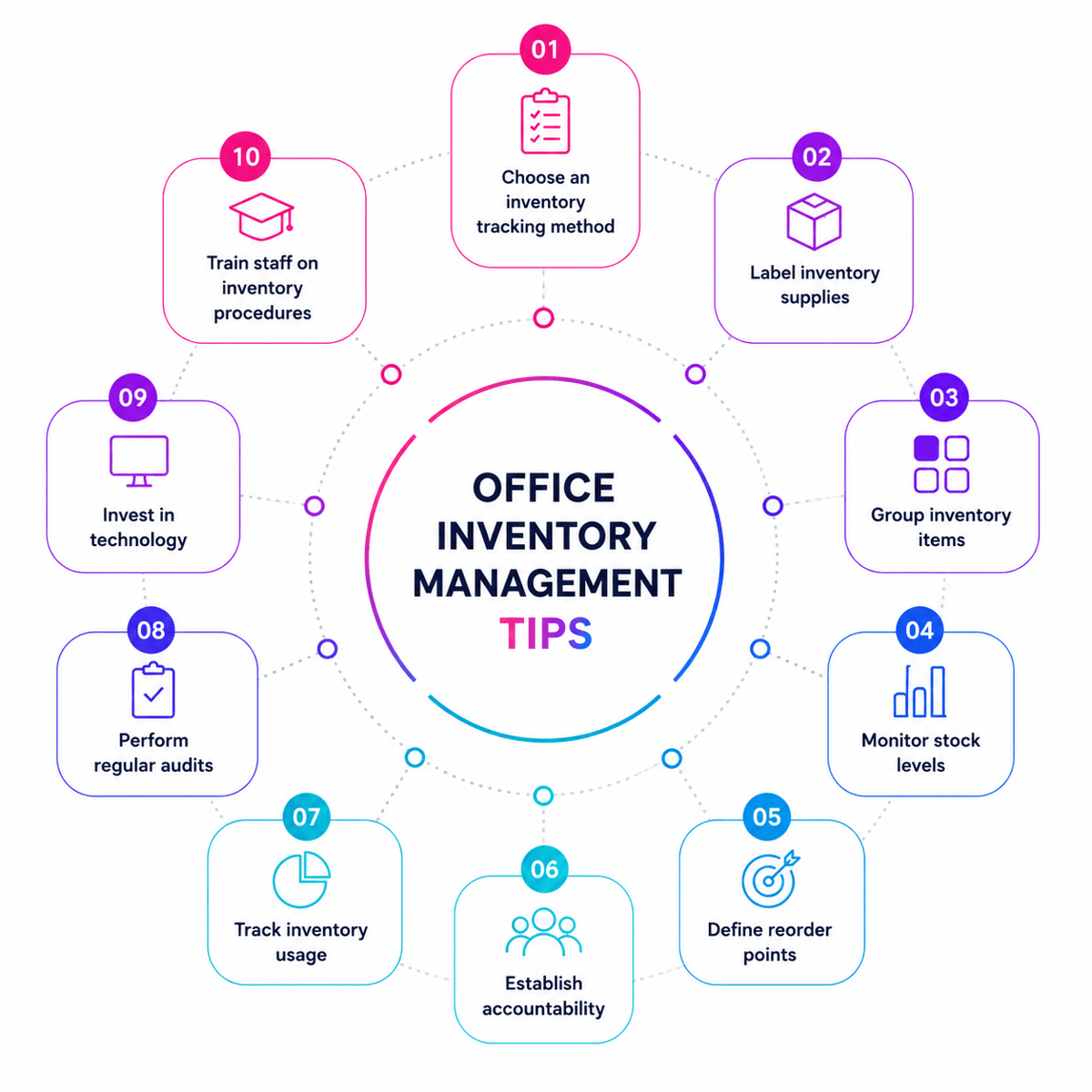
Common Challenges in Office Inventory Management and How Software Solves Them
Many teams still run pens, toner, paper, and tools by hand. That approach makes gaps, delays, and avoidable spending. A strong office supply tracking system gives teams a live view of stock, use, and reorder needs.
One common problem starts with a poor view across teams. Supplies sit in one cabinet while a second team places a rush order. Manual logs also make errors that spread over time. An office supply tracking system keeps logs live and cuts guesswork during audits.
Where manual tracking breaks down
Sheet files tend to become outdated within days. Varied teams may save separate versions and trust varied counts. That makes it hard to decide what to buy, where to move stock, and when to reorder.
Remote work and multi-site offices add more depth. Supplies move across rooms, floors, and sites with no clear trail. An office supplies management system logs each transaction and shows who took what and when.
A second issue appears when supply and equipment logs stay separate. Good office equipment inventory software and office supply inventory software bring those logs together for faster calls. See also how this applies to medical device inventory management.
How software makes an office supply tracking system work
A modern office supply tracking system helps teams set reorder points and low-stock alerts. That cuts emergency buys and missed work caused by empty shelves. It also helps cleaner sign-off flows for higher-cost items.
History shows trends that manual methods tend to miss. Workers can see which teams consume more, which items expire, and which orders repeat too often. That fixes a real question many offices face: how to keep track of office supply inventory without adding more admin work.
Better tools also help with tracking. An office supply software system or office supply management software can tie requests, sign-offs, and receipts to one log. Over time, that makes a more solid office supply tracking system and stronger procurement insights and analytics.
How to Choose the Right Office Supply Tracking System for Your Business
The right office supply tracking system should match daily work, not just a feature list. A small office may need plain stock counts and reorder alerts. A larger firm tends to need stronger controls across teams, sites, and sign-off flows.
Start with the problems that waste time or money today. Many firms struggle with lost items, double orders, and poor visibility. A strong office inventory management flow depends on clear data, easy updates, and shared access.
Match features to daily operations
A good office supply tracking system makes routine tasks easy for staff. Barcode scanning, mobile access, and low-stock alerts save time at the point of use. Approval rules also help control spending when many teams request supplies.
Reporting matters when managers need clear buy trends. Good office supply management software shows what moves fast, what sits unused, and which teams order the most. That view helps buy teams set better par levels and cut rush orders.
Check scalability, ease of use, and support
Ease of use tends to decide whether data stays accurate. If check-in and check-out steps feel slow, staff skip them. A real office supply tracking system should feel plain enough for daily use with no extra training.
Growth should also shape the call. A system that works for one office may break down across five sites. Strong office supplies software can help site-based stock levels, user rights, and central reporting as needs grow.
Solid vendors help with data import, user roles, and report setup. That helps fix questions about how to keep track of office supply inventory across teams.
Overall, the best choice balances control, speed, and adoption. When those three factors align, an office supply tracking system becomes a dependable part of daily ops.
Conclusion
An office supply tracking system gives teams a clear view of stock, use, and spend. That view helps firms cut waste, avoid rush orders, and keep daily work moving with no supply gaps.
Strong office inventory management depends on accurate data and plain flows. When logs stay live, managers can spot trends early, set better reorder points, and control supply costs with less manual work.
What the right office supply tracking system delivers
The best office supply tracking system helps more than counting pens and paper. It links requests, sign-offs, stock levels, and buying into one flow that people can follow with ease.
That structure matters as teams grow across floors, teams, or offices. For instance, one site may order twice what it needs. A solid office supply management software setup cuts down on double-buying and makes tracking easier to maintain.
Furthermore, many firms also need tools that cover both supplies and shared assets. In those cases, office equipment inventory software and office supply inventory software work best when they give one steady log of what the firm owns and uses.
Next step for better control
Firms that still rely on sheets tend to struggle with delays and lost data. If better cost control and cleaner reporting matter now, check your live flow, find where requests or counts break down, and check tools that fit your team size and reporting needs.
A real office supplies management system should save time from the first month, not add work. For a broader view of systems that help growth, explore these inventory management solutions.
 Google AI
  OpenAI ChatGPT
 Frequently Asked Questions
What is an office supply tracking system?
An office supply tracking system is a tool that helps businesses monitor stock levels, usage, orders, and storage locations for everyday workplace items. It supports better office inventory management by reducing waste, preventing shortages, and giving teams a clear view of available supplies across departments or locations.
Why is an office supply tracking system important for businesses?
An office supply tracking system helps businesses control spending, avoid overordering, and keep essential items in stock. It improves purchasing decisions with accurate data and supports smoother operations. For growing teams, it also creates accountability by showing who requested supplies, what was used, and when reordering is needed.
How do you keep track of office supply inventory effectively?
To keep track of office supply inventory effectively, businesses should centralize records, set minimum stock levels, track supply usage, and review inventory regularly. Using office supply inventory software or an office supplies management system makes this process faster and more accurate than spreadsheets, especially when multiple employees request or use supplies.
What features should office supply tracking software include?
Good office supply tracking software should include real-time stock updates, low-inventory alerts, purchase order tracking, supplier records, usage history, and reporting tools. Many businesses also look for barcode scanning, user permissions, and integrations with accounting or procurement tools. These features help simplify office supply management software and improve visibility.
How is office supply software different from office equipment inventory software?
Office supply software is designed to manage consumable items such as paper, pens, toner, and cleaning products. Office equipment inventory software focuses on durable assets like printers, monitors, and laptops. Some companies use both systems together to support full office inventory management and maintain control over supplies and equipment.
Who should use an office supplies software system?
An office supplies software system is useful for small businesses, large offices, schools, healthcare facilities, and multi-location organizations. Any team that orders, stores, or distributes supplies can benefit. An office supply software system helps administrators, operations managers, and procurement teams save time, reduce errors, and maintain consistent stock levels.
I specialize in building scalable eCommerce systems powered by AI and automation. My work focuses on growing sales across Amazon, eBay, and Etsy through technology integration, data-driven strategies, and performance optimization. I also publish articles and insights about eCommerce technology, warehouse operations, and multichannel growth.
You may also like

Multi-Carrier Shipping Software: The Complete Guide to Smarter Ecommerce Shipping
Learn how multi carrier shipping software improves ecommerce fulfillment by comparing rates, automating labels, tracking orders, and simplifying returns. This brief outlines the key benefits, features, use cases, and buying criteria for growing online stores.

Top Ecommerce Fulfillment Companies: How to Choose the Right Partner for Growth
Choosing among top ecommerce fulfillment companies can improve delivery speed, inventory accuracy, and customer satisfaction. This brief outlines what business readers should look for, how to compare providers, and when to use U.S.-based fulfillment support.

Ecommerce Integration: A Practical Guide for Growing Businesses
This article brief outlines a practical guide to ecommerce integration for business readers. It covers platforms, software, ecommerce website integration, webshop integration, key benefits, use cases, selection criteria, implementation tips, and ways to measure long-term value.