
Wholesale inventory management software: features for distributors
 Fiftify Team
·
· 16 min read
Fiftify Team
·
· 16 min read

Wholesale stock management software gives distributors one clear view of stock, orders, vendors, and demand. It also supports tracking order status from purchase to delivery. Without it, a late buy order can drain stock before sales see the risk. One wrong count can cause backorders, rush freight, and lost trust.
Inventory accuracy shapes daily decisions.
Strong wholesale inventory management software integrates buying, receiving, picking, packing, and invoicing. Each task syncs stock logs as work happens. As a result, managers can spot gaps, excess stock, and slow movers before they affect cash flow.
Sheets tend to work during the first stage of growth. They break when five staff members edit files, and orders move fast. Also, capable wholesale stock management software cuts those gaps by tying stock counts to real orders. The gain is fewer manual checks. Solid data also helps vendor planning. Buyers can check lead times, fill rates, and sales trends in one place.
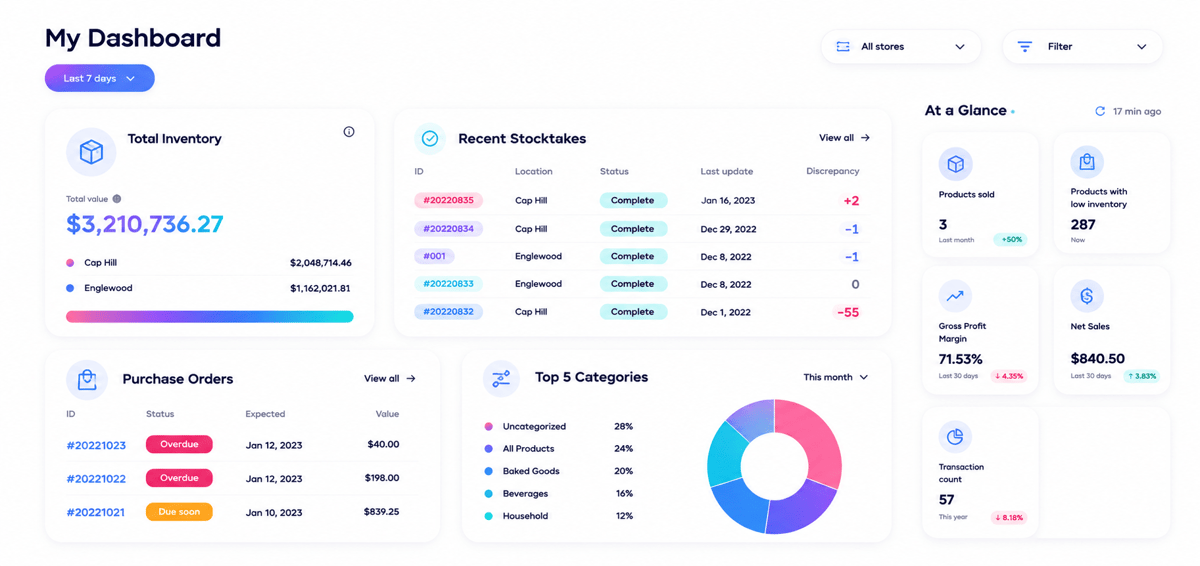
Growth needs connected wholesale inventory management software
As distributors add sites or e-commerce channels, stock data spreads across more tools. Wholesale stock management software brings those flags into one view. For instance, a sales order, move, return, or receipt changes open stock right away.
In turn, linked tools cut friction across teams. So, salespeople avoid selling goods that buyers have already set aside. Warehouse teams also pick against live orders, not stale printouts. Finance gains cleaner cost data for margins and the month-end close.
For growing distributors, the right wholesale stock management software helps teams save cash, serve buyers, and scale with fewer faults. Strong stock data turns growth from a daily scramble into a smooth flow. See also NACS industry data and e-commerce inventory management.
Why wholesale inventory management software matters for modern distributors
Modern distributors run more movement than ever. Orders come from sales reps, ecommerce sites, markets, and retail partners. Each channel puts pressure on stock counts, buy plans, and ship dates.
Furthermore, wholesale stock management software gives teams one solid view of stock. It links buying, receipt, sales, and site work in one tool. That shared view helps stop overselling, missed restock, and slow order checks.
Accuracy across fast-moving wholesale operations
A wholesale inventory management software logs stock changes as work happens. As a result, receipts, picks, moves, and returns sync stock counts with no double entry. Teams can then trust the counts before they set stock to orders.
This clean data saves cash flow. Otherwise, excess stock ties up money in slow goods. So, low stock makes backorders, split shipments, and lost sales. Also, wholesale stock management software helps teams spot small problems soon. For example, a rising return rate may point to picking faults. Frequent rush buys may show weak reorder rules.
Control for growth and complexity in wholesale inventory management
Also, growth adds new vendors, sites, product lines, and buyer terms. Wholesale stock tool gives each team the same operating log. Sales can see stock on hand, while buying can see future demand.
Better wholesale inventory control and inventory management depends on clean data. Clean item logs, vendor lead times, and reorder points guide each day choices. The tool turns scattered activity into clear stock movement.
For many distributors, wholesale stock management software becomes the base for larger operating changes. It helps better buying, cleaner fill, and stronger buyer setments. As growth spreads across sites and channels, that base often leads to multi-location inventory management software.
Connect Shopify, draw your floor, pick an order - free plan, 7-day full trial, no credit card, no sales call.
Key features of a wholesale inventory management system
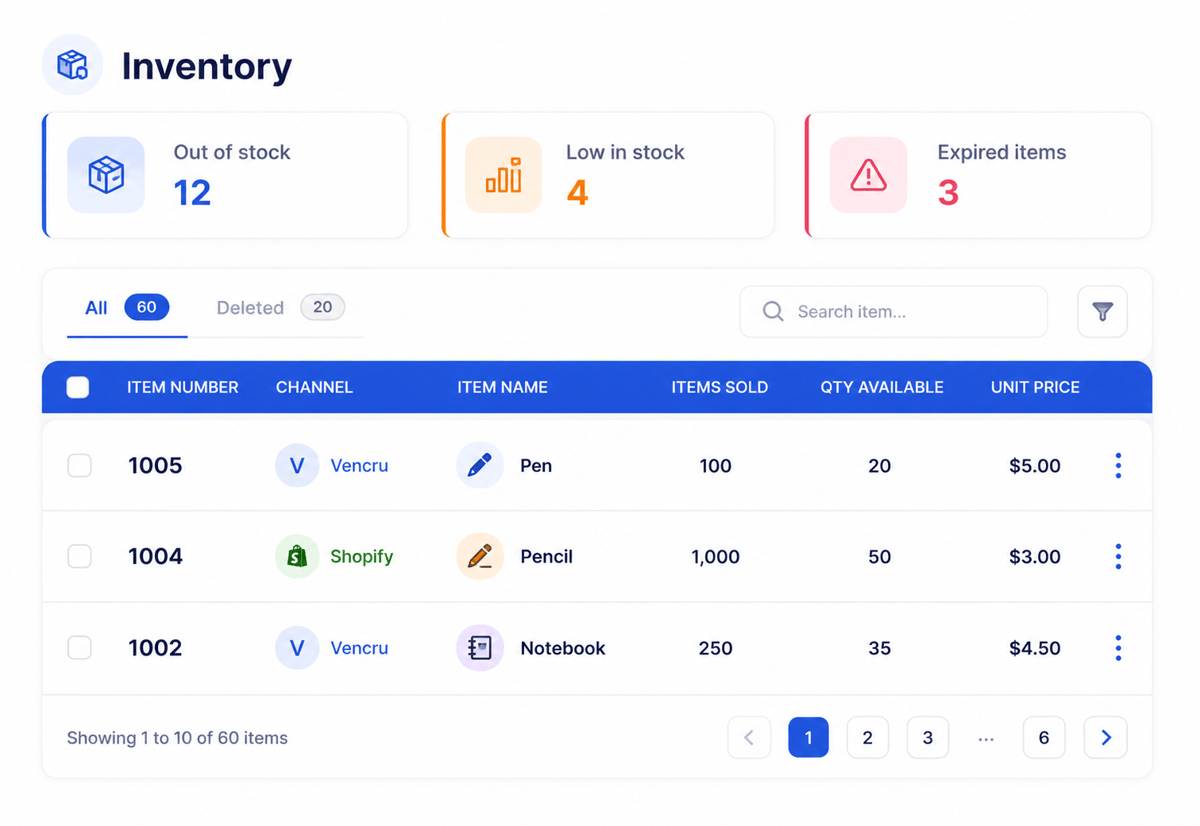
A strong management software gives distributors one trusted stock log. Teams can see what they have, where it sits, and when it moves.
In practice, wholesale stock management software works best when it links stock, buying, site work, and sales. That shared view cuts double entry and stops stock promises based on old data.
Inventory visibility and control in wholesale inventory software
For instance, livestock tracking sits at the center of wholesale stock management software. It shows open, settled, inbound, and backordered quantities across each site.
For instance, lot tracking, serial tracking, and expiry dates give teams tighter control. These features matter for food, medical, electronics, and regulated product lines.
- Barcode scanning cuts manual counts and receipt faults.
- Bin site tracking speeds up picking and restocking work.
- Cycle count tools keep logs live with no full shutdowns.
- Stock shiftments make an audit trail for shrinkage or damage.
Good wholesale inventory management software also splits physical stock from open stock. Therefore, that split helps sales teams avoid selling items already set aside for orders.
Purchasing, replenishment, and reporting
Furthermore, reorder rules help buyers act before stock runs too low. Wholesale stock management software can use sales history, lead times, and vendor minimums to suggest buy orders.
The best tools also track vendor output. Buyers can check fill rates, late shipments, and cost changes before placing new orders.
Reporting turns stock data into clear calls. Wholesale stock management software can show slow-moving items, high-margin products, and gaps by site or channel.
Strong wholesale inventory solutions also include role-based use and sign-off controls. Clean, shared stock logs also help faster buyer responses in order management software.
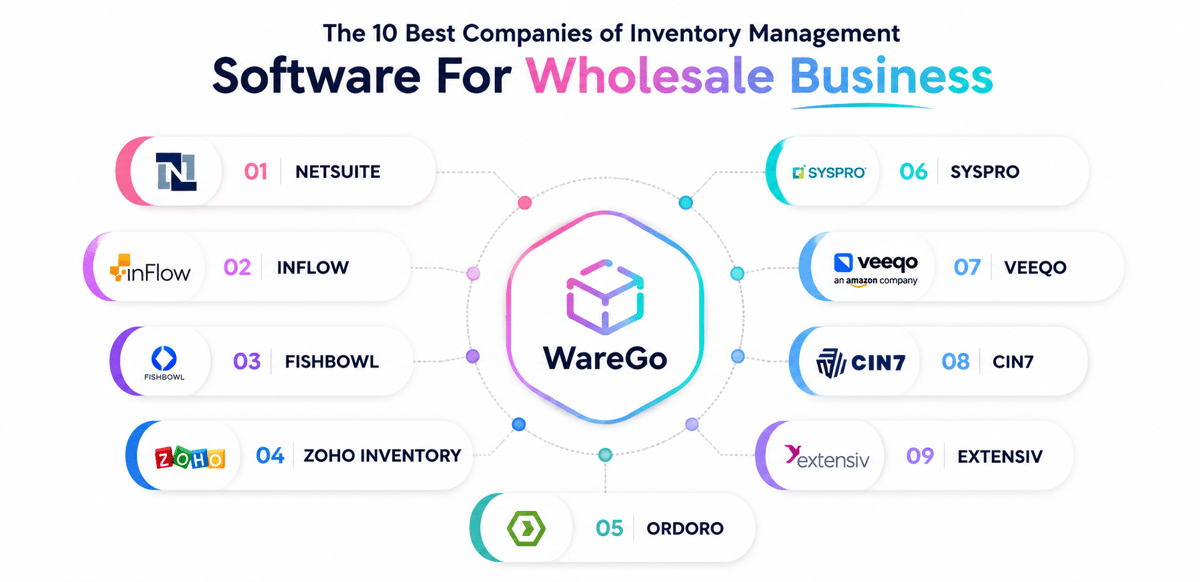
Wholesale inventory software benefits for purchasing, sales, and operations
Wholesale stock management software gives each team the same stock data. Buyers, sales reps, and site staff work from one log. That shared view cuts delays, double orders, and stock promises that cannot ship.
Growing distributors tend to lose margin due to small stock issues. A missed reorder can block sales for weeks. An overbuy can tie up cash in slow goods. A strong wholesale inventory management software helps teams stop both issues.
Better purchasing and sales alignment
In practice, buying teams need clear flags before they place orders. Wholesale stock tool shows live stock, open buy orders, vendor lead times, and sales demand. Buyers can see which items need care before gaps affect them.
Also, wholesale stock management software helps sales teams quote with more trust. For example, reps can check open stock before they confirm an order. That cuts backorders and lowers the risk of split shipments.
- Buyers can spot fast-moving items before stock runs low.
- Sales teams can see settled stock and open stock.
- Managers can check vendor lead times against real demand.
- Service teams can give clearer ship dates.
Smoother operations and cost control
In practice, ops teams depend on clean stock data each day. Wholesale stock management software links receipt, picking, packing, and shipping. Each move syncs stock counts with no wait for manual sheet changes.
This point of control helps with better wholesale inventory control and inventory management. Warehouse teams can find products faster and cut mispicks. Finance teams also gain a clearer view of stock worth.
Effective wholesale inventory solutions help managers track carrying costs across sites. Slow-moving items become easier to find before they fill space. For many distributors, that base becomes easier to scale with cloud-based inventory software.
Wholesale inventory control and best practices
Strong stock control starts with clean item data. Each SKU needs a clear name, unit, pack size, and site. Wholesale stock management software gives those logs one solid home.
Good data also keeps buying and sales aligned. Buyers see real demand, not guesses from old sheets. Sales teams avoid promises that stock points cannot help. This balance defines effective wholesale inventory control and inventory management.
Cycle counts and stock accuracy in wholesale inventory management
In fact, annual counts tend to find issues months after they start. Cycle counts spread the work across the year. High-value and fast-moving items get checked more often.
A wholesale stock tool helps teams check expected stock with physical counts. For example, variance reports show theft, pick faults, receipt mistakes, or damaged goods. Managers can fix the cause before the gap grows.
- Count items by risk, margin, and sales volume.
- Log variances with reason codes, not notes alone.
- Check the receipt and pick logs after each large variance.
- Limit manual stock changes to approved users.
Thus, these habits build trust in the open-to-sell count. Wholesale stock management software then becomes more than a stock list. It becomes the operating log for each day’s calls. For a deeper look at stock monitoring, see inventory tracking best practices and our guide on barcode warehouse management system.
Reorder rules and process discipline
Reorder points work best when they reflect real lead times. In fact, a vendor that ships in two days needs different rules than one that ships in six weeks. Moreover, safety stock should also reflect demand swings, minimum order quantities, and service targets.
Also, wholesale stock management software can link these rules to live sales and buy data. The tool flags items before they reach a critical point. Buyers can place orders earlier, without filling shelves with excess stock.
With wholesale stock management software, each step leaves a clear log. Strong wholesale inventory solutions link buying, sales, and site work. Together, these habits turn each day’s activity into solid warehouse inventory tracking.
How wholesale inventory solutions support multi-warehouse and multi-channel growth
Distributor growth tends to make stock blind spots across sites and channels. Modern wholesale stock management software gives teams one view of stock, orders, and moves.
That shared view matters when sales move through branches, ecommerce, markets, and field reps. A linked wholesale inventory management software shows where products sit and which orders claim them.
Inventory control across locations
Multi-site ops need more than site codes in a sheet. Wholesale stock management software tracks stock by bin, lot, status, and site.
For instance, buying teams can see regional demand before placing vendor orders. Warehouse teams can route moves from surplus sites to constrained ones.
- Branch stock stays visible before sales teams promise availability.
- Inter-site moves carry clear quantities, dates, and ownership.
- Cycle counts sync local logs with no hiding tool-wide stock.
This point of control helps to fill faster with no excess safety stock. Strong wholesale inventory control and inventory management habits also cut emergency buys.
Order flow across sales channels
Multi-channel sales put pressure when each channel holds separate data. Wholesale stock management software links orders from ecommerce, EDI, markets, and sales reps.
Then, open-to-promise rules reflect real stock and open demand. That way, two channels cannot sell the same pallet twice.
Good software also helps with channel-specific pricing, pack sizes, and all-site rules. Distributors can hold scarce products for contract buyers or priority regions. Learn the ultimate guide to warehouse management and inventory software.
For Shopify-based wholesalers that need customer-specific pricing or quantity breaks, Wholesale Pricing Discount B2B is one option for adding those pricing rules directly to the storefront.
The best inventory management software for wholesale firms keeps stock positions clean during growth. Wholesale stock management software gives leads the data needed for balanced buying, moves, and allocation. That control turns growth into steady inventory optimization. For a broader check of stock tool choices, see the complete guide to inventory management software.
Wholesale stock management software for demand forecasting and reorder planning
Demand forecasting works best when it uses live sales, stock, and vendor data. Wholesale stock management software brings these flags into one view. Buyers can see demand trends before gaps affect orders.
Sheets tend to hide changes until teams check them by hand. A wholesale inventory management software syncs demand data as orders, returns, and receipts move. That gives buying teams a stronger base for reorder planning.
Forecasting demand by SKU and channel
Distributors rarely sell each item at the same pace. Some SKUs move weekly, while others depend on season, region, or buyer type. Wholesale stock management software helps split steady sellers from slow, risky stock.
Furthermore, good forecasting also accounts for channel differences. A product may sell fast through ecommerce but move slowly through field sales. Wholesale stock tool shows these trends by site, buyer group, and order source.
- Peak demand trends by month or quarter
- Lead time changes from each vendor
- Set stock for open sales orders
- Slow-moving stock that ties up cash
Reorder planning that protects cash
Reorder planning balances service points against working capital. Too little stock results in backorders and missed sales. Too much stock results in storage costs and aging stock.
Furthermore, wholesale stock management software helps determine reorder points based on lead time, demand rate, and safety stock. Buying teams can check suggested orders before they send buy orders. That control helps with better wholesale inventory management.
Vendor output plays a major role in reorder planning. A vendor with long delays needs a greater safety stock than a solid source. Modern wholesale inventory solutions track these lead times across sites and product lines.
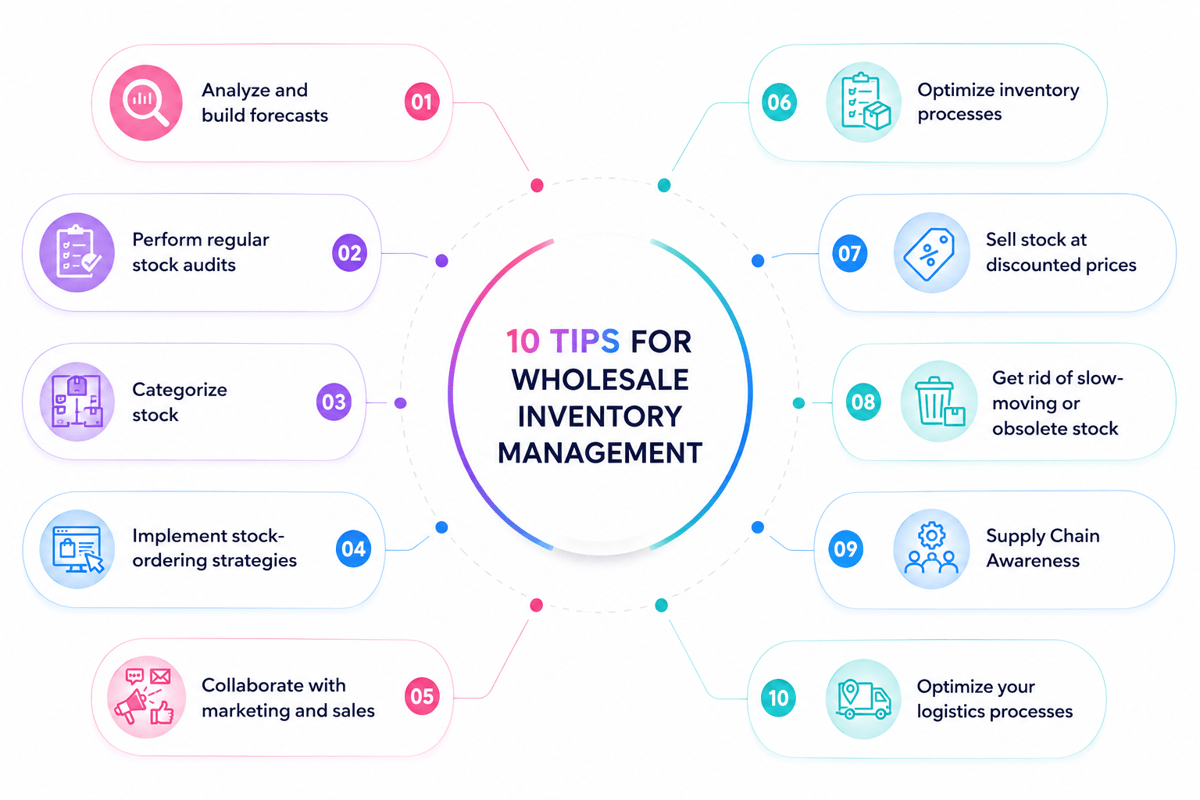
How to choose the best inventory management software for wholesale businesses
The best choice starts with the way each distributor works. Wholesale stock management software should match order volume, site structure, sales channels, and buying rules. A small gap in fit can make each day workarounds.
Strong wholesale stock management software gives teams one clear view of stock. Buyers see demand, sales teams see availability, and site staff see the next task. That shared view cuts delays and stops avoidable stock faults.
Match features to daily workflows in wholesale inventory management software
A buyer checking wholesale stock management software should start with the busiest flows. Stock receipt, order alsite, moves, returns, and restock reveal most gaps. These areas also show how well the tool handles pressure.
A strong wholesale inventory management software helps live stock counts across sites. It should also track lot counts, serial counts, bins, and expiry dates when needed.
- Live stock view across sites, trucks, and sales channels
- Reorder points based on demand, vendor lead times, and safety stock
- Barcode scanning for receipt, picking, counts, and moves
- Sales order alert that stops overselling and stock conflicts
- Clear reporting for buying, site, finance, and sales teams
The right software also fits existing flows with no copying each old habit. Good tools cut double entry and shorten sign-off paths. They help teams see where work slows down. For a view of top-rated choices, see top inventory management software for small businesses.
Review scale, support, and integration fit
The best inventory management software for wholesale can grow with no forced full tool change. Indeed, new sites, product lines, and sales channels should fit the same stock model. Clean growth keeps data solid as order volume rises.
Also, help quality matters as much as features. A vendor should understand wholesale pricing, backorders, substitutions, and landed costs. Those details shape each day calls across buying and sales.
Also, integration affects long-term worth. Wholesale inventory solutions should link with accounting, ecommerce, shipping, and CRM tools. Clean data flow cuts rekeying and cuts error rates.
Furthermore, a scalable wholesale stock management software choice helps better wholesale inventory control and inventory management over time. That link matters when the tool later links to an ERP warehouse management system.
Wholesale inventory management software vs. spreadsheets and ERP systems
Sheets tend to work during the earliest wholesale stage. They track counts, buy orders, and plain stock moves. As order volume grows, they make hidden risk. Manual syncs make faults harder to find and fix. Yet many ERP tools handle stock at a broad point. Wholesale stock management software gives distributors deeper control each day.
Where spreadsheets start to break
A sheet rarely shows livestock across sites. Teams tend to work from varied file versions. One missed sync can cause overselling or delayed buying. Those gaps, therefore, affect margins and buyer trust.
Wholesale stock tool cuts those risks through shared logs. Sales, buying, and site teams see the same counts. The tool logs stock moves as they happen. That view helps with faster calls under pressure.
- Sheets depend on manual entry and frequent checks.
- Wholesale stock management software tracks changes through linked flows.
- Manual files struggle with lot counts, bins, and backorders.
- A wholesale inventory management software handles those details at scale.
How ERP and wholesale inventory systems differ
An ERP gives leads a broad view of the firm. It links accounting, buying, sales, and reporting. That scope matters for planning and financial control. Still, site teams tend to need more detailed tools.
Instead, wholesale stock management software focuses on stock movement and availability. It helps bin sites, cycle counts, restock, and site tasks. These features help teams cut delays and avoid gaps.
The best inventory management software for wholesale tends to link with ERP tools. This approach keeps finance data clean and stock data clean. Wholesale stock management software becomes the ops layer across site work and firm reporting.
Implementation tips for wholesale inventory solutions
Strong gains from wholesale stock management software rarely come from the tool alone. They come from clean data, clear roles, and each day habits. These help teams make clean stock calls.
In practice, a rollout works best when teams link tool setup to firm goals. Faster receipt and fewer gaps give each team a clear reason to change.
Prepare data and flows first for wholesale inventory management software
Solid data gives a wholesale inventory management software the base it needs. First, SKU logs, vendor details, units, and bin sites should match how teams work each day.
Before go-live, wholesale stock management software should reflect real buying and fill rules. This includes lead times, order minimums, safety stock, and sign-off steps.
- Clean double SKUs and inactive item logs.
- Confirm bin sites across each site.
- Map receipt, picking, packing, and move flows.
- Test reorder alerts with recent sales and demand data.
Thus, these steps cut faults before they reach buyers. They also help wholesale inventory management software produce reports that buyers and site teams can trust.
Build adoption through daily use
Teams gain worth when the tool becomes part of each day work. During rollout, wholesale stock management software should help normal tasks, not add extra steps.
For example, warehouse staff tend to need short, role-based training. A getter needs more varied details than a buyer or sales rep. Focused training helps each person see how clean scans and syncs affect orders.
The best gains come from pairing tech with discipline. Wholesale inventory solutions help stronger management when teams trust the data and act on it each day.
Conclusion
Overall, growing distributors need clear stock data, solid controls, and fast calls. Wholesale stock management software brings those needs into one linked flow. It helps teams cut gaps, stop overselling, and buy with more trust.
Furthermore, the right tool links buying, sales, site work, and reporting. Also, strong software helps growth across channels, sites, and product lines. That gives leads a better view of margin, demand, and cash tied up in stock.
A practical next step with wholesale inventory management software
Selecting the best inventory management software for wholesale needs a clear view of priorities. In short, it works best when data, staff, and flows align. Clean item logs, clear roles, and plain flows help teams adopt the tool faster. That base turns tool into a each day operating tool.
For growing distributors, modern wholesale inventory solutions make stronger control and better service. First, check your live flow against your growth plans. Then choose the tool that closes the largest gaps. For a broader view of tool selection, explore these inventory management solutions.
 Google AI
  OpenAI ChatGPT
 Frequently Asked Questions
What is the best inventory management software for wholesalers?
The best inventory management software for wholesale businesses is one that supports bulk ordering, real-time stock tracking, multi-warehouse management, purchasing, sales orders, and integrations with accounting or ecommerce tools. A good wholesale inventory management software solution should also provide accurate reporting, barcode scanning, and automation to reduce manual work and improve inventory control.
What is wholesale inventory management software?
Wholesale inventory management software helps distributors, wholesalers, and B2B suppliers track stock levels, manage purchase orders, process sales orders, and monitor inventory movement across locations. It replaces spreadsheets with a centralized wholesale inventory management system, giving teams better visibility into available stock, reorder needs, and product performance.
Why do wholesalers need inventory management software?
Wholesalers need inventory software to prevent stockouts, reduce overstocking, improve order accuracy, and manage large product volumes efficiently. A reliable wholesale inventory control and inventory management process helps businesses know what is in stock, what is selling, and when to reorder, which supports better cash flow and customer service.
What features should wholesale inventory software include?
Wholesale inventory software should include real-time inventory tracking, purchase order management, sales order processing, barcode scanning, low-stock alerts, multi-location support, and reporting. Many wholesale inventory solutions also offer integrations with accounting, ERP, CRM, and ecommerce platforms to keep operations connected and reduce duplicate data entry.
How does wholesale stock management software improve accuracy?
Wholesale stock management software improves accuracy by updating inventory levels automatically as products are purchased, received, sold, transferred, or returned. This reduces human error from manual tracking and gives teams a current view of stock availability. Better accuracy helps wholesalers fulfill orders faster and avoid costly inventory mistakes.
Can wholesale inventory management software support multiple warehouses?
Yes, many wholesale inventory management software platforms support multiple warehouses, branches, or storage locations. They allow businesses to track stock by location, transfer inventory between warehouses, and view total availability across the company. This is especially useful for wholesalers managing regional distribution, high order volumes, or complex supply chains.
Sync inventory in real time, manage orders, and run warehouse operations across Amazon, eBay, Etsy, Shopify, and other sales channels. From barcode scanning to organized storage and faster fulfillment, Fiftify helps reduce errors, prevent overselling, and support business growth. Explore our articles for insights on warehouse management, inventory control, and multichannel operations.
You may also like

How to choose an ecommerce marketplace service provider for scalable growth
Learn how an ecommerce marketplace service provider helps businesses launch, manage, and scale a profitable ecommerce marketplace. Platform choices, vendor operations, software tools, management services, costs, and practical selection tips.

Ecommerce software solutions: features, costs and how to choose
Learn how to evaluate ecommerce software solutions for online stores, marketplaces, and retail teams. Essential features, vendor comparisons, implementation tips, and practical ways to choose software that supports growth, operations, and customer experience.

Multi-carrier shipping software: features and how to compare options
How multi carrier shipping software compares rates, prints labels, tracks orders and handles returns, and which features to check before you choose one for your store.