
Top Ecommerce Fulfillment Companies: How to Choose the Right Partner for Growth
 Emily Carter
·
· 20 min read
Emily Carter
·
· 20 min read 
Fast shipping now shapes how buyers judge online brands. When a delivery slips, that trust built over months of marketing can vanish. The top ecommerce fulfillment companies help brands protect that trust at scale. Together, they manage storage, pick, pack, ship, returns, and delivery data with repeatable systems. The right partner also supports growth with no heavy site spending. With the right partner, brands also enter new zones, shorten ship times, and cut hiring pressure.
Fulfillment as a Growth Decision
Fill affects cash flow, margins, and buyer trust. Each order also brings labor, space, packaging, carrier, and service costs. Top ecommerce fulfillment companies bring those moving parts into one ops model. Their systems help teams see stock levels, ship status, and return trends fast. However, many growing brands compare the best fulfillment companies only by price. However, cost matters, but low rates can hide weak clean data or slow receiving. A strong partner also cuts failed deliveries and supports faster restocks. Those gains often protect more profit than a small rate reduction.
What Separates Top Ecommerce Fulfillment Companies
The top fulfillment companies link site discipline with solid tech. They scan items at key points and share clear order data. Location also plays a big role in ship speed. The best fulfillment centers place stock closer to major buyer zones. For U.S. sellers, an American order fulfillment provider can simplify shipping rules and support domestic carrier networks. Many American fulfillment companies also offer shorter support windows across U.S. time zones. Top ecommerce fulfillment companies fit the brand’s order profile, not just its current size. For instance, subscriptions, apparel, and bulky goods each need different handling. The best order fulfillment choice creates room for growth without adding daily strain.
What Top Ecommerce Fulfillment Companies Do for Online Brands
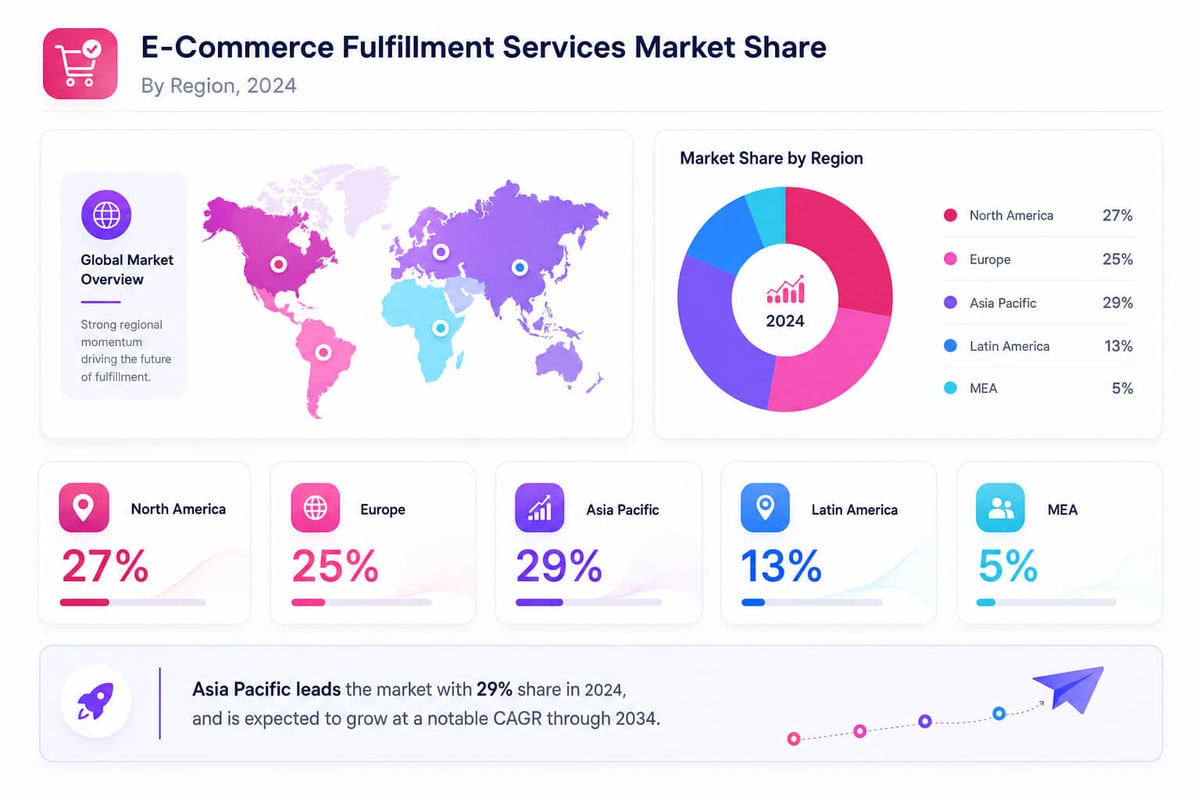
Online brands depend on fulfillment partners to move orders from cart to door. Top ecommerce fulfillment companies manage the storage, pick, pack, ship, and return flow behind each sale. While demand spikes and slows, their work keeps stock clean and orders moving. When shipping is strong, that protection extends to the buyer promise — the best fulfillment companies. When orders are late, trust breaks faster than any weak product page could cause. Together, strong fulfillment turns ship speed, packing quality, and accuracy into repeat revenue.
Core Workflows in Top Ecommerce Fulfillment Companies
Top ecommerce fulfillment companies get stock, check inbound goods, and store items by SKU. Because errors compound quickly, clear storage rules cut mis-picks and lost stock. The best fulfillment warehouse layout also cuts walk time for site teams. Once an order enters the system, staff pick the right items and pack them for the carrier. Many fulfillment service companies use barcode scans at each step. That step catches errors before any package leaves the building. Ship strategy plays a major role in cost control too. Top fulfillment services compare carrier rates, service levels, and ship zones. That data helps brands offer faster delivery without paying premium rates on every order.
Operational Support for Growing Brands
Top ecommerce fulfillment companies give brands more than site labor. Beyond shipping, they also link order data, stock counts, and tracking across sales channels. These systems help teams stop over-selling during launches and peak seasons. The best order fulfillment partners also support returns with clear intake rules. When handled quickly, returns get sellable stock back into inventory sooner. It also gives service teams better answers when buyers ask for status syncs. For growing brands, the right partner adds structure before volume creates strain.
Many American fulfillment companies also offer regional coverage that shortens ship times across the U.S. That support lets brand teams focus on items, marketing, and buyer ties. Yet fulfillment stays tightly tied to margins and buyer trust. That broader ops role often defines the value of a 3PL logistics company.
Connect Shopify, draw your floor, pick an order - free plan, 7-day full trial, no credit card, no sales call.
Key Features of the Best Fulfillment Companies
The top ecommerce fulfillment companies link site discipline, clear data, and solid ship capacity. Their systems protect order clean data while supporting growth across channels, zones, and item types. The best fulfillment companies also create visibility before problems affect buyers. Brands can see stock levels and carrier results without waiting for manual reports.
Operational Strength and Inventory Control
Strong receiving flows split the top fulfillment companies from basic site vendors. They scan inbound stock, match ships against buy orders, and flag shortages before stock reaches shelves. When order volume grows, clean storage matters even more. The best fulfillment centers use bin-level tracking and cycle counts to cut mis-picks and stock errors. Because network design drives results, carrier access matters just as much. Carrier mix also shapes last-mile cost tradeoffs. The top ecommerce fulfillment companies balance speed, service levels, and margin impact with real order data.
Technology, Service, and Scale
Modern fill depends on clean system links. The top fulfillment services connect with ecommerce sites, markets, stock tools, and return systems with no constant manual work. When exceptions arise, service quality shows most clearly. A strong American order fulfillment provider can fix address issues, damaged goods, split orders, and urgent shipments before delays spread. Scale also requires flexible capacity and trained labor.
The top ecommerce fulfillment companies plan for seasonal demand, new item launches, and sudden order spikes without changing every flow. Cost structure also needs to stay transparent as volume changes. The best order fulfillment partners explain storage, pick, and carrier fees in plain terms. The right partner acts like an ops system for growth. That makes them a stronger fit for 3PL ecommerce fill needs.
How to Compare Top Ecommerce Fulfillment Companies by Speed, Accuracy, and Cost
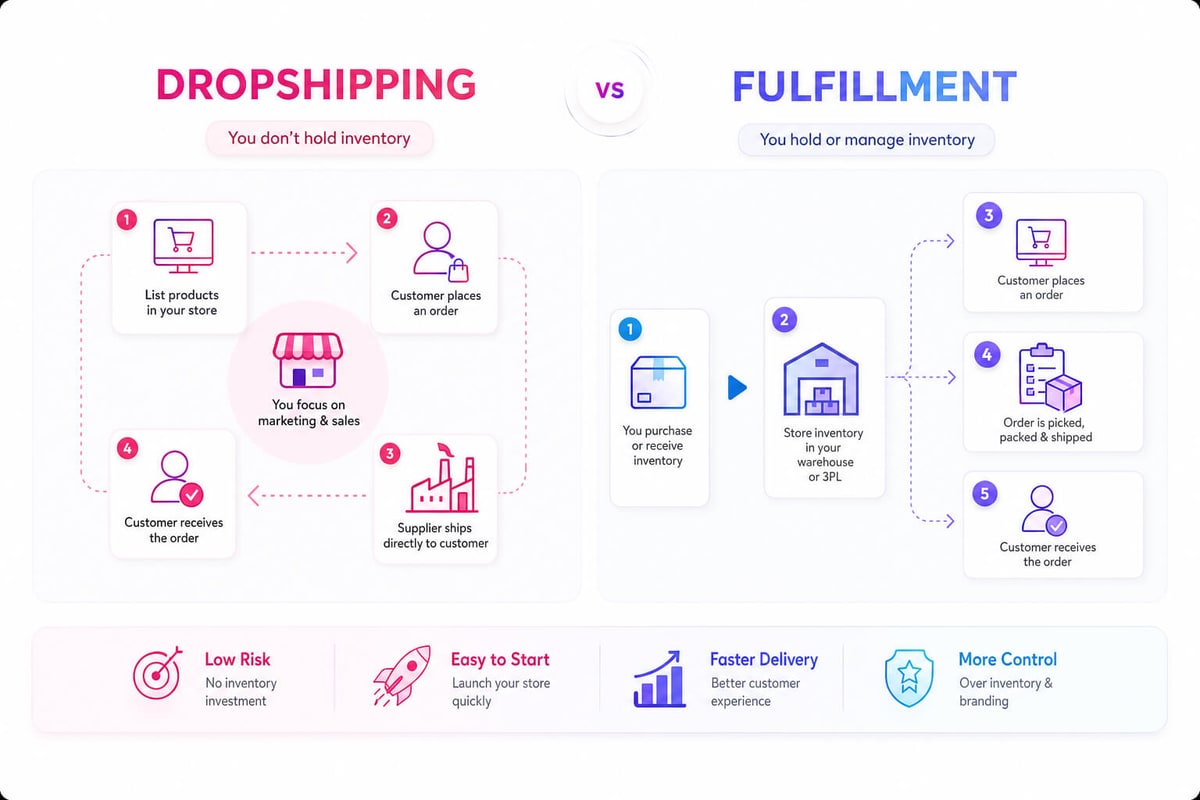
Top ecommerce fulfillment companies differ most in three areas: speed, clean data, and cost control. Each factor affects revenue in a different way. Fast ship wins repeat orders, while clean picks stop refunds and support tickets. However, cost needs more than a rate card review. Because fees vary widely, storage, receiving, packaging, and peak charges all shape margin. The best fulfillment companies make these costs clear before volume grows.
Speed and Accuracy Metrics
Top ecommerce fulfillment companies should share clear service levels for order cutoffs, same-day ship, and carrier handoff times. While a two-day promise sounds strong, orders that wait 24 hours before pick starts undermine it. Since speed matters, strong partners measure it from order import to carrier scan. Clean order data matters just as much as transit time. Mis-picks create swap costs, lost stock, and upset buyers. The best order fulfillment partners track pick clean data, stock clean data, and return reason codes.
- Average order cycle time during normal and peak weeks
- Pick and pack clean data rates by order volume
- Stock count clean data across storage spots
- Late ship rates by carrier and site
<b>Cost Structure and Margin Impact
Top ecommerce fulfillment companies often price services in different ways. One partner may charge lower pick fees but higher storage rates. Another may include basic pack but charge more for returns. Since every brand differs, a fair comparison uses your actual order profile. SKU count, units per order, item size, and return rate all affect cost. The best fulfillment warehouse for a small beauty brand may not suit a furniture seller.
The top fulfillment companies also show how pricing changes at higher volume. Some costs drop as orders rise, while storage pressure can raise monthly spend. Clear data helps brands avoid costly surprises, especially during peak weeks. Top ecommerce fulfillment companies earn trust when their data matches their bills. Reports should link ship speed, error rates, and total cost per order. That view splits simple vendors from solid fulfillment service companies. Together, these signals show which partner can protect margins while supporting solid ecommerce fill partner growth.
Top Fulfillment Services Every Growing Ecommerce Business Should Consider
Growing stores need more than basic pick, pack, and ship support. Top ecommerce fulfillment companies link storage, order flow, shipping, and returns into one clear flow. That structure helps brands handle demand spikes without adding in-house site staff. The right service mix depends on order volume, item type, and ship dates. Top fulfillment services often link daily ops with systems that keep stock visible. This helps teams prevent stockouts, overselling, and late shipments.
Core Services That Protect Growth
Solid receiving sets the tone for every later step. Top ecommerce fulfillment companies check inbound stock, sync counts, and flag damage early. Clean receiving data keeps item pages, sales channels, and site shelves aligned. Stock storage also affects speed and cost. The best fulfillment centers place fast-moving items near pack stations. When storage is optimized, smart slotting cuts walking time. Teams can then ship more orders each day. Order pick and pack carry the highest risk of visible errors. The best order fulfillment flows use barcode scans, pack rules, and quality checks. These controls cut wrong-item ships and protect repeat buys.
Specialized Services From Top Fulfillment Services
Returns management matters as much as outbound shipping. Top ecommerce fulfillment companies check returned items, sort resale stock, and sync stock fast. Faster returns work can recover value before items sit too long. When brands sell bundles, sub boxes, or launch packs, kitting and assembly become essential. Many fulfillment service companies build these orders inside the site.
This cuts manual work for internal teams during promotions. Ship plan splits the best fulfillment companies from basic partners. Carrier rate check, zone planning, and split stock can lower ship costs. A strong partner also explains trade-offs between speed, price, and coverage clearly. Tech support links these services. Top ecommerce fulfillment companies sync orders across stores, markets, and ship tools. Clear data helps leads choose the best fulfillment warehouse model for each growth stage. For many brands, the right mix starts with storage, pick, pack, returns, and site fill services.
When to Choose an American Order Fulfillment Provider
A U.S.-based brand often gains control from an American order fulfillment provider. Domestic storage also cuts shipping zones and customs delays. Many top ecommerce fulfillment companies build their strongest networks around this need. This works best for brands that sell mainly to U.S. buyers. It also helps when items need fast swap, easy returns, or strict handling. The best fulfillment companies make these services feel plain to buyers.
Domestic Speed From an American Order Fulfillment Provider
U.S. buyers often expect shipping within two to five days. A domestic partner can place stock closer to major markets. That reach helps top ecommerce fulfillment companies cut transit time without raising every ship rate. Regional coverage matters just as much as total warehouse count. The best fulfillment centers serve both coasts and central states. This setup keeps service levels steady during demand spikes. An American partner also supports clearer return paths. When facilities sit closer to buyers, returns move back into stock faster. That speed protects cash flow and cuts dead stock.
Cost Control and Market Fit
An American order fulfillment provider works well when import volume arrives in bulk. Items can enter one port, then move into a domestic network. From there, top ecommerce fulfillment companies manage daily parcel orders with more control. This model can cut hidden costs tied to long-distance shipping. Fewer cross-border shipments also mean fewer duties, broker fees, and transit delays. Strong top fulfillment services also give clear billing for storage, picks, pack, and returns.
However, some brands still need overseas fulfillment for global buyers. Yet U.S.-focused stores often see better results with domestic ops. The top ecommerce fulfillment companies align site placement with demand by zone. The right call depends on order volume, buyer spot, and item type. American fulfillment companies tend to suit brands with steady U.S. demand and tight ship dates. A strong partner gives the brand a solid base for warehousing and shipping services.
What Defines the Best Fulfillment Centers for Nationwide Delivery
Nationwide shipping depends on more than site square footage. The best networks place stock close to demand, then move orders through steady flows. Top ecommerce fulfillment companies design this network around buyer spot, order volume, SKU mix, and ship dates. The best fulfillment centers balance regional reach with daily control. Their best fulfillment warehouse for nationwide shipping links storage, pick, pack, and carrier access. The top ecommerce fulfillment companies keep service levels steady during offers and peak weeks.
Coverage, Speed, and Capacity
Strong coverage starts with smart site placement. The top fulfillment companies study order data before choosing site spots. Demand patterns also shift with evolving retail trends, such as market growth and shorter ship dates. A multi-node network cuts the distance between stock and buyers. That shorter gap lowers shipping zones and cuts transit time. The top ecommerce fulfillment companies use this model to support two-day shipping without relying only on premium rates.
Accuracy and Carrier Control
Clean data splits the best fulfillment companies from basic site vendors. Clean receiving, barcode scans, and cycle counts protect stock data. These controls help teams avoid over-selling, split ships, and costly reships. Carrier choice shapes nationwide performance just as much, though. The top fulfillment services compare rates, ship times, and service records across carriers. A strong American order fulfillment provider can route each order through the best open option. The top ecommerce fulfillment companies give brands clear stock, order, and ship data. That view supports better planning across bulk, markets, and direct sales. That same network logic supports markets, retail partners, and omnichannel ecommerce fulfillment.
How to Identify the Best Order Fulfillment Model for Your Store
The best order fulfillment model fits your order mix, margin, and growth pace. A small list with steady demand needs different support than seasonal drops. Top ecommerce fulfillment companies usually check order data and ops limits before suggesting a model. Three models drive most calls: in-house ship, outsourced fill, and hybrid fill. In-house control suits brands with plain volumes and local reach. Outsourced support often works better when volume strains labor, space, or carrier access.
Match the Model to Order Patterns
Order profile matters more than brand size. Heavy products, for instance, need strong storage planning and carrier discounts. Fragile items need careful pack rules and claims tracking. Sub boxes need repeat kit with firm daily cutoffs. Best fulfillment companies study SKU speed, return rates, and ship zones together. That view shows where delays start and costs rise. The best order fulfillment model then supports demand with no tying up cash in fixed space. While a single model works for some, a hybrid suits brands with uneven demand. For example, core items may stay in-house for control, while overflow moves to a partner. Some top ecommerce fulfillment companies use this setup for launches, peak seasons, and bulk tests.
Evaluate Control, Cost, and Scale
Control includes brand, pack choices, and service rules. Cost includes storage, labor, pack, postage, software, and returns. Scale shows whether the model can handle a sales lift with no missed ship dates. The right partner should explain trade-offs in plain numbers. Top fulfillment companies can compare per-order fees against current labor and site costs. Strong models also show cutoffs, service levels, and error rates before volume shifts.
Top ecommerce fulfillment companies bring value when they fit the store’s real ops needs. The best fulfillment centers support the items, channels, and ship dates that shape daily work. A brand with custom bundles may need the best fulfillment warehouse for kit clean data and pack consistency. That makes a solid pick and pack fulfillment center. The right software ties it all together — see warehouse order fulfillment software.
Why Top Ecommerce Fulfillment Depends on Technology and Integrations
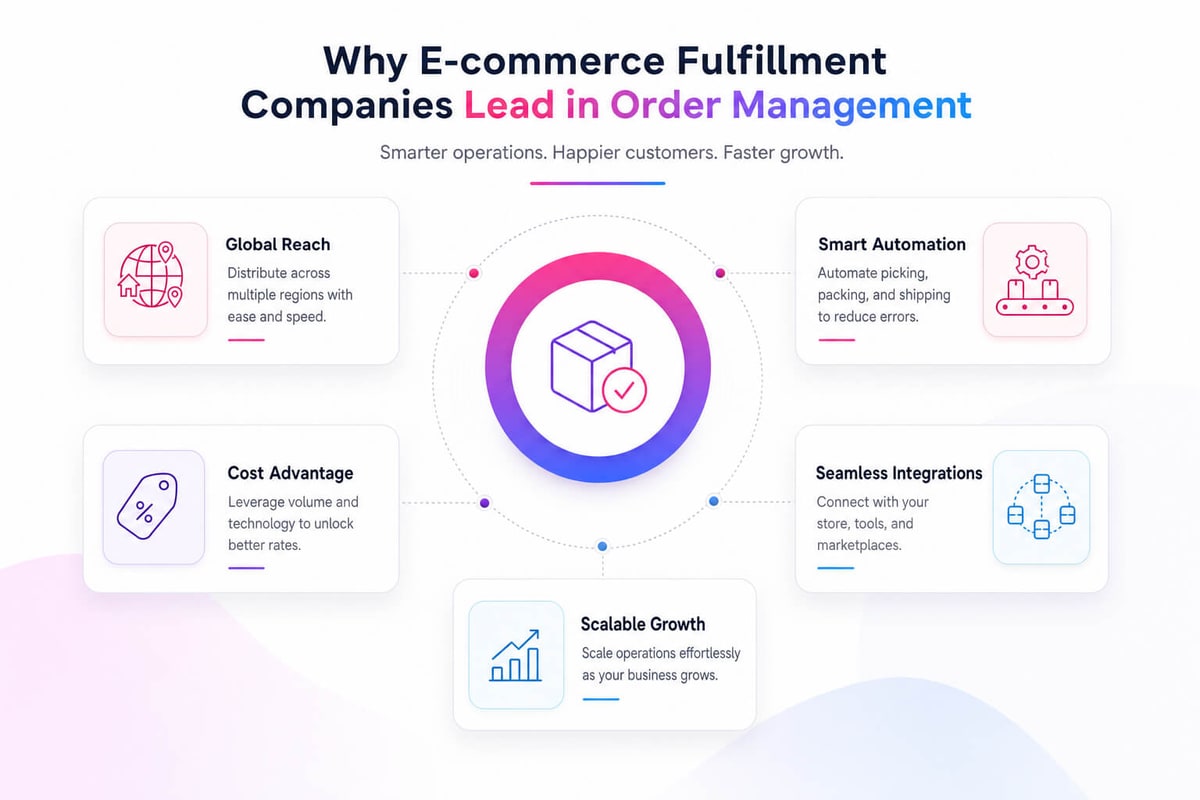
Tech splits basic ship support from scalable fill. Top ecommerce fulfillment companies use linked systems to keep orders, stock, and carrier data aligned. That link cuts manual work and lowers the risk of costly errors. Fast ship depends on more than site labor. A strong system routes each order to the right spot and picks the best carrier service. This gives brands better control during sales spikes and seasonal demand.
Real-Time Data and Order Accuracy
A modern site system tracks each item from receiving to shipping. The best fulfillment companies use this data to stop over-selling, mis-picks, and late ships. Teams can act quickly when the system shows what changed. Inventory data supports better buying decisions too. Brands can see which SKUs move fastest and where stock needs cover. Top ecommerce fulfillment companies turn site work into data that leads can trust. Order clean data lifts when barcode scans, stock rules, and pack checks work together. These controls cut returns caused by wrong items or missing goods. The best fulfillment centers build these checks into daily work.
Integrations That Support Top Ecommerce Fulfillment Growth
Links connect ecommerce sites, markets, carriers, and return tools. This keeps order data moving with no copy-and-paste work. Top fulfillment services often support Shopify, Amazon, Walmart, and major shipping carriers. Strong links matter most when brands sell through many channels. A single view of orders helps teams avoid split data and missed syncs. Top ecommerce fulfillment companies make this structure easier to manage as volume grows.
An American order fulfillment provider may also link with domestic carrier networks. That setup can shorten transit times and lift ship cost control. Many American fulfillment companies use regional site data to guide ship choices. The right technology also sharpens reporting. Brands can check ship cost, order cycle time, return reasons, and stock aging. However, manual flows may work at low order volume. However, growth shows every delay, double entry, and missing status sync. That shift marks the move to ecommerce fulfillment automation. Also see order fulfillment software to see how ops connect.
American Fulfillment Companies vs. Global Fulfillment Networks
American fulfillment companies and global networks solve different growth problems. Domestic partners often give brands tighter control, faster support, and simpler shipping rules. Global networks help when orders come from several countries. They cut cross-border delays, but they also add tax, customs, and stock planning demands.
Domestic Control and Delivery Speed
Many top ecommerce fulfillment companies in the U.S. focus on fast regional shipping. Their site spots support two-day shipping across large buyer zones. U.S. ecommerce growth has pushed brands to compare speed with service quality. A strong American order fulfillment provider can often fix issues faster than a remote global network. Domestic partners simplify returns, carrier claims, and buyer service as well. That matters when a brand sells fragile, seasonal, or high-value items. The best fulfillment centers give clear stock counts and clean pick rates. Those details help brands protect margins during peak demand.
Global Reach and Market Expansion
However, global networks fit brands with steady international demand. Local stock cuts duties, delivery times, and failed shipment rates considerably. However, global reach works best when order volume justifies the cost. However, small batches across many countries can create slow-moving stock and higher storage fees. The top ecommerce fulfillment companies often mix both models. For example, a brand may keep core stock in the U.S. and place select items overseas. This hybrid approach gives brands more room to test new markets. It keeps the main operation close to the home buyer base.
The best fulfillment companies explain trade-offs with real numbers. They compare landed cost, ship speed, duties, and return handling by market. Yet cost alone should not drive the decision. The best order fulfillment setup protects buyer trust while keeping stock balanced. Brands comparing top fulfillment companies should check service fit before footprint size. The right partner supports current demand and future growth.
Questions to Ask Fulfillment Service Companies Before You Sign
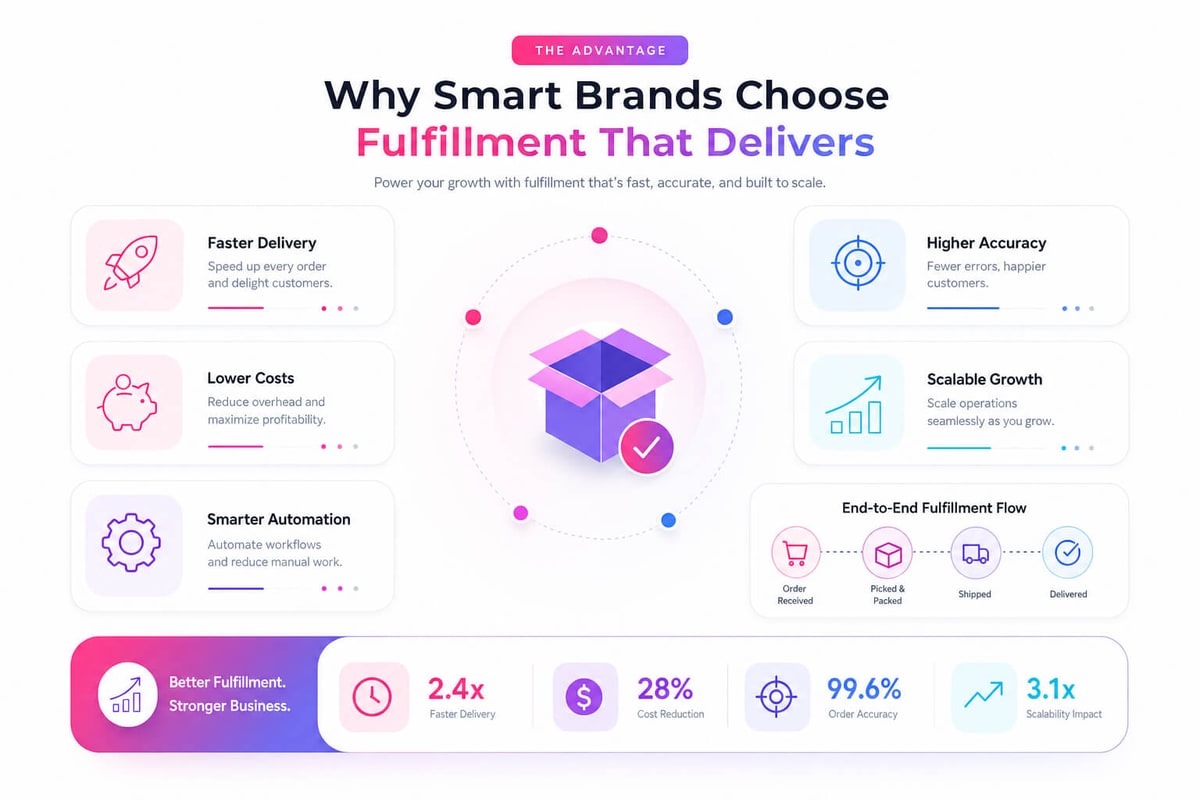
Contracts reveal how fulfillment service companies handle press, cost, and accountability. Clear answers help brands compare top ecommerce fulfillment companies past sales claims. The best discussions focus on daily operations and risk. Strong partners explain their flow with numbers, not vague promises.
Service Levels and Operating Standards for Top Ecommerce Fulfillment
Top ecommerce fulfillment companies should define ship speed, order clean data, and cutoff times in writing. These terms shape buyer goals and protect margin during busy periods.
- What order clean data rate did the site reach last quarter?
- How often do same-day orders miss the ship cutoff?
- Which carriers support two-day ship in our key zones?
- How does the team handle damaged, missing, or delayed orders?
- What reports show errors, claims, and late ships?
The best fulfillment companies track these points daily. When peaks arrive, their data shows whether service levels hold. A site visit can also reveal a great deal. Clean stations, clear pick paths, and trained teams often split the best fulfillment centers from weaker ops.
Pricing, Terms, and Exit Risk
Pricing from top fulfillment companies can look plain at first. Storage, receiving, inserts, returns, and special work often change the real cost. Brands gain a clearer view when they ask for sample bills. A real order mix shows how fees act across slow months and high-volume weeks. Top ecommerce fulfillment companies should explain every fee before signing. Hidden minimums can turn the best order fulfillment plan into a costly mismatch.
- What monthly minimums apply during slower seasons?
- How are long-term storage fees calculated?
- What charges apply for kit, bundles, or inserts?
- How much notice applies before pricing changes?
- What happens to stock when the contract ends?
An American order fulfillment provider may offer simpler domestic terms. Many American fulfillment companies also give faster issue resolution for U.S. brands. Top ecommerce fulfillment companies welcome detailed questions before contract signing. The right partner makes costs, service rules, and exit terms easy to follow.
Conclusion
The right fill partner shapes cost, ship speed, and repeat sales. The top ecommerce fulfillment companies link site work with store data, carrier rules, and buyer data. Strong partners make growth easier because orders move with fewer errors.
What the Right Top Ecommerce Fulfillment Companies Partner Delivers
The best fulfillment companies offer more than storage and shipping. They provide clear stock counts, solid cutoffs, fast returns, and plain billing. When volume rises, those basics protect margins. Among top fulfillment companies, the strongest fit depends on your model. For example, a sub-brand may need kit and lot tracking. A fast-moving apparel brand may need regional stock and rapid swaps. The top ecommerce fulfillment companies also bring systems that cut manual work. Clean links help teams see stock, order status, and ship costs. When periods get busy, better data leads to faster decisions.
The Next Step for Growth With Top Ecommerce Fulfillment Companies
Short-list partners against the results that matter most. Check order clean data, ship zones, returns handling, and support response times. The best fulfillment centers can prove results with clear service data. An American order fulfillment provider often suits brands that sell mainly in the U.S. Local site coverage can shorten transit times and cut split ships. Many American fulfillment companies also offer easier communication across time zones. Before signing, always compare pricing against real order profiles. Include storage, pick fees, pack, returns, and carrier charges.
The best order fulfillment choice shows total cost before volume spikes. The top ecommerce fulfillment companies should feel like ops partners, not vendors. Their teams should explain trade-offs in plain terms. That guidance helps brands choose the best fulfillment warehouse for the next stage. For deeper planning, explore how fill connects with ecommerce shipping logistics.
 Google AI
  OpenAI ChatGPT
 Frequently Asked Questions
What do ecommerce fulfillment companies do?
Ecommerce fulfillment companies store inventory, pick and pack orders, ship products, and manage returns for online sellers. The top ecommerce fulfillment companies also provide inventory tracking, shipping rate optimization, and integrations with platforms like Shopify, Amazon, WooCommerce, and BigCommerce.
How do I choose the best fulfillment company for my business?
To choose the best fulfillment companies, compare pricing, warehouse locations, shipping speeds, technology integrations, accuracy rates, and customer support. Look for fulfillment service companies that match your order volume, product type, and delivery expectations. The best order fulfillment partner should help reduce costs while improving customer experience.
What are the benefits of using top ecommerce fulfillment companies?
Using top ecommerce fulfillment companies can help businesses save time, lower shipping costs, and scale faster. These providers often have multiple fulfillment centers, discounted carrier rates, and automated systems that improve order accuracy. This allows ecommerce brands to focus more on sales, marketing, and product development.
Are American fulfillment companies better for U.S. ecommerce brands?
American fulfillment companies can be a strong choice for U.S.-based sellers because they offer faster domestic shipping and easier inventory management. An American order fulfillment provider with strategically located warehouses can help reduce transit times, improve delivery reliability, and support customer expectations for quick shipping.
What features should the best fulfillment centers offer?
The best fulfillment centers should offer real-time inventory visibility, fast pick and pack services, affordable shipping options, returns processing, and ecommerce platform integrations. A best fulfillment warehouse should also provide accurate reporting, strong security, and flexible storage to support seasonal changes and business growth.
How much do top fulfillment services usually cost?
Top fulfillment services usually charge for storage, receiving, picking, packing, shipping, and returns. Costs vary based on order volume, product size, warehouse location, and service level. When comparing top fulfillment companies, review all fees carefully to understand the total cost and avoid unexpected expenses.
I am an eCommerce expert with a strong focus on marketplaces like Amazon, eBay, and Etsy. Over the past decade, I have helped both startups and $1M+ revenue brands scale their sales through listing optimization, marketplace SEO, and AI-driven strategies. I also share articles and insights about eCommerce growth, marketplace operations, and multichannel selling.
You may also like

Multi-Carrier Shipping Software: The Complete Guide to Smarter Ecommerce Shipping
Learn how multi carrier shipping software improves ecommerce fulfillment by comparing rates, automating labels, tracking orders, and simplifying returns. This brief outlines the key benefits, features, use cases, and buying criteria for growing online stores.
Ecommerce Integration: A Practical Guide for Growing Businesses
This article brief outlines a practical guide to ecommerce integration for business readers. It covers platforms, software, ecommerce website integration, webshop integration, key benefits, use cases, selection criteria, implementation tips, and ways to measure long-term value.
3PL Ecommerce Fulfillment to Scaling Online Orders
A practical brief for ecommerce leaders comparing fulfillment models, warehouse capabilities, technology, shipping strategy, and provider selection. Learn when a 3PL makes sense, what to look for in a partner, and how to scale customer-friendly delivery profitably.