
How to Choose a 3PL Logistics Company That Supports Business Growth
 Daniel Brooks
·
· 17 min read
Daniel Brooks
·
· 17 min read
A 3PL logistics company gives brands outside capacity without losing control of service levels. The right 3PL logistics company does more than store items and ship boxes. It links stock, labor, systems, and carriers into one working model. That model helps teams handle demand spikes without adding fixed costs.
Growth Depends on Fulfillment Discipline
In fact, many brands outgrow in-house fulfillment before they notice the cost. Staff spend more time fixing errors, checking stock, and chasing tracking syncs. Late orders and split shipments then start to drain margin. Also, a strong 3PL logistics company brings structure to those pressure points. Its site flow supports get, storage, pick, pack, ship, and returns. Clear data also helps teams make better calls on stock and service levels.
Also, this support matters when sales channels grow. Ecommerce orders, retail restock, bulk ships, and market rules each create different demands. In fact, skilled third-party logistics providers manage those gaps through shared systems and trained teams.
What Strong Logistics Support From a 3PL Logistics Company Creates
A solid 3PL logistics company turns fill from a daily block into a growth base. Better stock and clean data cut over-selling and backlog. Faster order flow can cut ship delays and protect repeat sales. Also, cost control lifts when logistics data stays open. Brands can compare carrier rates, review storage charges, and track return trends. Those details show where small changes save real money. However, not every partner fits every growth plan. The best fit depends on order volume, item type, systems, and buyer promise.
What a 3PL Logistics Company Does for Modern Businesses
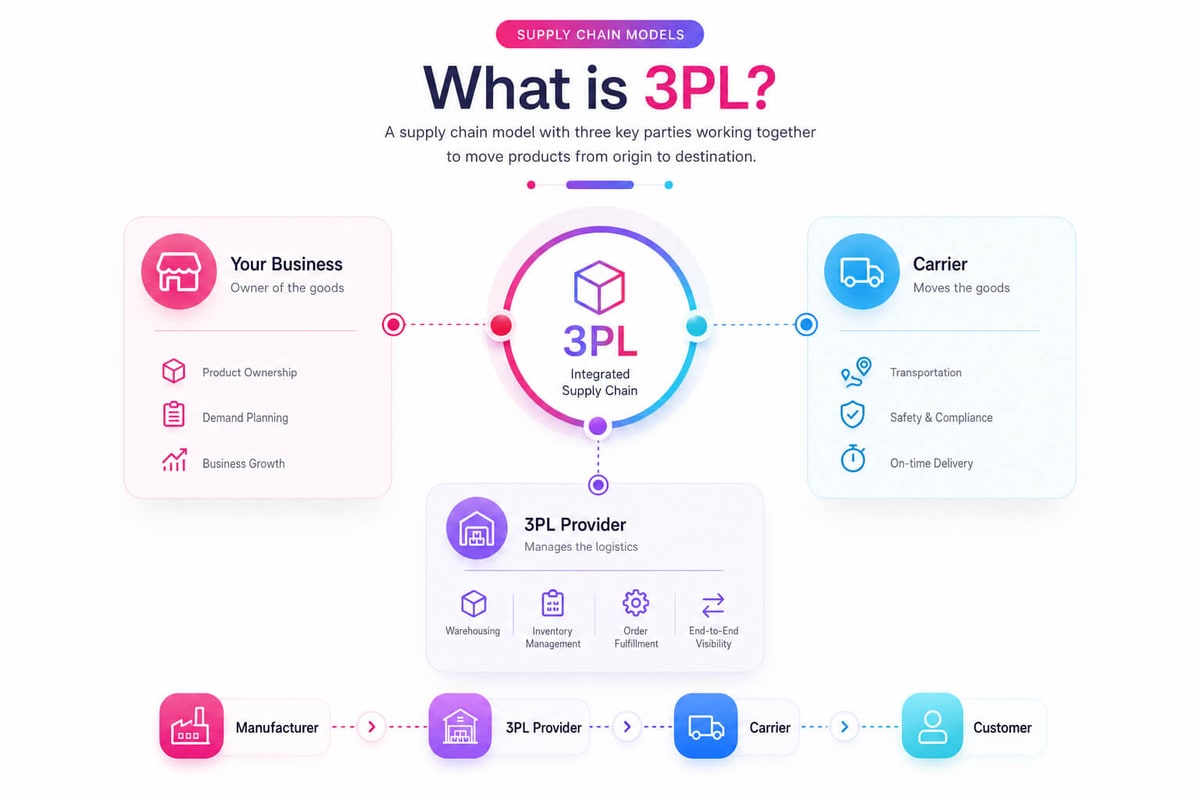
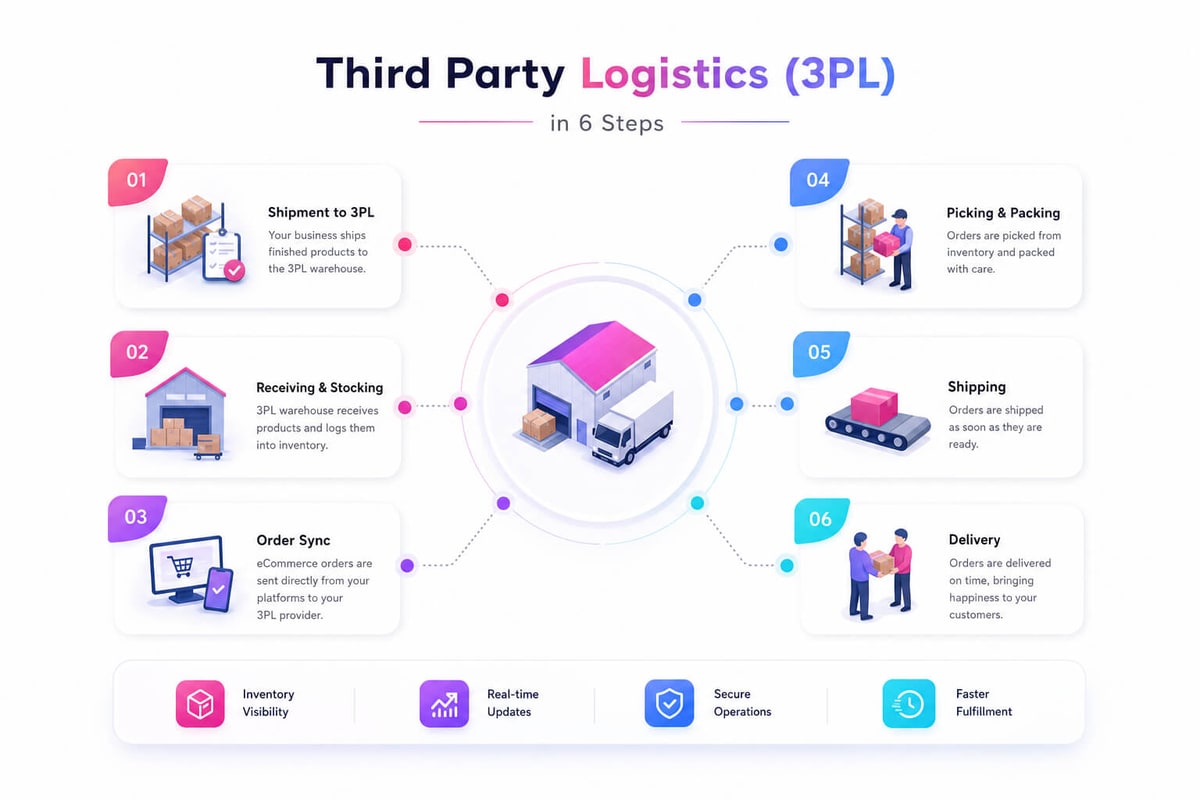
A 3PL logistics company manages the physical move of goods for other brands. That work often includes getting items, storing stock, picking orders, packing shipments, and managing returns. Modern brands rely on these partners when fulfillment becomes too complex to manage alone. A strong 3PL company links site labor, ship systems, carrier rates, and stock data into one working op.
Fulfillment Operations and Inventory Control
A 3PL logistics company gives brands access to trained site teams and proven fill flows. Orders move through set steps, which helps cut missed picks, late ships, and pack errors. Stock control sits at the center of this work. Also, leading third-party logistics providers track stock as it arrives, moves, sells, and ships, so teams can make calls from current data. For ecommerce and retail brands, this view cuts common problems. Stockouts, over-selling, and slow restock often drop when site data links with sales channels.
Shipping, Returns, and Customer Commitments
A 3PL logistics company also manages carrier pickup and shipping results. The right partner can route orders through the best service level based on cost, distance, and ship speed. Many 3PL fulfillment companies also handle return checks, restocking, and disposal rules. Clear return flows protect margin as teams know which goods can sell again. Furthermore, for growing brands, third-party fulfillment creates ops capacity without adding site leases or large labor teams. Not all 3rd party logistics companies give the same depth of service. A solid 3rd party logistics provider acts as an extension of the brand. Modern 3rd party fulfillment services give leads more control over service promises, cost trends, and stock flow. For many growing teams, that control begins with solid third-party warehouse management.
Connect Shopify, draw your floor, pick an order - free plan, 7-day full trial, no credit card, no sales call.
How a 3PL Logistics Company Supports Scalable Growth
A growth-focused 3PL logistics company gives brands room to grow without adding fixed costs too early. Sites, labor, carrier links, and fill systems can scale with order volume. This model helps brands manage growth without rushing into large leases or new hiring plans. Smaller teams often feel pressed when demand rises across regions or sales channels. The right 3PL logistics company absorbs much of that pressure through shared space, trained teams, and tested ship flows. So, growth becomes easier to manage as fill cap does not depend only on internal staff.
Flexible Capacity for Changing Demand
A flex 3PL logistics company can adjust labor and storage as demand shifts. Season peaks, item launches, and bulk orders rarely follow a steady line. Shared site networks help match cap to real order flow. In fact, rising order volume rarely affects one flow alone. It creates growing logistics complexity across get, storage, pick, pack, and ship. Many third-party logistics providers cut this process with clear flows and daily results tracking.
Some 3PL fulfillment companies also support multi-channel growth from one stock pool. Ecommerce, retail, market, and B2B orders can move through the same op. Also, that structure cuts stock splits and lowers the risk of over-selling.
Systems That Support Faster Decisions in a 3PL Logistics Company
A strong 3PL logistics company gives leads better data on stock, orders, and ship costs. Clean reports show where delays start and where costs rise. Clear data helps teams adjust buy plans before stockouts hurt sales. A solid 3PL company can track pick clean data, carrier spend, return rates, and order cycle time. These counts show whether growth lifts margins or strains cash flow. Also, scalable growth depends on steady systems across every spot. A 3PL logistics company links order, stock, and carrier data so leads can see risk sooner. That view becomes far more solid when ops run through a linked 3pl warehouse management system.
3PL Logistics Company vs. In-House Fulfillment: Key Differences
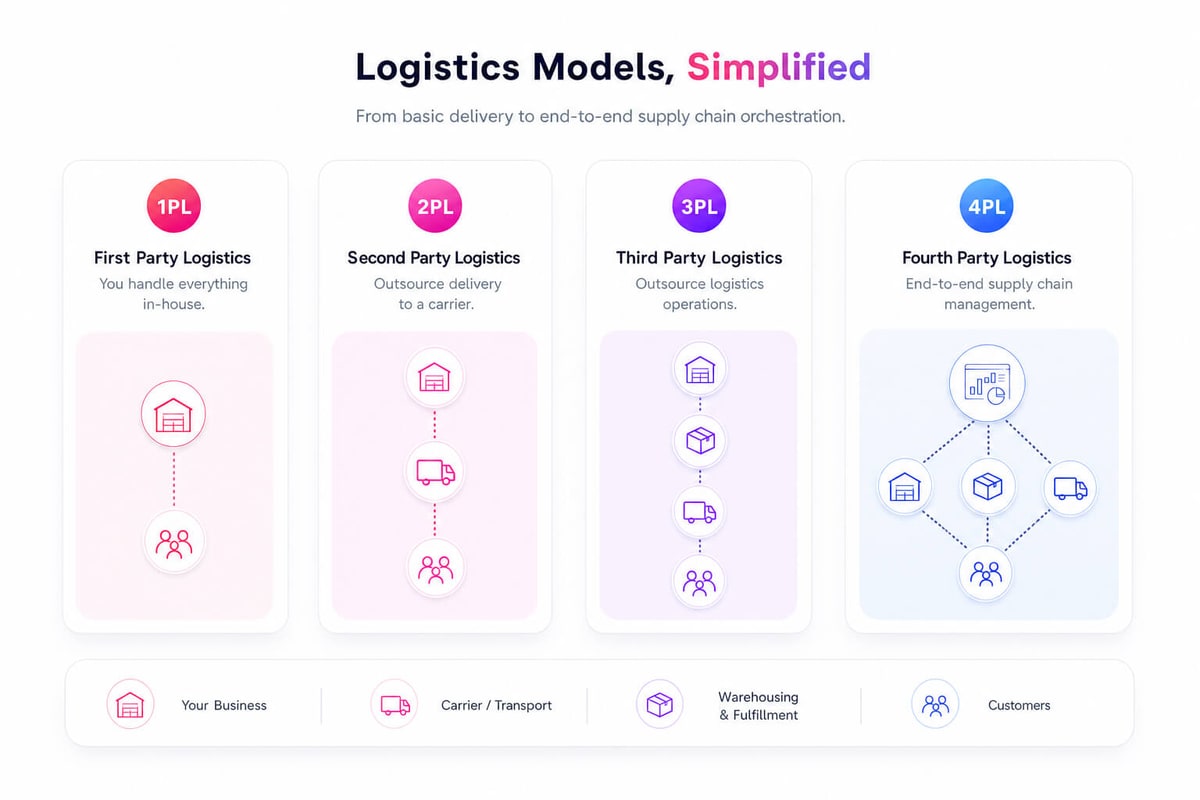
However, an in-house fill model gives a brand direct control over space, labor, stock, and daily ship calls. A 3PL logistics company shifts those tasks to an outside partner with set systems, site teams, and carrier links. The main gap sits in control of complexity. In-house teams manage every ops detail, while third-party logistics providers absorb much of the physical work and flow design.
Cost Structure and Control With a 3PL Logistics Company
However, in-house fill often starts with fixed costs. Rent, gear, software, cover, and pay go on even when order volume drops. That model can work well when demand stays steady, and site use stays high. A 3PL logistics company usually turns many fixed costs into flex costs. Fees often link to storage, picks, pack, and ships. This structure helps growing brands avoid paying for empty space or idle labor. Cost control still needs close checking. Strong provider selection criteria include fee clarity, storage rules, minimum charges, and peak-season rates. Many 3PL fulfillment companies look low-cost at low volume but shift sharply as order profiles change.
Operations, Speed, and Scale
In-house fill can support custom pack, strict quality checks, and close team watch. Those strengths matter for complex items or high-touch buyer orders. The trade-off shows when volume rises faster than hiring, space, or systems can support. A 3PL logistics company brings built-in capacity across labor, site flows, and ship workflows. Set 3PL logistics providers often ship from many spots, which can cut transit time and lower shipping costs.
Also, the ops fit depends on how steady the brand has become. For example, brands with stable volume may value in-house control. Fast-growing ecommerce, retail, and B2B brands often gain more from third-party fulfillment support. Also, clear counts help both sides track order clean data, dock-to-stock time, and late ships. A 3PL logistics company often makes the most sense when growth creates pressure across people, space, and ship speed. The best-fit model often pairs a trusted partner with clear data from logistics management software solutions.
Core Services Offered by Third-Party Logistics Providers
Third-party logistics providers manage the physical flow of goods after buy or make. A 3PL logistics company links storage, labor, systems, and carriers in one ops model. That structure helps brands handle demand shifts without adding fixed site costs. Core services vary by partner, but most support the same goal. They get items, store stock, process orders, ship parcels, and manage returns. A strong 3PL logistics company also shares data that helps teams plan stock and control service issues.
Storage and Inventory Control
First, site ops start with clean get and set storage. Teams confirm inbound counts, check item state, and log each item. A 3PL logistics company then assigns stock to bins, racks, or zones. Also, stock control protects cash flow and buyer trust. Cycle counts, lot tracking, end dates, and serial numbers cut errors. The right 3rd party logistics provider gives teams clear stock view across spots.
- Get teams to confirm inbound shipments and flag shortages fast
- Put-away rules place fast-moving items near pack stations
- Stock controls cut over-selling and stockout risks
- Kit services combine separate items into ready-to-ship bundles
Order Fulfillment and Transportation
Order fill covers pick, pack, label, and ship release. System links send order data from ecommerce stores, markets, or ERPs. A 3PL logistics company uses that data to route work through the site. 3PL fulfillment companies often support brand-specific pack rules. Teams can add inserts, branded items, return labels, or special steps. A skilled 3PL logistics company writes down those rules before volume grows.
Furthermore, transport links fill work to carrier results. A 3PL company can compare rates, print labels, and share tracking updates. Many 3PL logistics providers also check carrier data to spot late routes. Also, returns close the loop after shipment. Third-party fulfillment teams check returned goods, grade item state, and sync stock. So, clear rules help split resale items from damaged or removed stock. In fact, service quality depends on how well these tasks work together. A mature 3PL logistics company reports order clean data, dock times, ship costs, and return reasons. Together, these linked services create a stable base for solid warehouse fulfillment services.
When to Use a 3PL Logistics Company for Ecommerce, Retail, and B2B
Third-party fulfillment makes sense when order volume starts stretching in-house teams. A 3PL logistics company can absorb demand swings with no new site leases, added labor, or more pack space. In fact, growth often shows small gaps in fill control. Late ships, stock errors, and missed retail rules can quickly turn into lost margin. The right 3PL logistics company brings systems, labor, and carrier access together.
Ecommerce Growth and Order Spikes With a 3PL Logistics Company
Ecommerce brands often need support before volume feels unmanageable. In fact, a launch, promo, or season rush can double order volume within days. Third-party fulfillment helps brands ship faster with no hiring short-term site staff. A 3PL company also gives ecommerce teams better control across channels. Orders from Shopify, Amazon, marketplaces, and bulk portals can flow into one fulfillment flow. So, that structure cuts split ships and manual order checks.
3PL fulfillment companies become useful when service dates grow more complex. Two-day shipping, branded packaging, returns handling, and stock rules all need steady run. Also, a strong 3PL logistics company can support those needs at scale.
Retail, Wholesale, and B2B Requirements
Retail and B2B fulfillment often carry stricter rules than direct orders. Retailers may need labels, routing guides, set ship, and exact carton counts. Skilled third-party logistics providers know these details before penalties appear. Also, B2B sellers gain value when orders vary by account. One buyer may need pallets, while another needs case-level ship. A capable 3rd party logistics provider can manage those rules inside the same op.
- Order volume rises faster than site space or labor cap
- Retail charge-backs grow as ships miss rules
- Teams spend too much time fixing stock or ship errors
- Buyer accounts need faster ship across more regions
In fact, 3rd party fulfillment services work best when fill affects sales growth, not just ship cost. At that point, a 3PL logistics company should serve as both a ship partner and a pick and pack fulfillment center. Also see our guide to fulfillment services for ecommerce growth.
How 3PL Fulfillment Companies Improve Speed, Accuracy, and Cost Control
3PL fulfillment companies lift fill by removing delays between order get, pick, pack, and ship. A strong 3PL logistics company links systems, labor, stock, and carriers inside one ops model. That structure helps teams ship more orders without adding fixed costs. It also gives leads clearer cost data across storage, labor, pack, and transport.
Faster Order Flow and Delivery
When a 3PL logistics company gets an order, site software can route it to the right pick path. So, workers spend less time searching shelves and more time moving orders forward. The right 3PL logistics company also sets cutoff times around carrier schedules. Fast ship cap matters most during ecommerce sales growth, when order volume can rise fast. Also, strong carrier links help cut missed pickups and late ships.
Many third-party logistics providers place stock across several site spots. So, shorter ship zones can cut transit time and lower parcel costs. That model gives brands more service options with no building new sites.
Accuracy and Cost Discipline in 3PL Logistics Company Operations
A capable 3PL logistics company cuts clean data issues through scanning, barcode checks, and system controls. So, these steps catch errors before orders leave the site. Also, clean stock lowers the risk of over-selling. A linked 3PL company can sync stock levels with ecommerce, retail, and bulk systems. So, that view helps teams make faster buy and allocation calls.
A 3PL logistics company controls cost by matching labor to order volume. In-house teams often carry fixed costs when things are slow. 3rd party logistics companies spread labor, space, and gear across many clients. Furthermore, clear reports split strong 3PL logistics providers from basic site vendors. Brands can check cost per order, return rates, storage fees, and ship spend. These counts show where 3rd party fulfillment services protect margin. With a 3PL logistics company, growth depends less on in-house site capacity. Better systems, trained teams, and shared tools support steady service levels. That habit turns third-party fill into a stronger fulfillment business process.
Furthermore, the best 3rd party logistics provider supports current orders and future channels without adding needless complexity. A capable 3PL logistics company becomes more key when growth depends on omnichannel ecommerce fulfillment.
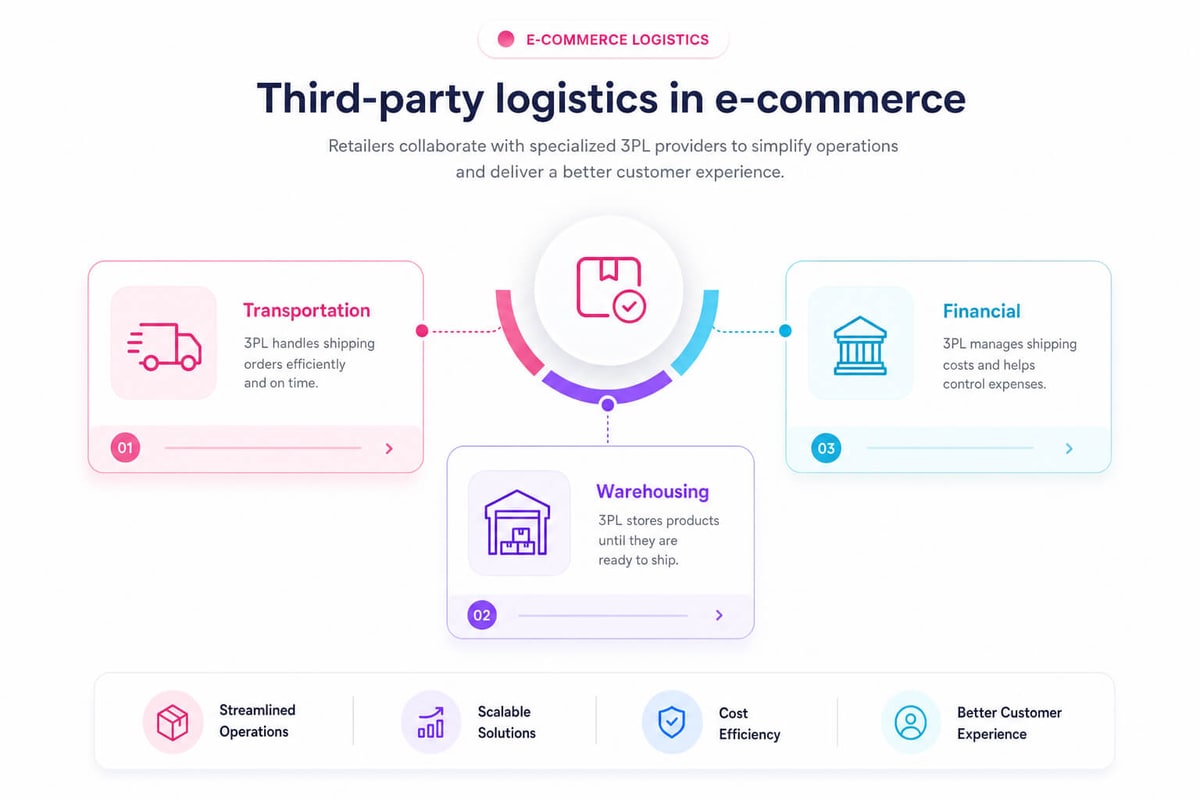
How to Choose the Right 3PL Logistics Company
The right 3PL logistics company matches current volume and future demand. It understands order patterns, item handling needs, and buyer ship dates. A poor fit often shows through missed scans, vague reports, and slow claims support. Selection should start with ops needs, not price alone. For a 3PL logistics company, clear billing often matters as much as rates. Contract terms should show storage, labor, returns, inserts, and peak charges clearly.
Assess Operating Fit for Your 3PL Logistics Company Choice
A qualified 3PL logistics company can explain its flow in plain terms. Site teams should show how orders move from get to ship. In fact, that walk-through reveals gaps that sales materials often hide. Also, strong third-party logistics providers share results data with no press. Useful counts include order clean data, dock-to-stock time, on-time ship, and claim rates.
- Site spots should cut transit time to key buyers
- Carrier mix should support parcel, freight, and regional ship needs
- Systems should sync with ecommerce, ERP, and market platforms
- Returns handling should match item state rules and resale plans
Review Technology and Service Culture
A modern 3PL logistics company gives teams real-time order view. Clean screens help sales, finance, and support answer questions faster. Manual status checks slow calls and create buyer service noise. Also, service habits matter as much as site space. The best 3PL fulfillment companies assign contacts who know the account. They flag cap risks before peak season creates missed ships. Also, comparing 3rd party logistics companies means testing problem response. A strong 3rd party logistics provider can explain how it handles shortages, damaged goods, and carrier delays. The right 3PL logistics company feels like an extension of the brand. A strong partner also links order, stock, and carrier data through supply chain management tools.
What to Expect From 3rd Party Fulfillment Services
Strong 3rd party fulfillment services should feel set from the first handoff. A 3PL logistics company sets order rules, stock flows, pack rules, and return paths before volume moves. So, that planning limits rework when daily order counts climb. The best 3PL fulfillment companies also explain what they need from your team. Item data, carton details, carrier rules, and sales channel settings shape every pick and ship. Clear inputs help the 3PL logistics company quote storage, labor, and parcel costs with fewer surprises.
Operational Onboarding and Daily Control
Onboarding usually starts with system links and stock setup. A site system links orders from ecommerce, retail, or B2B channels. Strong 3PL logistics providers test those links before live ship begins. Also, reliable onboarding usually includes SKU data matched to barcodes, get rules for buy orders, pick, pack, and ship rules tied to each channel, and return routing that splits resale goods from damaged stock. Also, daily control comes from shared screens and clear cutoffs. The 3PL logistics company should show order status, stock counts, carrier scans, and gaps. Fast gap alerts help teams protect orders before delays reach buyers.
Service Levels, Costs, and Communication
So, service levels should match the promises on each channel. Same-day ship needs firm cutoffs, enough labor, and clean stock. A capable 3PL company tracks on-time ship, order clean data, dock-to-stock time, and return cycle time. Also, pricing should read like an ops model, not a mystery. Storage, get, pick fees, kit, pack, and carrier charges need separate lines. So, clear billing helps compare 3rd party logistics companies with no hidden costs inside blended rates.
Furthermore, talk often splits average partners from strong ones. The 3PL logistics company should assign clear contacts for daily issues, account checks, and peak planning. Regular reports give leads the facts behind freight spend and fill quality. Good third-party fulfillment feels steady during normal weeks and calm during spikes. A mature 3rd party logistics provider plans capacity before promos, launches, and season peaks. The right 3PL logistics company makes growth easier to manage.
Conclusion
A strong 3PL logistics company turns fill into a growth system. It links stock, site work, ship, returns, and data. That structure helps teams ship faster while keeping costs open. The right 3PL logistics company matches sales channels, order volume, item needs, and service targets. However, price matters, yet fit matters more. A low rate can cost more when errors rise.
What Strong 3PL Logistics Company Partners Have in Common
Solid third-party logistics providers bring clear flows and clean reports. They can explain cutoffs, pick clean data, carrier choices, and return rules. Also, strong partners show how they handle peak demand. The best 3PL logistics company acts like an ops partner, not a storage vendor. Also, its systems sync with ecommerce platforms and markets. Teams can see orders, stock levels, and gaps early.
- 3PL fulfillment companies help brands manage busy seasons with no long delays
- Third-party fulfillment can cut manual work across pick and ship
- 3rd party fulfillment services give teams more control over ship data
- 3PL logistics providers can lower ship costs through better carrier choices
Your Next Step With a 3PL Logistics Company
First, a clear scorecard makes selection easier. Compare each 3PL company against clean data, system fit, service reach, contract terms, and support speed. So, the strongest choice will match today’s needs and next year’s plan. Also, before signing, review sample reports, carrier options, onboarding steps, and return rules. Ask how the chosen 3PL logistics company handles stockouts, late orders, and volume spikes. In fact, these details reveal how the link works under pressure. Choose a partner that can grow with order volume, channel mix, and buyer dates. A chosen 3PL logistics company can provide a stable base for growth. For a wider look at shipping plans, read this resource on ecommerce shipping logistics.
 Google AI
  OpenAI ChatGPT
 Frequently Asked Questions
What is a 3PL logistics company?
A 3pl logistics company is a third-party partner that manages logistics services for a business, such as warehousing, inventory management, order fulfillment, shipping, returns, and transportation. Instead of handling these tasks in-house, companies use 3PL logistics providers to improve efficiency, reduce costs, and scale operations more easily.
How do 3PL logistics companies support e-commerce businesses?
3PL logistics companies support e-commerce businesses by storing products, picking and packing orders, shipping to customers, and managing returns. Many 3PL fulfillment companies also connect with online stores and marketplaces, helping brands process orders faster, maintain accurate inventory, and offer reliable delivery without building their own warehouse network.
What are the latest trends among top 3PL logistics companies?
Top third-party logistics providers are investing in automation, real-time tracking, data analytics, sustainable shipping, and flexible fulfillment networks. Many 3rd party logistics companies are also offering faster delivery options and integrated technology platforms, giving businesses better control over inventory, carrier selection, and customer experience.
How do 3PL logistics companies manage supply chain visibility?
A 3pl logistics company manages supply chain visibility through warehouse management systems, transportation tracking, inventory dashboards, and reporting tools. These systems help businesses see stock levels, order status, shipping updates, and performance metrics in real time, making it easier to identify delays and improve planning.
How do 3PL logistics companies handle international shipping?
3PL logistics providers handle international shipping by coordinating carriers, preparing customs documents, managing duties and taxes, and tracking cross-border shipments. A 3rd party logistics provider may also advise on packaging, trade compliance, and delivery options, helping businesses expand globally while reducing shipping errors and delays.
How do you choose the right 3PL company?
To choose the right 3PL company, evaluate its warehouse locations, technology, shipping rates, fulfillment accuracy, industry experience, and customer support. Businesses should also compare third-party fulfillment capabilities, integration options, contract terms, and scalability to ensure the provider can support current needs and future growth.
I specialize in building scalable eCommerce systems powered by AI and automation. My work focuses on growing sales across Amazon, eBay, and Etsy through technology integration, data-driven strategies, and performance optimization. I also publish articles and insights about eCommerce technology, warehouse operations, and multichannel growth.
You may also like
Best Online Storefront: Comparing Ecommerce Platforms for Growth
Choosing the best online storefront can shape how you sell, market, and scale. This brief outlines the top ecommerce platforms, key features, pricing factors, use cases, and selection tips to help business owners and marketers choose the right solution with confidence.
Fulfillment Services for Ecommerce Growth
Choosing the right fulfillment services can help ecommerce brands streamline storage, packing, shipping, and returns. A practical guide for comparing providers, improving customer experience, reducing operational costs, and scaling sales profitably.

What Is Fulfillment in Business? A Complete Guide for Growing Companies
Fulfillment is the process that turns customer orders into delivered products. This brief explains what fulfillment means in business, how ecommerce and service fulfillment work, and how to choose the right approach for growth, efficiency, and customer satisfaction.