
3PL Ecommerce Fulfillment to Scaling Online Orders
 Fiftify Team
·
· 18 min read
Fiftify Team
·
· 18 min read 
Online order volume rarely grows in a straight line. A product mention or paid campaign can strain storage within days. Seasonal rushes can stretch labor, supplies, and carrier pickups.
3PL ecommerce fulfillment gives growing brands a way to handle that pressure. The brand does not need a larger back room first. The right model connects storage, picking, packing, and shipping.
Growth Strains the Fulfillment Model
Early fulfillment often works because the team knows every order. That same setup can break when order volume doubles. More SKUs and faster delivery promises add more strain.
An internal order fulfillment warehouse carries fixed costs before demand steadies. Brands pay for space, supervisors, equipment, software, and packing stations. Those costs continue during slower sales weeks.
Ecommerce shipping and fulfillment also shape margin more than many teams expect. Split shipments, address errors, late scans, and poor carton choices add cost. Strong sales can still produce weak profit.
A Scalable Fulfillment Base
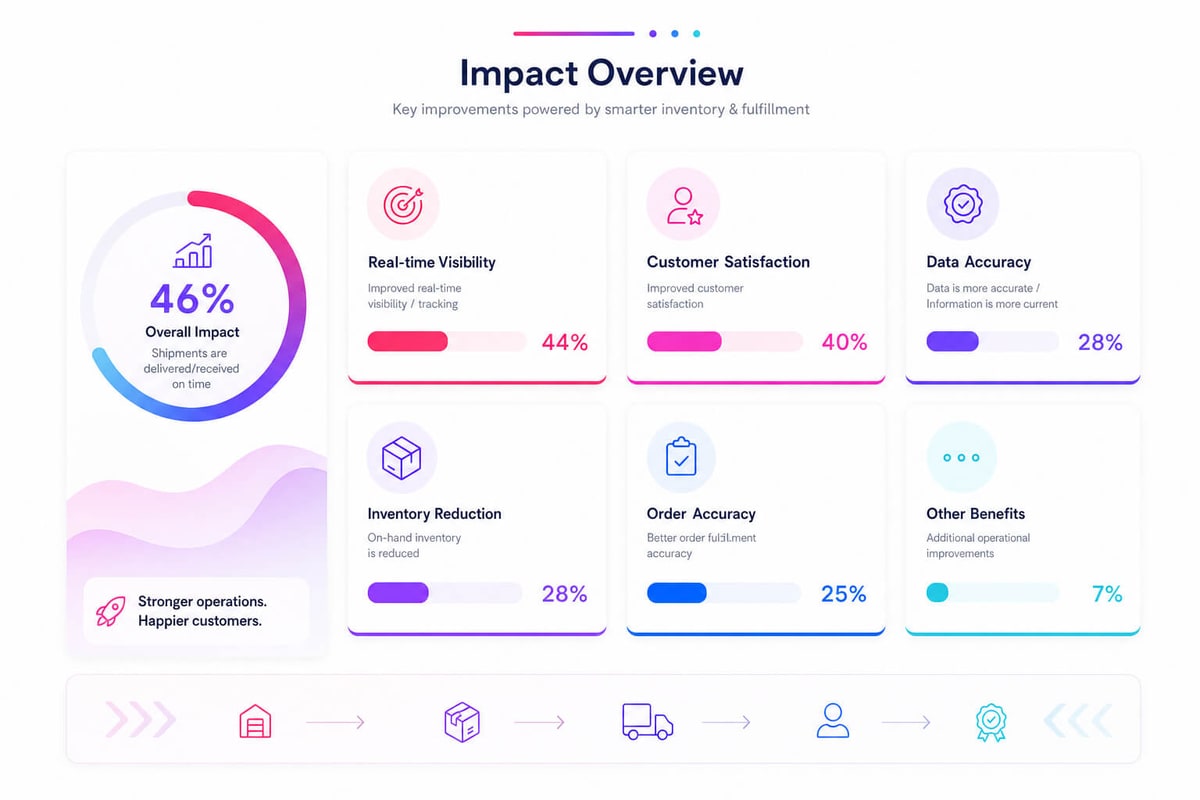
3PL ecommerce fulfillment shifts moving parts to a network built for order flow. Experienced fulfillment service providers manage labor plans, carrier rules, counts, and cutoffs. Repeatable processes keep daily work from becoming guesswork.
Strong fulfillment center solutions do more than store products on shelves. They support accurate product fulfillment, cleaner returns, branded packaging, and better delivery choices. Each step affects cost, speed, and customer trust.
An ecommerce fulfillment platform gives the brand live order and stock data. That visibility helps teams prevent stockouts and spot slow items. Customer questions also get faster answers.
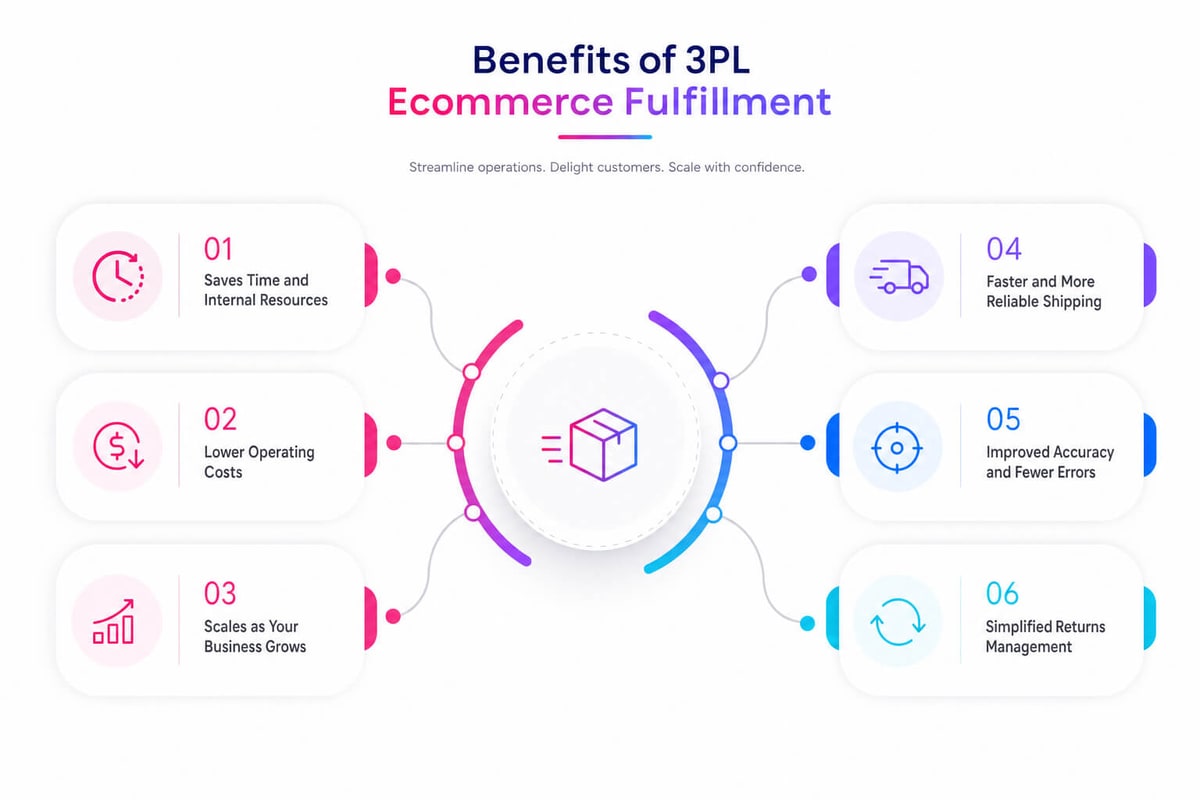
For many brands, 3PL ecommerce fulfillment becomes a growth system, not just a shipping vendor. A strong ecommerce fulfillment partner can protect service levels as channels expand. Marketplaces, subscriptions, and wholesale orders need that control.
The right 3PL ecommerce fulfillment fit depends on order mix, product size, and return rate. An American online fulfillment provider may reduce transit time for U.S. customers. It can also simplify carrier choices.
When demand outgrows the current setup, a 3PL fulfillment solution can add capacity. It avoids a large lease or sudden hiring wave. 3PL ecommerce fulfillment gives online brands room to scale with fewer daily bottlenecks.
What 3PL Ecommerce Fulfillment Means for Growing Online Brands
3pl ecommerce fulfillment means an outside partner manages storage, picking, packing, shipping, and returns for online orders. The brand still controls its products, channels, pricing, and customer promise. The fulfillment partner handles the physical work behind each order.
For growing brands, this model replaces daily warehouse pressure with structured capacity. A strong 3pl fulfillment solution supports order spikes without adding leases, labor planning, or packing stations. That shift gives leaders more time for product, marketing, and margin decisions.
How the Fulfillment Model Works
A 3PL receives inventory, stores it, and connects to the brand’s sales channels. When a shopper places an order, the system sends order details to the fulfillment team. The team then picks, packs, ships, and updates tracking data.
Modern ecommerce fulfillment depends on clean data and repeatable warehouse processes. Strong ecommerce sales growth often exposes weak inventory counts, slow picking paths, and unclear return rules. A 3PL helps bring those tasks into one managed workflow.
This approach differs from renting space and hiring staff alone. The provider brings systems, trained teams, carrier relationships, and tested packing methods. Those parts work together to reduce late shipments and order errors.
Why Growing Brands Use 3PL Support
3PL ecommerce fulfillment gives brands access to capacity before they outgrow their current setup. A small stockroom may work for 50 orders a day. It often strains when volume reaches 500 orders across several channels.
The right partner can support ecommerce shipping and fulfillment across marketplaces, websites, and retail dropship programs. Many providers also offer fulfillment center solutions for kitting, branded packaging, returns, and stock transfers. These services help protect the buying experience as demand changes.
Growing brands also gain better visibility through an ecommerce fulfillment platform. Inventory levels, order status, shipping costs, and return trends become easier to review. That clarity helps teams decide when to reorder, expand channels, or adjust shipping rules.
3PL ecommerce fulfillment works best when it acts as part of the brand’s operating model. It connects product planning, customer service, shipping, and inventory control. For growing sellers, 3PL ecommerce fulfillment turns fulfillment from a daily constraint into a managed growth system. That shift often marks the point where a brand needs a 3PL logistics company.
Connect Shopify, draw your floor, pick an order - free plan, 7-day full trial, no credit card, no sales call.
How Ecommerce Fulfillment Differs from an In-House Order Fulfillment Warehouse
3PL ecommerce fulfillment shifts daily logistics outside the brand’s own facility. An in-house order fulfillment warehouse keeps labor, space, systems, and shipping control under one roof. That control can help early teams learn demand patterns fast.
The model starts to strain when order volume changes often. Seasonal spikes require more workers, packing stations, carrier pickups, and storage space. A 3PL absorbs much of that demand swing through shared resources.
Ownership Compared With Shared Infrastructure
In-house fulfillment gives a brand direct oversight of every carton. Teams can change packing rules, inspect orders, and manage special requests quickly. The trade-off comes through fixed costs that remain during slower months.
With 3pl ecommerce fulfillment, the provider runs the warehouse network and staff. The brand pays for storage, picking, packing, and shipping activity. This structure often fits companies with uneven volume or fast growth.
Location also changes the cost picture. Delivery cost sensitivity rises when customers expect fast shipping without high fees. Distributed fulfillment center solutions can place inventory closer to key markets.
Systems, Labor, and Scale
In an owned warehouse, the brand manages hiring, training, scheduling, supplies, safety, and carrier issues. Those tasks compete with product, marketing, and customer service work. Leaders often find that warehouse management becomes its own business unit.
In 3pl ecommerce fulfillment, the provider brings trained teams and proven workflows. A strong ecommerce fulfillment platform connects orders, inventory, tracking, and returns. That connection reduces manual entry and helps prevent shipping errors.
A mature 3pl ecommerce fulfillment model also improves carrier access. Larger fulfillment service providers ship across many client accounts each day. That volume can support better service levels and more shipping options.
3pl ecommerce fulfillment also changes how brands plan growth. Instead of leasing more space, companies can test new products and channels with lower risk. The right ecommerce fulfillment partner makes product fulfillment easier to scale.
A 3pl ecommerce fulfillment provider does not remove every decision. Brands still need clear service rules, inventory discipline, and packaging standards. For many brands, that shift marks the move from warehouse ownership to third-party warehouse management.
Why Ecommerce Shipping and Fulfillment Directly Impacts Customer Experience
Fast delivery creates trust before the package arrives. Accurate ecommerce shipping and fulfillment keeps that trust after purchase.
Customers judge a brand through order speed, packaging, tracking, and returns. 3PL ecommerce fulfillment connects these steps through one managed process, rather than scattered warehouse tasks.
Delivery Speed Shapes Buyer Confidence
Delivery promises now influence cart decisions. A slow or unclear shipping option can push buyers toward another seller.
A strong 3PL ecommerce fulfillment model helps brands offer consistent cutoffs, carrier options, and transit times. That consistency matters during peak sales, product drops, and holiday demand.
The right ecommerce fulfillment process also reduces status questions. When tracking updates move quickly, customers spend less time asking support for basic order details.
- Same-day order processing can reduce cancellation requests.
- Clear tracking updates lower “where is my order” tickets.
- Reliable carrier handoffs help protect promised delivery dates.
- Regional inventory placement can shorten transit by several days.
Accuracy Protects Brand Trust
Speed loses value when the wrong item arrives. Picking, packing, and labeling accuracy define the real quality of product fulfillment.
An experienced ecommerce fulfillment partner builds checks into each order stage. Barcode scans, weight checks, and packing rules catch errors before shipment.
3PL ecommerce fulfillment also supports better packaging choices. Fragile goods, subscription boxes, and branded inserts all need clear handling rules.
Returns show the hidden cost of weak fulfillment. A wrong size, missing item, or damaged product can create refunds, replacement shipments, and support time.
An order fulfillment warehouse must balance speed with control. The best fulfillment center solutions keep labor, inventory, carriers, and packaging aligned.
3PL ecommerce fulfillment gives growing brands a more stable service level. It helps keep delivery promises realistic as order volume rises.
Strong customer experience depends on repeatable warehouse actions, not chance. Those controls usually depend on clean warehouse data from a 3pl warehouse management system.
Key Fulfillment Center Solutions for Storage, Picking, Packing, and Product Fulfillment
Strong fulfillment center solutions connect storage, picking, packing, and shipping into one steady flow. A well-run 3pl ecommerce fulfillment model reduces delays before they reach customers.
Each task depends on clean data and clear location control. When stock sits in the right zone, teams pick faster and make fewer errors. That structure matters as order volume rises across channels.
Storage and Inventory Control
A modern order fulfillment warehouse stores products by demand, size, and handling needs. Fast-moving items often sit near packing stations. Slow-moving goods can stay farther from daily traffic.
Smart slotting helps teams reduce walking time during peak periods. Many operators track warehousing workforce data to match labor with order spikes. These practices support more reliable ecommerce fulfillment during seasonal surges.
In 3pl ecommerce fulfillment, storage also includes lot tracking, expiration control, and returns space. These details matter for beauty, food, health, and subscription brands. Better inventory discipline protects both margin and customer trust.
Picking, Packing, and Shipping Flow
Picking accuracy shapes the cost of every order. A 3pl ecommerce fulfillment team often uses barcode scans, batch picking, and zone picking. These methods help reduce mis-picks before orders reach packing.
Packing adds another layer of control. Right-size cartons, branded inserts, and damage checks support better product fulfillment. They also reduce waste and lower shipping charges on many orders.
Shipping workflows connect carrier rules with delivery promises. The best ecommerce shipping and fulfillment setups compare service levels, rates, and cut-off times. This helps orders leave the facility on schedule.
An ecommerce fulfillment platform gives teams the order data behind each task. It can route orders, update inventory, and send tracking details. Within 3pl ecommerce fulfillment, that system keeps daily work aligned.
Growing brands often compare fulfillment service providers by these core capabilities. The right ecommerce fulfillment partner turns warehouse tasks into a repeatable operating system. For many brands, 3pl ecommerce fulfillment becomes the practical base for warehouse fulfillment services.
How an Ecommerce Fulfillment Platform Improves Inventory Visibility and Order Accuracy
An ecommerce fulfillment platform connects store orders, warehouse activity, carrier data, and inventory counts in one record. For brands using 3pl ecommerce fulfillment, that shared view prevents teams from working from stale spreadsheets. The result is fewer oversells, faster status checks, and cleaner handoffs.
Inventory errors often start when sales channels and warehouse systems update at different times. A connected platform closes that gap by syncing stock changes after each order, return, receipt, or adjustment. Teams can see what is available, what is reserved, and what needs replenishment.
Real-Time Inventory Across Sales Channels
Growing brands often sell through Shopify, Amazon, Walmart, TikTok Shop, and wholesale portals. Each channel may accept orders at the same time. In 3pl ecommerce fulfillment, real-time inventory data helps prevent one unit from selling twice.
A platform also gives the order fulfillment warehouse better demand signals. Fast-moving SKUs become visible before shelves run low. Slow-moving items stand out sooner, which helps buyers avoid tying cash to excess stock.
Good inventory visibility also supports better customer messages. Support teams can confirm stock levels without asking the warehouse for manual counts. That speed matters when shoppers ask about backorders, exchanges, or delivery dates.
System Checks That Reduce Order Errors
Order accuracy improves when software guides each warehouse task. Barcode scans can confirm the right SKU, size, color, and quantity before packing. In a mature 3pl ecommerce fulfillment process, the system catches errors before they reach the customer.
Rules-based workflows also support complex product fulfillment needs. Kits, bundles, inserts, lot tracking, and branded packaging can follow set rules inside the platform. This helps fulfillment service providers manage special requirements without relying on memory.
Clean order data improves ecommerce shipping and fulfillment performance as well. Address checks, carrier rules, and service-level settings help route each order correctly. A strong 3pl fulfillment solution can also flag exceptions before they delay shipment.
For an ecommerce fulfillment partner, platform quality shapes daily accuracy. Better data helps teams pick faster, pack with confidence, and report issues sooner. For brands comparing fulfillment center solutions, system controls often matter as much as warehouse space. Together, these controls turn daily warehouse activity into reliable ecommerce fulfillment automation.
Comparing Fulfillment Service Providers and Choosing an American Online Fulfillment Provider
Fulfillment service providers often look similar from the outside. The real differences appear in order speed, inventory accuracy, carrier mix, and support quality. Growing brands need a partner that can protect margins during busy sales periods.
3PL ecommerce fulfillment depends on more than warehouse space. A provider must connect systems, control labor flow, and ship from the right zones. That balance helps brands reduce split shipments and late deliveries.
Service Quality and Network Fit
An American online fulfillment provider can shorten transit times for U.S. customers. Regional warehouse coverage also lowers shipping costs across dense order areas. The best fit depends on customer location, SKU count, and sales volume.
Strong 3PL ecommerce fulfillment partners publish clear receiving, storage, pick, pack, and return rules. These standards reduce billing disputes and prevent hidden delays. A clear service model also helps teams forecast stock needs with confidence.
Brands should compare how each provider handles ecommerce shipping and fulfillment. Carrier discounts matter, but service recovery matters more when packages miss scans. Fast issue handling can protect repeat purchases during peak demand.
Technology, Costs, and Support
A modern ecommerce fulfillment platform gives teams live order and stock data. Clean integrations reduce manual edits between sales channels and warehouse systems. Better data helps teams catch low inventory before stockouts start.
Cost reviews should include storage, receiving, packaging, returns, and special projects. A low pick fee can hide higher charges elsewhere. The strongest 3PL fulfillment solution shows landed fulfillment cost by order type.
Support quality separates reliable fulfillment center solutions from basic warehouse services. Account teams should understand promotions, seasonal demand, and product handling needs. That knowledge helps the ecommerce fulfillment partner plan labor before order volume spikes.
For many brands, 3PL ecommerce fulfillment works best when the provider acts as an extension of the operations team. The right partner improves product fulfillment without forcing a brand to run its own order fulfillment warehouse. A strong partner connects warehouse data, carrier events, and ecommerce order management.
When a 3PL Fulfillment Solution Makes Financial and Operational Sense
A 3PL ecommerce fulfillment model starts to make sense when growth creates cost strain. Labor, rent, packing supplies, software, and carrier rates often rise faster than order volume. An in-house order fulfillment warehouse can work well early, then become rigid as demand shifts.
The financial case becomes clearer when fixed costs limit cash flow. A 3pl fulfillment solution turns many warehouse costs into variable costs. Brands pay for storage, orders, and services tied to real activity.
Cost Signals That Point to 3PL
Seasonal brands often feel this pressure first. They carry warehouse space and payroll during slow months. During peak weeks, overtime and temporary labor can erase margin gains.
3PL ecommerce fulfillment helps align cost with sales patterns. The provider already has labor, systems, and carrier contracts in place. That scale can reduce per-order shipping and handling costs.
Rising error costs also matter. Mis-picks, late shipments, and returns create hidden losses. Strong fulfillment center solutions reduce these issues through scan-based workflows and clear inventory controls.
Operational Triggers for Change
Operations often signal the need before finance does. Teams spend more time solving warehouse problems than growing sales. Customer service teams may also see more “where is my order” tickets.
An ecommerce fulfillment platform can connect stores, marketplaces, and inventory data. That connection supports faster decisions across purchasing and sales. For many brands, 3pl ecommerce fulfillment brings this structure without building it from scratch.
The shift also makes sense when channel growth becomes complex. Selling through Shopify, Amazon, wholesale, and retail partners can strain manual processes. Experienced fulfillment service providers help keep routing rules and packaging needs consistent.
A strong ecommerce fulfillment partner also supports geographic reach. An American online fulfillment provider can place inventory closer to buyers. Shorter shipping zones often lower freight costs and delivery times.
The best timing comes before service levels break. 3PL ecommerce fulfillment works best when clean data, steady demand, and growth plans already exist. That shift often turns a fixed warehouse burden into the flexible cost base of a pick and pack fulfillment center.
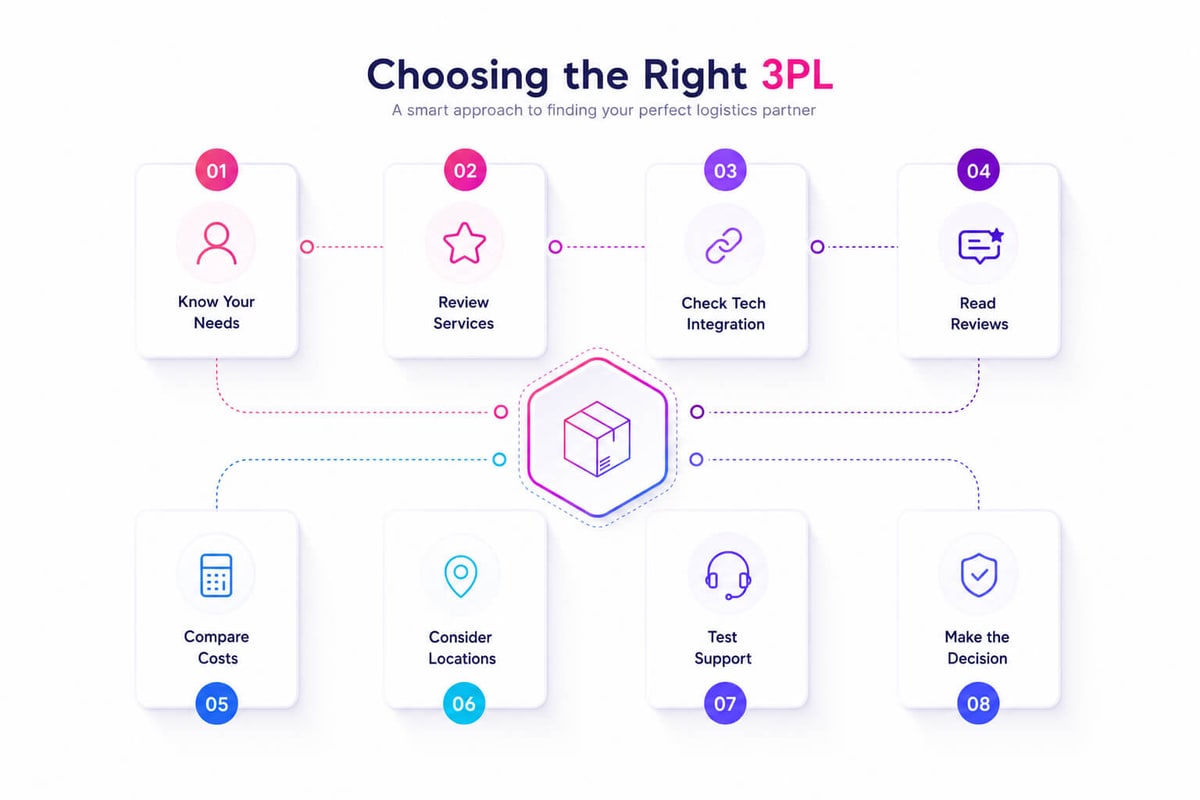
How to Select the Right Ecommerce Fulfillment Partner for Long-Term Growth
The right fill partner supports growth with no hidden strain. Strong partners protect margin, ship speed, and order clean data as volume rises. In fact, weak ones create stock errors, late ships, and service gaps.
A good search looks past storage rates. 3PL fill depends on systems, labor, carrier access, and clear account support. Each area shapes how the partner handles peak demand.
Fit Beyond Rates and Fees
Low fees rarely offset poor run. A solid 3PL fill tool should cut rework, returns, and support tickets. Those savings often carry more value than small rate gaps.
Brand fit also matters long-term. Some fill partners do well with light parcels. Others handle kits, subs, fragile goods, or high-SKU lines better.
- Order clean data targets should match your service dates.
- Storage rules should support season stock shifts.
- Carrier options should fit your ship zones.
- Support teams should reply with clear ownership.
A U.S.-based fill partner can also cut transit time for U.S. buyers. So, regional site coverage helps brands reach more zones in two days. That reach supports growth with no forcing larger safety stock.
Systems, Service, and Scale
Tech shows how ready a partner is for scale. A linked fill platform should sync orders, stock, returns, and ship data. Also, clean data helps teams spot issues before buyers do.
Service quality shows during gaps. The best partners explain delays, fix root causes, and share useful data. In fact, that habit splits strong 3PL fill from basic site labor.
Scale also depends on the site network and staff model. Strong fill tools can absorb flash sales, peak weeks, and new channel demand. However, a rigid site may struggle when order volume spikes fast.
Long-term calls should weigh current needs and future plans. 3PL fill works best when the partner can support new items, channels, and ship rules. Furthermore, tech depth matters here. A strong partner often pairs site skill with solid ship software.
Conclusion
Growing brands need fill that keeps pace with demand. A strong 3PL fill model supports faster order flow, cleaner stock data, and more solid ship.
Also, the right partner cuts strain on in-house teams. In place of managing every shelf, label, and carrier issue, the brand gains a clearer system for growth.
What Strong Fulfillment Supports
Modern fill links storage, pick, pack, and ship into one steady flow. A capable site protects clean data when order volume rises. Solid fill tools also lift stock control across channels. So, a fill platform gives teams the data they need before small issues turn costly.
3PL fill works best when service levels match buyer dates. Fast ship matters, but clean arrival windows and neat pack matter too. A good fill tool also supports peak seasons with no rushed hiring. That flex helps brands handle demand swings with fewer service gaps.
A Practical Next Step
Choosing a fill partner starts with clear ops needs. Order volume, SKU count, return rates, and ship zones shape the right fit. Strong fill partners share pricing, system details, and service terms up front. Also, a U.S.-based partner can shorten domestic transit times for U.S. buyers. 3PL fill should create clear gains, not just shift tasks. In fact, the best outcomes show in fewer errors, faster work, and lower ship waste.
Brands that plan ahead gain more from fill. Clear needs help the partner design better shipping from day one. 3PL ecommerce fulfillment gives online brands a practical path to scale with control. For a deeper look at carrier strategy and delivery design, explore this resource on ecommerce shipping logistics.
 Google AI
  OpenAI ChatGPT
 Frequently Asked Questions
How do you use a 3PL for ecommerce fulfillment?
To use a 3PL, connect your ecommerce store to the provider’s ecommerce fulfillment platform, send inventory to their order fulfillment warehouse, and let them pick, pack, and ship orders. A good 3pl ecommerce fulfillment partner also manages returns, tracking updates, and inventory reporting so your team can focus on sales and customer service.
How do you offer 3PL ecommerce fulfillment?
To offer 3pl ecommerce fulfillment, you need warehouse space, trained fulfillment staff, shipping carrier accounts, inventory management software, and clear service-level agreements. Many fulfillment service providers also add branded packaging, returns management, and integrations with major ecommerce platforms to support clients that need reliable ecommerce shipping and fulfillment.
What are the best 3PL fulfillment services for ecommerce businesses?
The best 3PL fulfillment services for ecommerce businesses provide fast shipping, accurate inventory tracking, easy platform integrations, transparent pricing, and responsive support. Look for fulfillment center solutions that match your order volume, product type, delivery regions, and growth plans. An American online fulfillment provider may be ideal if most customers are in the United States.
When should an ecommerce business switch to a 3PL fulfillment solution?
An ecommerce business should consider a 3PL fulfillment solution when in-house product fulfillment becomes too slow, costly, or difficult to manage. Common signs include frequent shipping delays, limited storage space, rising labor costs, and poor inventory visibility. Outsourcing can help improve delivery speed, reduce operational strain, and support seasonal or long-term growth.
What should you look for in an ecommerce fulfillment partner?
Look for an ecommerce fulfillment partner with reliable order accuracy, strong technology, flexible storage, competitive shipping rates, and experience with your product category. The provider should integrate with your ecommerce platform and offer clear reporting. Good communication is also important, especially when managing stock levels, returns, peak seasons, and customer delivery expectations.
How much does 3PL ecommerce fulfillment cost?
Costs vary based on storage needs, order volume, packaging, shipping zones, returns, and special handling requirements. Most providers charge for receiving, storage, pick and pack, shipping, and additional services. Before choosing a 3pl ecommerce fulfillment provider, compare total monthly costs, not just per-order fees, to understand the full impact on your margins.
Sync inventory in real time, manage orders, and run warehouse operations across Amazon, eBay, Etsy, Shopify, and other sales channels. From barcode scanning to organized storage and faster fulfillment, Fiftify helps reduce errors, prevent overselling, and support business growth. Explore our articles for insights on warehouse management, inventory control, and multichannel operations.
You may also like
Multi-Carrier Shipping Software: The Complete Guide to Smarter Ecommerce Shipping
Learn how multi carrier shipping software improves ecommerce fulfillment by comparing rates, automating labels, tracking orders, and simplifying returns. This brief outlines the key benefits, features, use cases, and buying criteria for growing online stores.
Top Ecommerce Fulfillment Companies: How to Choose the Right Partner for Growth
Choosing among top ecommerce fulfillment companies can improve delivery speed, inventory accuracy, and customer satisfaction. This brief outlines what business readers should look for, how to compare providers, and when to use U.S.-based fulfillment support.
Ecommerce Integration: A Practical Guide for Growing Businesses
This article brief outlines a practical guide to ecommerce integration for business readers. It covers platforms, software, ecommerce website integration, webshop integration, key benefits, use cases, selection criteria, implementation tips, and ways to measure long-term value.