
Ecommerce Integration: A Practical Guide for Growing Businesses
 Emily Carter
·
· 18 min read
Emily Carter
·
· 18 min read 
Online growth often shows the gaps between business systems. Orders arrive in one tool, stock sits in another, and finance teams wait for clean data. Ecommerce integration connects those parts, so teams work from the same facts. In fact, manual syncs rarely fail all at once. They fail through small delays, missed stock changes, and slow refunds. Each gap adds cost and weakens buyer trust.
So the right ecommerce integration setup turns daily noise into a clean, shared data flow.
Growth Exposes System Gaps
A sales channel can grow faster than back-office flows. Markets, stores, sites, pay tools, and account systems all create data. Without ecommerce integration, teams often copy that data by hand or fix errors after buyers notice. Also, the real issue is not only speed. Clean data matters just as much. A single stock error can trigger over-selling, split ships, or canceled orders. Clean links cut those gaps before they reach buyers.
An ecommerce integration platform gives each system a set role. The store captures demand, the stock system tracks items, and accounting logs revenue. The platform passes data between them with clear rules.
Connected Data Creates Control
Modern ecommerce integration software does more than move orders. It can sync item data, buyer records, tax details, ship syncs, and returns. Better data flow helps teams close orders faster. Also, it helps teams answer buyer questions sooner. Ecommerce website integration often starts with the online store. The most useful projects then connect the store to stock, fill, CRM, and finance systems. This creates a shared view across the brand. Reliable links also protect call quality. Teams can see which items move fast, which channels create margin, and where delays start. That view helps leads adjust stock, staff, and service levels before issues spread.
What Is Ecommerce Integration and Why It Matters
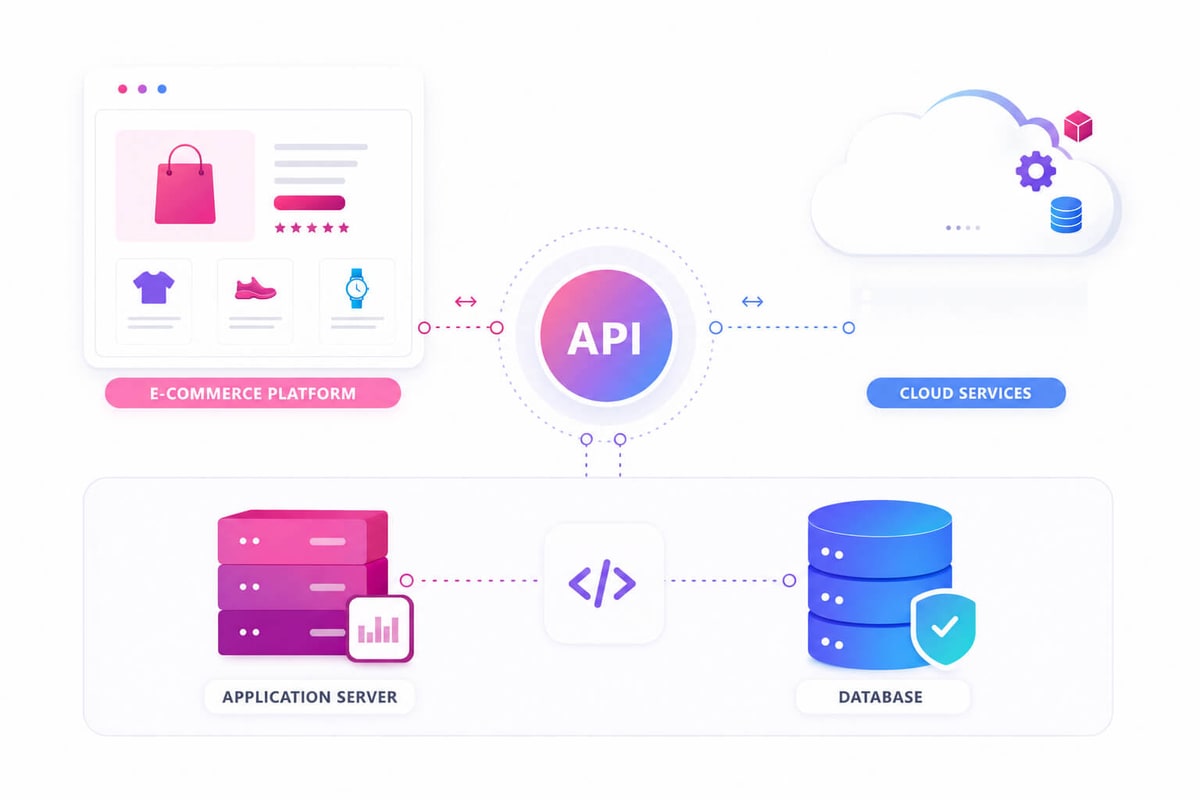
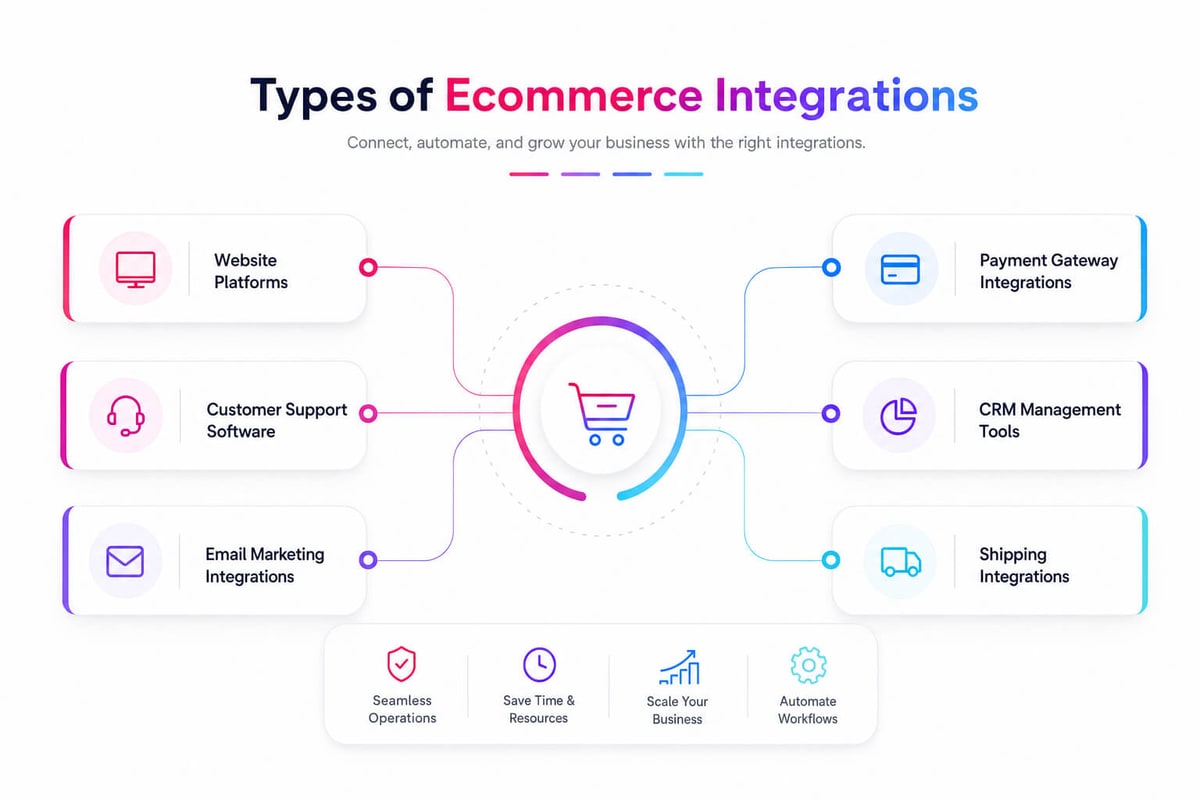
Ecommerce integration connects online sales channels with core business systems. It moves data between the store, ERP, CRM, site, pay tools, and ship apps. In place of retyping the same details, teams work from shared records. The goal goes past a tech link. Ecommerce integration creates one ops layer for online sales. Orders, stock, item data, buyer records, and ship syncs stay aligned across tools. That line-up cuts errors when growth outpaces manual work.
How Connected Data Supports Ecommerce Integration Growth
In fact, growing brands often feel strain first in daily order work. A sales spike can expose gaps between the store and site. Staff may accept orders for out-of-stock items or ship from the wrong spot. These errors cost time, margin, and trust. Ecommerce website integration helps stop those gaps by syncing storefront data with inner systems. Item changes can show across channels with no repeated entry. Stock counts can sync after each sale, return, or site shift. Buyers then get cleaner ship and open-stock details.
Also, webshop integration supports faster calls. Leads can check live sales, stock, and buyer data in one place. That view helps teams adjust buying, offers, and staff before problems spread. So, better data shortens the gap between spotting an issue and acting on it.
Why Manual Processes Limit Scale
However, manual work can support a small order count. So, growth changes that fast. Each new channel adds more item records, buyer messages, and fill steps. Small delays then spread across the whole op. An ecommerce integration platform cuts that load by linking systems through set data flows. The platform can pass order details to finance, site, and ship tools. It can also return tracking counts to the storefront and buyer. Teams spend less time on sheets and more time solving real issues.
Ecommerce integration software matters most when clean data affects revenue. A wrong stock count can trigger refunds, split shipments, or missed ship dates. Clean system links help protect margin while keeping service levels steady. Connected ops gives growing brands a more reliable base. It keeps sales, stock moves, and buyer syncs tied together. That base becomes more key as order volume grows and teams need solid ecommerce order management.
Connect Shopify, draw your floor, pick an order - free plan, 7-day full trial, no credit card, no sales call.
How an Ecommerce Integration Platform Connects Business Systems
An ecommerce integration platform acts as the data link between sales channels, ops tools, and finance systems. It keeps orders, stock, buyer records, and ship syncs moving in near real time. Without ecommerce integration, teams often copy data between systems by hand. That creates delays, double work, and errors that reach buyers fast.
Data Flow Across Core Systems
Ecommerce integration software links systems through APIs, prebuilt links, or custom data paths. These links let each tool send and get the right data at the right time. So, when a buyer places an order, the platform can pass it to the ERP, site system, and ship carrier. Stock counts then sync across sales channels before over-selling occurs.
Common data flows often include:
- Orders moving from online stores to fill systems
- Stock counts syncing across markets and sites
- Buyer records syncing inside CRM and support tools
- Ship details returning to the storefront after dispatch
System Coordination for Daily Ecommerce Integration Ops
Strong ecommerce integration cuts the gaps between front-end sales and back-end work. Teams gain a shared view of stock, orders, pay, and returns. Ecommerce website integration often links the storefront with stock, pay, tax, and ship systems. Each link removes a manual task that can slow order work. For brands with many storefronts, webshop integration becomes more key. It helps each channel show the same item data, prices, and stock levels.
Also, a well-planned ecommerce integration platform supports better reports. Leads can trace sales results, stock moves, and fill issues from one data source. This database also supports buying calls when teams compare the best ecommerce inventory management software. Furthermore, clean data helps teams shortlist the top inventory tracking software.
Ecommerce Integration Software: Core Features to Look For
Ecommerce integration software should do more than move data between apps. Strong tools protect order clean data, stock trust, and cash flow. The right fit supports growth with no added manual work. For growing brands, ecommerce integration starts with clean data moves. Orders, items, buyers, pay, and tracking sync need one shared path. When systems sync well, teams spend less time fixing wrong records.
Data Sync and System Coverage in Ecommerce Integration Software
A capable ecommerce integration platform links storefronts, markets, ERP, CRM, account, and ship tools. It should support standard APIs and prebuilt links. Custom field maps also matter when item data has complex fields. In fact, real-time sync helps teams act on live data. Also, batch sync can still work for low-volume tasks. The best setup matches each flow to the right timing.
- Stock sync keeps open stock aligned across channels
- Order routing sends orders to the right site or vendor
- Buyer data sync gives service teams a full buy history
- Ship syncs return tracking details to each storefront
Control, Reliability, and Growth
Good ecommerce integration tools make errors easy to find. Screens should show failed syncs, missing fields, and double records. Clear alerts help teams fix issues before buyers notice delays. Also, safety needs close care. The software should control user access by role. It should log data changes and support secure sign-in. Furthermore, scale affects cost and service quality. A system that works at 500 orders may struggle at 5,000. Strong ecommerce integration handles peak demand with no slowing core systems.
Ecommerce website integration and webshop integration also need flex rules. Tax settings, regional carriers, item bundles, and returns often vary by market. Flex flows cut custom code and shorten future projects. The strongest choice fits daily ops, not just tech needs. It gives ops, finance, and support teams one solid data flow. Ship often shows weak links first, which makes connected fulfillment a key part of the best shipping software for ecommerce. Also, solid order tools play a role — see the top sales order software solutions.
Ecommerce Website Integration vs. Webshop Integration: Key Differences
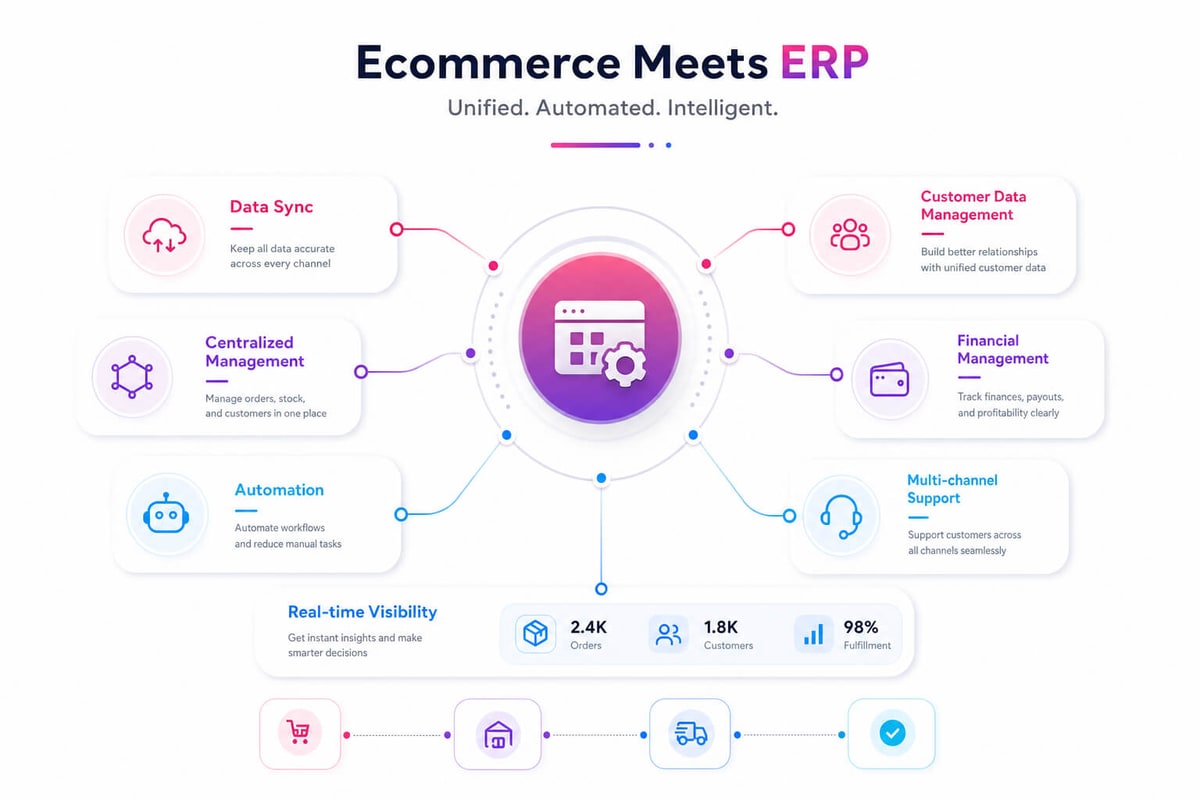
Ecommerce website integration connects the full online site with back-office systems. It may include content, checkout, buyer accounts, tax, and returns. Webshop integration usually focuses on the store layer, where items, carts, payment, and orders move between systems. The gap matters when systems support different teams and goals. Strong retail ecommerce growth often pushes brands past basic store links. At that stage, ecommerce integration needs a wider view of data, buyer paths, and order flow.
Scope and System Coverage
In practice, a webshop often handles the buy part of the flow. It manages item lists, stock status, pricing, offers, checkout, and order capture. This narrow scope works well for plain direct-to-buyer sales. A full site can support more complex digital work. It may include blog content, landing pages, account portals, support forms, and B2B pricing. Ecommerce website integration connects those touch points with CRM, ERP, site, and marketing tools.
- Webshop integration suits brands that need clean order and stock flow
- Ecommerce website integration suits brands with richer buyer data needs
- An ecommerce integration platform can support both models as ops grow
Operational Impact and Data Flow
In fact, the right setup affects how fast teams can act. A basic webshop link may send orders to account or ship software. A broader ecommerce integration setup can also sync buyer records, trigger emails, and sync service tickets. Ecommerce integration software also cuts manual data entry between tools. Item, order, pay, and buyer data can move through mapped fields. That structure cuts errors when order volume rises. The best choice depends on how the brand sells today. Future channels also matter, including markets, B2B portals, and retail partners. A linked data layer keeps those paths aligned and supports ecommerce fulfillment automation.
Common Ecommerce Integration Use Cases for Growing Brands
Growing brands often feel strain first in daily ops. Orders rise, sales channels grow, and manual syncs start creating delays. Ecommerce integration helps link those moving parts before errors reach buyers. In fact, the strongest use cases often sit where teams repeat work. A shared data flow can remove copy-paste tasks, cut missed syncs, and give staff cleaner records.
Sales Channels and Inventory
Many brands sell through their own site, markets, and retail partners. An ecommerce integration platform can sync orders and stock across each channel. That cuts over-selling when demand changes fast. Ecommerce website integration also supports better stock view on item pages. Buyers see clearer open status before checkout. Support teams handle fewer ‘where is my order’ asks after buy.
- Market orders can flow into one order system
- Stock changes can sync across channels within minutes
- Back-office teams can avoid double order entry
- Item data can stay steady across each storefront
For brands with many storefronts, webshop integration can keep pricing and item details aligned. That matters when season pricing changes fast. Also, one approved sync can reach every linked shop.
Orders, Finance, and Customer Data
Order work gets harder as volume grows. Ecommerce integration software can send paid orders to fill, account, and service tools. Each team works from the same source of truth. Also, finance teams gain value when invoices, taxes, refunds, and pay match order records. Ecommerce integration cuts the month-end search for missing data. Clean records also help leads spot margin issues sooner. Furthermore, buyer data creates another common use case. Buy history can flow into email tools and support systems. Teams can group buyers by item, spot, or order value with no manual exports. The best use cases often start with one painful handoff. Over time, ecommerce integration links sales, stock, fill, and finance into one cleaner flow. Growing teams often reach the same next step through platforms integrating warehouse management with ERP systems. Also see the top inventory management software for small businesses.
Benefits of Ecommerce Integration for Operations, Marketing, and Sales
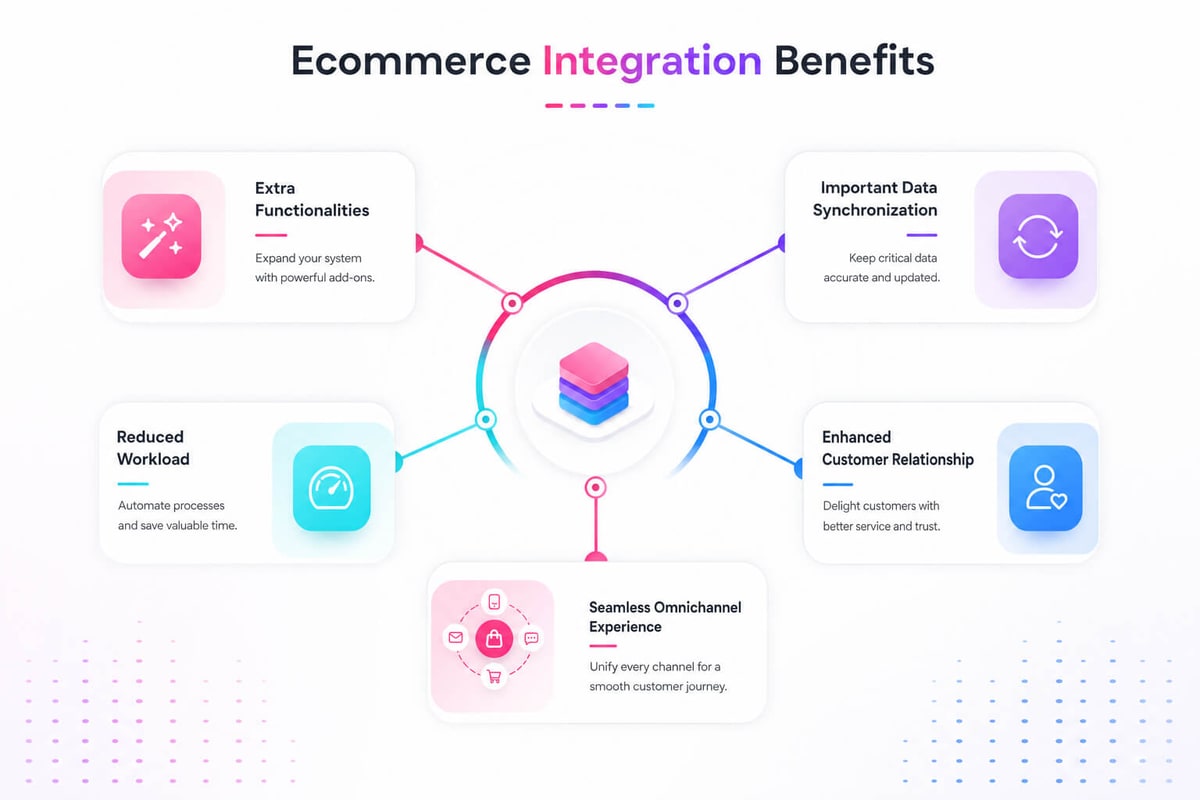
Ecommerce integration turns split systems into one working flow. Orders, stock, buyer data, and shipping sync move with no manual re-entry. Teams spend less time fixing records and more time serving buyers. A strong ecommerce integration platform also cuts small errors that cause high costs. Wrong stock counts can lead to over-selling. Late order syncs can create support tickets and refunds.
Operational Gains From Connected Ecommerce Integration Systems
With ecommerce integration, ops teams gain cleaner data across daily work. Site staff see live order details before they pick and pack. So, finance teams get order and tax data with no chasing exports. Ecommerce integration software can also shorten order cycles. A paid order can flow from the storefront to ERP, WMS, and carrier systems in minutes. That speed helps teams ship faster without adding headcount.
Also, linked systems support better planning as order volume grows. Leads can spot slow items, stock gaps, and return trends sooner. Those signals help teams adjust buying before problems spread.
Marketing and Sales Impact
Ecommerce integration gives marketing teams a clearer buyer view. Buy history, item interest, and account status can feed into campaigns. Messages then reflect real behavior rather than broad guesses. Ecommerce website integration also helps sales teams reply with better context. Reps can see recent orders, open carts, and past service issues. That detail supports more useful talks with buyers. Furthermore, for B2B sellers, webshop integration can show contract pricing and account terms online. Buyers place repeat orders faster when the storefront reflects their deal. Sales teams then spend more time on key accounts. Ecommerce integration creates the most value when each team trusts the same data. For growing teams, this creates the control needed for multi-channel inventory management.
How to Choose the Right Ecommerce Integration Platform
The right ecommerce integration platform fits the way your brand sells, ships, and reports. It should link current systems with no forcing costly workarounds. Strong choice starts with flow fit, not feature count. A growing brand needs clean data flow between storefronts, ERP, WMS, markets, POS, and finance tools. Good ecommerce integration keeps each system aligned as order volume grows. Poor fit creates hidden manual work after launch.
Match the Ecommerce Integration Platform to Your Operating Model
In practice, channel mix shapes the best choice. A brand selling through Shopify, Amazon, and bulk portals needs different rules than a single-store brand. A mature ecommerce integration supports that growth with no rebuilding flows. Also, stock needs deserve close check. Clean stock syncs protect margins and buyer trust. Teams often need cross-channel inventory visibility when they manage many sites, bundles, or backorders. Without it, staff may over-sell fast-moving items. Also, link depth matters more than a long link list. Strong ecommerce integration software maps fields, applies business rules, and flags gaps. It also shows which orders failed and why.
Evaluate Scalability, Support, and Total Cost
The best ecommerce integration platform handles peak volume with no delays. Holiday sales, flash offers, and market growth can strain weak links. Reliable platforms process order, buyer, tax, and ship data near real time. In fact, support quality can decide long-term value. Vendors should know retail flows, not just API links. Clear support paths cut downtime when a carrier, market, or pay tool changes its rules.
Also, total cost includes setup, licensing, link fees, support, and change requests. Cheap tools often get costly when each new channel needs paid dev work. A flex ecommerce website integration model lowers that risk. Also, safety and controls need close attention. The platform should control user access, log data changes, and protect buyer records. A practical short list compares fit across:
- Systems supported today and planned for the next two years
- Order, stock, buyer, tax, and ship data covered
- Error handling that business users can follow
- API reliability, data sync speed, and uptime history
- Support model, onboarding help, and pricing clarity
The right ecommerce integration choice cuts manual entry and keeps calls based on live data. It also supports new channels with no additional rebuild. The strongest choice links your store, orders, stock, finance, and fill data with business accounting and inventory management software.
Implementation Best Practices for Ecommerce Website Integration
Ecommerce website integration works best when teams treat it as a business change, not a tech task. Each linked system affects orders, stock, pay, tax, ship, and service. Clear ownership helps teams stop gaps before they reach buyers. A strong plan starts with the data that moves between systems. Clean data and linked software systems cut manual fixes after launch. Item IDs, buyer records, tax rules, and ship codes need close checks.
Map Data and Business Workflows
First, before any build work starts, teams need a shared flow map. The map shows where each order starts, changes, and closes. It also shows which system owns each field.
- Item data should have one source of truth
- Stock syncs need clear timing rules
- Order status changes should match site actions
- Buyer records need rules for double handling
This map stage cuts rework during ecommerce integration. It also helps the team choose the right ecommerce integration software. A clear flow shows limits before code or links go live.
Test in Stages Before Launch
Staged testing gives teams a safe way to find issues. A test order should move through pay, fill, returns, and refunds. In fact, edge cases matter as they often break live flows. Reliable ecommerce integration testing checks both speed and clean data. Teams should compare order totals, stock counts, tax amounts, and tracking counts. Small data gaps can create chargebacks, delays, or support tickets. Also, a phased launch lowers risk for growing brands. One sales channel or item group can go live first.
That controlled start helps teams fix issues before full traffic arrives. Also, the right ecommerce integration platform supports watch after launch. Alerts should flag failed syncs, missing fields, and delayed order syncs. Furthermore, strong webshop integration depends on steady checks after the first release. New channels, payment methods, and fill rules will change the setup over time. That habit turns ecommerce website integration into the base for your best online storefront.
Measuring ROI and Avoiding Common Webshop Integration Mistakes
ROI check starts before any link goes live. A clear base shows whether ecommerce integration improves profit, speed, and control. Useful counts include order cycle time, labor hours, stock errors, returns, and support tickets. These figures turn system work into a business case. Also, cost tracking needs the same care. Plan fees tell only part of the story. Team time, data cleanup, testing, and outside support also matter. Every month of manual entry creates avoidable errors and lost sell time.
ROI Metrics That Show Real Ecommerce Integration Value
The strongest ROI model links costs to measured gains. A strong ecommerce integration platform cuts double work and shortens order work. If staff save 25 hours each week, that time has a clear value. So, faster shipping can also lift repeat buy rates.
- Order clean data shows fewer refunds, reships, and support contacts
- Stock clean data cuts over-selling and rush stock moves
- Fill speed reveals labor savings across pick and pack
- Cash flow lifts when invoices and pay sync faster
Ecommerce integration software should also support attribution. Revenue gains may come from cleaner item data, better stock feeds, or faster refunds. Tagging each flow helps teams see which links create value. That view supports better budget calls later.
Common Mistakes That Reduce Returns
<span style=”font-weight: 400;”>Many webshop integration projects lose value through poor scoping. Teams link systems before they agree on field rules. Item names, tax codes, SKUs, and buyer IDs then drift across tools. Rework often costs more than the first setup. Also, another common error involves one-way data flows. Ecommerce website integration works best when systems share status changes in both ways. Orders, stock, refunds, and ship syncs need solid sync points. Otherwise, teams keep sheets as a backup.
Furthermore, testing also affects ROI more than many teams expect. Real orders show edge cases that test data can miss. Bundles, part refunds, split ships, and market orders need close checks. Weak testing turns ecommerce integration into a daily support issue. In fact, the best results come from simple control. Owners should check sync failures, field changes, and gap reports each week. Over time, ecommerce integration becomes a managed ops system, not a one-time tech project.
Conclusion
Ecommerce integration turns split tools into one linked ops model. Orders, stock, buyer data, pay, and ship can move with no manual re-entry or delay. Growing brands gain the most value when ecommerce integration supports real work. A strong setup cuts order errors, shortens fill time, and gives teams cleaner data for daily calls.
What Matters Most in Ecommerce Integration
The right ecommerce integration platform links sales channels, ERP, CRM, WMS, and shipping tools. Each link should serve a clear business need, not add extra system noise. Reliable ecommerce integration software also protects data quality. Item details, stock counts, buyer records, and order status need steady rules across every system. Ecommerce website integration often focuses on buyer-facing flows, such as checkout, pay, and account data. Webshop integration may also include back-end flows, such as stock sync, tax rules, and carrier syncs.
Your Next Step
Ecommerce integration works best when teams start with the highest-friction flow. In fact, many brands begin with order routing, stock sync, or ship status syncs because those issues affect revenue fast. Review where manual work creates delays, errors, or missed sales. Then map the systems involved and define the data each one needs. Ecommerce integration becomes easier to manage when each phase has a clear goal. Start with one flow, test it well, and grow once the data moves correctly. For a practical next step, assess your current ship flow and explore how ecommerce shipping logistics can support faster, smarter ops.
 Google AI
  OpenAI ChatGPT
 Frequently Asked Questions
What is ecommerce integration?
Ecommerce integration connects an online store with other business systems, such as ERP, CRM, accounting, inventory, shipping, and marketing tools. It allows data to move automatically between platforms, reducing manual work and errors. A strong ecommerce integration platform helps businesses improve order processing, customer experience, reporting, and operational efficiency.
Why integrate ecommerce and ERP systems?
Integrating ecommerce and ERP systems keeps product, inventory, order, customer, and financial data consistent across the business. This helps teams avoid duplicate entry, stock inaccuracies, and delayed fulfillment. With the right ecommerce integration software, businesses can automate workflows, improve forecasting, and give customers more accurate information about pricing, availability, and delivery.
How do 3PLs integrate with ecommerce platforms in New York?
3PL providers in New York typically connect with ecommerce platforms through APIs, EDI, or an ecommerce integration platform. This allows orders, inventory updates, tracking numbers, and returns data to sync automatically between the online store and warehouse. ecommerce integration helps retailers speed up fulfillment and support customers across local, national, and international markets.
Can you integrate HubSpot with ecommerce marketing automation platforms?
Yes, HubSpot can be integrated with many ecommerce marketing automation platforms to sync customer, order, and behavioral data. This enables targeted email campaigns, lead scoring, abandoned cart workflows, and customer segmentation. A reliable ecommerce website integration helps sales and marketing teams create more personalized experiences based on real purchase activity.
What are the best ecommerce accounting integrations?
The best ecommerce accounting integrations often include QuickBooks, Xero, NetSuite, and Sage, depending on business size and complexity. These tools can sync sales, taxes, fees, refunds, and payouts from ecommerce channels. Good ecommerce integration software reduces manual reconciliation, improves financial visibility, and helps accounting teams close books faster.
Can Drupal and BigCommerce be integrated for ecommerce websites?
Yes, Drupal and BigCommerce can be integrated to combine Drupal’s content management strengths with BigCommerce’s ecommerce functionality. This setup supports flexible content, product catalogs, checkout, and order management. For businesses that need advanced content and commerce features, this type of webshop integration can create a scalable and customized online buying experience.
I am an eCommerce expert with a strong focus on marketplaces like Amazon, eBay, and Etsy. Over the past decade, I have helped both startups and $1M+ revenue brands scale their sales through listing optimization, marketplace SEO, and AI-driven strategies. I also share articles and insights about eCommerce growth, marketplace operations, and multichannel selling.
You may also like
Multi-Carrier Shipping Software: The Complete Guide to Smarter Ecommerce Shipping
Learn how multi carrier shipping software improves ecommerce fulfillment by comparing rates, automating labels, tracking orders, and simplifying returns. This brief outlines the key benefits, features, use cases, and buying criteria for growing online stores.
Top Ecommerce Fulfillment Companies: How to Choose the Right Partner for Growth
Choosing among top ecommerce fulfillment companies can improve delivery speed, inventory accuracy, and customer satisfaction. This brief outlines what business readers should look for, how to compare providers, and when to use U.S.-based fulfillment support.
3PL Ecommerce Fulfillment to Scaling Online Orders
A practical brief for ecommerce leaders comparing fulfillment models, warehouse capabilities, technology, shipping strategy, and provider selection. Learn when a 3PL makes sense, what to look for in a partner, and how to scale customer-friendly delivery profitably.